
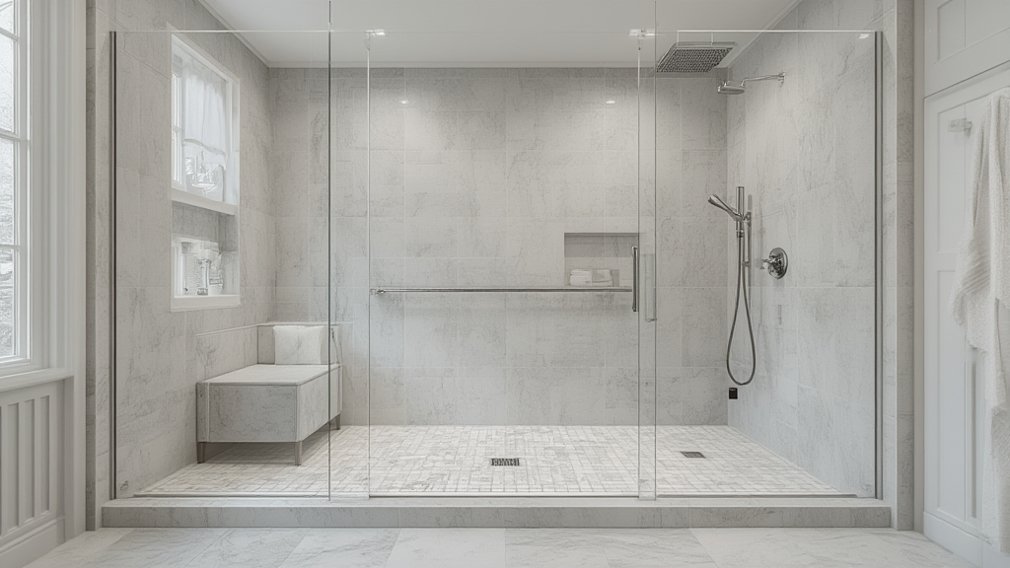
Curbless Shower Conversion is a leading bathroom remodeling trend that delivers both luxury and accessibility, but it’s crucial to be aware of the technical requirements, potential pitfalls, and realistic costs before starting your project.
Key Takeaways
- Proper drainage slope and robust waterproofing are non-negotiable for a lasting curbless shower conversion.
- User frustrations often stem from poor drainage, insufficient waterproofing beyond the threshold, and maintenance hassles.
- Luxury and accessibility in a zero-entry wet room demand premium materials and thoughtful planning, especially for aging in place.
- What Is a Curbless Shower Conversion and Why Choose One?
- How to Convert to a Curbless Shower: Step-by-Step
- Advanced Analysis and Common Pitfalls
- Conclusion
- FAQ
What Is a Curbless Shower Conversion and Why Choose One?
A curbless shower conversion involves removing the raised edge (curb) common in traditional showers, resulting in a seamless, walk-in shower area. This design is also called a zero-entry wet room. The main benefits include improved accessibility for all ages and abilities, easy cleaning, and a modern, spa-like aesthetic. With open access, individuals with mobility challenges or those planning to age in place find curbless showers far safer and more convenient than traditional step-over designs.
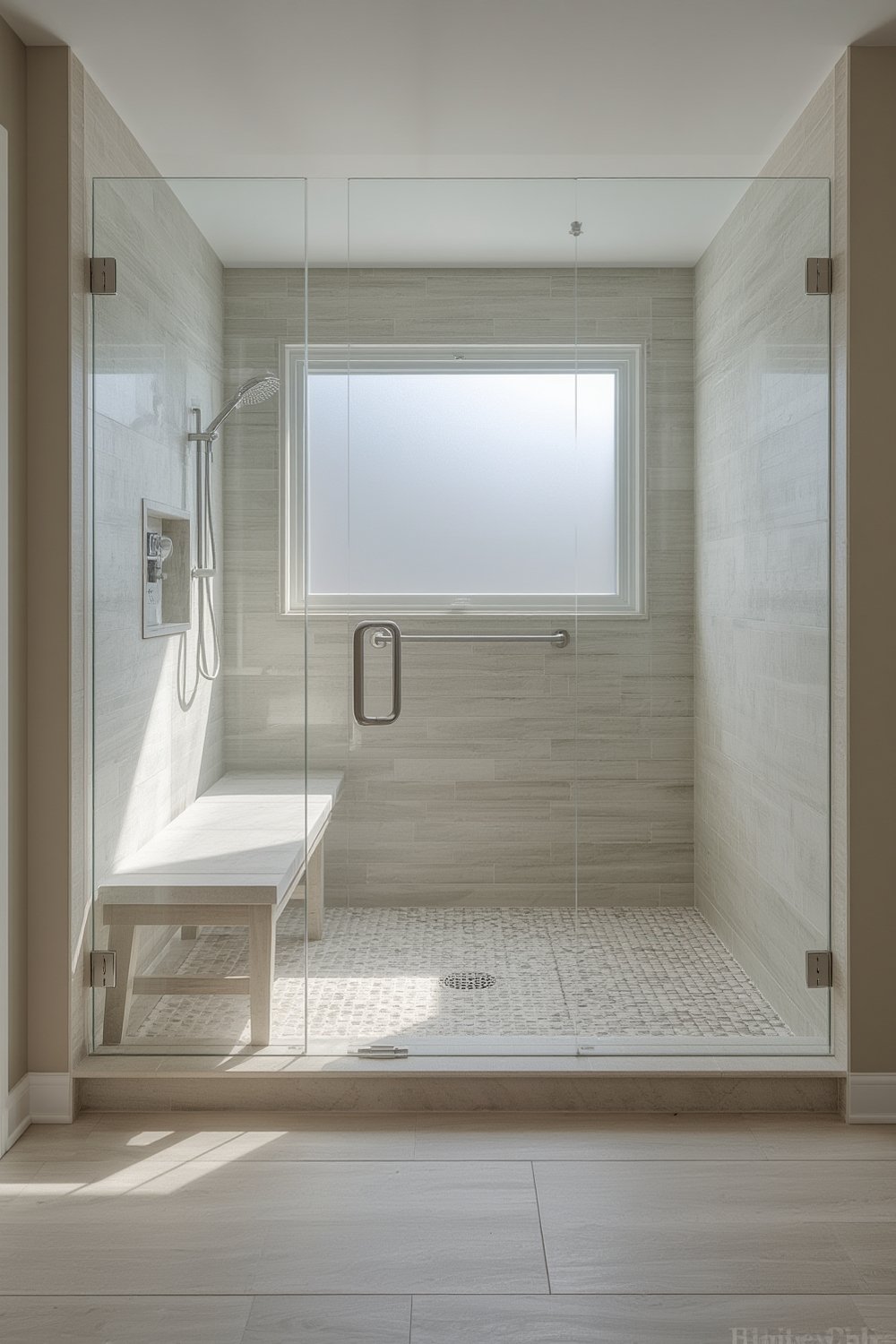
Curbless showers are also in high demand as homeowners look to future-proof their bathrooms with universal design principles. However, careful attention must be paid to drainage and waterproofing to prevent costly mistakes and water damage.
If you’re planning a complete remodel, consider exploring modern bathroom design and walk-in shower ideas to combine function, safety, and luxury.
How to Convert to a Curbless Shower: Step-by-Step
Converting to a curbless shower is a technical job. Here’s a practical breakdown:
- Assess Your Existing Bathroom
Evaluate your subfloor structure, drainage location, and overall space. Retrofits in older homes may require subfloor lowering or joist modifications. Professional advice is recommended for structural changes. For smart planning, try combining your Home Depot and At Home shopping plans for efficiency and budget control. - Design for Drainage and Slope
The shower floor must slope 1.5% to 2% toward the drain—roughly 1/4 inch per foot—to guarantee effective water removal without creating a slippery or awkward surface. With linear drains, slope in one direction; point drains need slope from all sides.
Reference detailed advice at Wetroom Materials: Wet Room Problems Guide. - Install Robust Waterproofing
Apply a waterproofing membrane beneath the entire tile surface, and extend the coverage at least 12 inches beyond the shower area (per TCNA recommendations). Avoid stopping the membrane right at the threshold. For total peace of mind, waterproof the entire bathroom floor. For best results, use sheet membranes or a combination system that includes wall, floor, and drain collars. Spot solutions or thin brush-on coatings (like Red Guard alone) may not be enough for zero-entry showers. - Choose and Position Your Drain
Linear drains (placed at entrance or against the far wall) enable stylish, spa-like design but cost more, may introduce puddling at the threshold, and often require secondary drains outside the shower. Always use a bonding flange to prevent leaks, and steer clear of cheap pre-fabricated pans with entrance drains.
See more technical insights here. - Lay Shower Tile to Manufacturer’s Specs
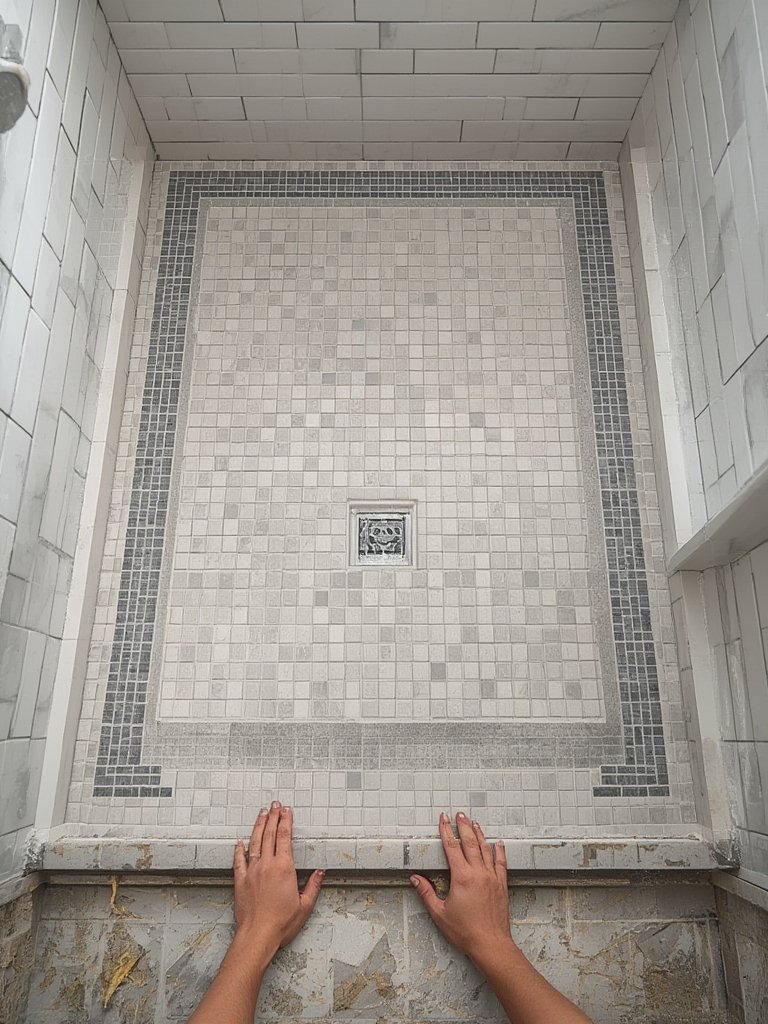
Tile by starting from the drain, maintaining the required slope, and verifying each section for proper alignment. Use anti-slip tiles, especially for wet room floors. Allow waterproofing layers and adhesives to cure as specified. - Verify Waterproofing and Drainage
Flood-test your shower before finalizing the installation: plug the drain, fill the base with water, and check for leaks or seepage—especially beyond the shower area. - Incorporate Accessibility and Spa-Like Details
Add features like wall-mounted showerheads, integrated benches, or grab bars to blend accessibility with luxury. Look for inspiration in guides on accessible spa bathroom luxury.
For budget planning and design choices that boost your home’s value, explore remodeling guides on kitchens and bathrooms.
Advanced Analysis and Common Pitfalls
While a curbless shower conversion delivers next-level style and accessibility, many homeowners encounter avoidable setbacks. Here’s what can go wrong and how to steer clear:
| Problem area | What Goes Wrong | How to Avoid It |
|---|---|---|
| Drainage Issues | Too little floor slope leads to puddling at the entrance or slow water removal. Incorrect linear drain placement results in water flowing outside the shower zone. | Maintain 1.5-2% floor slope, verify using a level. For entrance linear drains, add a secondary drain just outside the shower (learn more). |
| Insufficient Waterproofing | Leaks damaging subfloor or adjacent rooms—usually because waterproofing only covers the shower pan, not beyond the threshold. | Extend waterproofing membrane at least 12 inches beyond entry (per TCNA), or waterproof entire floor. Avoid brush-on-only solutions for these spaces (case study). |
| Maintenance Surprises | Odor and mold from poor cleaning access. Water splashes lead to wet floors, slippery surfaces, and more cleaning. | Opt for open, unobstructed layouts. Use anti-slip tile, plan daily cleaning routines, and consider integrated squeegees or drains within the entire wet area (read user experiences). |
| Poor Fixture or Material Choice | Low-cost drains or tiles cause faster wear, leaks, or less comfort underfoot. | Invest in reputable, spa-grade fixtures and anti-slip, large-format tile. For best home ROI, see bathroom remodel expert tips. |
| Luxury/Aging-in-Place Overlooked | No integrated seating, lack of accessible controls, or inadequate lighting diminishes the aging-in-place advantage. | Include benches, handheld showerheads, and thoughtful lighting. For true universal design, explore spa-level ADA bathroom upgrades. |
Other frequently reported issues include:
- Waterproof coatings that stop at the entry threshold (instead of extending outward) are a prime cause of leaks and costly repairs.
- Secondary drains prevent flooding if linear drains at the entrance overflow during heavy use.
- Maintenance becomes more demanding, as entire bathroom floors can get wet and slippery—plan for extra cleaning.
- Poorly installed slopes not only cause drainage problems but can also make the shower less comfortable, especially for wheelchair users or those with limited mobility.
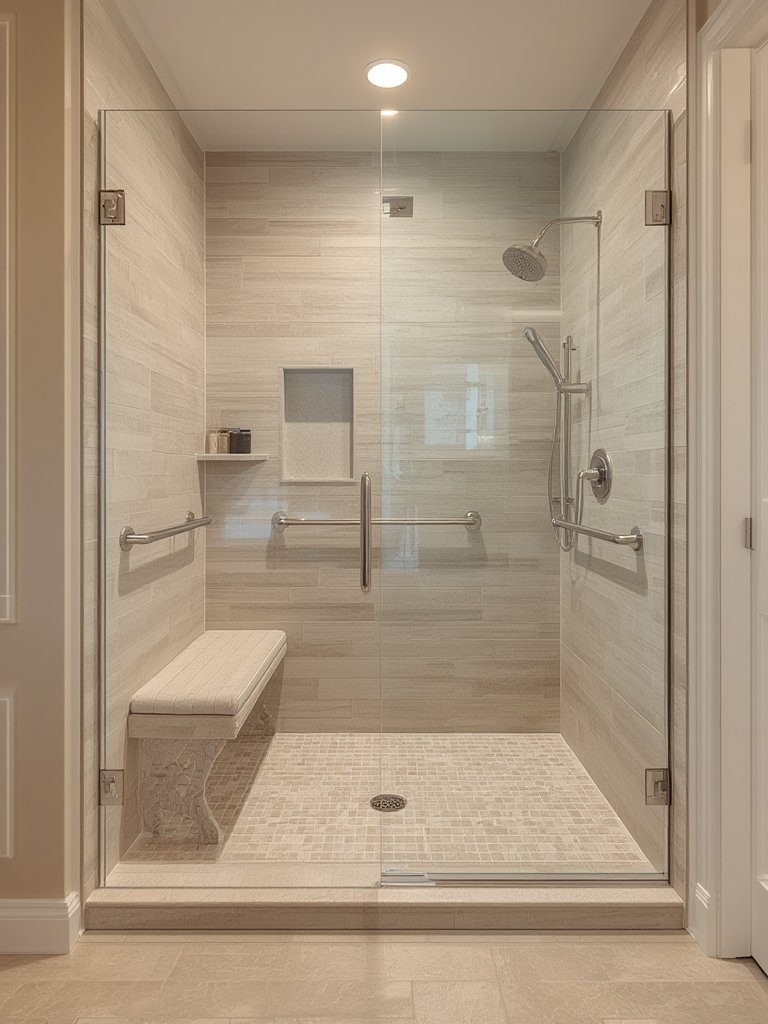
For a more comprehensive, luxury-focused strategy, review universal design bathroom guides and see how accessible, modern renovations boost long-term home value.
Conclusion
A well-executed curbless shower conversion combines style, safety, and long-term functionality. The real secret is technical precision: always prioritize expert drainage design and robust waterproofing, and avoid cutting corners on materials. Proper planning ensures your bathroom doesn’t just look good, but performs flawlessly for years—and truly supports aging-in-place goals.
If you’re ready to future-proof your bathroom and maximize home value, start planning your Curbless Shower Conversion today. For more real-world upgrade ideas, check out these proven bathroom remodel strategies.
FAQ
What’s the minimum floor slope for a curbless shower conversion?
The shower floor should be sloped between 1.5% and 2% (typically 1/4 inch per foot) toward the drain for proper water removal and to prevent puddling.
How far should waterproofing extend beyond a zero-entry shower?
Extend the waterproofing membrane at least 12 inches beyond the entry, per TCNA recommendations. For best protection, consider waterproofing the entire bathroom floor.
Are linear drains the best choice for curbless showers?
Linear drains offer a sleek, modern look and single-direction slope, but they can be costly and may let water escape if not paired with a secondary drain or a subtle ramp outside the shower area.
What maintenance is required for a zero-threshold wet room?
Zero-threshold showers often require more frequent cleaning, especially of floors outside the shower zone. Use anti-slip tiles and consider extended floor drains for easier upkeep.
Do curbless showers add home value?
Yes, when well-designed, they are highly attractive to buyers seeking luxury, accessibility, and modern aesthetics. Proper installation and premium material choices deliver the best returns.