

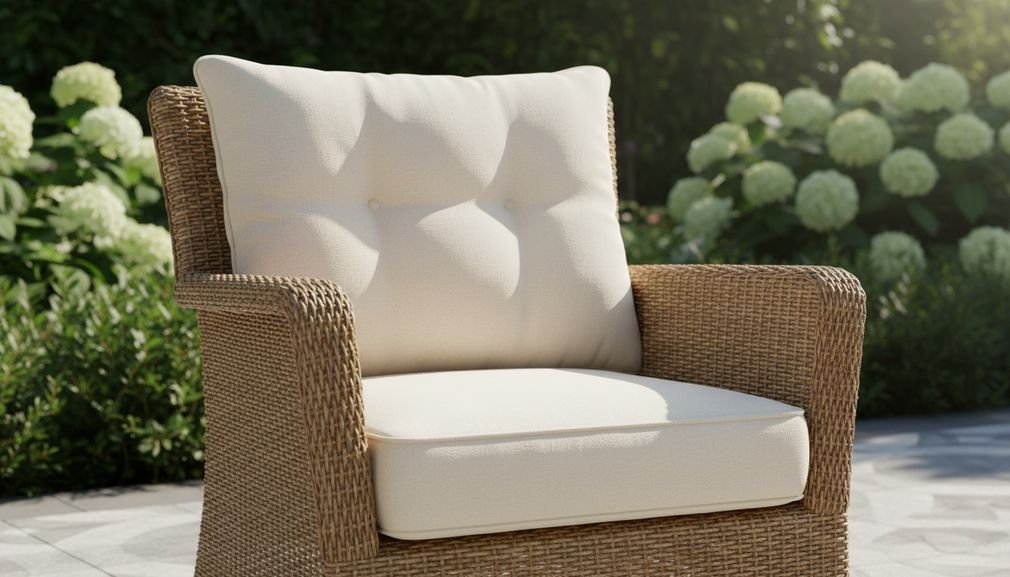
Choosing the right rattan furniture cushions is the single most important decision for transforming your patio from a simple outdoor space into a comfortable, lasting oasis. More than just a decorative touch, high quality cushions define the comfort, durability, and overall enjoyment of your outdoor investment. This guide provides the technical insights and practical advice you need to select cushions that will resist fading, sagging, and mildew, ensuring you make a purchase you’ll love for years.
Key Takeaways
- Prioritize Fabric Quality: The outer fabric is your cushion’s first line of defense. Look for solution dyed acrylics (like Sunbrella) or olefins for superior UV resistance, water repellency, and colorfastness. These materials prevent the premature fading and degradation common with cheaper polyester fabrics.
- Scrutinize the Foam Core: True comfort and longevity come from high density foam. This type of foam resists compression and “pancaking” over time. Ask for open cell foam, which allows water to drain through quickly, significantly reducing the risk of mold and mildew growth.
- Measure Twice, Buy Once: Rattan and wicker furniture often have unique dimensions. Carefully measure the seat depth, width, and back height of your furniture frames before purchasing. For non standard sizes, consider custom cushion services to ensure a perfect, tailored fit that looks and feels professional.
- Investing in Comfort: Why Rattan Furniture Cushions are Key to Your Outdoor Oasis
- Beyond the Pretty Face: What Makes a Rattan Cushion Truly Last?
- Decoding Durability: Essential Technical Specs for Your Outdoor Cushions
- Smart Choices, Longer Life: Care & Storage for Your All Weather Cushions
- Future Proofing Your Patio: Innovations in Rattan Cushion Technology
- Finding Your Perfect Fit: Addressing Unique Rattan and Wicker Cushion Needs
- Making the Informed Choice: Your Guide to Durable Rattan Furniture Cushions
- Frequently Asked Questions
Investing in Comfort: Why Rattan Furniture Cushions are Key to Your Outdoor Oasis
Homeowners are increasingly viewing their patios and gardens as extensions of their living space, driving a significant investment in outdoor comfort. The broader outdoor furniture market was valued at an impressive USD 50.89 billion in 2024, with the U.S. outdoor cushion market alone accounting for USD 446.70 million. This trend highlights a clear demand for creating a stylish and functional outdoor living space. Rattan furniture, in particular, is experiencing a surge in popularity, with its market projected to grow by USD 717.2 million by 2028.
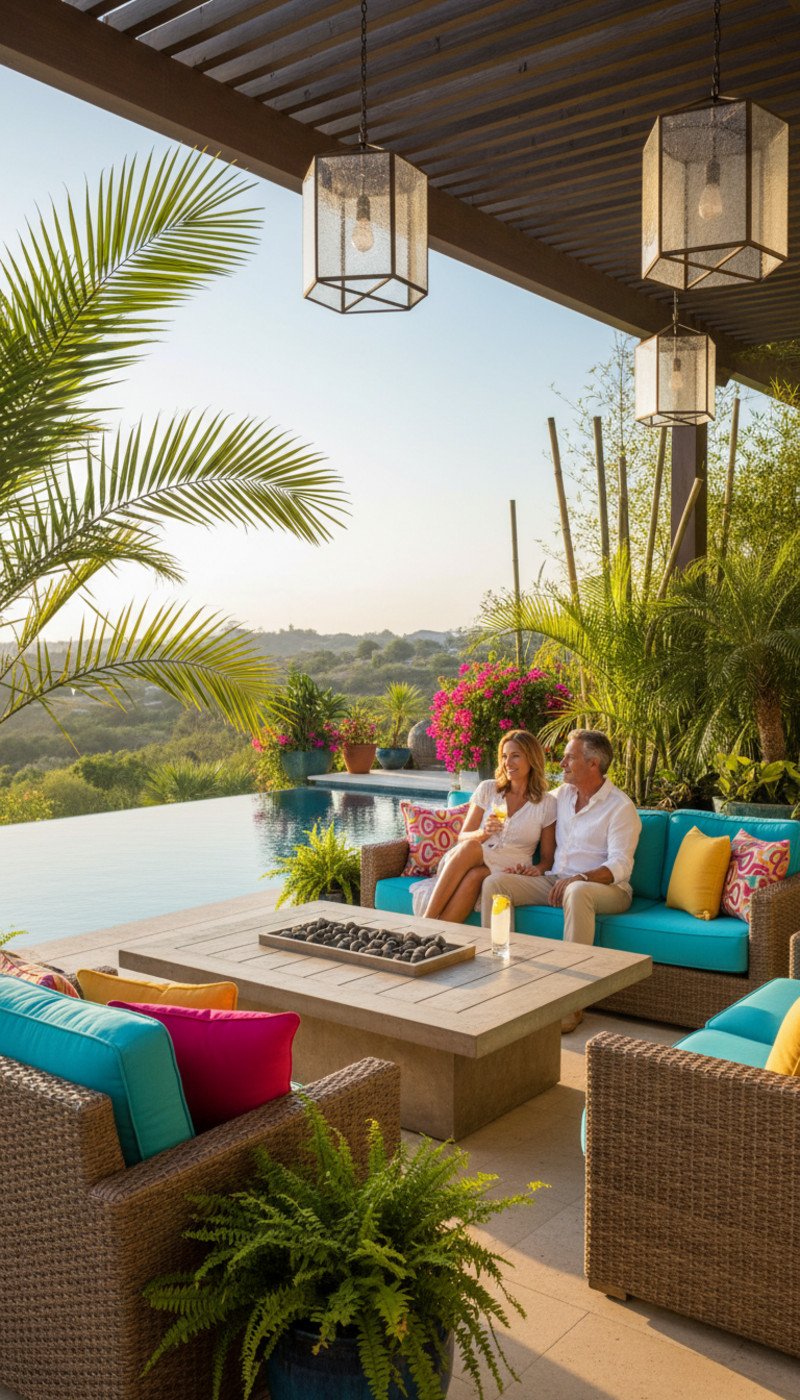
However, the rattan frame is only half of the equation. The garden furniture cushions you choose are what truly deliver the comfort and aesthetic appeal. They are the difference between a beautiful but rarely used patio set and a genuine outdoor retreat. As the market for these products grows, understanding what separates a premium, long lasting cushion from a cheap alternative that will fail in a season is more crucial than ever for protecting your investment.
Beyond the Pretty Face: What Makes a Rattan Cushion Truly Last?
A beautiful pattern or a low price tag can be tempting, but the true value of outdoor cushions lies in their ability to withstand the elements. The most common complaints from buyers stem from three core failures: premature color fading from UV exposure, loss of shape and support (pancaking), and the development of mold or mildew after rain. These issues turn a beautiful investment into a frustrating maintenance burden.
High quality all weather outdoor cushions are engineered specifically to combat these problems. Their construction focuses on two critical components: the external fabric and the internal filling. The fabric must be a high performance outdoor textile that can block UV rays and repel water. The filling needs to be a resilient material that provides consistent support and, crucially, allows moisture to pass through it rather than absorbing it like a sponge. Opting for cheaper materials may save money upfront, but it often leads to the need for replacement within a year or two, negating any initial savings.
Decoding Durability: Essential Technical Specs for Your Outdoor Cushions
When shopping, you’ll encounter terms like “high density foam” and “weather resistant fabrics.” Without context, these phrases can be meaningless marketing jargon. To make an informed choice, you need to understand the practical differences behind the labels. Here’s what to look for in your outdoor textile furniture cushions.
Fabric Facts: Not All Materials Are Created Equal
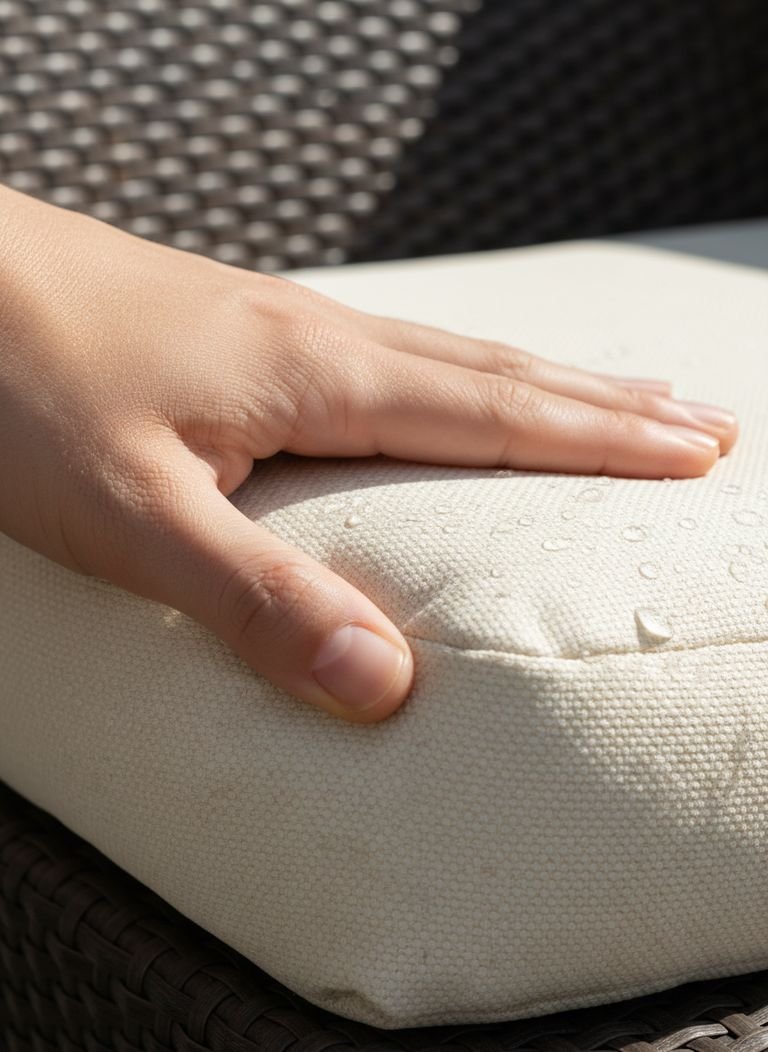
The fabric is your cushion’s primary shield. A poor choice here will result in fading, tearing, and mildew. Look for materials specifically designed for outdoor use.
| Fabric Type | UV Resistance | Water Resistance | Best For |
|---|---|---|---|
| Solution Dyed Acrylic | Excellent (Color is part of the fiber) | Excellent (Water repellent and quick drying) | High exposure areas; long term investment |
| Olefin (Polypropylene) | Very Good | Very Good (Naturally stain and mildew resistant) | High traffic areas; great value for performance |
| Polyester | Fair to Poor (Prone to fading unless coated) | Good (but can promote mildew if it stays wet) | Shaded, covered patios; budget conscious buyers |
The Core of Comfort: Understanding Foam and Fill
The inside of your cushion determines both its comfort and its ability to handle moisture. Low quality fill is the primary reason cushions become flat, lumpy, and waterlogged.
- High Density Foam: This refers to foam that is heavier and more supportive. While specific density ratings (like lbs/cu.ft) are rarely advertised to consumers, you can often feel the difference. A high density cushion feels substantial and springs back quickly when pressed. It resists sagging far better than low density alternatives.
- Open Cell vs. Closed Cell Foam: This is a critical distinction. Open cell foam has a porous structure that allows water to flow directly through it, making it ideal for outdoor use as it dries very quickly and inhibits mold growth. Closed cell foam, by contrast, traps water and should be avoided for outdoor cushions.
- Polyester Fiberfill (Dacron): Often wrapped around a foam core, this material adds softness and a plush look. Ensure it is specifically rated for outdoor use to resist clumping and mildew.
Smart Choices, Longer Life: Care & Storage for Your All Weather Cushions
Even the best rattan furniture cushions require proper care to maximize their lifespan. Research shows that the need for significant upkeep and storage solutions can be a concern for buyers of premium products. However, a simple, consistent maintenance routine can protect your investment and keep your cushions looking new for many seasons.
Routine Cleaning Guide
- For Light Cleaning: Mix a few drops of mild dish soap with water. Use a soft bristle brush to gently scrub the fabric surface. Rinse thoroughly with a hose to remove all soap residue, as leftover soap can attract more dirt.
- For Deep Cleaning: Most high performance outdoor cushion covers are removable and machine washable. Always check the manufacturer’s tag. Use a gentle cycle with cold water and a mild detergent. Never use bleach unless the fabric is specifically rated for it.
- Drying: Always air dry your cushions completely. Stand them on their side to allow for maximum air circulation. Never put cushion covers in a machine dryer, as the high heat can shrink the fabric and damage its protective coatings.
Smart Storage Solutions
Proper storage during the off season or adverse weather is the number one way to extend the life of your garden furniture cushions. If possible, store them in a dry, ventilated area like a garage, shed, or deck box. Ensure they are completely clean and dry before storing to prevent mold and mildew from growing while they are packed away. If you have limited space, consider waterproof cushion storage bags that can protect them from moisture and pests.
Future Proofing Your Patio: Innovations in Rattan Cushion Technology
The outdoor cushion industry is evolving beyond traditional materials. Driven by consumer demand for better performance and sustainability, exciting innovations are emerging. Advancements in manufacturing are leading to more ergonomic cushion designs and the integration of smart textiles that are even easier to clean and maintain. As you shop, keep an eye on these forward looking trends.
One of the most significant shifts is toward sustainability. There is a growing consumer preference for eco furniture sustainable choices, pushing manufacturers to explore naturally sourced and recycled materials for both fabrics and fills. This aligns with broader trends in home decor, where consumers are more conscious of their environmental impact.
Personalization is another key trend. A July 2024 report noted a rising interest in customized decor. This translates to a growing demand for bespoke cushion solutions, allowing homeowners to choose specific fabrics, patterns, and sizes to perfectly match their dark wood furniture trends or unique patio aesthetic. This move away from one size fits all options empowers buyers to create a truly personalized outdoor space.
Finding Your Perfect Fit: Addressing Unique Rattan and Wicker Cushion Needs
One of the biggest challenges homeowners face is finding replacement cushions for older or uniquely shaped rattan and wicker furniture. Unlike standard patio sets, many wicker chair cushions have curved backs, deep seats, or non standard dimensions that make off the shelf solutions a poor fit. Ill fitting cushions not only look sloppy but are also uncomfortable, as they slide around and fail to provide proper support.
This is where understanding how to measure and source custom options becomes invaluable. Before you shop, take precise measurements of your furniture frame:
- Seat Width: Measure from the inside of the left armrest to the inside of the right armrest.
- Seat Depth: Measure from the very front edge of the seat frame to the backrest.
- Back Height: Measure from the top of the seat frame to the top of the backrest where you want the cushion to end.
- Thickness: Decide on a desired cushion thickness (typically 3 to 6 inches) for comfort.
With these measurements, you can confidently search for standard sizes or engage a custom cushion maker. Many online retailers and local upholstery shops specialize in creating bespoke cushions. While this may be a slightly larger investment, it ensures a perfect fit that revitalizes your beloved furniture, making it look and feel brand new. This is especially true for a garden furniture corner set, which often requires multiple, uniquely shaped cushions to fit correctly.
Making the Informed Choice: Your Guide to Durable Rattan Furniture Cushions
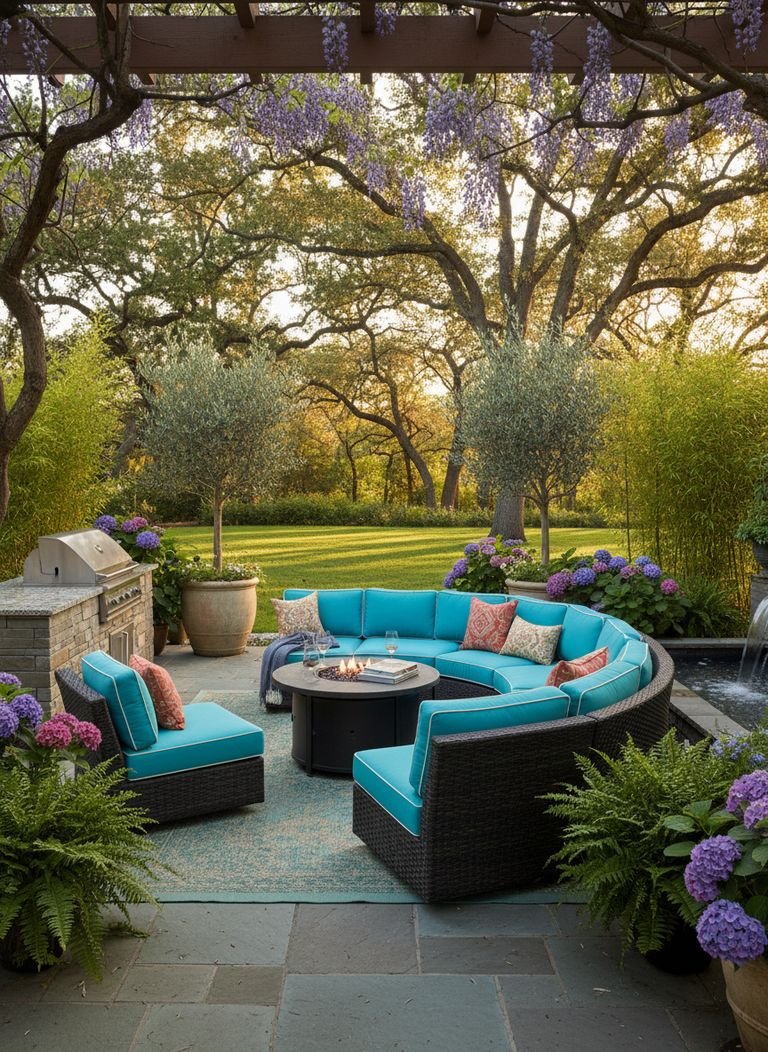
Investing in your outdoor oasis means paying attention to the details that deliver lasting comfort and value. The cushions on your rattan or wicker furniture are not an afterthought; they are central to the experience. By moving beyond surface level aesthetics and focusing on the technical specifications of fabric and foam, you can avoid the common pitfalls of fading, sagging, and mildew.
Prioritize high performance materials like solution dyed acrylics and open cell foam. Take the time to measure your furniture accurately to ensure a perfect fit, and commit to a simple care routine to protect your purchase. By following this guidance, you can confidently select high quality rattan furniture cushions that will provide a comfortable and beautiful retreat for many years to come.
Ready to upgrade your outdoor seating? Explore our curated collections of durable and stylish cushion options today.
Frequently Asked Questions
What is the best material for outdoor rattan furniture cushions?
The best and most durable fabric for outdoor cushions is solution dyed acrylic (brands like Sunbrella are well known). The color is integrated into the fibers themselves, making it extremely resistant to fading from UV exposure. It is also water, stain, and mildew resistant. Olefin is another excellent, high value alternative.
How can I prevent my outdoor cushions from getting moldy?
The key to preventing mold and mildew is to choose cushions with quick drying, open cell foam cores and to ensure they don’t stay saturated with water. After heavy rain, stand them on their side to help water drain out and air circulate. Storing them in a dry place during long periods of wet weather is also highly effective.
How thick should my rattan furniture cushions be?
Cushion thickness is a matter of personal preference, but for seat cushions, a thickness of 4 to 6 inches generally provides a good balance of comfort and support without feeling too bulky. Back cushions can be slightly thinner, typically around 3 to 4 inches.
Can I leave my all weather cushions outside in the rain?
Yes, all weather cushions are designed to withstand rain. High quality fabrics will repel water, and open cell foam cores will allow moisture to pass through. However, to maximize their lifespan and prevent deep saturation, it’s always best to cover them or bring them indoors during prolonged or heavy downpours.
How do I find replacement cushions for my old wicker furniture?
First, carefully measure the width, depth, and height of your furniture’s seat and back. With these dimensions, you can search for standard sized replacements. If your furniture has unusual curves or dimensions, your best option is to order custom made cushions from an online retailer or a local upholstery service to ensure a perfect fit.