

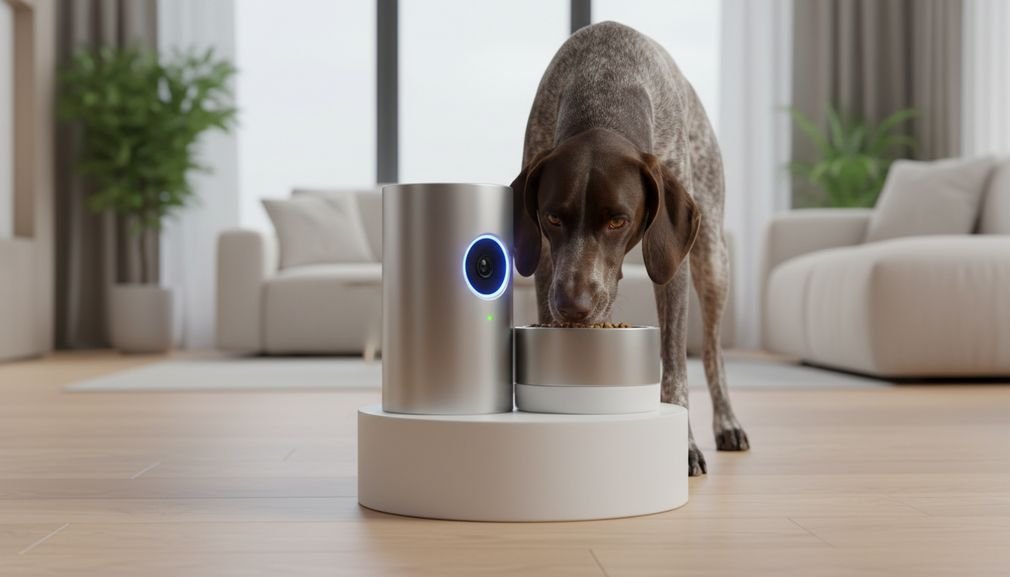
A Pet Facial Recognition Feeder is the definitive solution for multi-pet households struggling with mealtime chaos, food theft, and complex dietary management. This technology brings precision and peace of mind, ensuring every pet receives its specific meal, every time.
Key Takeaways
- Facial recognition feeders use AI-powered cameras to identify individual pets, preventing food stealing and ensuring precise portion control for multi-pet homes.
- Key features to evaluate before buying include identification accuracy (especially with similar-looking pets), ease of use, tamper-proof design, and data privacy policies.
- The market for smart pet feeders is rapidly expanding, with projections reaching over $4.6 billion by 2036, driven by a growing focus on pet health and smart home integration.
- Why Pet Facial Recognition Feeders Are Essential for Multi-Pet Homes
- The Rapid Growth of the Smart Pet Feeder Market
- How Facial Recognition Feeders Work: AI-Powered Mealtime Precision
- Solving Multi-Pet Mealtime Mayhem: Key Benefits
- Critical Considerations: What to Look For in a Top-Tier Facial Recognition Feeder
- Making the Smart Choice for Your Harmonious Multi-Pet Household
- Frequently Asked Questions
Why Pet Facial Recognition Feeders Are Essential for Multi-Pet Homes
In any home with more than one pet, mealtime can quickly devolve into a competitive sport. One pet might be a grazer, another a gulper. One might require a specific prescription diet while another is on a weight management plan. This is where a Pet Facial Recognition Feeder transitions from a gadget to an essential tool. It solves the core problems of food stealing, incorrect portioning, and the anxiety of managing multiple, unique diets. By using advanced technology to identify each pet, this type of multi-pet smart feeder ensures the right food goes to the right animal, supporting their individual health and bringing order back to your home.
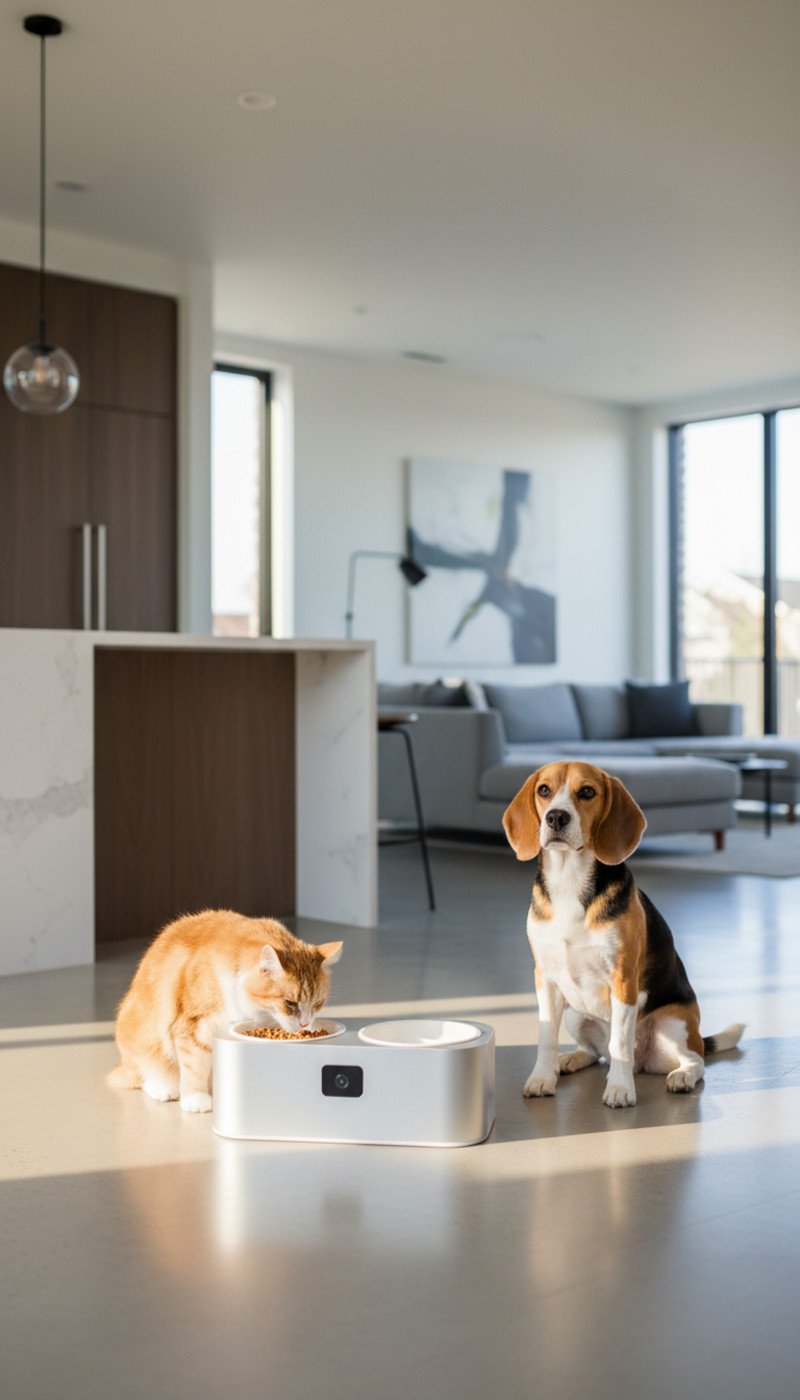
The growing importance of these devices reflects a larger trend in modern pet care: leveraging technology for proactive health management. As owners become more aware of health risks like pet obesity, a tool that offers data driven portion control becomes invaluable. It’s not just about convenience; it’s about providing a higher standard of individualized care that was previously difficult to achieve in a bustling multi-pet environment. For a truly pet-ready home, managing nutrition is a foundational step.
The Rapid Growth of the Smart Pet Feeder Market
The smart pet technology sector is not just a niche market; it’s experiencing significant expansion. This growth is fueled by increased pet ownership, urban lifestyles that demand more remote pet care solutions, and a heightened consumer focus on pet health and wellness. The global market for automatic and smart pet feeders illustrates this trend perfectly. According to one analysis, the market is projected to grow from an estimated USD 2.6 billion in 2025 to USD 4.6 billion by 2036, showing a robust compound annual growth rate (CAGR) of around 12%.
This rapid adoption is driven by powerful features that modern pet owners demand. The ability to schedule and monitor feedings via a smartphone app, integration with smart home ecosystems, and advanced AI-powered pet vision are becoming standard expectations. A multi-pet smart feeder is no longer just a dispenser; it’s an intelligent device that provides data and control. This technological advancement, particularly in biometric identification, is a key reason why the market continues to expand so quickly, offering solutions that cater to the detailed needs of today’s pet parents.
How Facial Recognition Feeders Work: AI-Powered Mealtime Precision
The magic behind a facial recognition feeder lies in a sophisticated blend of hardware and software. At its core, the device uses an integrated camera to capture images of the approaching pet. This isn’t just a simple snapshot; the system analyzes unique biometric markers in the pet’s facial structure, much like Face ID for your smartphone. For felines, this could be described as “Face ID for cats,” where the technology maps the distance between eyes, nose, and other facial features to create a unique digital signature.
Once a pet is identified, the AI-powered pet vision system cross-references this signature with the profiles you’ve created in the companion app. If the identified pet matches the profile scheduled for a feeding, the feeder’s lid opens, granting access to the food. If an unauthorized pet approaches, the lid remains securely closed. This entire process is governed by what industry reports call “AI-driven feeding algorithms and biometric identification technology,” a key driver of market adoption according to recent analysis by Technavio. This ensures that even in a busy household, each meal is delivered with precision.
Solving Multi-Pet Mealtime Mayhem: Key Benefits
The most immediate benefit of a facial recognition feeder is the end of food theft. No more fast-eating dogs stealing the cat’s food or one cat bullying another away from its bowl. This technology creates a secure and personal dining space for each pet, reducing stress and competition around mealtimes. This is especially critical when pets have different nutritional needs.
Beyond preventing theft, these devices enable unparalleled portion control. You can program exact meal sizes down to the gram, ensuring your pet gets the precise amount of food needed for weight management or a medical condition. This makes sticking to a veterinarian-prescribed diet effortless. An individual diet pet bowl with this technology removes the guesswork and human error from feeding. Furthermore, many advanced models offer features like weight tracking and dietary recommendations, turning the feeder into a comprehensive health management tool. This ability to track consumption and adjust portions remotely gives you complete control over your pets’ nutrition, a major reason for the technology’s growing popularity.
Critical Considerations: What to Look For in a Top-Tier Facial Recognition Feeder
Choosing the right Pet Facial Recognition Feeder requires looking beyond marketing claims and focusing on the core functionalities that ensure reliable performance. As this is an emerging technology, it’s crucial to be an informed buyer and ask vendors the right questions, especially since independent, comparative data is often scarce. Here’s a breakdown of what to look for.
Unwavering Accuracy: The Foundation of Reliable Feeding
The single most important feature is identification accuracy. A feeder that can’t reliably tell your pets apart is useless. This is particularly challenging for households with two or more similar-looking pets, like a pair of black cats or sibling dogs. The AI-powered pet vision must be sophisticated enough to distinguish subtle differences. Inquire about the feeder’s performance in various lighting conditions—from bright sunlight to dim evening light. Ask the manufacturer for any internal testing data they have. It’s important to note that publicly available research does not contain independently verified accuracy rates for these specific scenarios, so direct questions to the manufacturer are your best source of information.
Seamless Setup, Intuitive Use, and Multi-Pet Harmony
A high-tech device should not require a high-tech expert to operate it. The initial setup process, from connecting to Wi-Fi to creating pet profiles, should be straightforward and guided by a user-friendly app. The app itself is your primary interface, so it must be intuitive for scheduling meals, viewing feeding reports, and receiving notifications. A quality multi-pet smart feeder will also have a well-designed conflict resolution mechanism. For instance, what happens if the authorized pet is eating and an unauthorized one shoves it aside? Does the door close immediately? How quickly does it reopen for the correct pet? Since research has not found specific data on user complaints regarding these issues, reading customer reviews and watching user-generated video reviews can provide invaluable real-world insight into how the device handles these common situations.
Advanced Features Driving Pet Care Innovation
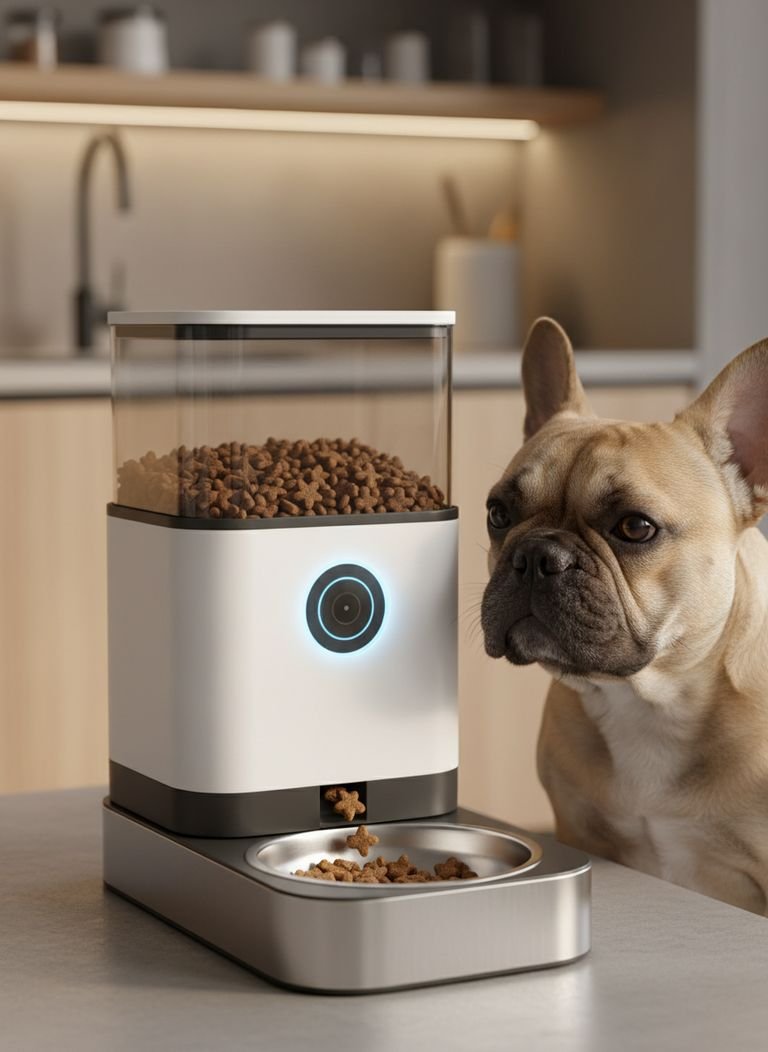
The best feeders are more than just dispensers; they are part of a larger pet wellness ecosystem. Look for advanced features that offer deeper insights and convenience. Some innovative brands, like iHome Pet Tech and Furspark, are pushing the boundaries of what these devices can do. Consider features such as long-term diet analytics that track consumption patterns over weeks or months, or the ability to integrate with veterinary platforms for data sharing. An individual diet pet bowl that can differentiate between very similar pets using subtle behavioral cues or gait analysis is at the cutting edge. While these features are not yet mainstream, they indicate a manufacturer’s commitment to innovation. These advanced functions can turn a simple feeder into a powerful part of your pet’s smart home setup.
Meeting Medical and Behavioral Needs: Must-Have Functions
If you’re managing a serious medical condition (like diabetes or renal disease) or dealing with severe food aggression, the functional requirements become even more stringent. A “must-have” feature in this case is real-time consumption alerts that notify you the instant a meal is—or isn’t—eaten. The physical design should be tamper-proof, with a securely locking lid and a stable base that can’t be tipped over by a persistent animal. For medical cases, the ability to seamlessly share feeding data (times, amounts consumed) with your veterinarian is critical. Unfortunately, dedicated analysis of these specific functional requirements is not widely available, so you must scrutinize product specifications and user reviews to see if a particular Pet Facial Recognition Feeder meets these high-stakes needs. This is similar to evaluating other health-focused pet tech, such as biometric smart collars.
Understanding Price and Technical Specifications
High-accuracy facial recognition feeders are a premium investment. While market research doesn’t provide an average retail price for this specific category, you should expect to pay significantly more than for a standard microchip or timer-based feeder. When evaluating cost, look at the underlying technical specifications. What is the camera’s resolution? A higher resolution can lead to better accuracy. How fast is the AI processing? Low latency means the feeder’s door opens quickly for the correct pet, reducing frustration. What is the bowl and hopper capacity? Ensure it’s appropriate for your pets’ size and your desired refill frequency. Asking for these specs helps you compare models on performance, not just price.
Protecting Your Pet’s Data: Privacy and Security Protocols
Any device with a camera connected to the internet raises privacy concerns. Before purchasing, investigate the manufacturer’s data privacy policy. Your pet’s images and your feeding data are valuable information. Find out if this data is stored locally on the device or in the cloud. Is the data transmission encrypted? What security protocols are in place to prevent unauthorized access? Reputable companies will be transparent about their data handling practices. The absence of clear information on security is a major red flag. Since specific details on these protocols for leading feeders are not readily available in public research, you must do your own due diligence by checking the company’s website or contacting their customer support directly, just as you would with any smart home installation.
Making the Smart Choice for Your Harmonious Multi-Pet Household
Investing in a facial recognition feeder is a significant step toward creating a healthier, more harmonious multi-pet household. By eliminating food-related conflict and providing precise, individualized nutrition, you are directly supporting the well-being of each of your companions. The market is clearly responding to a need for smarter pet care, with significant expansion driven by consumer awareness of pet health risks. While the technology is impressive, the best choice comes down to diligent research.
Prioritize accuracy, usability, and security. Scrutinize the features that matter most for your specific situation, whether it’s managing a medical diet or simply keeping your food-motivated Labrador from eating the cat’s kibble. By carefully evaluating these critical considerations, you can confidently select a multi-pet smart feeder that delivers on its promise. A thoughtfully chosen Pet Facial Recognition Feeder is more than a convenience; it is a powerful tool for modern, responsible pet ownership.
Frequently Asked Questions
What is the main advantage of a facial recognition feeder over a microchip feeder?
The primary advantage is that it doesn’t require the pet to wear a collar or have an implanted microchip tag. This is ideal for pets who dislike collars or for situations where a collar tag could get lost or damaged. It identifies the pet based on their natural facial features.
How well do these feeders work with pets that look very similar?
This is the biggest challenge for the technology. High-end models with advanced AI algorithms can often distinguish between subtle differences, but accuracy may vary. It is crucial to check reviews and ask manufacturers for data on their performance with similar-looking siblings before purchasing for this specific scenario.
Can a Pet Facial Recognition Feeder manage different types of food?
Most facial recognition feeders have a single food hopper, so they are designed to dispense one type of kibble. They control which pet gets access to that food and how much they get. If you need to feed two different prescription diets, you would typically need two separate feeders.
Do facial recognition feeders require a Wi-Fi connection to work?
Yes, a stable Wi-Fi connection is almost always required. The connection is necessary for the initial setup, creating pet profiles, scheduling feedings via the app, and receiving notifications. Some models may have a limited offline mode that can dispense scheduled meals if the internet goes down, but the smart features will be disabled.
Are there any privacy risks with a camera-enabled pet feeder?
Yes, any internet-connected camera carries a potential privacy risk. It is essential to choose a feeder from a reputable brand with a transparent privacy policy and strong security measures, such as data encryption. Inquire whether video or image data is stored locally or on a cloud server and what protections are in place.