

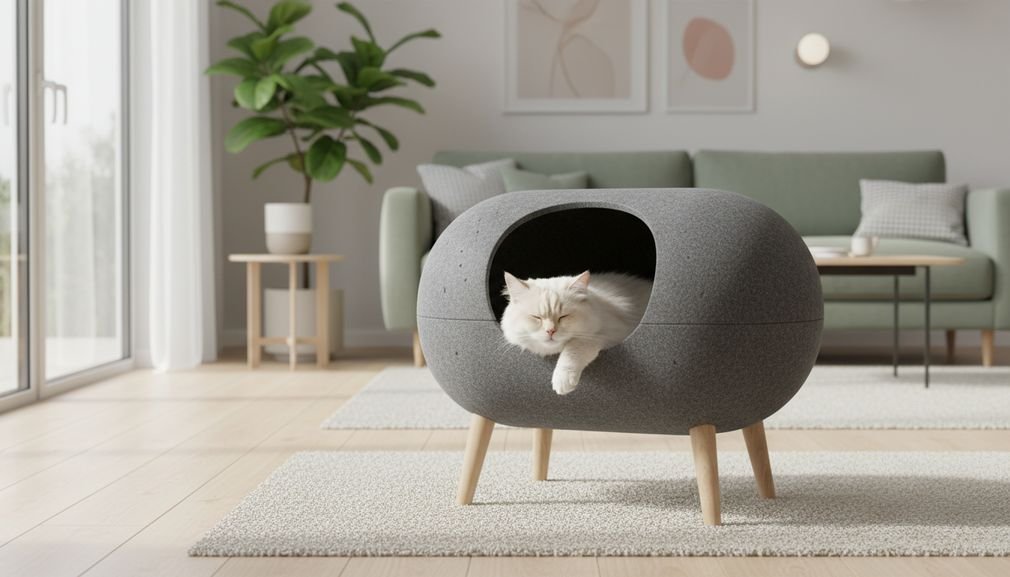
The rise of acoustic calming pet furniture promises a quiet sanctuary for anxious pets, but beneath the marketing claims lies a significant gap in scientific proof and consumer transparency. For discerning pet owners, understanding what these products truly offer—and what they don’t—is critical before making an investment in your pet’s well being.
Key Takeaways
- The pet acoustic panels market is growing rapidly, projected to reach USD 0.45 billion by 2033, yet there is no independently verified data proving its effectiveness in reducing pet anxiety from noise.
- Manufacturers make qualitative claims about “sound absorption” but fail to provide specific, quantifiable decibel (dB) reduction data for common stressors like fireworks or thunder.
- Critical health and safety questions—such as the long term respiratory safety of acoustic materials, the specific sound frequencies they block, and their impact on pet communication—remain unanswered by brands and competitors.
- Understanding Pet Anxiety from Noise: Why Acoustic Calming Furniture Matters (Potentially)
- The Acoustic Calming Pet Furniture Market: Rapid Growth, Unverified Claims
- The Missing Metrics: What “Noise Reduction” Actually Means (or Doesn’t)
- Crucial Questions Competitors Overlook: Beyond the Basic Claims
- More Than Just Sound: Other Calming Elements (and Their Scientific Proof)
- Long-Term Use: Maintenance, Durability, and Pet Health Considerations
- Choosing Wisely: How to Evaluate Acoustic Calming Pet Furniture
- Conclusion: An Unproven Solution for a Real Problem
- Frequently Asked Questions
Understanding Pet Anxiety from Noise: Why Acoustic Calming Furniture Matters (Potentially)
Loud, unpredictable environmental noise is a significant source of stress for countless pets. From the explosive crack of Fourth of July fireworks to the low rumble of a thunderstorm or the daily clamor of city life, these sounds can trigger severe anxiety, leading to behaviors like trembling, hiding, excessive panting, and destructiveness. In response, a niche market for acoustic calming pet furniture has emerged, offering a potential solution by creating a muffled, den-like space where a pet might feel more secure. The appeal is undeniable: a physical refuge designed to dampen the auditory chaos of the outside world. This concept sets the stage for a critical investigation into whether these products live up to their protective promise.
The Acoustic Calming Pet Furniture Market: Rapid Growth, Unverified Claims
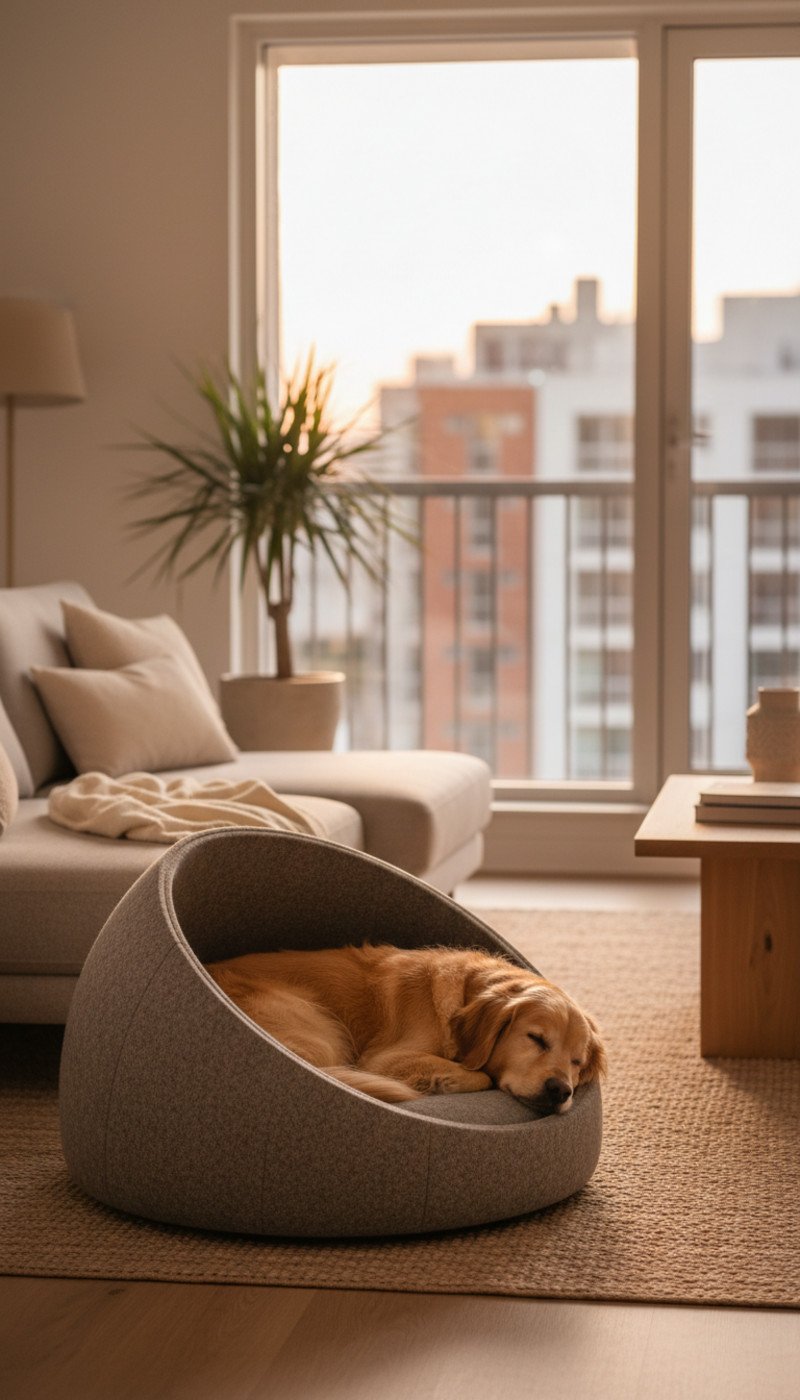
The market for solutions addressing pet comfort is booming. Specifically, the global pet acoustic panels market, the closest measurable segment to this furniture category, was valued at USD 0.25 billion in 2024. Projections show it expanding to USD 0.45 billion by 2033, driven by a compound annual growth rate (CAGR) of 7.02%, according to a report from Business Research Insights. This impressive growth reflects a strong consumer desire to alleviate pet stress.
However, this financial momentum is not matched by scientific validation. Our research found no independently verified studies or quantifiable data that confirm these products effectively reduce pet anxiety during specific stressors like fireworks or thunderstorms. While manufacturers cite general research on the negative impacts of noise, they provide no specific metrics to substantiate their own products’ efficacy. This leaves a critical gap between market promises and proven performance.
The Missing Metrics: What “Noise Reduction” Actually Means (or Doesn’t)
When you browse for a so called soundproof dog crate or calming pod, you’ll encounter a lot of qualitative language: “sound-absorbing,” “noise-dampening,” or “muffles sound.” What you won’t find are the hard numbers. The most significant missing piece of information is a specific decibel (dB) reduction range. For context, fireworks can reach 120-140 dB and thunder can be as loud as 100-120 dB. An effective product should be able to quantify how much it lowers these levels.
Currently, no leading products offer this data. There is no information from controlled tests showing decibel reduction at these common stressor frequencies. This lack of transparency means consumers cannot compare products effectively or even know if a piece of furniture offers a meaningful reduction in noise versus simply being an enclosed space. Without metrics, “noise reduction” is just a marketing term, not a verifiable feature.
Crucial Questions Competitors Overlook: Beyond the Basic Claims
A deeper dive into product descriptions and competitor reviews reveals a consistent pattern of overlooked yet critical issues. Discerning pet owners should be asking questions that go far beyond the surface level claims of “calming.” Our research identified three crucial topics that are almost universally ignored:
1. Long-Term Respiratory Safety
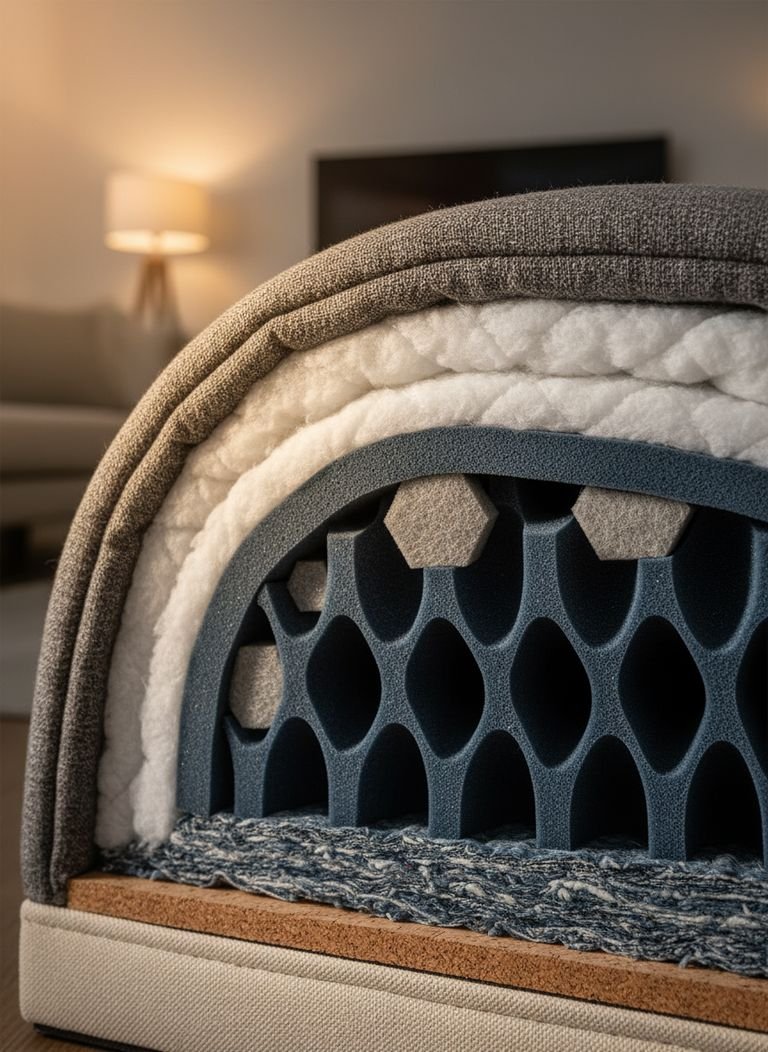
Many acoustic products use specialized foams and fabrics to absorb sound. However, there is no publicly available data on the long-term respiratory safety of these materials for pets. Concerns like off-gassing of volatile organic compounds (VOCs) or the potential for fine particles to be inhaled by a pet spending hours inside an enclosed pod are not addressed. A healthy pet-ready living guide should prioritize non-toxic materials, yet this information is missing.
2. Specific Frequency Attenuation
Not all sound is equal. The high-pitched whistle of a firework and the low-frequency rumble of thunder affect pets differently. Different acoustic materials are effective at blocking different sound frequencies. Manufacturers of products like a noise-cancelling pet bed or anxiety-reducing pet pod do not specify which frequency ranges their products are designed to attenuate, making it impossible to know if they are optimized for the most common noise stressors.
3. Impact on Pet Communication
Pets have a much wider hearing range than humans and rely on subtle auditory cues for communication and environmental awareness. There is no research on whether being inside a heavily sound-dampened space could negatively impact a pet’s ability to hear important household sounds, communicate with other pets, or even cause auditory confusion. This aspect of pet well being is completely absent from the current market conversation.
More Than Just Sound: Other Calming Elements (and Their Scientific Proof)
Beyond acoustics, many of these furniture pieces incorporate other elements that intuitively feel calming. An enclosed, den-like space taps into a dog’s or cat’s natural instinct to seek shelter. Features like light reduction or materials that might absorb vibrations from a rumbling floor also seem beneficial. For example, an acoustic foam cat house provides a dark, tight space that many felines prefer.
However, much like the acoustic claims, the calming efficacy of these additional design elements lacks specific scientific validation within these products. While the psychology of enclosed spaces is generally understood, no studies prove that the specific integrations in this furniture provide a comprehensive calming effect beyond what a standard covered crate or cozy bed might offer. The potential synergy of sound reduction, light blocking, and vibration absorption remains a theoretical benefit rather than a scientifically proven one.
Long-Term Use: Maintenance, Durability, and Pet Health Considerations
Practical ownership is a key factor in any pet-related purchase. Manufacturers of acoustic calming pet furniture rightly prioritize easy-to-clean materials, often featuring removable, washable covers. This is a crucial feature for hygiene. Yet, the information provided often stops there. There is a notable absence of data regarding the long-term durability of the internal acoustic foams and panels. Will they compress, degrade, or lose their sound-absorbing properties over time?
Furthermore, health considerations beyond initial material safety are not detailed. Acoustic foams can potentially trap allergens like dust mites and dander more than standard bedding, requiring a more rigorous cleaning schedule that isn’t specified. As mentioned, the risk of off-gassing from synthetic materials is another unaddressed concern. Consumers are left without guidance on material longevity or the necessary maintenance to ensure the furniture remains both effective and healthy for their pet over years of use.
Choosing Wisely: How to Evaluate Acoustic Calming Pet Furniture
Given the lack of verified data, the burden of evaluation falls heavily on you, the pet owner. Instead of taking marketing claims at face value, adopt a critical approach. Here is an actionable framework to help you make a more informed decision when considering these specialized products.
Step 1: Ask for the Data
Contact the manufacturer directly and ask for specifics. Don’t be afraid to question their claims. Key questions include:
- Can you provide any independent, third-party test results for your product’s acoustic performance?
- What is the specific decibel (dB) reduction your product achieves at frequencies associated with thunder or fireworks?
- What materials are used in the acoustic core, and can you provide a material safety data sheet (MSDS) to address off-gassing concerns?
A transparent company should be willing to provide this information. A vague or evasive response is a major red flag.
Step 2: Evaluate the Physical Design
Look beyond the “acoustic” label and assess the product as a piece of high-quality pet furniture. Consider ventilation—an enclosed space needs adequate airflow to be safe and comfortable. Check the durability of zippers, seams, and fabrics. Think about how easy it will truly be to disassemble and clean every component, not just the cover. This is an important part of any furniture shopping guide, whether for humans or pets.
Step 3: Consider a Multi-Pronged Approach
Recognize that a single piece of furniture is not a magic bullet for pet anxiety. The most effective strategies are holistic. Combine a secure, comfortable den (which could be an acoustic pod or a simple crate covered with a heavy blanket) with other proven calming methods. This includes behavioral modification training with a professional, calming pheromone diffusers, or anxiety vests. Sometimes, noise reducing windows can provide a more comprehensive, room-level solution.
Step 4: Read Between the Lines of Reviews
Since scientific data is scarce, user reviews are your next best source. However, read them critically. Look for reviews that mention specific noise events (e.g., “During last night’s thunderstorm…”). Be wary of generic praise like “my dog loves it.” Focus on comments about durability, ease of cleaning, and whether the pet uses it voluntarily. Also, consider that the very act of providing a special, safe space can have a calming effect (a placebo), independent of any actual acoustic properties. Creating a pet-friendly oasis is about more than just one product.
Conclusion: An Unproven Solution for a Real Problem
Pet anxiety from noise is a serious issue, and the desire for an effective solution is completely valid. The acoustic calming pet furniture market has emerged to meet this demand, but it currently operates in a space where marketing claims far outpace scientific evidence. While these products may offer some comfort as enclosed dens, their core promise of significant, verifiable noise reduction remains unproven.
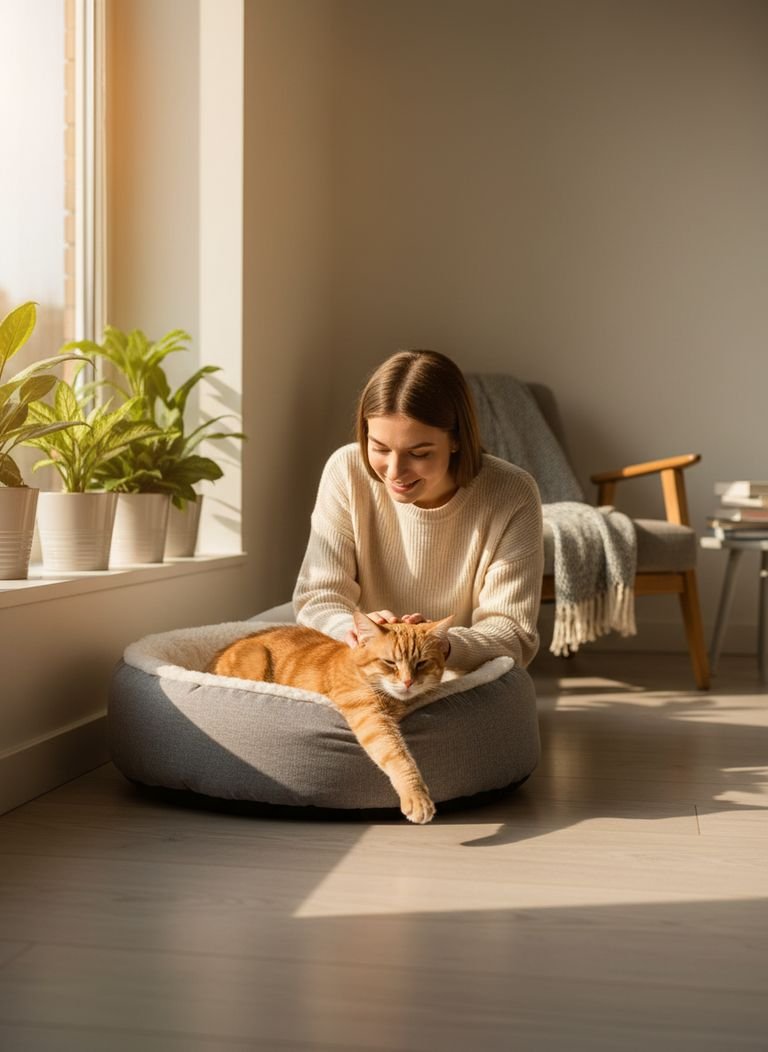
As a discerning consumer, it is essential to approach this category with skepticism. Prioritize transparency, ask for measurable data, and consider the unanswered questions about long-term health and safety. Until manufacturers provide independent, quantifiable proof of efficacy, the wisest approach may be to invest in a combination of proven behavioral strategies and high-quality, conventional pet furniture. A holistic approach to creating a safe and secure environment is the most reliable investment in your pet’s well being when evaluating acoustic calming pet furniture.
Are you exploring other ways to make your home more comfortable for your entire family, pets included? Check out our guide to smart home installation services for ideas on automating comfort and security.
Frequently Asked Questions
Is acoustic calming pet furniture really soundproof?
No. True soundproofing is extremely difficult and expensive to achieve. These products are, at best, “sound-dampening” or “noise-reducing.” Based on current available data, no manufacturer provides specific decibel reduction levels to prove how effective their products are, so claims of being a “soundproof dog crate” should be viewed with extreme skepticism.
Are the materials in acoustic furniture safe for my pet?
Manufacturers claim materials are pet-safe, but there is a lack of long-term data. Critical questions about the potential for off-gassing from acoustic foams, the accumulation of allergens, and respiratory safety over years of use remain largely unanswered in the market.
What’s the difference between acoustic furniture and a regular covered crate?
Acoustic furniture is designed with special sound-absorbing materials in its walls, whereas a regular crate simply provides a physical barrier. However, without quantifiable performance data, it is impossible to know if expensive acoustic furniture offers a significant noise-reduction advantage over a standard crate covered with heavy blankets.
How much can I expect to pay for acoustic calming pet furniture?
Prices can range widely from a few hundred to over a thousand dollars, depending on the size, brand, and materials. Unfortunately, there is no verified data correlating higher cost with better, demonstrable noise-reduction performance. The price is often tied to aesthetics and general build quality rather than proven acoustic efficacy.
Are there proven alternatives to acoustic calming pet furniture?
Yes. A multi-faceted approach is often most effective. This includes behavioral modification with a certified trainer, anxiety vests (like a ThunderShirt), calming pheromone diffusers (e.g., Adaptil), and creating a “safe space” in an interior room or closet. In some cases, a veterinarian may recommend anxiety medication for severe phobias.