

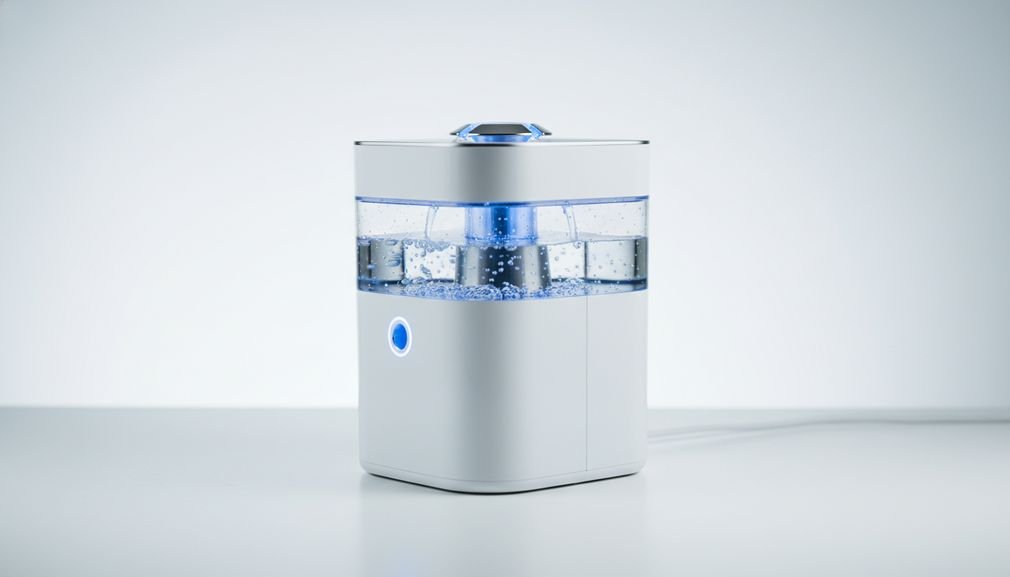
A UVC-Sanitized Water Fountain offers a scientifically-backed solution to the persistent problem of biofilm and bacteria in your pet’s water, but understanding the technology and its long-term requirements is critical for making a smart investment.
Key Takeaways
- True UVC sterilization requires a specific wavelength (254 nm) and dosage (minimum 40 mJ/cm²) to be effective. Many brands claim high percentage bacteria removal without providing these crucial specifications.
- Long term maintenance is more than just changing filters. It involves deep cleaning the pump, managing mineral scale buildup that can shield bacteria from UVC light, and accounting for the eventual degradation of the UV bulb’s efficacy.
- The total cost of ownership extends beyond the initial purchase price. You must factor in proprietary filter costs, UV bulb replacement frequency, and energy consumption, though manufacturers rarely make this data transparent.
- Tired of Slimy Bowls? The Hidden Hygiene Battle in Traditional Pet Fountains
- UVC-Sanitized Water Fountains: The Science Behind Bacteria-Free Hydration
- Beyond the Hype: What to Look for in a Truly Effective UVC Pet Fountain
- The Overlooked Essentials: Long-Term Maintenance for Optimal UVC Fountain Performance
- Understanding the Investment: Costs and Value of UVC Pet Fountains
- Safety First: Addressing Concerns About UV-C Light in Pet Products
- Is a UVC Fountain Right for Your Pet?
- Frequently Asked Questions
Tired of Slimy Bowls? The Hidden Hygiene Battle in Traditional Pet Fountains
If you’re a diligent pet owner, you know the cycle all too well: you scrub the pet fountain, and within days, that familiar, slick biofilm returns. This isn’t just an aesthetic issue; it’s a thriving ecosystem of bacteria. Traditional fountains, with their constantly circulating water and plastic components, create the perfect breeding ground for microorganisms that can lead to unpleasant odors and potential health issues for your pets.
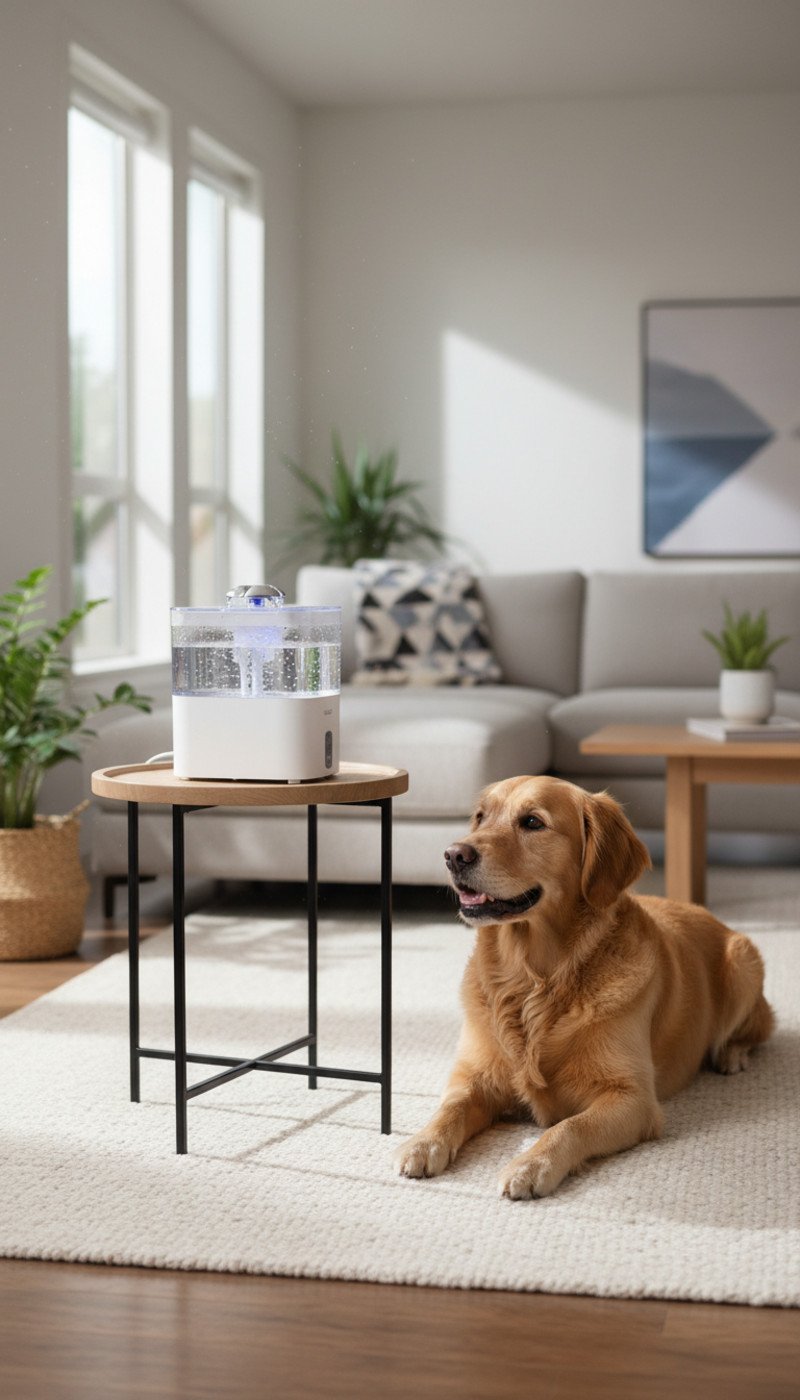
This endless cleaning routine is a primary pain point for consumers. The promise of a self-cleaning dog water bowl or cat fountain is appealing, but most products fall short. The problem is often systemic. As popular fountain brand Catit notes, the common pink discoloration seen on filters is a direct result of airborne bacteria (Serratia marcescens) colonizing the moist environment. Their solution involves constant pump operation and frequent, thorough cleaning with soap, highlighting the inherent maintenance flaw in non-sterilizing designs. This constant battle is what drives discerning owners to seek a more advanced, effective solution.
UVC-Sanitized Water Fountains: The Science Behind Bacteria-Free Hydration
A UVC-Sanitized Water Fountain isn’t just another gadget; it’s a small-scale water treatment plant for your pet. The technology leverages a specific spectrum of ultraviolet light, known as UV-C, to perform germicidal irradiation. This is not the same as the UVA or UVB light from the sun. Instead, it’s a powerful, targeted light wave that neutralizes microorganisms on a genetic level.
The scientific benchmark for effective water sterilization is well-established. Research published in journals like the National Center for Biotechnology Information shows that UV-C light at a wavelength of 254 nanometers (nm) is the “sweet spot” for germicidal activity. At this wavelength, the light is readily absorbed by the DNA and RNA of bacteria, viruses, and molds. This absorption scrambles their genetic code, rendering them unable to reproduce and effectively neutralizing them.
However, wavelength is only half the equation. The other critical factor is dosage, measured in millijoules per square centimeter (mJ/cm²). A minimum dose of 40 mJ/cm² is required to effectively inactivate common waterborne bacteria like E. coli and Salmonella. As one technical report on UV disinfection explains, this dose ensures the genetic material is damaged beyond repair. This is the core scientific principle that separates a true sterilization system from a simple marketing gimmick.
Beyond the Hype: What to Look for in a Truly Effective UVC Pet Fountain
With the science in mind, it becomes easier to cut through the marketing noise. Many brands make impressive claims, but few provide the specific data needed to verify their effectiveness. As a discerning consumer, your job is to look past the percentage points and demand the underlying specifications.
For example, Petkit’s EverSweet 3 Pro is a popular antimicrobial pet fountain that claims 99.96% removal of *E. coli*. While impressive, the company does not readily publish the exact UVC dosage or wavelength used to achieve this result. This lack of transparency is common in the market. As you shop, ask these critical questions:
- Wavelength and Dosage: Does the manufacturer explicitly state the UV-C wavelength is 254 nm and the dosage meets or exceeds the 40 mJ/cm² threshold?
- Exposure Time: How is the water exposed to the light? True sterilization requires sufficient contact time. A system where water flows too quickly past the UV lamp may not be effective. The UV light should be integrated directly into the water circulation path.
- Materials: Is the fountain made from UVC-resistant materials? Over time, UV-C light can degrade certain plastics, making them brittle. Look for high-quality, food-grade ABS or 304 stainless steel components. This is a crucial part of creating a healthy pet-ready living guide for your home.
The Overlooked Essentials: Long-Term Maintenance for Optimal UVC Fountain Performance
The biggest oversight in the marketing of UVC fountains is the illusion that they are “maintenance-free.” While they dramatically reduce the frequency of scrubbing for biofilm, they introduce new, critical maintenance tasks that are almost universally ignored by competitor articles and product manuals. A truly bacteria-free cat fountain requires more than just a UV light.
Effective UV-C pet hydration depends on these overlooked factors:
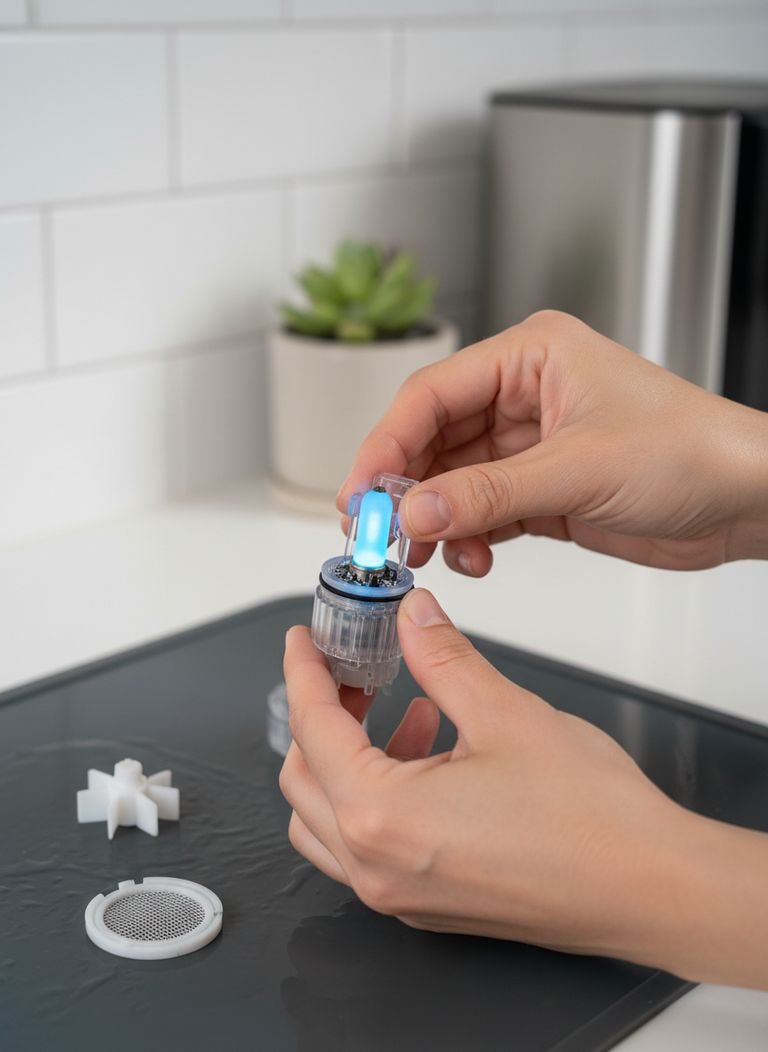
- Pump Disassembly and Deep Cleaning: The UVC light only sterilizes water that passes by it. It does nothing to remove pet hair, food debris, or saliva that gets trapped inside the pump’s impeller well. If you don’t fully disassemble and clean the pump every few weeks, it will become a source of contamination and eventually fail. This is a hidden task most owners don’t realize is necessary.
- Hard Water Scale Management: If you have hard water, mineral deposits (limescale) can form a cloudy film on the quartz sleeve that protects the UVC bulb. This film acts like sunglasses, blocking the germicidal light and rendering the sterilization system useless. The fountain must be periodically descaled with a vinegar solution, a step rarely mentioned by manufacturers.
- UV Bulb Efficacy and Replacement: UVC bulbs do not last forever. They have a finite operational lifespan, typically between 6,000 to 9,000 hours. After this point, the bulb may still light up, but its germicidal output will have degraded significantly. You must know the bulb’s rated lifespan and have a plan to replace it. A fountain with a non-replaceable bulb has a limited useful life. This concept of maintaining hygiene systems is similar to what we discuss in our guide to the Stainless Steel Cat Litter Box.
- Advanced Filtration: A multi-stage filtration system that includes a sponge for large debris, activated carbon for odors, and an ion exchange resin for softening water will work in tandem with the UVC light to keep water cleaner for longer and prevent scale buildup.
Understanding the Investment: Costs and Value of UVC Pet Fountains
When considering a UVC-Sanitized Water Fountain, it’s crucial to evaluate the total cost of ownership, not just the upfront price. Our research revealed a significant information gap; manufacturers are often not transparent about long-term operational costs. This makes it difficult for consumers to budget accurately and compare models effectively.
| Cost Factor | Description | What to Look For |
|---|---|---|
| Initial Purchase Price | The upfront cost of the fountain itself. Can range widely based on brand, materials, and features. | Compare prices but don’t let it be the only factor. A cheaper unit with a non-replaceable bulb is a poor long-term value. |
| Filter Replacement | Most fountains require proprietary filters replaced every 2-4 weeks. | Calculate the annual cost of filters. Are they sold in multi-packs? Are third-party options available? This is a major recurring expense. |
| UV Bulb Replacement | The UV-C bulb or module will need replacement after its rated lifespan (e.g., 1-2 years). | Confirm if the bulb is replaceable and find its cost and availability *before* buying the fountain. If not replaceable, the entire unit must be discarded. |
| Power Consumption | The energy used by the pump and the UVC lamp, which typically run 24/7 or on a cycle. | Look for low-wattage pumps (typically under 5W). The energy cost is usually minimal but adds to the long-term total. |
The value proposition of these fountains lies in the time saved from daily scrubbing and the peace of mind that comes from providing verifiably clean water. For pets with sensitive stomachs or compromised immune systems, the investment can be particularly worthwhile. Maintaining your pet’s health is a holistic process, from hydration to diet and oral care, as explored in guides about Pet Dental Probiotics.
Safety First: Addressing Concerns About UV-C Light in Pet Products
It’s natural to have questions about the safety of using ultraviolet light in a product your pet interacts with daily. The key to safety in any antimicrobial pet fountain is proper design and engineering. Reputable manufacturers ensure that the UVC light is completely contained and shielded, so there is no risk of exposure to your pet’s eyes or skin.
Our research found that manufacturers do not often publicly detail the specific safety measures they implement, creating another information gap for consumers. However, a well-designed system should incorporate the following features:
- Internal, Shielded Lamp: The UV-C bulb must be located within an opaque, internal chamber of the fountain. The light should never be visible from the outside.
- Automatic Shutoff: Many fountains include an automatic shutoff feature that deactivates the UV light if the unit is disassembled for cleaning or if water levels are too low. This prevents accidental exposure.
- No Ozone Production: Effective germicidal UVC lamps operate at 254 nm, a wavelength that does not produce ozone. Lamps that operate at a lower wavelength (around 185 nm) can produce ozone, which is a respiratory irritant. Stick to products that use 254 nm technology.
- Material Stability: As mentioned, the materials should be certified food-grade and UVC-resistant to prevent degradation and the leaching of harmful chemicals into the water. This is a core principle in designing any pet-safe environment, much like the considerations in our Barkitecture guide.
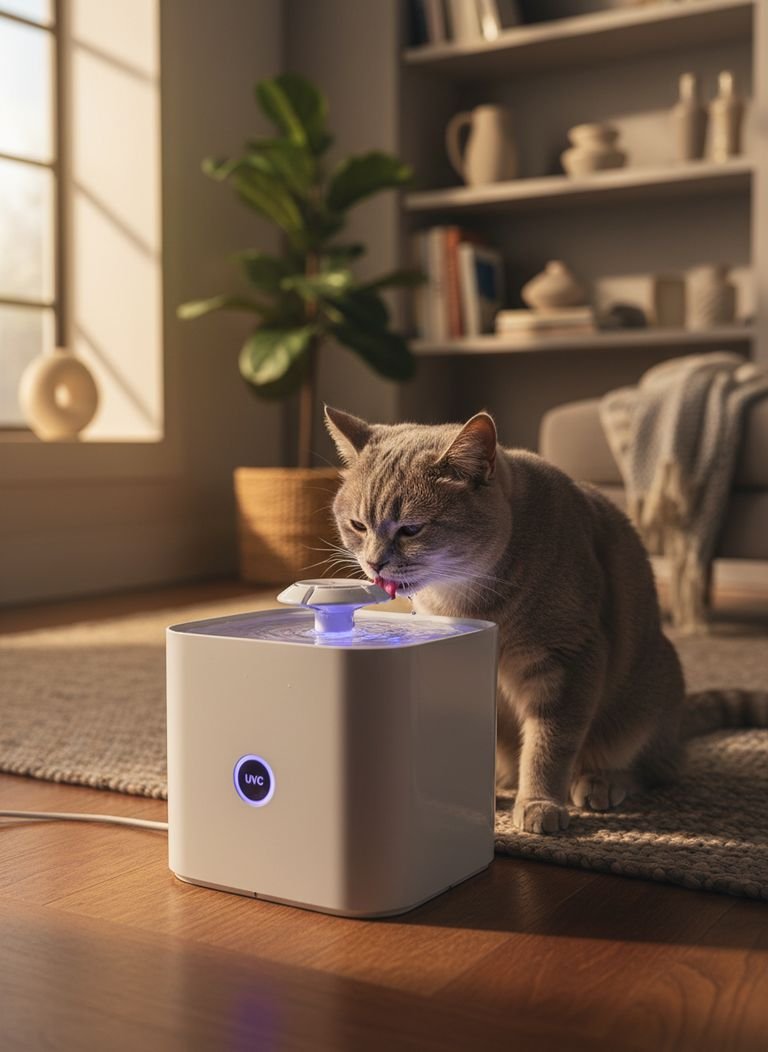
By ensuring the UVC system is fully enclosed, you can be confident that the fountain is safe for your pets and family. This approach to automated hygiene is becoming more common, even in feeding solutions like Self-Sanitizing Wet Food Feeders, where safety and effectiveness are paramount.
Is a UVC Fountain Right for Your Pet?
A UVC-sanitized pet fountain moves beyond the superficial promise of “cleaner water” by employing a scientifically validated sterilization method. For the discerning pet owner frustrated with the endless cycle of biofilm and scrubbing, it offers a genuine upgrade in hygiene and convenience. However, this is not a plug-and-play solution. The real value is only realized when you commit to the specific long-term maintenance required, including pump cleaning, descaling, and eventual bulb replacement.
By looking past vague marketing claims and focusing on the critical specifications—wavelength, dosage, and material quality—you can select a product that delivers on its promise. The investment in a high-quality UVC-Sanitized Water Fountain is an investment in your pet’s health and your own peace of mind. Choose a model from a transparent manufacturer and commit to its proper upkeep to ensure a lasting source of pure, safe water for your companion.
Frequently Asked Questions
Is UVC light safe for my cat or dog to drink from?
Yes, it is completely safe when implemented correctly. In a properly designed UVC water fountain, the UVC light is fully contained within an internal, opaque chamber. The water is sterilized as it flows past the light, but the light itself is never visible and poses no risk of exposure to your pet.
How often do I need to clean a UVC-sanitized fountain?
While you won’t need to scrub away biofilm daily, you should still perform a full cleaning every 2 to 4 weeks. This involves disassembling and cleaning the pump to remove trapped hair and debris, and descaling the unit with a vinegar solution if you have hard water to ensure the UVC light remains effective.
Does a UVC fountain eliminate the need for filters?
No. UVC light neutralizes microorganisms but does not remove physical debris like hair, dust, or food particles. It also doesn’t remove chemical impurities or improve taste. A quality multi-stage filter is essential to work alongside the UVC system for comprehensively clean water.
Can I just add a UVC lamp to my existing pet fountain?
This is not recommended. Retrofitting a fountain is dangerous as it lacks the proper shielding to prevent UV exposure. Furthermore, the flow rate and chamber design may not provide the necessary contact time for the water to be properly sterilized. It is much safer and more effective to purchase a unit designed for this purpose.
How do I know if the UVC bulb is still working?
Many UVC bulbs will continue to emit visible blue light long after their germicidal effectiveness has faded. You cannot rely on sight. The only reliable method is to track its hours of use and replace it according to the manufacturer’s recommended lifespan, which is typically 8,000-9,000 hours (about one year of continuous use).