


The next frontier in home wellness is Neuro-Responsive Lighting, a technology designed to sync your indoor environment with your body’s natural biology, enhancing everything from focus to sleep. Unlike standard smart bulbs that simply change color on command, these advanced systems create a dynamic, bio-adaptive atmosphere that supports your cognitive and physiological needs throughout the day. For tech-savvy homeowners invested in biohacking and peak performance, understanding this evolution is key to unlocking a healthier, more productive living space.
Key Takeaways
- Neuro-responsive lighting goes beyond basic smart lighting by automatically adjusting light spectrum and intensity to support circadian rhythms, mood, and cognitive function.
- While specific clinical data is still emerging, the technology shows immense potential for creating supportive sensory environments, especially for neurodivergent individuals.
- Practical integration requires careful planning around smart home ecosystem compatibility, wiring protocols (like DALI or Zigbee), and professional installation for whole-home systems.
- What is Neuro-Responsive Lighting? The Next Evolution of Smart Homes
- Beyond Circadian Rhythms: Tailoring Light for Cognitive Peak Performance
- Unaddressed Needs: Why Neuro-Responsive Lighting is a Game-Changer
- How Neuro-Responsive Lighting Supports Neurodivergent Individuals
- Integrating Neuro-Responsive Lighting into Your Smart Home: What to Expect
- Understanding the Investment: Costs and Value of Neuro-Responsive Lighting
- The Future is Bright: What’s Next for Intelligent Home Lighting
- Frequently Asked Questions
What is Neuro-Responsive Lighting? The Next Evolution of Smart Homes
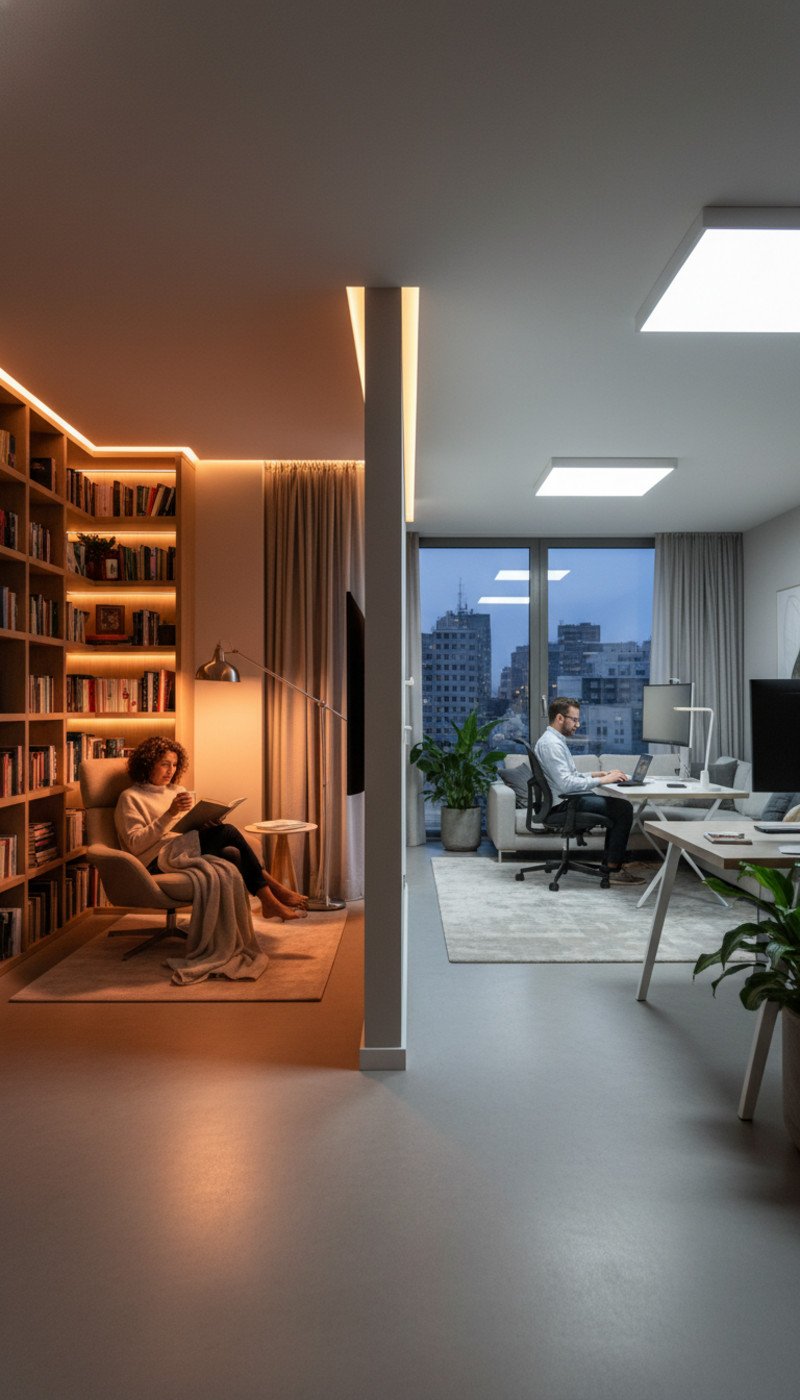
At its core, neuro-responsive lighting is an advanced smart lighting system that actively supports your body’s neurological and biological functions. It’s a significant leap from first-generation smart bulbs, which require manual input or simple schedules. Instead, these systems use sensors, algorithms, and high-fidelity, full-spectrum LEDs to automatically adjust the color temperature and intensity of light in your home. The goal is to mimic the natural progression of sunlight, from the energizing blue-rich light of early morning to the warm, calming tones of sunset.
This bio-adaptive approach helps regulate your body’s internal clock, or circadian rhythm. By providing the right light signals at the right time, these systems can help improve alertness during the day and promote the production of melatonin for better sleep at night. Think of it less as lighting your home and more as calibrating your home’s environment to your biology. While the term “neuro-responsive lighting” is new, it’s part of a rapidly growing market. Its closest proxy, Human Centric Lighting (HCL), is projected to grow from USD 4.23 billion in 2024 to USD 19.83 billion by 2030, a clear indicator of the demand for healthier indoor environments, according to Fortune Business Insights.
Beyond Circadian Rhythms: Tailoring Light for Cognitive Peak Performance
The true potential of these systems extends beyond just sleep/wake cycles. A sophisticated circadian rhythm home system can be programmed to create specific “light recipes” tailored to different tasks and moods. For example, it might shift to a cooler, brighter light in your home office during the mid-afternoon to combat the post-lunch slump and boost concentration. In the evening, the living room lights could automatically transition to a warm, low-intensity glow to encourage relaxation and social connection.
The science behind this is well-established: specialized cells in our eyes, called intrinsically photosensitive retinal ganglion cells (ipRGCs), detect light and send signals directly to the brain’s master clock. This process influences hormone production, mood, and alertness. While the concept is sound, it is important to be transparent: peer-reviewed studies that specifically quantify the percentage of cognitive improvement from residential “neuro-responsive lighting” are not yet available. The technology is ahead of the clinical research, making early adopters pioneers in this field of home wellness. The focus is on applying established principles of light science in a more dynamic and personalized way than ever before.
Unaddressed Needs: Why Neuro-Responsive Lighting is a Game-Changer
Current smart lighting discussions often overlook critical concerns that tech-savvy homeowners have. Market analysis reveals that topics like long-term health impact validation and detailed energy consumption comparisons are consistently underexplored. This is where neuro-responsive lighting aims to fill the gap. While traditional LEDs are efficient, a fully integrated system is designed for holistic performance, not just lower wattage. It seeks to provide a return on well-being, a metric standard lighting cannot address.
Furthermore, these systems offer a level of environmental control that directly impacts quality of life, a benefit that goes beyond simple convenience. For homeowners looking to optimize every aspect of their environment for health, a dynamic lighting system that supports biology is the logical next step after air and water purifiers. It addresses the unspoken need for an environment that doesn’t just house us, but actively works to improve our health. An integrated system could even tie into your calendar, automatically adjusting the lighting in a room for a scheduled focus session or a relaxing evening.
How Neuro-Responsive Lighting Supports Neurodivergent Individuals
One of the most promising and underexplored applications for this technology is its potential to support neurodivergent individuals. For people with conditions like ADHD or sensory processing disorders, the environment can be a source of constant, subtle stress. Flickering lights, harsh color temperatures, and inconsistent brightness can be dysregulating and disruptive.
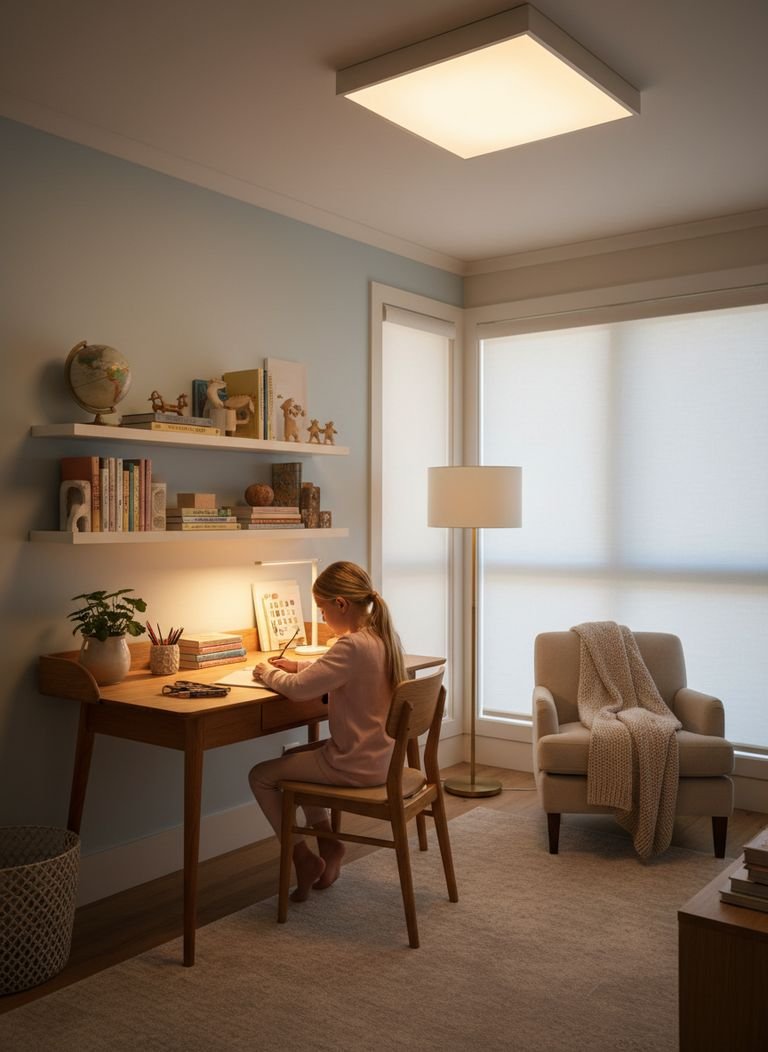
Neuro-responsive lighting offers a solution by creating a stable, predictable, and supportive sensory environment. Imagine a system that can create a ‘calm-down’ preset with low, warm light to help de-escalate a moment of sensory overload. Or a “focus” setting that uses a specific light spectrum to help a child with ADHD concentrate on homework, free from the subtle distractions of poor-quality lighting. By reducing environmental stressors, sensory lighting for ADHD and other conditions can help improve emotional regulation, focus, and overall comfort at home, making it a potentially transformative tool for many families.
Integrating Neuro-Responsive Lighting into Your Smart Home: What to Expect
Implementing a true neuro-responsive lighting system is more involved than screwing in a few smart bulbs. It requires planning, professional installation, and a clear understanding of your home’s technical infrastructure. Here’s a practical breakdown of what to expect.
Step 1: Define Your Goals and Scope
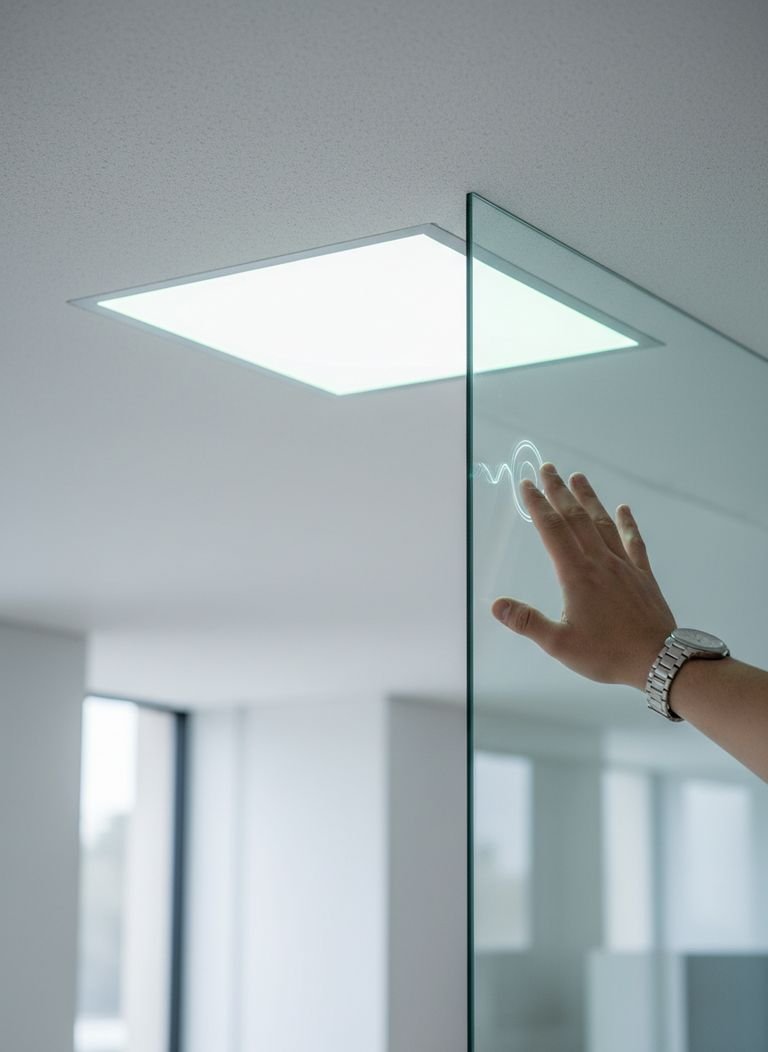
First, decide what you want to achieve. Are you looking to optimize a single room, like a home office or bedroom, or do you want a whole-home circadian rhythm home system? A single-room setup might be achievable with advanced smart bulbs and a dedicated hub, but a multi-room installation will require integrated hardware like bio-adaptive LED panels and a central controller.
Step 2: Assess Your Smart Home Ecosystem
Next, evaluate your current setup. Is your home built on Apple HomeKit, Google Home, Amazon Alexa, or a more advanced system like Control4 or Crestron? While specific data on integration hurdles for neuro-responsive systems is scarce, compatibility is a critical factor. Ensure any system you consider can communicate seamlessly with your existing voice assistants, hubs, and other smart devices. A lack of native integration can lead to a fragmented and frustrating user experience.
Step 3: Understand the Underlying Technology and Protocols
Professional-grade systems don’t just rely on Wi-Fi. They often use more robust and reliable communication protocols. Understanding these can help you have a more informed conversation with an installer. Some common protocols include:
| Protocol | Key Feature | Best For |
|---|---|---|
| DALI (Digital Addressable Lighting Interface) | A robust, two-way protocol for professional and commercial lighting control. Highly reliable. | Complex, multi-room installations where reliability is paramount. |
| Zigbee / Z-Wave | Low-power mesh networks that are independent of your Wi-Fi. Creates a dedicated network for smart devices. | Whole-home systems with many devices to avoid Wi-Fi congestion. |
| Power-over-Ethernet (PoE) | Delivers both power and data over a single Ethernet cable, simplifying wiring. | New builds or major renovations where running new Ethernet cable is feasible. |
| Bluetooth Low Energy (BLE) | Simple, direct device-to-phone control. Good for single-room solutions but limited range. | Standalone devices or adding one or two smart fixtures without a central hub. |
According to MarketsandMarkets, protocols like DALI and Zigbee are common in the North American smart lighting market, highlighting their importance in robust setups.
Understanding the Investment: Costs and Value of Neuro-Responsive Lighting
As a nascent technology in the residential space, transparent pricing for Neuro-Responsive Lighting is hard to come by. There is currently no standardized cost data for full installations, including hardware like bio-adaptive LED panels, sophisticated controllers, and professional fees. The investment is significant and should be viewed similarly to other premium home upgrades like a high-end kitchen remodel or the installation of energy efficient windows.
The cost will depend on the scale of the project, the quality of the fixtures, and the complexity of the control system. A single-room solution might cost a few thousand dollars, while a comprehensive, professionally installed system for a whole home could easily run into the tens of thousands. While there is no quantified ROI data in terms of energy savings or property value increase, the value proposition is centered on health and well-being. Proponents view it as a long-term investment in cognitive performance, sleep quality, and overall quality of life. Like many other energy efficient upgrades, the primary benefit is an enhanced daily living experience, with potential long-term health advantages that are difficult to monetize.
The Future is Bright: What’s Next for Intelligent Home Lighting
Neuro-responsive lighting represents a paradigm shift from passive illumination to active wellness support. As the technology matures, we can expect to see deeper integration with wearable health trackers, AI that learns an individual’s unique chronotype, and even more precise light recipes designed to support specific medical conditions. The strong growth of the overall smart lighting market, estimated to reach USD 49.37 billion by 2028 per a report from GlobeNewswire, ensures that innovation in this space will continue at a rapid pace.
For the forward-thinking homeowner, this technology is more than a gadget; it’s a fundamental upgrade to the home environment. By aligning our indoor spaces with our own biology, a Neuro-Responsive Lighting system offers a unique opportunity to enhance well-being, productivity, and comfort. As you plan your next home upgrade, consider how a smarter, healthier approach to light could unlock your home’s full potential.
Frequently Asked Questions
1. What is the main difference between neuro-responsive lighting and regular smart lighting?
The key difference is automation and intent. Regular smart lighting requires manual commands or simple schedules to change color or brightness. Neuro-responsive lighting is a bio-adaptive system that automatically adjusts light spectrum and intensity throughout the day to support your natural circadian rhythms, cognitive function, and mood without constant user input.
2. Is there clinical proof that neuro-responsive lighting improves health?
While the underlying science of how light affects human biology (circadian rhythms, hormone production) is well-established, specific peer-reviewed clinical trials quantifying the health benefits of commercial “neuro-responsive” systems in residential settings are still emerging. The technology is currently ahead of long-term clinical validation, making it an innovative field for early adopters.
3. Can I install a neuro-responsive system myself?
A basic, single-room setup using high-end tunable smart bulbs can be a DIY project. However, a true, multi-room circadian rhythm home system with integrated bio-adaptive LED panels and central controllers requires complex wiring and programming. For these installations, professional help from a certified smart home installer is highly recommended to ensure safety, reliability, and proper integration.
4. How much does neuro-responsive lighting cost?
Specific cost data is not widely available as this is an emerging, premium market. The price can range from a few thousand dollars for a high-end, single-room solution to tens of thousands of dollars for a professionally installed, whole-home system. The cost depends on the square footage, quality of fixtures, and complexity of the control system.
5. Will these systems work with my existing smart home assistants like Alexa or Google Home?
Most premium lighting systems are designed with integration in mind, but compatibility is not guaranteed. It is crucial to verify that the specific system you are considering offers full and reliable integration with your existing smart home ecosystem (e.g., Apple HomeKit, Google Home, Amazon Alexa) before making a purchase. Check the manufacturer’s specifications or consult with your installer.