

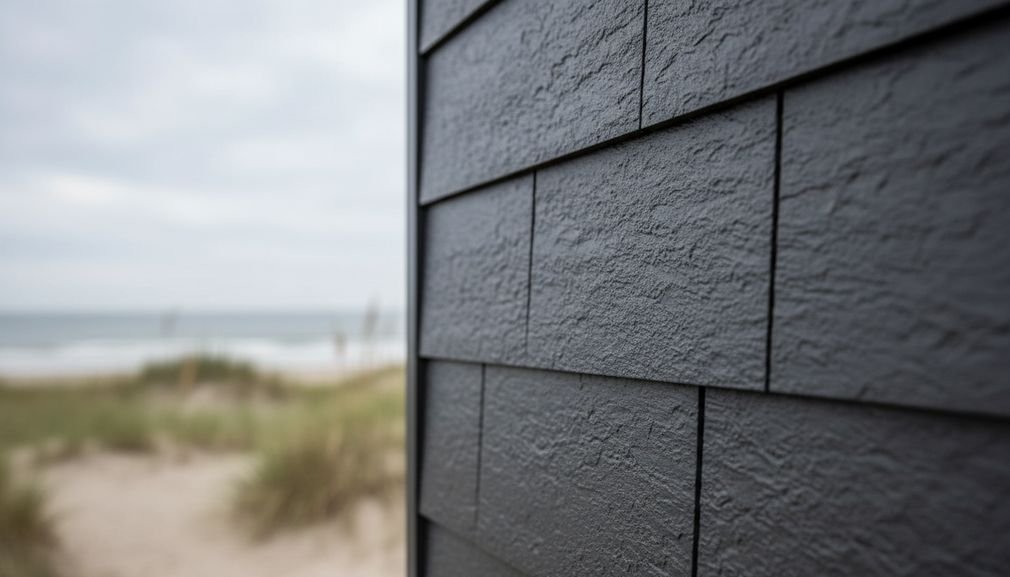
Choosing the right Storm-Hardened Siding is a critical financial decision for homeowners in high-risk weather zones, not just a cosmetic upgrade. It’s a strategic investment in resilience that protects your property, lowers long-term costs, and provides invaluable peace of mind when the forecast turns severe. This guide breaks down the data driven benefits to help you make a proactive choice that fortifies your home’s future and your finances.
Key Takeaways
- Storm-hardened siding is a proactive investment that can reduce homeowner’s insurance premiums by up to 15% and cut long term maintenance costs significantly.
- Materials like fiber cement offer superior protection, with certified wind resistance ratings exceeding 157 mph, equivalent to a Category 5 hurricane.
- While the initial cost is higher than standard options, the return on investment comes from reduced repair bills, lower insurance, and increased home resale value in storm prone regions.
- Fortifying Your Future: The Rising Need for Storm-Hardened Siding
- The Financial Shield: Maximizing Your ROI and Reducing Insurance Premiums
- Decoding Durability: A Head to Head Comparison of Leading Storm-Resistant Materials
- Beyond Wind and Hail: The Added Protection of Fire-Resistant Siding
- The Investment Breakdown: Understanding Costs and Long-Term Value
- Your Blueprint for Resilience: Choosing the Right Storm-Hardened Siding
- Conclusion: A Proactive Investment in Your Home’s Security
- Frequently Asked Questions About Storm-Hardened Siding
Fortifying Your Future: The Rising Need for Storm-Hardened Siding
For homeowners in coastal and hurricane prone regions, the question is no longer *if* severe weather will strike, but *when*. Recent data shows that extreme weather damaged 41% of homes, and over 60% of homeowners reported siding damage that led to a staggering USD 1 billion in repairs nationwide. Your home’s first line of defense against high winds, driving rain, and airborne debris is its exterior cladding. Standard siding simply isn’t engineered to withstand these escalating threats, often failing at the most critical moment. Investing in a professionally installed, impact resistant exterior is the most effective step you can take to harden your home’s shell, prevent catastrophic structural damage, and secure peace of mind for your family.
The Financial Shield: Maximizing Your ROI and Reducing Insurance Premiums
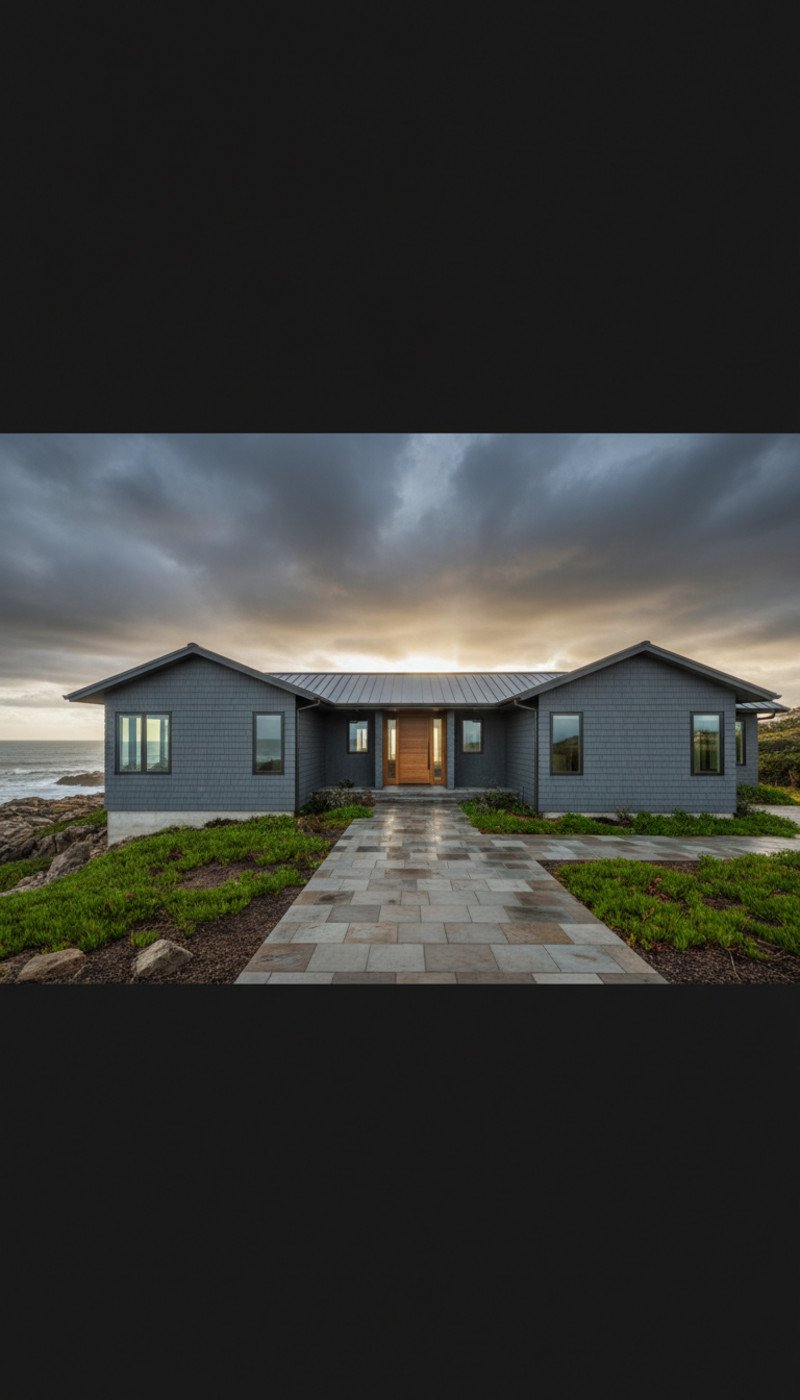
Beyond physical protection, certified storm-hardened siding acts as a powerful financial shield. Homeowners who make proactive upgrades often see a direct and significant reduction in their insurance premiums. Insurers reward resilience because it lowers their risk. For example, installing fiber cement siding can qualify a home for up to a 15% discount on insurance premiums due to its exceptional resistance to wind, hail, and fire, according to data from industry installation experts. This isn’t a one time saving; it’s a recurring annual benefit that directly offsets the initial investment.
The savings compound over time. A climate-resilient home wrap also dramatically reduces long term maintenance and repair costs. Materials like fiber cement and reinforced metal resist rot, pests, and warping, eliminating the need for frequent painting, sealing, or replacement of damaged boards. Some analyses show a maintenance cost reduction of up to 25% compared to traditional wood siding. These cumulative savings are a core component of the material’s total return on investment, making it one of the smartest energy efficient upgrades a homeowner can make.
Decoding Durability: A Head to Head Comparison of Leading Storm-Resistant Materials
Choosing the right material requires a clear understanding of performance metrics. Wind speed ratings, impact resistance, and lifespan are the key data points to consider when selecting a hurricane-proof cladding system. Not all “durable” siding is created equal, especially when facing hurricane force conditions. Here is a direct comparison of the leading material categories.
Fiber Cement: The Enduring Fortress
Fiber cement siding is widely regarded as the gold standard for storm resilience. Composed of cement, sand, and cellulose fibers, it is exceptionally dense and rigid. Top tier fiber cement products are engineered to withstand winds of 157+ mph, the equivalent of a Category 5 hurricane. Its robust composition also provides superior resistance to impacts from flying debris, a primary cause of structural failure during a storm. With a typical lifespan exceeding 50 years and minimal maintenance requirements, fiber cement provides a long term, fortress like protection that adds significant value, much like major kitchen remodel ideas boost a home’s appeal.
Reinforced Metal & Advanced Composites: Modern Fortification
Modern materials offer formidable protection with distinct advantages. Reinforced metal siding, typically made from heavy gauge steel or aluminum, boasts wind resistance ratings between 140 and 160 mph. Its primary benefit is its incredible strength and resistance to puncture from sharp projectiles. For coastal homeowners, choosing a product with a corrosion resistant coating is essential to ensure a long lifespan of 40 to 50 years. Advanced polymer composites are another excellent choice, offering wind resistance of 130-140 mph. This impact resistant exterior is engineered to resist denting from hail and debris, maintaining its aesthetic appearance even after a significant weather event. Their lifespan typically ranges from 30 to 50 years.
High-Density Vinyl: The Cost-Effective Defender
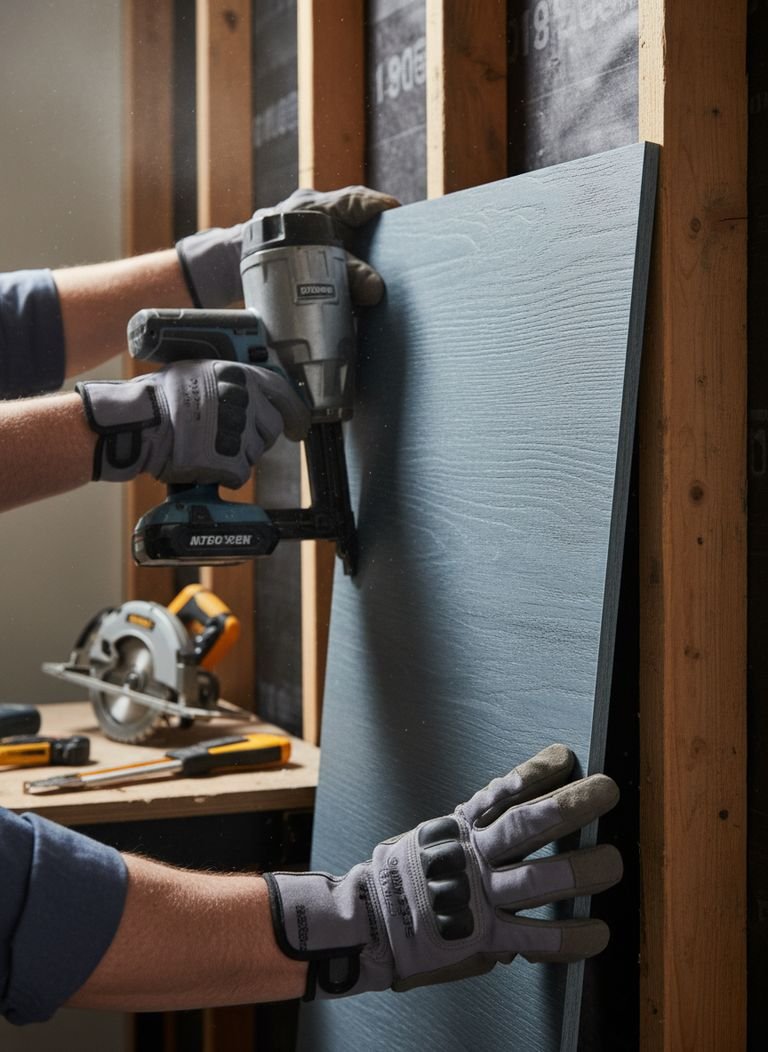
For homeowners seeking a balance of performance and affordability, high density (or “impact rated”) vinyl siding is a strong contender. It is significantly more robust than standard builder grade vinyl. This type of storm-hardened siding is thicker and often features a reinforced nail hem and locking system designed to prevent panels from detaching in high winds. Its wind resistance is rated for 110-130 mph, sufficient for many regions facing tropical storms and lower category hurricanes. While its impact resistance is lower than fiber cement or metal, it offers a 25 to 40 year lifespan with virtually no maintenance, making it a pragmatic and cost effective upgrade.
Beyond Wind and Hail: The Added Protection of Fire-Resistant Siding
An often overlooked but critical benefit of certain siding materials is fire resistance. In regions where wildfires are also a threat, choosing a non combustible material provides an essential additional layer of security. Fiber cement is a standout in this category, as it will not ignite when exposed to direct flame or radiant heat. This property not only helps protect your home but is also a factor that insurance companies consider when calculating premiums. As building codes evolve, materials with proven fire performance, such as those that meet future standards for non-combustible siding 2026, will become even more valuable. This is a key principle in holistic home protection, similar to how firescaping your property creates a defensible space.
The Investment Breakdown: Understanding Costs and Long-Term Value
A transparent look at costs is essential for making an informed decision. While storm-hardened siding has a higher upfront cost than standard materials, it is crucial to view it as a capital investment that pays dividends over the life of your home. The price varies by material, region, and the complexity of the installation. A smart renovation, whether it’s the siding or considering new bathroom remodel ideas, is always about balancing initial cost with long term value.
Here’s a breakdown of average installed costs per square foot for the leading options:
| Siding Material | Average Installed Cost (per sq. ft.) | Key Benefit |
|---|---|---|
| High-Density Vinyl | $4 – $8 | Most Affordable & Low Maintenance |
| Fiber Cement | $5 – $15 | Superior Wind/Impact/Fire Resistance |
| Reinforced Metal | $7 – $12 | Highest Strength & Puncture Resistance |
| Advanced Composite | $8 – $14 | Excellent Dent Resistance & Aesthetics |
It is important to note that installation costs also play a role. For example, vinyl siding installation is typically 24% less expensive than fiber cement, as cited by Ridgeline Construction. When weighing these costs, factor in the long-term savings from insurance discounts and avoided repairs to understand the true value of your chosen climate-resilient home wrap.
Your Blueprint for Resilience: Choosing the Right Storm-Hardened Siding
Making the final decision comes down to aligning your region’s specific risks with your budget and long term goals. For those in the highest velocity hurricane zones, the superior performance of fiber cement or reinforced metal provides the greatest level of protection. For homeowners in areas with moderate storm risk, high density vinyl can offer a significant and cost effective upgrade over standard materials. The strong market confidence in these products is clear; the global impact resistant siding market reached USD 22.8 billion in 2024, as reported by Growth Market Reports. This growth reflects a broader understanding among proactive homeowners that investing in a robust, impact resistant exterior is essential for protecting both their property and their financial well being. A resilient exterior allows you to fully enjoy your property, including your outdoor living space, with less worry.
Conclusion: A Proactive Investment in Your Home’s Security
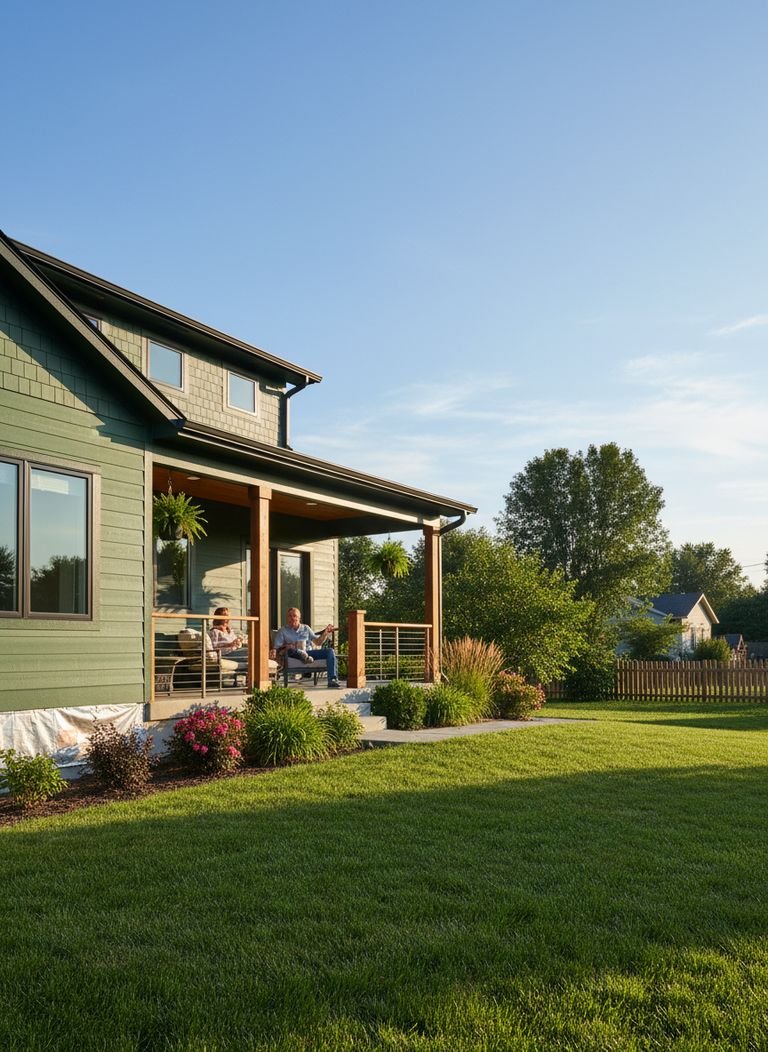
Ultimately, selecting the best siding for your home is about shifting from a reactive to a proactive mindset. Instead of budgeting for inevitable repairs after a storm, you are investing upfront in a solution that minimizes or eliminates that damage altogether. This strategic upgrade provides tangible returns through lower insurance costs, reduced maintenance, and enhanced property value.
By carefully evaluating the performance data and aligning it with your financial goals, you can choose the right Storm-Hardened Siding to serve as a durable shield for decades to come. Ready to protect your investment? Contact a certified siding professional in your area to get a detailed assessment and quote for your home.
Frequently Asked Questions About Storm-Hardened Siding
What is the single most durable storm-hardened siding material?
Based on certified testing, fiber cement siding is generally considered the most durable option for its combined high resistance to wind (157+ mph), impact from debris, water, pests, and fire. Reinforced metal is a very close second, particularly for puncture resistance.
Can I get insurance discounts for any type of storm-resistant siding?
Not automatically. Insurance discounts are typically tied to specific certifications and performance ratings. You must choose a product with a documented wind and/or impact rating that your insurance carrier recognizes. Always consult with your agent before making a final decision to confirm which materials qualify for discounts in your policy.
Is reinforced metal siding a good choice for coastal homes?
Yes, it is an excellent choice, provided you select a product specifically designed for coastal environments. Look for heavy gauge steel or aluminum with a factory applied, corrosion resistant coating (like Kynar 500) to protect against salt spray and moisture, ensuring its long term durability.
How does storm-hardened siding impact my home’s resale value?
It has a significant positive impact, especially in storm prone regions. A home with certified storm hardened siding is a major selling point for buyers, as it represents lower insurance costs, reduced maintenance, and greater safety. It signals that the home is well maintained and fortified against local environmental risks.
What’s the difference between regular vinyl and high-density storm-rated vinyl?
The key differences are thickness, rigidity, and the attachment system. Storm rated vinyl is significantly thicker, less flexible, and often features a rolled or reinforced nail hem. It also uses a more robust locking design between panels to prevent them from separating and blowing off in high winds.