

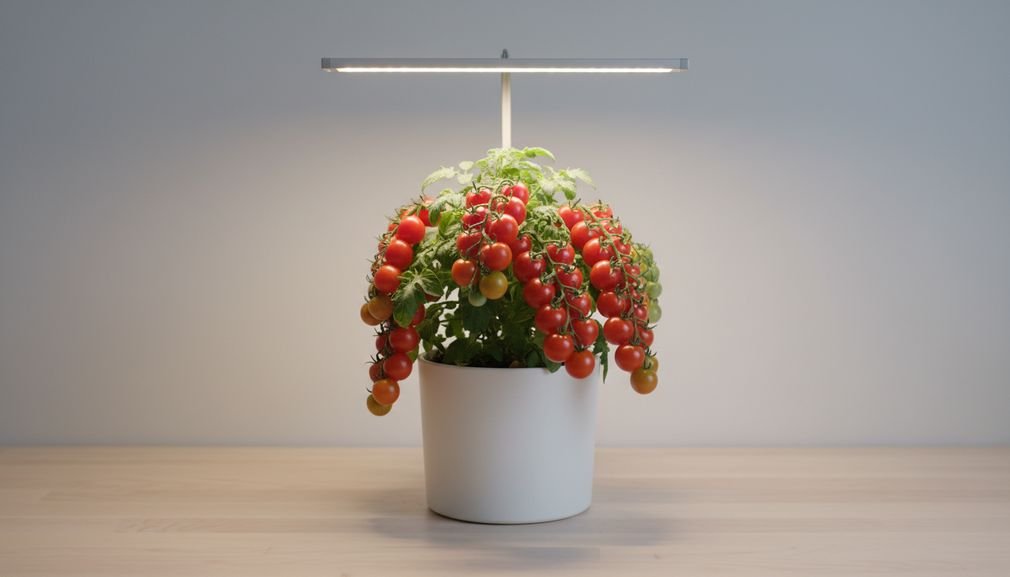
Growing your own Tabletop Vegetables is an achievable goal for any urban dweller, but understanding the true costs and realistic outcomes is crucial before you start. This guide cuts through the hype to give you a transparent look at the initial investment, ongoing expenses, and what you can genuinely expect to harvest from your small indoor garden.
Key Takeaways
- Initial Investment: Expect to spend between $135 and $300 to properly set up a productive 2×2 foot tabletop garden, with grow lights being a significant portion of the cost.
- Monthly Costs are Low: Ongoing expenses are manageable, typically ranging from $12 to $32 per month, primarily for electricity to power your grow light and occasional nutrient replenishment.
- Year One ROI is Unlikely: Do not start an indoor garden to save money in the first year. The initial setup cost almost always exceeds the value of your harvest. View it as a rewarding hobby that pays dividends in freshness and satisfaction, with financial returns building in subsequent years.
- The Real Cost of Starting Your Indoor Edible Garden
- Realistic Yields and the Return on Your Green Investment
- Getting Started: Your Actionable Setup Guide
- Common Pitfalls and How to Avoid Them
- Is Growing Tabletop Vegetables Worth It?
- Frequently Asked Questions
The Real Cost of Starting Your Indoor Edible Garden
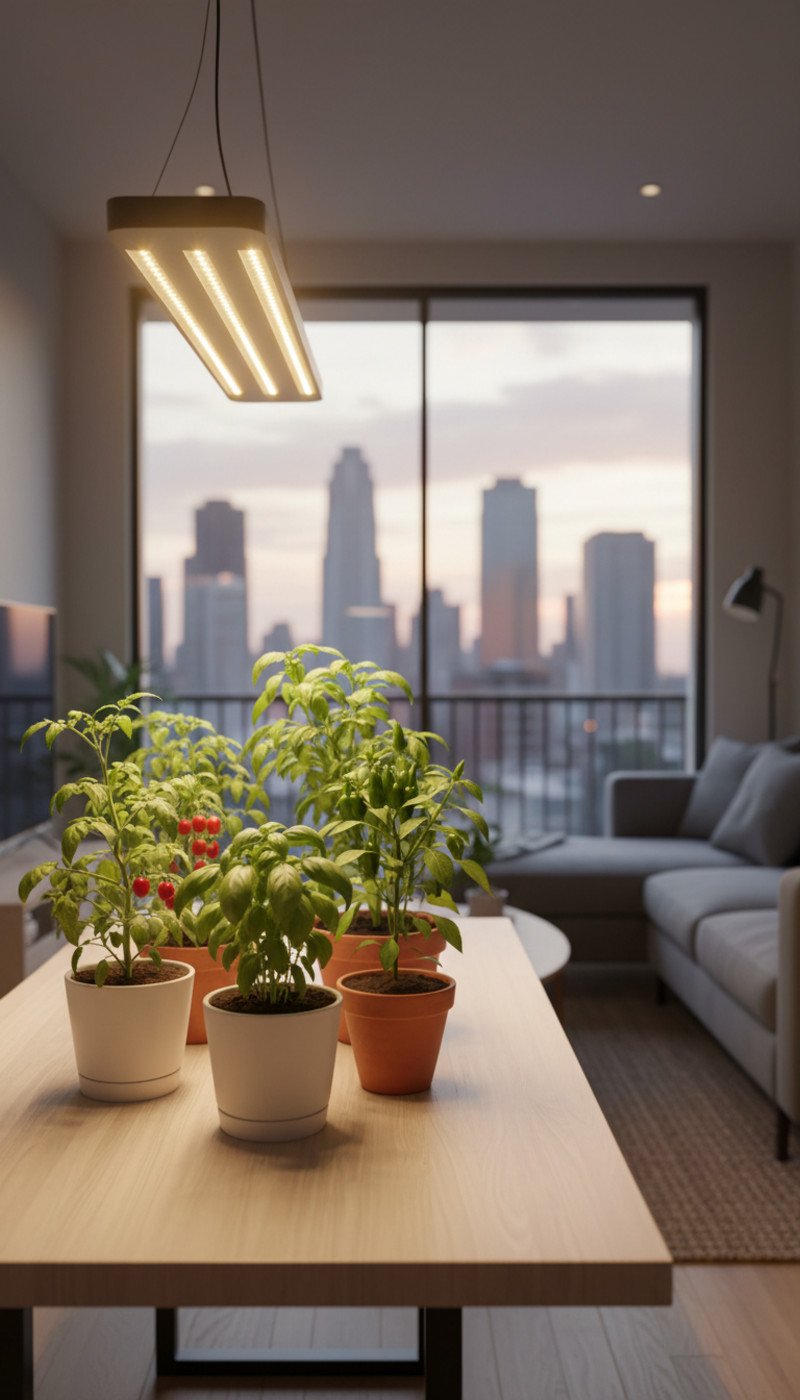
Embarking on your indoor gardening journey begins with a clear understanding of the financial commitment. Forget vague estimates; let’s talk real numbers. For a beginner setting up a productive 2×2 foot space dedicated to tabletop vegetables, the initial investment is not trivial. A beginner’s 2×2 foot indoor tabletop vegetable garden typically requires an initial investment ranging from $135–$300. This range accounts for budget friendly DIY approaches versus more convenient, all in one kits. This upfront cost covers everything you need to transform a small corner of your apartment into a productive source of fresh greens and herbs.
Breaking Down the Initial Expenses (Seeds, Pots, Lights & More)
Your total setup cost is a sum of several essential parts. While you can find savings in certain areas, some components, like lighting, are critical for success. According to a detailed cost analysis, the initial investment components include: Seeds/starts ($10–$50), Pots/containers ($40–$70), Soil/potting mix ($20–$40), Grow lights ($50–$100), Nutrients/fertilizer ($5–$20), and Basic pest control ($10–$20). Let’s break that down:
- Seeds and Starts ($10 – $50): This is where the fun begins. You can buy packets of seeds for things like lettuce, herbs, or even specific dwarf tomato varieties. Alternatively, buying young plants (starts) gives you a head start. The higher end of this range includes seed starting trays and mix.
- Pots and Containers ($40 – $70): Self watering planters are a fantastic option for beginners as they reduce the risk of over or under watering. You can find significant savings here by repurposing containers you already own, but a good quality windowsill veggie kit can make life easier.
- Soil and Potting Mix ($20 – $40): Never use soil from your backyard. A quality sterile potting mix is essential to prevent pests and provide the right drainage and aeration for your compact edibles.
- Grow Lights ($50 – $100): This is the most important piece of equipment. A sunny windowsill is rarely enough for fruiting vegetables indoors. A 100W full spectrum LED light is a solid starting point that won’t break the bank, a fact supported by indoor gardening experts like those at Bountiful Indoor Garden.
- Nutrients and Pest Control ($15 – $40): Your plants will need food. A simple all purpose liquid fertilizer is sufficient to start. For pest control, a bottle of neem oil is a great, organic first line of defense.
Understanding Your Ongoing Monthly Gardening Costs
Once you are set up, the recurring costs are quite modest. Your main expense will be electricity for the grow light. The typical monthly recurring cost for an indoor tabletop vegetable garden is estimated at $12–$32. Running a 100W LED light for 12 to 16 hours a day will add roughly $12 to $15 to your monthly utility bill, depending on local rates. The rest of the cost comes from occasionally replenishing your nutrients or soil for new plantings. These costs are minimal for a small setup of Compact Edibles, making the monthly commitment very manageable for most budgets.
Realistic Yields and the Return on Your Green Investment
It’s vital to set realistic expectations about what you’ll harvest and whether it will save you money. The primary return on investment for indoor gardening is freshness, flavor, and the satisfaction of growing your own food. Financially, the picture is more complex. Research shows that for a dedicated urban gardener, year one often shows a negative return on investment (e.g., a $742 investment vs. produce value less than cost), with ROI typically building in subsequent years. This example from a larger outdoor garden highlights a key principle: the initial gear cost is a hurdle that takes time to overcome. Your equipment will last for years, so the ROI improves dramatically after the first season when your only costs are monthly utilities and supplies.
What to Expect: Harvests from Your Compact Edibles
So what can you actually grow? Specific yield data for indoor tabletop vegetables is limited, as it varies wildly based on plant type, light intensity, and grower skill. However, we can set expectations. Do not expect to replace your grocery store produce aisle with a 2×2 foot garden. Instead, think of it as a source for high value, ultra fresh items. You can have a continuous supply of fresh herbs, daily salad greens, or a handful of cherry tomatoes every week. For context, one documented outdoor first year garden yielded 114 lbs total. Your indoor setup of Compact Edibles will be a tiny fraction of this, but what it produces will be steps from your kitchen and harvested at peak ripeness. The goal is quality and convenience, not bulk quantity.
Getting Started: Your Actionable Setup Guide
Ready to build your garden? This process is straightforward and can be completed in an afternoon. Follow these steps to ensure a successful start.
Step 1: Choose Your Spot. Find a stable, level surface that is out of the way of heavy foot traffic. Proximity to a power outlet is essential for your grow light. While natural light is a bonus, your grow light will do the heavy lifting, so a dark corner can work perfectly well. This is a key first step before you even think about containers or seeds.
Step 2: Assemble Your Equipment. Set up your grow light first, ensuring it can be raised or lowered as your plants grow. Fill your containers with your potting mix, leaving about an inch of space at the top. Moisten the soil lightly before planting.
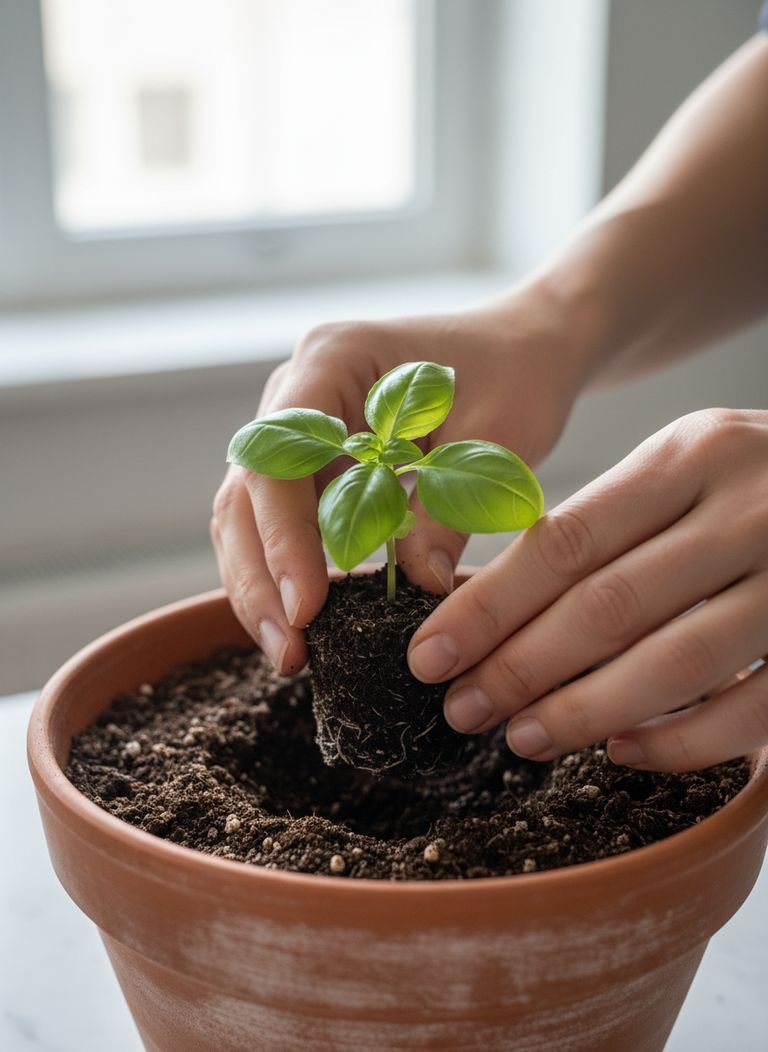
Step 3: Plant Your Seeds or Starts. Follow the depth instructions on your seed packet. A good rule of thumb is to plant a seed about twice as deep as it is wide. If you are using starter plants, gently loosen the root ball before placing it in its new container and backfilling with soil. Water them in gently.
Step 4: Set Up a Routine. Consistency is key. Set your grow light on a timer for 14 to 16 hours a day. Check your soil moisture every other day by sticking your finger an inch deep. Water only when the soil feels dry at that depth. This simple routine will prevent the most common beginner mistakes. For those looking for more advanced small space solutions, exploring concepts like Botanical Bento modular garden kits can provide inspiration for maximizing tiny areas.
Common Pitfalls and How to Avoid Them
While growing tabletop vegetables is rewarding, new gardeners often face a few common challenges. Awareness is the first step to avoiding them. Even if you are an expert at managing light with smart window blinds, indoor plants have unique needs.
1. Overwatering. This is the number one killer of indoor plants. Roots need oxygen, and waterlogged soil suffocates them, leading to root rot.
Solution: Use pots with excellent drainage. Always check the soil moisture before watering. It’s better to be a day late with water than a day early.
2. Inadequate Light. Plants that do not get enough intense light will become “leggy,” meaning they are tall and spindly with few leaves. They will not have the energy to produce fruit.
Solution: Invest in a quality grow light and position it close to your plants, typically 6 to 12 inches above the canopy. Do not rely on a sunny window alone.
3. Pests. Indoor gardens are not immune to pests. Fungus gnats (tiny flies around the soil) and spider mites are common annoyances. Careful management is essential for creating a healthy, pet-ready home free of unwanted critters.
Solution: Inspect your plants regularly, especially the undersides of leaves. Avoid overwatering to discourage fungus gnats. A preventative spray of neem oil every few weeks can deter many pests.
4. Choosing the Wrong Plants. Trying to grow a full size beefsteak tomato or a sprawling zucchini plant in a small pot is a recipe for disappointment.
Solution: Stick to varieties bred for container gardening. Look for terms like “dwarf,” “patio,” “compact,” or “determinate.” Focusing on high value crops like herbs and greens is also a great strategy. You can even apply principles from outdoor gardening, like using Keystone Plantings to guide your selection toward productive and beneficial varieties.
Is Growing Tabletop Vegetables Worth It?
After reviewing the costs and realistic yields, the answer depends entirely on your goals. If your primary goal is to save money on groceries, you will likely be disappointed in your first year. The initial investment in equipment outweighs the value of the produce you will harvest. However, if your goal is to enjoy the freshest possible herbs and greens, learn a new skill, and add a touch of living nature to your urban home, then it is absolutely worth it. Many people find their garden becomes a centerpiece, influencing their kitchen remodel ideas or living room layout.
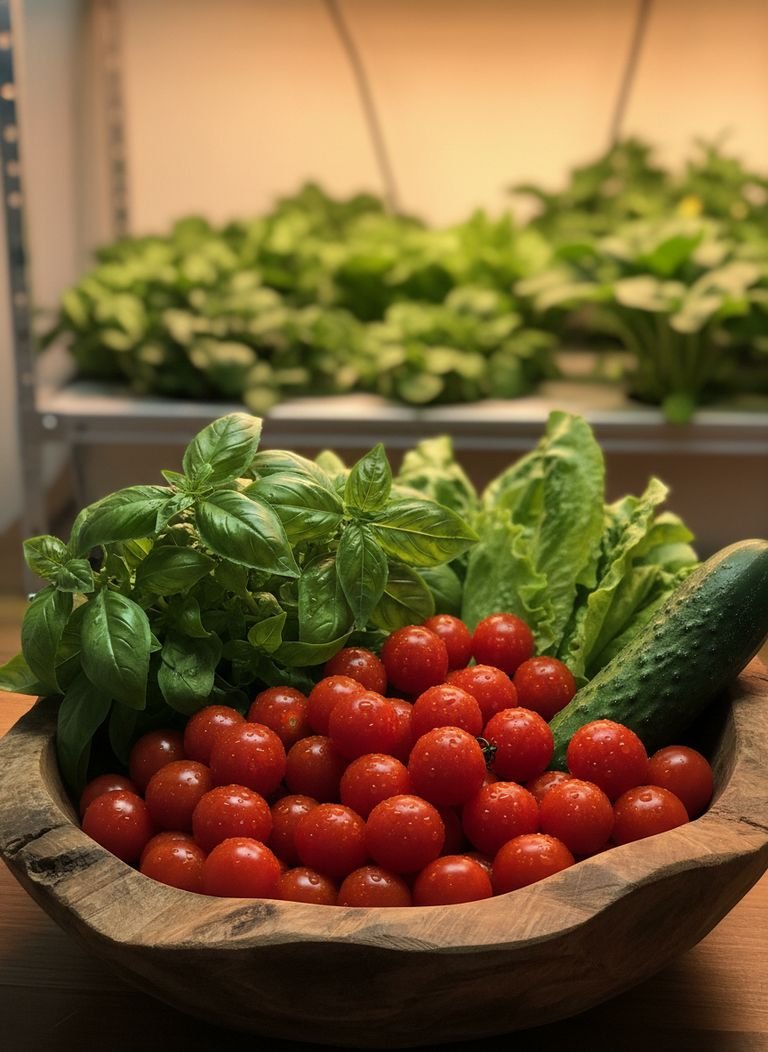
Ultimately, growing Tabletop Vegetables is about the experience: the taste of a tomato picked moments before eating, the convenience of fresh basil for your pasta, and the simple joy of watching something grow. It is a rewarding hobby that connects you to your food in a way that buying from a store never can.
Ready to start? Begin by choosing a quality grow light and a few packets of seeds. That first step is the biggest one you will take on your indoor gardening journey.
Frequently Asked Questions
Can I really grow vegetables with just a windowsill?
For most vegetables, especially fruiting ones like tomatoes or peppers, a windowsill alone does not provide enough direct, intense light. You might have some success with low light tolerant herbs, but a dedicated LED grow light is highly recommended for productive and healthy plants.
What are the easiest tabletop vegetables for a total beginner?
The best plants for beginners are fast growing leafy greens and herbs. Try loose leaf lettuce, spinach, basil, mint, and chives. Microgreens are also incredibly easy and can be harvested in just one to two weeks.
How much time does a tabletop garden require per week?
Once set up, a small tabletop garden is very low maintenance. Expect to spend about 15 to 30 minutes per week. This includes checking soil moisture, watering when needed, and inspecting your plants for any issues. It is a very manageable time commitment.
Is a hydroponic system better than soil for tabletop vegetables?
It depends on your preference. Hydroponics (growing in water) can lead to faster growth and can be less messy than soil. However, it often has a higher initial cost and a steeper learning curve related to managing nutrient solutions. Soil is more forgiving for beginners and has a lower startup cost.
Will my electricity bill go up a lot?
No. Based on data for a typical 100W LED grow light, you can expect a modest increase of about $12 to $15 per month on your electricity bill when running the light for a full 14 to 16 hour cycle each day. It is one of the most predictable ongoing costs.