

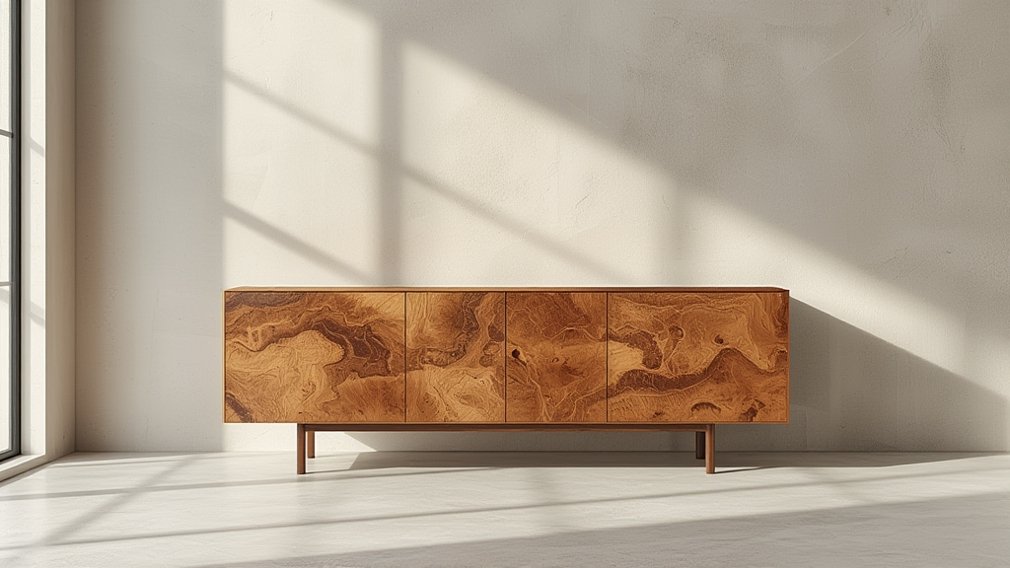
Burl wood furniture is making a dramatic comeback in high-end interiors, capturing attention for its one-of-a-kind swirling patterns and unmatched natural artistry.
Key Takeaways
- Burl wood furniture stands out for its unique, swirling grain patterns and rarity, offering true visual impact compared to standard wood furniture.
- Prices are driven by scarcity, craftsmanship, and the extraordinary character of each piece, making large solid items especially expensive.
- Ethical sourcing and sustainability concerns remain relatively unaddressed in the industry, so buyers need to ask careful questions about provenance.
- What Makes Burl Wood Furniture Special?
- Step-by-Step Guide: How to Buy Burl Wood Furniture
- Advanced Analysis & Common Pitfalls
- Conclusion
- FAQ
What Makes Burl Wood Furniture Special?
Burl wood furniture is crafted from unusual growths—called burls—that form in certain trees like poplar, maple, and oak. Each burl produces wood with unpredictable, intensely swirling grain and a depth you can’t replicate with other species. No two pieces are ever alike.
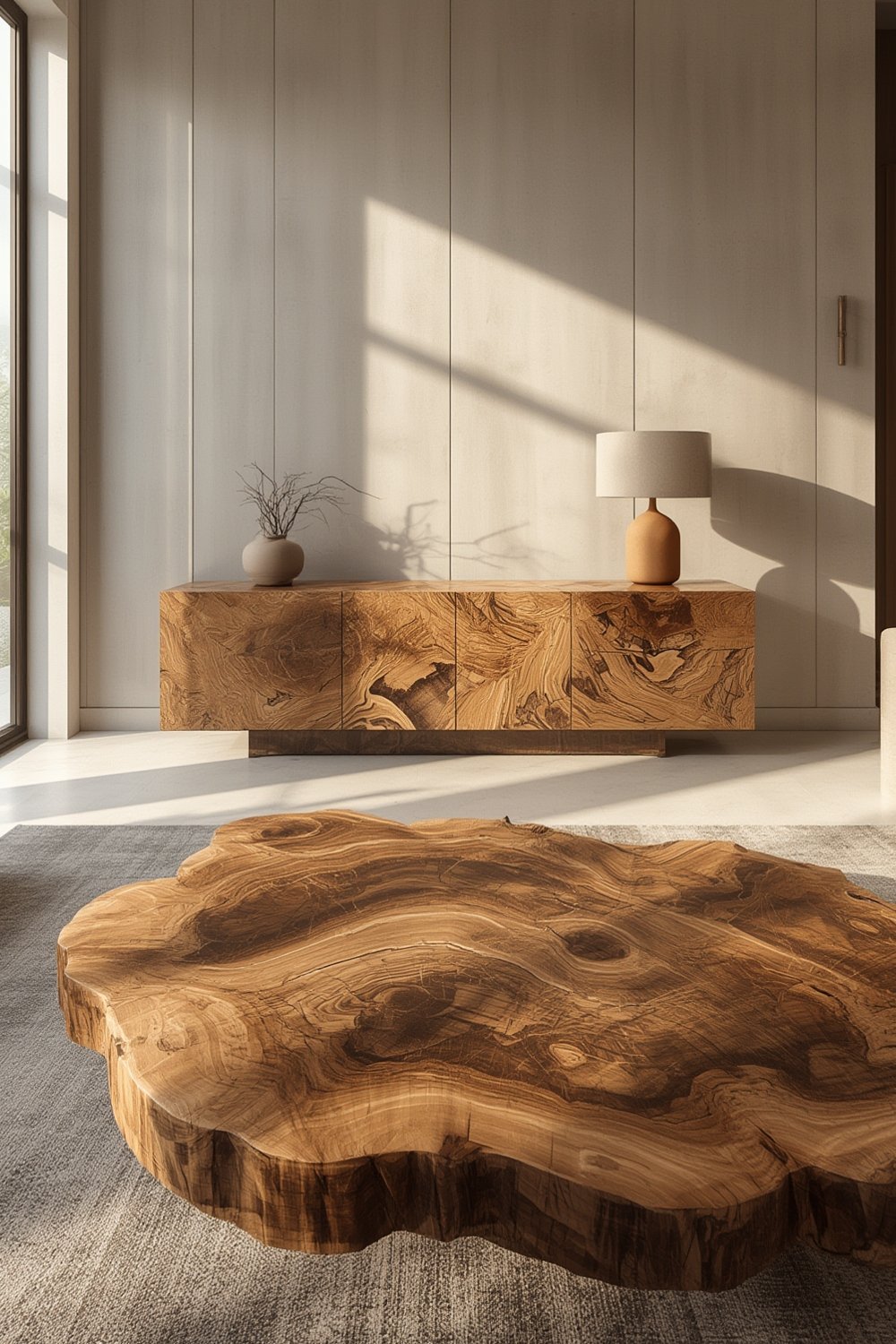
While traditional hardwoods like walnut, cherry, or even live edge slabs are popular for their regularity and warmth, burl wood offers instant drama, conversation value, and rare sophistication. Collectors and interior designers liken fine burl furniture to organic sculpture or “nature’s art,” easily anchoring a living room or entryway with a statement.
Unlike standard furniture, burl wood sideboards, coffee tables, and cabinets are often treated as investment pieces. Some standout technical features include:
- Grain Complexity: Swirls, “eyes,” deep figure, 3D effects
- Species Matters: Mappa (Poplar) burl has bold eye marks; Maple burl gives golden clouds; European Oak burl brings complex texture
- Craftsmanship: Veneers are common on large items due to the scarcity and density of solid burl; expert finishing maximizes luster
Compared to more widely available live edge or solid woods, burl wood sits at the very top of the organic luxury furniture market.
To learn more about how to combine unique pieces with practical planning, see our Home Depot and At Home Shopping Guide.
Step-by-Step Guide: How to Buy Burl Wood Furniture
-
Decide Where You’ll Place the Piece
Measure your space and consider whether you want a focal point, like a coffee table, sideboard, or console. Burl visually anchors a room, so plan for it to command attention.
-
Choose the Burl Species and Color
Poplar (Mappa) burl delivers light tan and gray backgrounds with dark eyes—dramatic for panels. Maple burl offers creamy or golden swirls and is easier to carve. European Oak burl is rare, dark brown, and excellent for rustic-modern themes.
-
Review Construction and Craftsmanship
Large pieces are almost always made with burl veneer on a hardwood core, as solid burls rarely come in large enough sizes. Check for symmetrically matched patterns, seamless corners, and high-quality finishing—these indicate skilled workmanship.
-
Evaluate Authenticity and Provenance
Ask the supplier directly about where their burl wood comes from, as sustainability and ethical sourcing remain vague across the industry. Look for any certificates or documented provenance, especially with European oak or walnut.
-
Set a Realistic Budget
Pricing varies based on species rarity, size, finish, and construction method. Expect burl wood coffee tables or sideboards to be significantly pricier than similar live edge or solid wood items due to the labor and uniqueness involved.
For more on how to compare furniture pricing and quality, review our guide: Choosing Between Ashley Furniture and Bob’s Near Me.
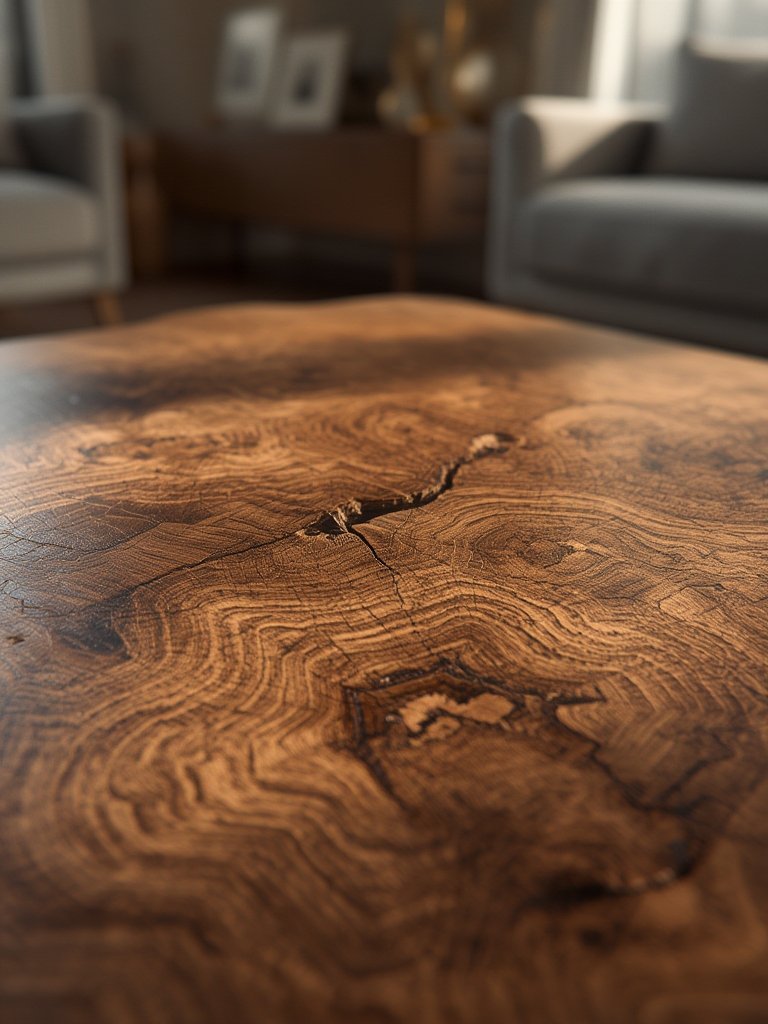
Last, always inspect the finish: satin or glossy surfaces highlight the grain best, while matte finishes may subdue some of burl’s natural intrigue. For homes with pets, consult the Healthy Pet-Ready Living Guide for advice on combining statement wood with scratch- or stain-resistant surfaces.
Check for irregularities or mismatched veneers—these may indicate shortcuts in the manufacturing process, affecting longevity and the value of your investment.
Advanced Analysis & Common Pitfalls
Despite its aesthetic appeal, burl wood furniture comes with unique considerations. Rarity and complicated grain present both technical benefits and challenges you won’t find with standard hardwoods.
- High Cost & Sourcing Challenge: Burl wood is rare by nature, and large solid pieces are extremely expensive or nearly impossible to find. This is why top makers use real veneer for larger items.
- Heavy and Dense: Solid burl, where used, is much heavier than standard wood—making furniture harder to move and requiring strong internal supports.
- Maintenance Realities: While there are no widespread consumer complaints about durability, the intricate grain may demand gentle, specialty cleaning and finish maintenance.
Let’s look at how burl wood compares to other popular luxury woods:
| Wood Type | Appearance | Availability | Cost | Common Uses |
|---|---|---|---|---|
| Burl Wood | Dramatic, swirling, unique | Rare | Very High | Statement furniture, luxury panels |
| Live Edge Wood | Natural shapes, visible edges | More common | Moderate | Tables, shelves |
| Solid Hardwood | Uniform grain | Common | Moderate to High | Furniture, cabinets |
Another key issue is sustainability. Major retailers rarely address forest management or provide certification for burl wood. This raises the potential for overharvesting, especially with slow-growing or European oak burls. If sustainability is a priority, don’t hesitate to ask your supplier about sourcing details. See further discussion about sustainability upgrades in our Energy Efficient Upgrades Guide.
For renters or those looking to maximize ROI, read our Kitchen Remodel Ideas Guide to see how to blend statement pieces with practical renovations.
Conclusion
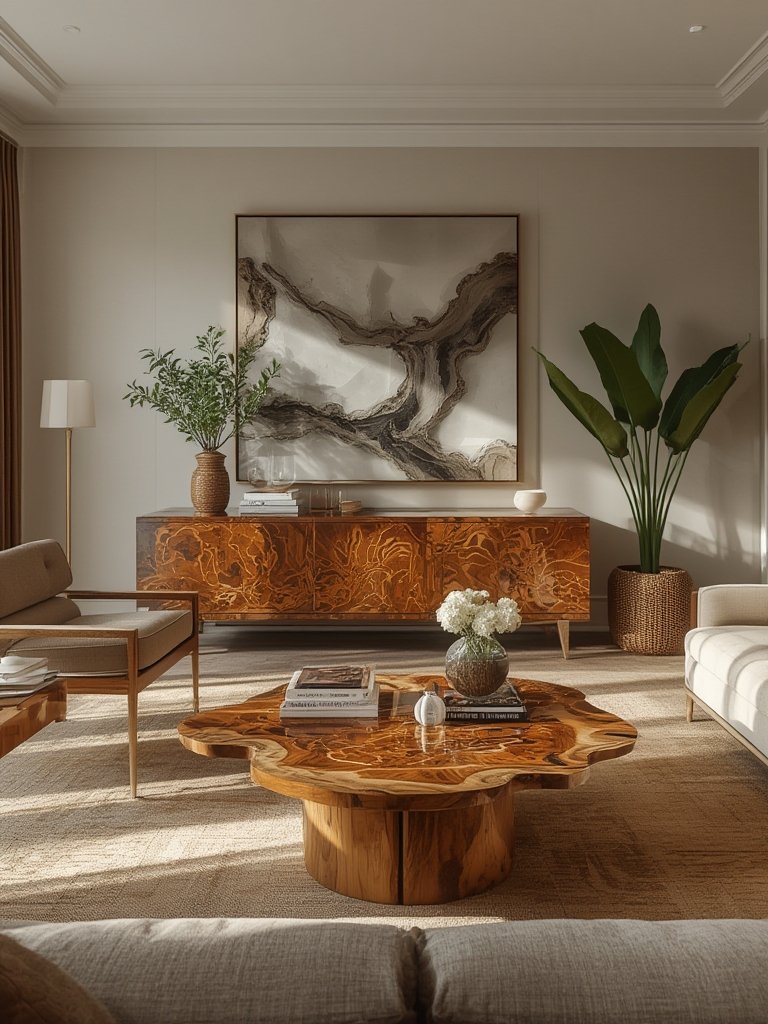
Burl wood furniture transforms everyday living spaces with its bold, naturally intricate beauty. Buyers are drawn by the rarity, craftsmanship, and unrivaled drama these pieces deliver. However, costs can be steep, and sustainability remains an open question you’ll need to address directly with sellers.
Explore supplier options, don’t be afraid to hunt for vintage or well-made veneered items, and always ask about provenance and care. Choosing burl wood furniture is an investment in a living work of art—make your decision an informed one.
Ready to make a statement? Shop vintage, compare dealers, and demand clear answers about origin before investing. For more tips on smart home upgrades and stylish choices, check out our Outdoor Living Space Planning Guide.
FAQ
What is burl wood, and why is it so expensive?
Burl wood comes from rare, abnormal growths on certain trees. The unpredictable, swirling grain and limited supply drive up costs, especially for large pieces or rare species like European oak or walnut.
Is burl wood furniture durable?
Yes. When properly constructed and finished, burl wood veneers over hardwood cores are durable and stable. Solid burl is dense and strong but heavy. Avoid exposure to excess humidity or rough cleaning.
How can I tell if a piece of burl wood furniture is real?
Look for deep, complex grain with unpredictable patterns—no two pieces look exactly alike. Ask the seller about the species, where it was sourced, and how it’s constructed (solid burl or veneer).
Are there eco-friendly or sustainable burl wood options?
Most suppliers do not clearly certify their burl wood sourcing. If sustainability matters to you, ask about documented provenance, recycled burls, or check for third-party certification.
Does burl wood furniture require special maintenance?
Use gentle, non-abrasive cleaners, and keep surfaces dry. Avoid direct sunlight and sudden temperature changes to prevent finish damage. Regular dusting and occasional polish will keep the grain looking its best.