

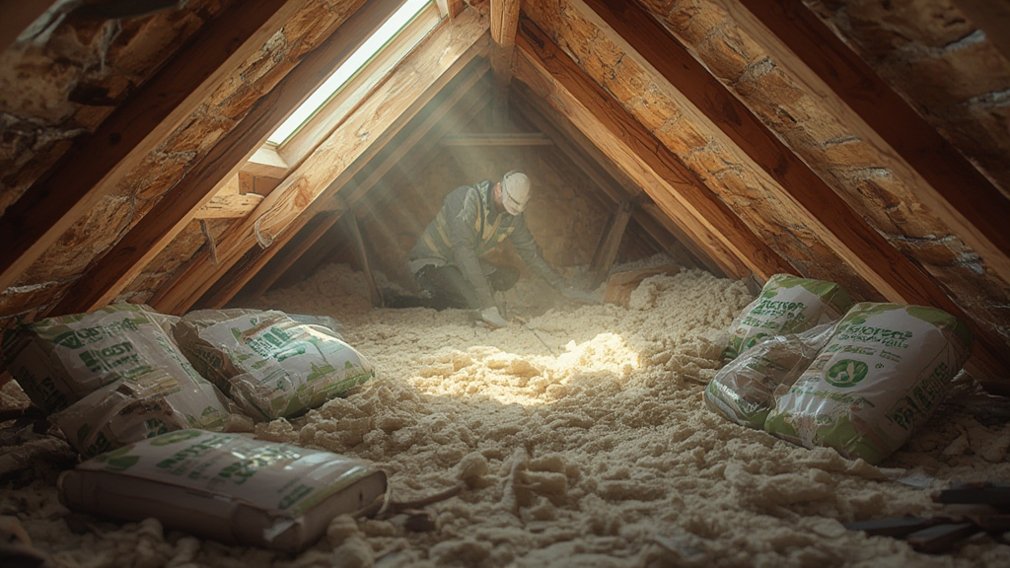
Energy efficient upgrades are no longer just a trend—they’re a practical way homeowners can cut costs, reduce energy use, and build healthier, more sustainable homes.
Key Takeaways
- Energy efficient upgrades often come with higher upfront costs but can deliver significant long-term savings and comfort.
- Sourcing recycled materials is challenging due to inconsistent supply, quality issues, and higher processing costs.
- There is a lack of up-to-date government incentives information for 2024, making careful planning and independent research essential.
- What Are Energy Efficient Upgrades?
- How to Plan and Execute Energy Efficient Upgrades
- Real-World Pitfalls and Advanced Insights
- Conclusion
- Frequently Asked Questions
What Are Energy Efficient Upgrades?
Energy efficient upgrades are targeted improvements in your home that aim to lower utility bills and reduce waste. These can include installing better insulation, using low VOC (volatile organic compounds) paint, or choosing products made from recycled materials. The purpose? Reduced energy consumption, healthier indoor air quality, and a smaller environmental footprint.

Why pursue energy efficient upgrades now? Energy costs remain unpredictable, environmental standards keep tightening, and many new products promise superior performance and reduced emissions. A few simple changes, such as updated insulation or eco-friendly paint, can also make your home more comfortable throughout the year. While the upfront price often feels steep, the savings over time—especially with smart planning—make these investments pay off. Plus, using recycled materials and low VOC products supports both the planet and family health.
If you’re shopping around for materials or planning a project, careful coordination is crucial. For guidance on how to plan and combine your home improvement shopping, see this Home Depot and At Home planning guide for practical tips on cost control and efficiency.
How to Plan and Execute Energy Efficient Upgrades
Ready to start? Here’s how to approach energy efficient upgrades for maximum impact, minimal stress, and real savings.
- Identify Your Priorities and Set a Budget
- Begin with your biggest pain points: drafty rooms, high bills, or outdated finishes.
- Set a realistic budget that includes a 15 percent buffer for surprises.
- Research Materials and Brands
- Compare the latest products for insulation, low VOC paints, and recycled materials.
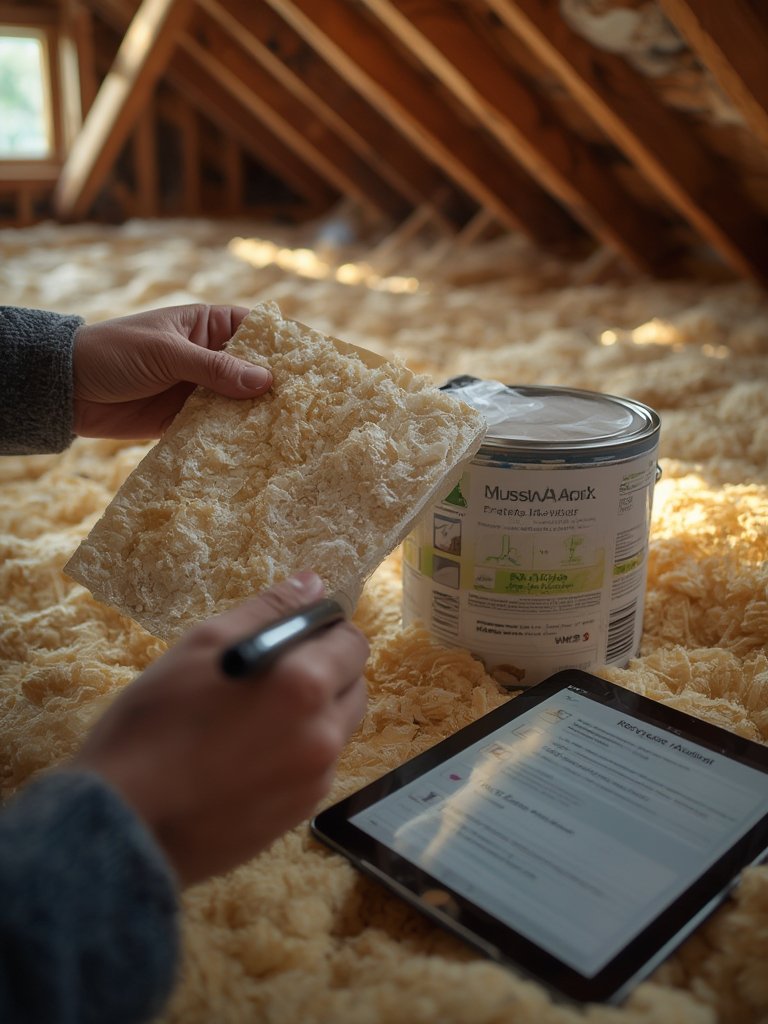
- Focus on third-party certifications (like GREENGUARD for paints or recycled content labels for insulation).
- Source Materials with Care
- Expect delays and higher upfront costs when choosing recycled options.
- Always inspect for quality and ask for material data sheets.
- Be aware: Some retailers, like Home Depot, may offer recycled options—but supply is often inconsistent.
- Hire Reputable, Sustainability-Minded Contractors
- Ask direct questions about experience with eco-friendly products.
- Request photos of past projects and references who specifically did energy efficient upgrades.
- Be wary: Some contractors may push “green” materials that don’t meet standards—always check documentation.
- Schedule the Work and Monitor Progress
- Coordinate deliveries closely to avoid supply chain delays. Use digital project management tools for better tracking.
- Regularly inspect for quality, especially with recycled materials—watch for inconsistencies or contamination.
- Inspect and Document Results
- After completion, use utility statements and temperature checks to measure success.
- Take photos and keep all product documentation—even minor upgrades can boost future home value documentation.
For more on integrating upgrades that boost value, see these smart kitchen remodel ideas, and the smart window blinds guide on energy savings through window treatments.
Want a healthy and welcoming space for pets too? Review the Healthy Pet-Ready Living Guide for tips on safe, energy-smart upgrades.
Real-World Pitfalls and Advanced Insights
While energy efficient upgrades sound promising, the reality can be more complicated. Here’s what research and real projects reveal.
Common Pitfalls and Complaints
- Inconsistent Supply of Recycled Materials: Recycled Insulation or reclaimed components may be unavailable when needed, leading to costly delays. Some batches don’t meet quality standards and require extra testing (source).
- Higher Upfront Costs: Recycled materials can cost more than virgin ones due to processing requirements and supply chain snags (source).
- Lack of Real-Time Monitoring: There’s little homeowner guidance on how to track actual improvements in energy savings during and after upgrades. Most results rely on estimated, not measured, data.
- Contractor Experience: Not all contractors have experience with sustainable installs, and rushed jobs can lead to underperforming systems.
- Lack of Incentives: As of 2024, there’s little concrete data on available incentives or rebates, so homeowners must do their own research or risk missing out (source).
Comparison Table: Recycled Materials vs. Traditional Options
| Feature | Recycled Insulation | Traditional Insulation |
|---|---|---|
| Upfront Cost | Higher (processing, supply issues) | Lower, stable pricing |
| Energy Savings Potential | High if quality is good | Consistent performance |
| Supply/Availability | Variable; subject to shortages | Widely available |
| Certifications | Check for reliable third-party labels | Standard, well-recognized |
| Risk of Delays | Higher (due to sourcing and quality)\ | Lower |
For a deep dive on sourcing sustainable materials, see this peer-reviewed assessment of recycled home materials.
Still unsure how upgrades fit with your life? For broader furniture or decor planning, check these tips for choosing between Ashley Furniture or Bob’s.
Conclusion
Energy efficient upgrades are a powerful way to reduce utility costs, promote healthy living, and support environmental goals. While there are real-world obstacles—higher initial costs, supply challenges, and limited contractor experience—careful planning and knowledge can make these upgrades worthwhile. No matter which materials you choose, prioritize documented quality and steady monitoring to ensure real savings. Ready to explore energy efficient upgrades for your home? Start with a clear plan and tap into both local resources and expert guides to make each dollar count.
For more guidance and up-to-date home improvement tips, browse our proven guides or get in touch for personalized advice today.
Frequently Asked Questions
How much money can I expect to save by making energy efficient upgrades?
While exact figures vary, most homeowners see reductions in utility bills after upgrades like insulation and better windows. Payback periods vary based on the quality and type of materials used. Detailed ROI data for 2024 is currently limited, so track your usage before and after to measure real savings.
Are recycled materials as reliable as new materials for home upgrades?
Recycled materials can match or sometimes exceed the performance of virgin materials. However, sourcing high-quality batches is challenging, and some recycled products may need extra testing to verify durability and safety. Always check for certifications.
What are the biggest risks when upgrading an older home for energy efficiency?
Supply inconsistencies, unexpected costs, and limited access to contractors skilled in sustainable practices are common. It’s smart to plan for delays and have backup options if your preferred materials are unavailable.
Can energy efficient upgrades increase my home’s value?
Potentially, yes. Features like upgraded insulation, energy-saving windows, and non-toxic finishes appeal to buyers and may speed up a sale, even if the exact value boost is hard to measure.
Do government rebates or tax credits help offset the cost in 2024?
As of now, there’s no specific, widely available information on new rebates or credits for 2024. Policy support varies by location, so check your local state or utility websites for updates.