

### Blog Post:
Insect-Based Pet Food is rapidly gaining attention as a sustainable, nutritious, and hypoallergenic choice for modern pet owners—but is it truly worth the hype, or just a fleeting trend? This article dives into what makes insect protein unique, the real market numbers, environmental promises, and actionable steps for choosing (or avoiding) insect-based diets for your pets.
Key Takeaways
- The insect-based pet food market is booming, with dog foods and cricket protein dominating sales.
- Environmental claims focus on sustainability, but exact data on water, land, or carbon savings is lacking compared to traditional meats.
- Major information gaps exist in pricing, direct consumer feedback, and real-world drawbacks—so proceed with eyes open.
- Insect-Based Pet Food: The Core Concept
- How to Choose (and Use) Insect-Based Pet Food: Step-by-Step
- Advanced Analysis & Common Pitfalls
- Conclusion
- Frequently Asked Questions
Insect-Based Pet Food: The Core Concept
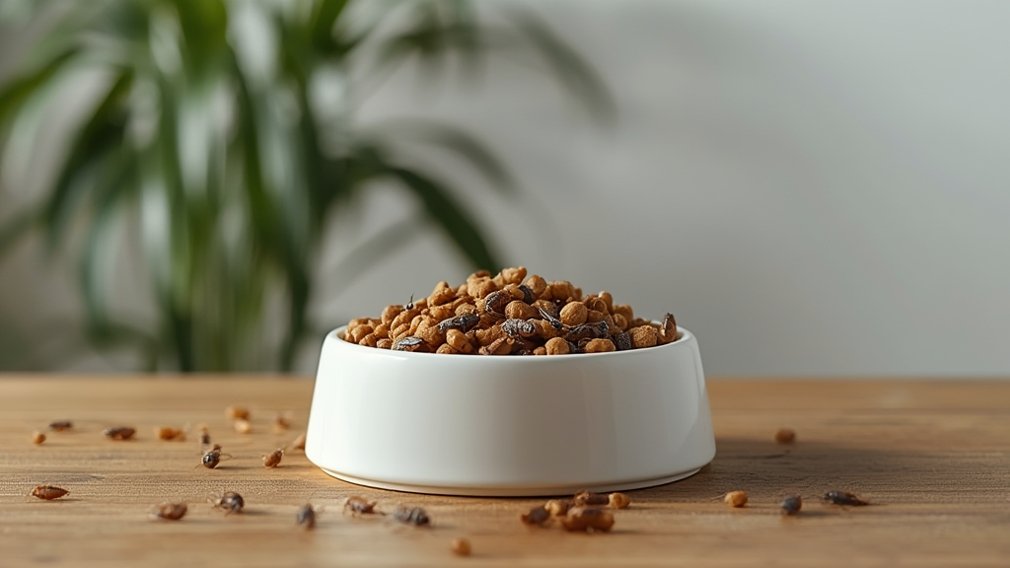
Simply put, insect-based pet food uses bugs—mainly black soldier fly larvae (BSFL) and crickets—as primary protein sources instead of traditional meats like chicken, beef, or fish. These formulations come in dry kibble, wet food, or treats for dogs and cats. Driven by sustainability concerns, supply chain pressures, and increasing rates of pet food allergies, the market for insect proteins has skyrocketed.
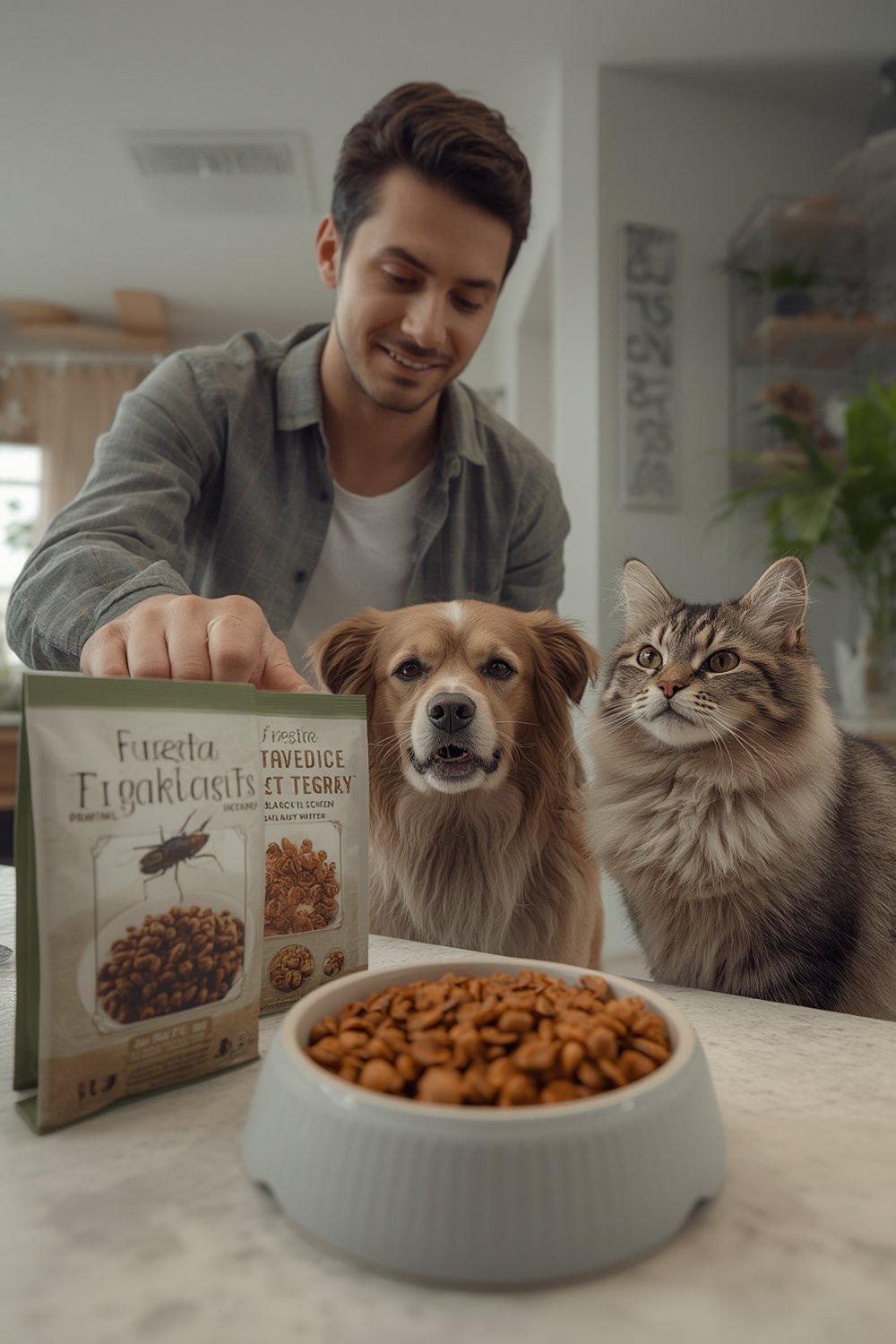
Recent market stats show the insect-based pet food sector could be anywhere from $122.6 million to $9.1 billion in 2024, reflecting wide differences in research scope. CAGR estimates are robust, typically between 8.6% and 10.0% annually through 2035. North America alone represents nearly half the market, with crickets at 45.4% market share and dogs as the biggest consumer group.
Interest in insect protein is also fueled by investor activity—over $480 million has been funneled into insect-farming startups, highlighting strong business confidence in pet food as a growth segment (source).
Ultimately, the appeal comes down to three traits: resource efficiency, hypoallergenicity, and the sustainability halo. But how do you actually leverage these advantages for your own pets?
How to Choose (and Use) Insect-Based Pet Food: Step-by-Step
-
Assess Your Pet’s Dietary Needs.
Check with your vet—especially if your pet has food allergies, digestive sensitivities, or health conditions. Insect proteins (BSFL and crickets) are naturally hypoallergenic and well tolerated by most pets, but individual responses can vary.
-
Research the Source and Certifications.
Look for brands with transparent insect sourcing and robust food safety documentation. The insect feed industry is new, so regulatory clarity—like AAFCO/FDA approvals—is limited. Choose products from reputable companies following published pet food standards.
-
Transition Your Pet Gradually.
Mix insect-based foods slowly into your pet’s current diet. Sudden diet changes (of any kind) can cause upset stomach, so a 7 to 10-day transition works best.
-
Monitor for Benefits and Problems.
Track your pet’s coat, stool, energy, and enthusiasm for their new food. Be realistic—while most pets tolerate insect food well, you want to catch and resolve any digestive or behavioral changes quickly.
This pet-ready living guide from Home Hindsight covers creating a pet-friendly home, which is just as essential for dietary changes. -
Evaluate Costs and Sustainability Impact.
Insect-based foods are positioned as premium and prices may be higher than standard formulations. While brands highlight environmental benefits, hard data on water and carbon savings is still scarce (source). If sustainability is your core motivation, ask the manufacturer for lifecycle assessments or independent studies.

You can also maximize the eco-friendly impact at home by pairing insect-based pet diets with other sustainable habits. Explore tips on energy efficient upgrades, modern window blinds, or kitchen remodeling ideas for a greener pet-ready lifestyle.
Advanced Analysis & Common Pitfalls
It’s easy to get swept up in the green marketing of insect proteins, but several real-world limitations apply. Here’s what market research and user feedback—where available—really reveal:
Common Pitfalls
- Overstated Sustainability: While BSFL and cricket farms tout sustainability, published sources lack hard figures on how much water, land, or carbon is actually saved per pound compared to chicken or beef.
- Lack of Nutritional Transparency: Most brands do not publish exact protein percentages or amino acid profiles versus traditional meat-based competitors. Claims are primarily qualitative (high protein, good fats, hypoallergenic).
- Higher Price Points: Expect to pay more for insect-based pet food due to smaller scale and the premium sustainability claim—even though no comparative price data between top brands is publicly available.
- Limited Consumer Reviews: Negative reviews or detailed complaints about insect-based products are not common in public forums as per research (source), but this absence could reflect low adoption or review bias, not universal satisfaction.
- Regulatory Uncertainty: No major FDA or AAFCO rulings or documented recalls exist yet, but as the market expands, more regulation or growing pains may emerge. Seek brands with robust safety certifications.
Side-by-Side Comparison Table
| Attribute | Insect-Based Pet Food | Traditional Meat-Based Pet Food |
|---|---|---|
| Primary Protein | Crickets, BSFL, mealworms | Chicken, beef, fish, lamb |
| Transparency of Nutritional Content | High-level claims, few published numbers | Clear protein % and analysis |
| Price | Premium, no public benchmarks | Wide range, often more affordable |
| Sustainability Metrics | General claims, few specifics | Well documented, usually higher impact |
| Allergenicity | Low (hypoallergenic) | Can be high for sensitive pets |
| Regulatory Oversight | Some, evolving standards | Established, clear standards |
Want to optimize your home as much as your pet’s diet? See our all-in-one Healthy Pet-Ready Living Guide to create the safest and healthiest home for your animals and family.

Conclusion
Insect-based pet food products promise impressive benefits—sustainable protein, novel nutrition, and reduced allergen risk—but the fine print reveals a market still maturing. Pricing remains premium, and hard data on environmental savings or detailed nutrition is limited. Work with your vet, introduce new proteins gradually, and monitor for gains or problems. If environmental impact, special dietary needs, or curiosity lead you to try insect-based pet food, do so thoughtfully, stay informed, and don’t hesitate to experiment in small doses first.
Ready to make your home and lifestyle even more pet-friendly? Check out our Outdoor Living Space Guide or start with our hands-on pet-living checklist for a holistic approach. Your pet—and the planet—will thank you.
Frequently Asked Questions
Are insect-based pet foods safe for all dogs and cats?
Most pets tolerate insect proteins like crickets and black soldier fly larvae well. However, sensitive pets or those with unique health requirements should transition slowly and be monitored by a veterinarian. Always read product labels for other ingredients.
Is insect-based pet food more expensive than regular pet food?
Yes, these products usually sit at a premium price point due to smaller-scale production and marketing around sustainability. Specific price data is limited, so compare options and experiment with treats or meal toppers if cost is a concern.
What environmental benefits do insects offer compared to traditional meats?
Insect farming is widely believed to use less land, water, and energy compared to livestock. However, published studies lack exact numbers on carbon footprint or resource savings, so claims should be treated as broad trends rather than certified facts (more info).
Are there drawbacks or potential downsides to switching?
Possible issues include higher costs, limited flavor options, and lack of detailed nutritional content. Regulatory standards are still evolving, so always pick brands with strong safety and quality credentials.
Can I use insect pet food for pets with allergies?
Insect proteins are naturally hypoallergenic and often recommended for pets with protein allergies. Still, monitor your pet carefully during the switch and seek veterinary advice for chronic issues.