

### Blog Post:
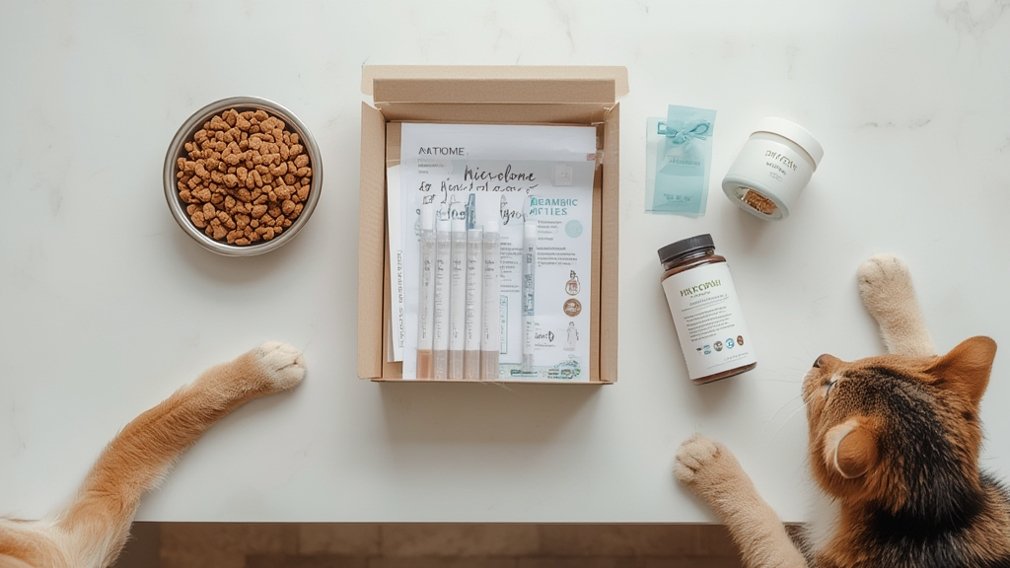
Microbiome Pet Testing Kit technology is changing the way pet owners manage the gut health of their dogs and cats, allowing actionable insights into what is happening inside their companion’s digestive system—without a single vet visit.
Key Takeaways
- Microbiome Pet Testing Kits help dog and cat owners easily uncover gut imbalances and act quickly for better health results.
- The kits link microbe diversity, symptoms, and nutrition advice, but many owners are confused by terms and how to use the results.
- Costs and test quality standards are missing from most public data—approach your kit results as one piece of the pet-wellness puzzle.
- What is a Microbiome Pet Testing Kit and Why Does It Matter?
- How to Use a Microbiome Pet Testing Kit: Step-by-Step Guide
- Advanced Analysis & Common Pitfalls with Pet Microbiome Testing
- Conclusion & Action Steps
- Frequently Asked Questions
What is a Microbiome Pet Testing Kit and Why Does It Matter?
A Microbiome Pet Testing Kit is an at-home test that lets pet owners collect a stool sample from their dog or cat and send it off to a lab for advanced microbial DNA analysis. The lab returns a detailed snapshot about your pet’s gut bacteria, including how balanced or imbalanced the microbiome is, and offers personalized diet, supplement, and sometimes lifestyle recommendations.
Why does this matter now? Recent global growth in pet microbiome testing hit $185.2 million in 2024, led by the United States and Europe. The demand is driven by recognition that gut health strongly influences digestion, energy, coat condition, allergy risk, and even behavior. According to AnimalBiome’s 2024 State of the Gut Report, one in three sampled pets showed gut imbalances, most not obvious until they led to skin or digestive trouble.
Unlike old-fashioned guesswork, these kits make it realistically possible to tune nutrition and supplements to the real needs of your pet. Still, most dog and cat owners cite confusion about the difference between probiotics and prebiotics, and data about kit costs, analysis depth, or regulatory oversight is scarce.
How to Use a Microbiome Pet Testing Kit: Step-by-Step Guide
-
Research and Compare Brands
Choose a reputable company (e.g. AnimalBiome, BIOME9, Petivity) with clear instructions and transparent sample handling. Review their websites to see if they provide dietary recommendations and compare their sample analysis depth.For a healthy pet-ready environment, review practical tips to set up your home to support overall wellness.
-
Order the Right Kit
Select the kit best suited for your dog or cat. Be aware that not all tests are equally advanced—some provide basic diversity numbers, others screen for parasites or pathogens. -
Collect the Sample
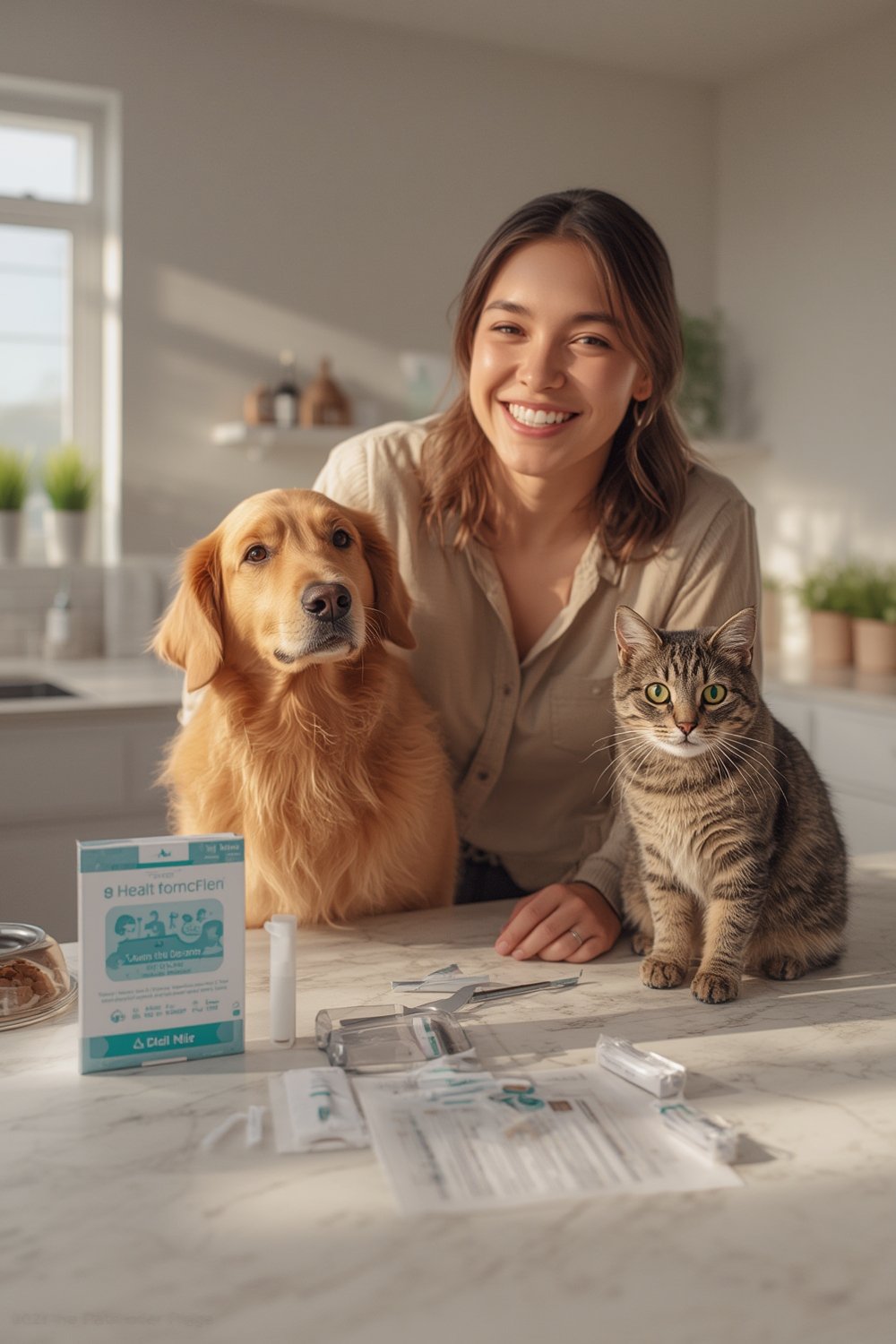
Use the provided sterile swab or collection device after your pet’s freshest normal stool. Follow the enclosed instructions exactly. Air exposure can change gut flora, so speed and cleanliness matter. -
Ship to Lab
Package the sample according to the box/instructions and mail it quickly. Most kits provide prepaid mailers. -
Review Your Report
Access the results online. Expect visualizations of microbe diversity, which species are dominant, and how your pet compares to “healthy” profiles. Some brands (like BIOME9 and Petivity) provide actionable nutrition and supplement ideas. -
Take Action—But Consult a Vet
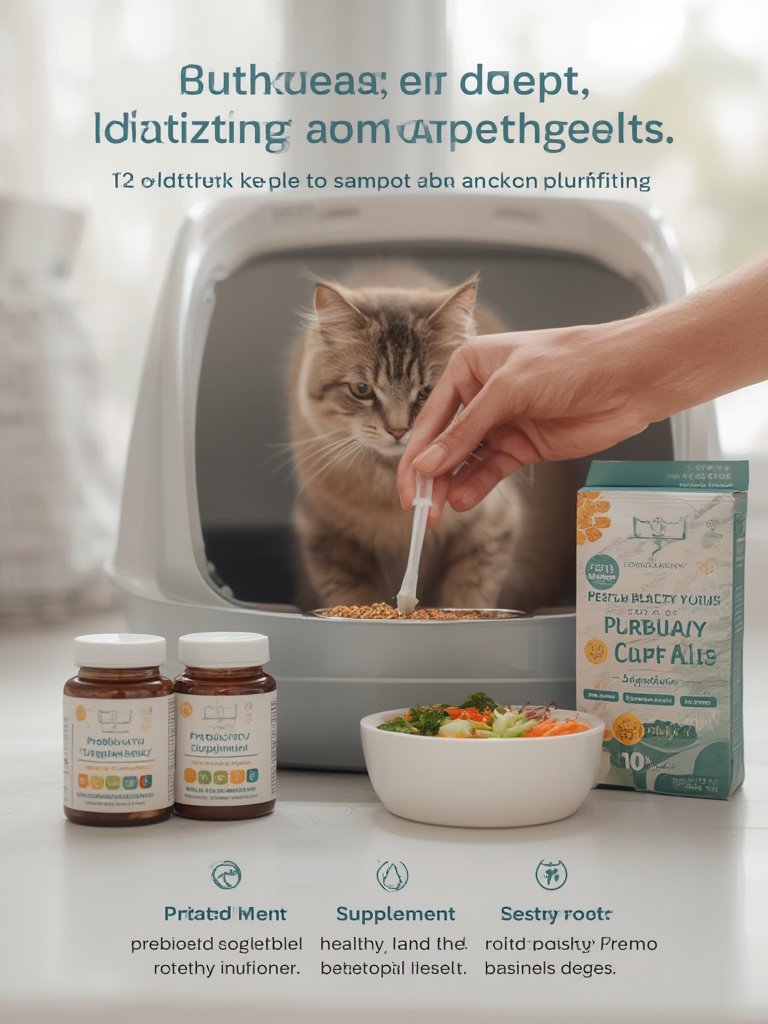
Use the kit’s personalized dietary advice as a conversation starter. Always discuss big diet changes with your vet, especially for pets with skin, digestive, or immune issues.
For more tips on creating a low-stress home environment for pets before and after testing, consult our Healthy Pet-Ready Living Guide.
Not all improvements happen in the kitchen. Sometimes small home upgrades—like washable rugs or easy-clean upholstery—make following nutrition and hygiene recommendations much smoother. Explore our furniture store comparison and affordable sofa tips for pet-friendly ideas.
Advanced Analysis & Common Pitfalls with Pet Microbiome Testing
Microbiome kits offer exciting data and promises, but many users face confusion, and some results are more actionable than others.
Common Pitfalls and Gaps
- Confusing Reports and Terms: Over 55% of pet parents don’t understand the difference between probiotics and prebiotics. Results can seem highly technical with terms like “phyla diversity” or “species richness.” Not all brands clearly translate findings into actionable steps.
- Cost and Service Details Are Opaque: Reliable cost breakdowns and service tiers remain missing from nearly all competitor content and most vendor websites. Be prepared for price variability and unclear turnaround times.
- No Universal Standard: The field lacks clear regulatory or quality benchmarks. Labs use different reference databases. “Normal” microbiome diversity can vary by breed, age, and even local diet—so reference group comparisons aren’t always perfect.
- Data Security Is an Open Question: No published 2024 standard for data privacy or transparency among top pet microbiome brands.
- Most Kits Are Dog-Focused: Cat-focused tests are growing (notably via Petivity and AnimalBiome), but many platforms skew canine. The best feline probiotic data is still broad and general.
| Area | What’s Good | Realistic Problems |
|---|---|---|
| Accuracy | Lab methods are advancing; some brands use next-generation sequencing. | Lack of regulatory standards and test overlap; not all kits catch pathogens. |
| Ease of Use | At-home collection is simple; results delivered online. | If directions are not followed carefully, sample contamination is possible. |
| Actionable Insights | Most brands recommend specific diets or supplements based on gut health markers. | Complex reports, and dietary advice is sometimes generic or not linked to published research. |
| Cost & Turnaround | Some kits include repeated testing packages. | Transparent pricing, service tiers, and turnaround times are often missing from public information. |
Regular review of your pet’s living environment—such as upgrading for sanitization or learning about budget improvement planning—can support the changes suggested by test results.
Conclusion & Action Steps
Microbiome Pet Testing Kit use is rising as dog and cat owners look for science-driven solutions to stubborn health, allergy, or digestion problems. These kits offer actionable insights into gut diversity and can recommend food or supplements—but always treat them as a laboratory opinion, not a replacement for veterinary guidance. As more feline-focused and probiotic-driven foods hit the market, keep the limitations in mind and prioritize clear, easy-to-act-on reports over fancy graphics. If you are ready to learn about your pet’s unique gut health, try a trusted Microbiome Pet Testing Kit—and always use new findings as part of broader wellness planning for your whole home.
Curious about how a healthier pet lifestyle starts at home? See our guide to pet-friendly living and check our pet-safe design trends for inspiration.
Ready to act? Order a kit, review your results with a qualified vet, and use those insights to build happier, healthier routines for your companion animals.
Frequently Asked Questions
What is a Microbiome Pet Testing Kit and how does it work?
It’s an at-home tool that allows pet owners to collect a stool (sometimes saliva or skin) sample from their dog or cat and mail it to a specialized lab. The lab analyzes the microbial DNA and reports on the gut flora balance, diversity, and presence of specific beneficial or harmful bacteria. Some kits interpret these findings into dietary or probiotic recommendations.
Are these kits accurate, and can I trust the results?
Accuracy varies by brand and technology. Most use advanced sequencing, but because there’s no unified regulatory standard in 2024, results should be considered informative, not definitive. Consult your vet before making significant changes.
How much do Microbiome Pet Testing Kits cost and what do I get?
Specific 2024 cost ranges are unavailable, but most kits include all collection supplies, postage, and an online results portal. Some offer deeper analysis or multiple retest packages. Compare brands and ask about turnaround times before purchasing.
Do these tests benefit cats and dogs equally?
Cats and dogs can both benefit, but dogs are currently better served by most mainstream kits. Cat-focused products—especially those with tailored probiotic food recommendations—are expanding fast. Look for brands with a proven feline-focused history if testing your cat.
Can I improve my pet’s microbiome with diet alone?
Many gut imbalances are responsive to diet changes, including increased fiber, targeted probiotics, or switching to foods with microbiome-friendly ingredients. Sometimes, prescription diets or medical therapy are needed. Always introduce changes gradually and monitor your pet’s health closely.
—