

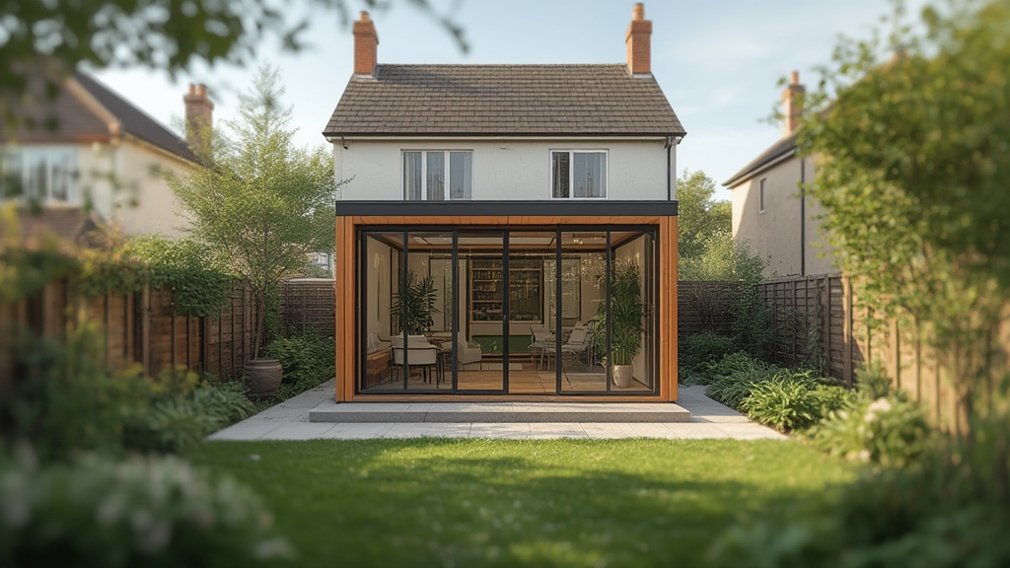
Backyard Garden Rooms are reshaping how homeowners gain flexible, insulated space—whether for remote work, creative hobbies, or family relaxation. In 2024, demand has soared as more people crave private, year-round escapes without the disruption or cost of a major home addition. Here’s how to make the most of this booming trend—and what to watch for before you start your own project.
Key Takeaways
- Backyard garden rooms offer a fast, flexible way to expand living space, with market demand up more than 35 percent in North America and over 50 percent in the UK.
- Homeowners value these rooms for remote work, leisure, and property value, but must be realistic about installation challenges, costs, and zoning rules.
- Investing in premium insulation, checking maintenance needs, and understanding local permitting are crucial for maximizing comfort and long-term value.
- The Core Concept: What Are Backyard Garden Rooms?
- Step-by-Step Guide: Planning and Installing a Backyard Garden Room
- Advanced Analysis & Common Pitfalls
- Conclusion
- FAQ: Backyard Garden Rooms
The Core Concept: What Are Backyard Garden Rooms?
Backyard garden rooms are insulated, stand-alone structures designed for use as offices, studios, guest rooms, gyms, or relaxation zones. Unlike a basic shed, a true garden room is robust, weather-protected, and often engineered for year-round comfort. Their popularity has surged since 2020, with the global market projected to reach $4.38 billion by 2032—a 7.1 percent annual growth rate.
Many homeowners turn to backyard garden rooms to:
- Create a productive remote office separated from household distractions
- Gain affordable leisure or hobby space without a full-scale home renovation
- Drive up property value with flexible living options that appeal to buyers
- Maximize small or underutilized yard space with year-round usability
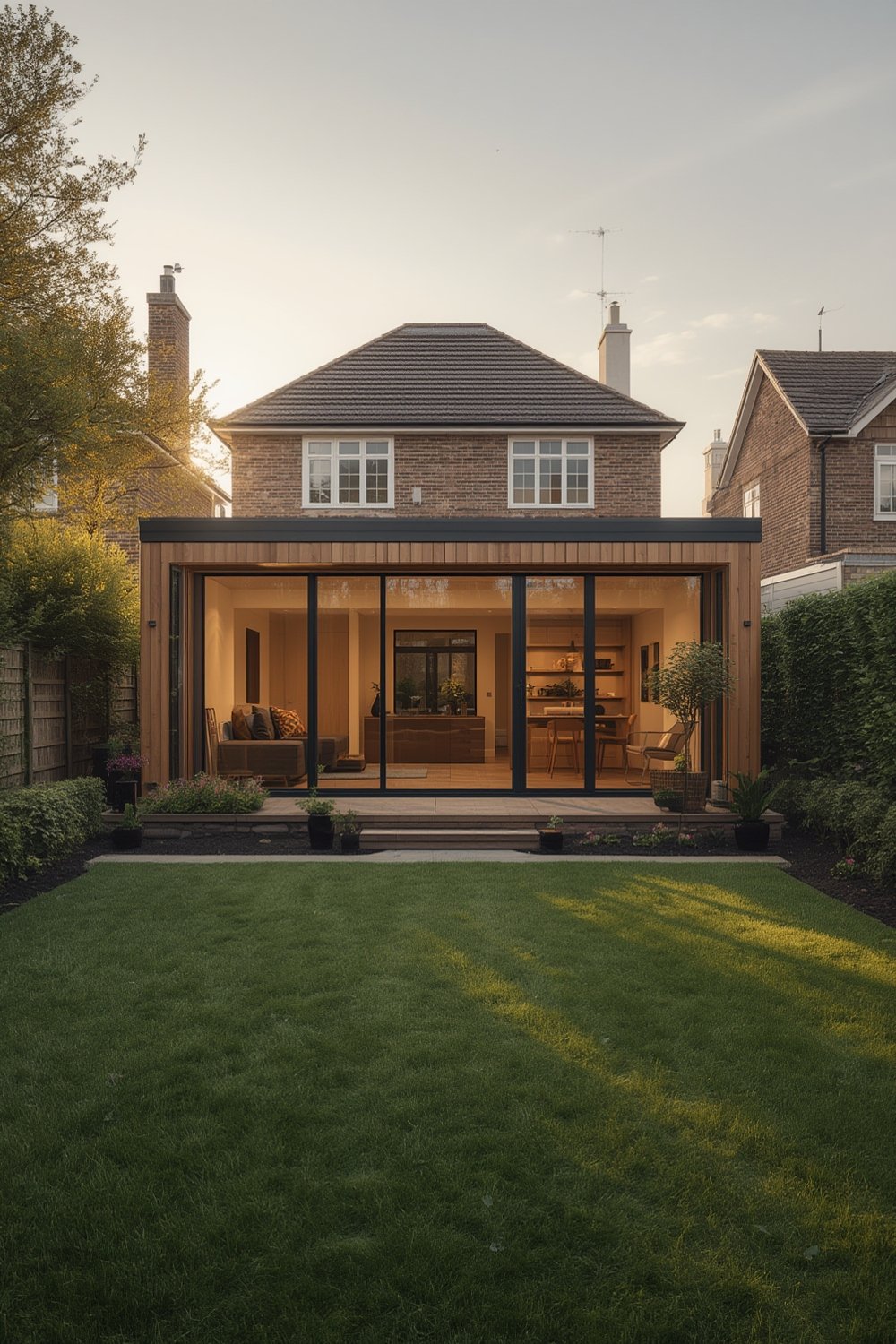
This surge isn’t just for North America—the UK saw a 50.5 percent spike in orders in 2023 as the work-from-home era took hold. Asia-Pacific also shows rapid growth, as middle-class homeowners seek extra space without costly city expansions. These units are now seen as a key feature in backyard design, similar to trends in outdoor living spaces and patios.
Step-by-Step Guide: Planning and Installing a Backyard Garden Room
Before investing, homeowners should carefully plan every stage to avoid costly surprises and maximize comfort year-round.
- Assess Your Needs and Site Conditions
- Decide how the room will be used: office, studio, gym, guest suite, or multi-purpose
- Map out your yard for sunlight, drainage, and easy utility connections
- Pencil out interior needs—insulation, power outlets, plumbing, or heating
- Set a Realistic Budget
- Include the structure, foundation, utilities (electric, possible plumbing), and interior finishing
- Plan for insulation upgrades and long-term maintenance costs
- Compare costs with traditional home extensions—the former is often faster and less expensive, though upfront expenses can be substantial
- Select a High-Quality Structure
- Seek premium, insulated models for year-round comfort; ask suppliers for technical specs
- Favor units with modular panels, robust roofing, and energy-efficient glazing
- Choose reputable brands with real warranty support—not just the lowest price
- Confirm Zoning and Permitting
- Contact your local municipal office before site prep—rules often cover setbacks, height, size, and utilities
- Track all paperwork. Some detached structures qualify for “over-the-counter” permits, while others need detailed plans and inspections
- Foundation and Utilities
- Choose a stable foundation (concrete slab or sturdy piers) for durability
- Arrange for licensed trades to do electrical or plumbing work
- Upgrade wall and roof insulation as needed—energy costs add up over time
- Interior Fit-Out and Finishing
- Add heating, cooling, and lighting that matches the room’s use
- Invest in soundproofing if using for work, music, or confidential calls—this is a common oversight in competitor articles
- Finish with weatherproof materials and plan for minimal maintenance
- Furnish and Decorate Smartly
- Opt for space-saving, multi-use furniture—find tips in our garden furniture corner set guide
- Use quality blinds or window treatments to control glare and reduce heating/cooling costs. Explore energy-saving tips in our smart window blinds guide.
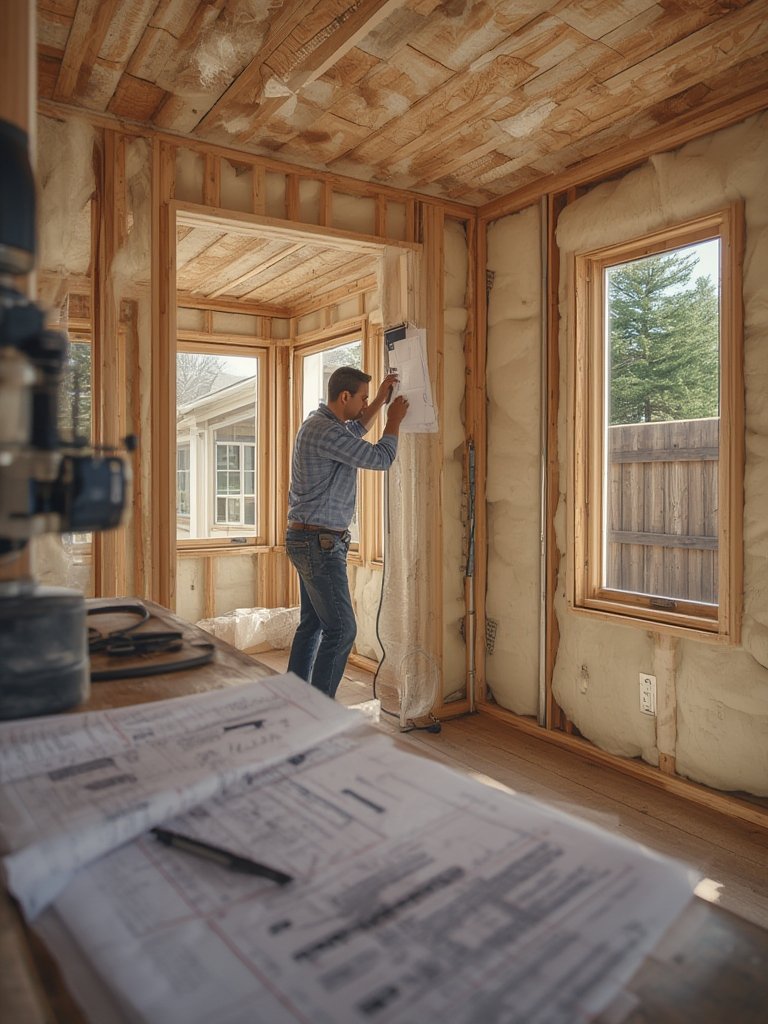
For those prioritizing eco-upgrades or resale, enhance your new space with ideas from our energy efficient upgrades guide, or consider landscaping strategies from our AI-driven landscaping guide to maximize usability and appeal.
Advanced Analysis & Common Pitfalls
Despite the benefits, there are practical challenges and overlooked issues to watch for.
Common Pitfalls
- Hidden Installation or Permit Delays: Zoning rules are inconsistent and may require lengthy reviews, property setbacks, or utility upgrades.
- Lack of Transparency on Technical Specs: Many suppliers do not publish R-values, soundproofing levels, or lifespan. Premium insulation and acoustic testing are worth seeking out but often omitted from mainstream “best of” lists.
- Uncertain Resale Value: While garden rooms can increase appeal, actual ROI depends on quality, compliance, and future trends. Few listings quantify this effect.
- Underestimating Maintenance: Even “low maintenance” models need regular care—roof cleaning, exterior sealing, and checks for water ingress. This sub-topic is rarely covered in depth by competitors.
- Rising Upfront Costs: Raw material shortages have increased prices. Supply chain lags may delay delivery, as noted in current market overviews (source).
Backyard Garden Rooms vs. Traditional Home Extensions
| Feature | Backyard Garden Room | Traditional Home Extension |
|---|---|---|
| Average Installation Time | 2-8 weeks (prefab) | 3-12+ months |
| Permit Complexity | Often simpler, but varies by locality | Typically complex, requires detailed reviews |
| Price (Estimate) | $10,000-$60,000+ | $40,000-$150,000+ |
| Flexibility & Reversibility | Can sometimes relocate or remove | Permanently alters home footprint |
| Energy Efficiency | Depends on upgrade options | Usually matches main house |
| Impact on Home Value | Potential boost, if done well | Generally increases value, but much higher cost |
| Common Challenges | Sourcing, insulation, local rules, utility connections | Disruption, cost overruns, lengthy build |
If you’re weighing both options, consult with a builder or real estate agent for market-specific guidance. You can also learn how complementary upgrades—such as those in our kitchen remodel ideas guide—add cumulative value.
Conclusion
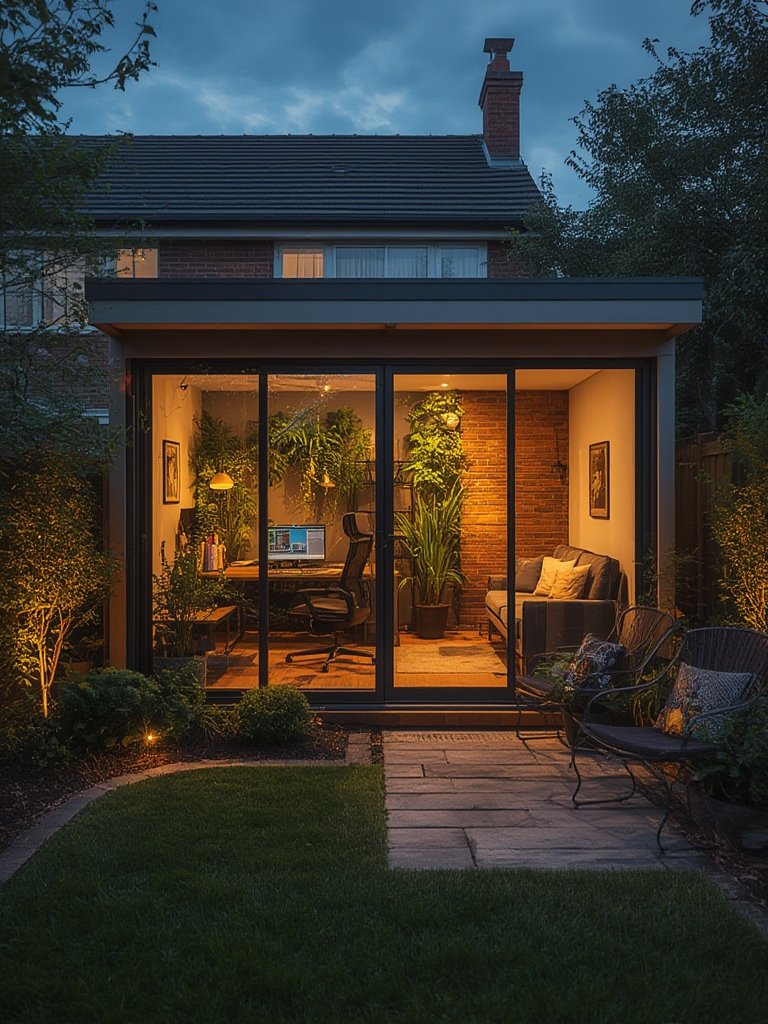
Backyard garden rooms combine flexibility, efficiency, and market appeal for homeowners seeking more living space. Their popularity has soared as people need home offices, creative zones, or guest accommodations—yet pitfalls around installation, permitting, and unclear technical specs abound. By planning carefully, checking local codes, and investing in insulation and maintenance, you can create a backyard garden room that serves for years and adds real property value.
Ready to transform your yard? Explore more outdoor upgrade ideas in our outdoor living space guide or browse innovative energy-saving tips in our energy-efficient windows guide. Start planning your own backyard retreat today!
FAQ: Backyard Garden Rooms
Do backyard garden rooms need planning permission or permits?
This depends on where you live and the room’s size, use, and utility hookups. Many US and UK cities require permits for structures over a set size or with plumbing/electrical, so always check with your local planning office before you start.
What are the main benefits over a regular home extension?
Backyard garden rooms usually install much faster, limit home disruption, and cost less. They add flexible work or entertainment space, and can boost curb appeal if designed well.
What maintenance is required for a backyard garden room?
Expect to inspect roofing, clean gutters, re-seal exterior finishes, and check for leaks yearly. Interior upfits (lighting, insulation) may also need occasional attention.
How do I make a garden room usable year-round?
Choose models with high R-value insulation, double glazing, effective heating/cooling, and draft protection. You can also upgrade with thermal blinds or energy-efficient windows.
Can a backyard garden room increase my property value?
In many cases, yes. Quality, properly permitted rooms designed for multiple uses are attractive to buyers—especially in markets where indoor-outdoor living is in demand. Value depends on build quality, compliance, and trends.