

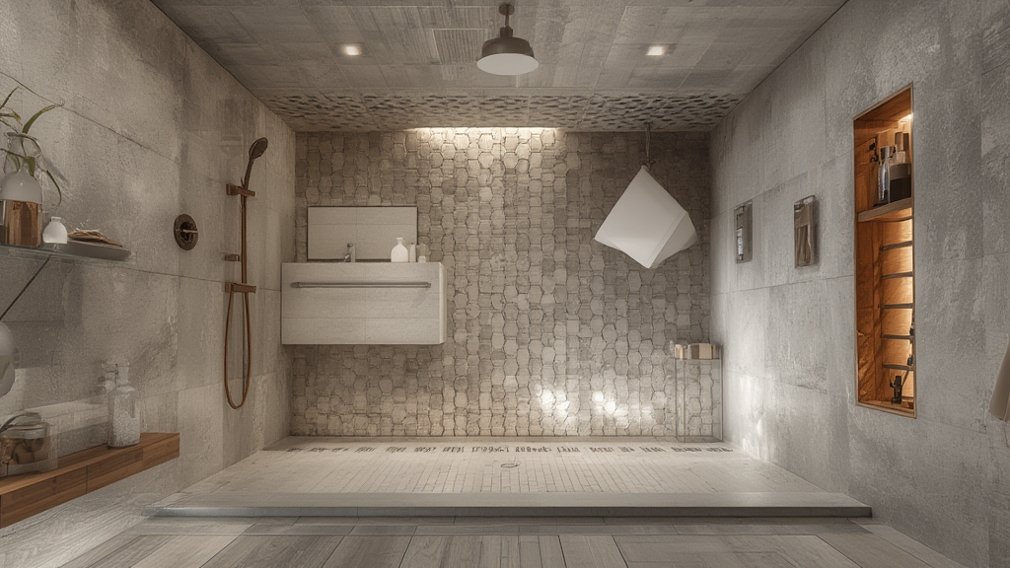
Accessible Spa Bathroom design is the fastest-growing home improvement trend for modern, safe, and luxurious bathroom remodels in 2024. If you want a bathroom that is beautiful, safer for all ages, and adds long-term value to your home, this guide will show you how curbless showers, universal layouts, and spa-grade features can work together for accessibility and wellness—without sacrificing style or comfort.
Key Takeaways
- Curbless “zero-entry” showers and accessible design elements boost home value and make bathrooms usable for everyone, especially aging-in-place or after injury.
- Combining accessibility with spa luxury is possible using smart materials, integrated seating, and the right contractor—just plan waterproofing and floor slopes very carefully.
- A typical accessible spa bathroom remodel pays off with high ROI and lifestyle improvements but requires meticulous installation to avoid leaks or code issues.
- What Is an Accessible Spa Bathroom and Why Choose One?
- Step-by-Step Roadmap: How to Build an Accessible Spa Bathroom
- Advanced Analysis: Real-World Pitfalls and What the Data Shows
- Conclusion
- FAQ
What Is an Accessible Spa Bathroom and Why Choose One?
An accessible spa bathroom combines universal design with luxurious spa aesthetics. Unlike standard remodels, these bathrooms are engineered to remove physical barriers—think zero-threshold (curbless) showers, wider doorways, lever handles, and non-slip flooring—but also add high-end touches like rainfall showers, mood lighting, premium materials, and heated features. The goal: a space that feels indulgent, looks stunning, and works safely for mobility-impaired users, children, guests, and people wishing to age in place.
Homeowners are prioritizing accessibility now more than ever. In 2024, 38% focused their bathroom renovations on aging-in-place features, and almost half of professional remodelers report increasing interest in linear drain conversions[source]. These upgrades are more than a trend—they can dramatically improve quality of life, protect against future injuries, and add real estate value. According to industry cost studies, a standard tub-to-curbless-shower conversion with integrated seating and accessibility features costs about $2,900, pays off in peace of mind, and returns real benefit at resale.
Step-by-Step Roadmap: How to Build an Accessible Spa Bathroom
-
Start With Assessment and Design:
- Measure room size and identify mobility needs (e.g., cane, walker, wheelchair, or simple “future-proofing”).
- Sketch a layout with at least 36-inch doorways and a five-foot turning radius if possible. Consider spa elements like steam showers or mood lighting.
-
Plan the Curbless Shower Zone:
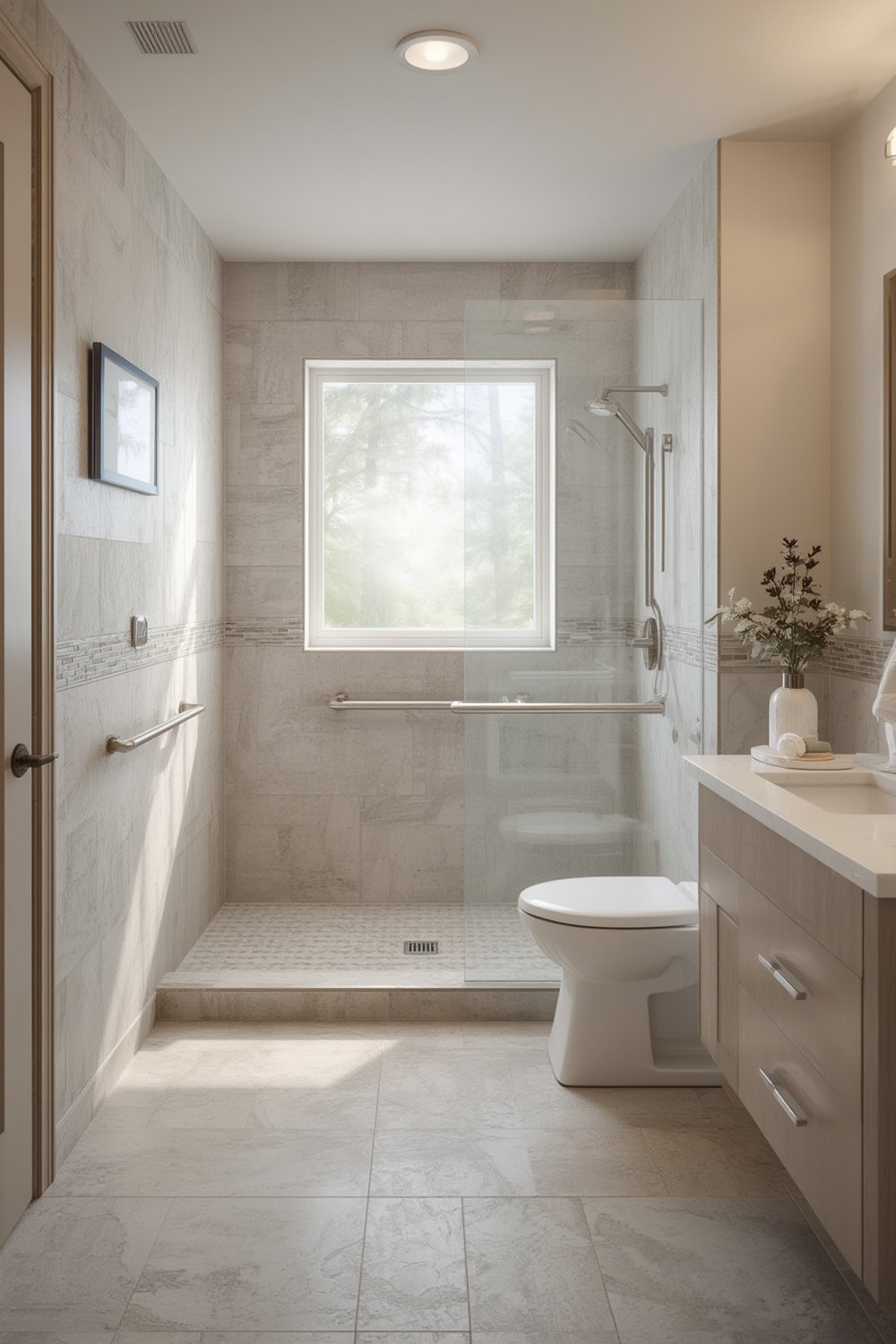
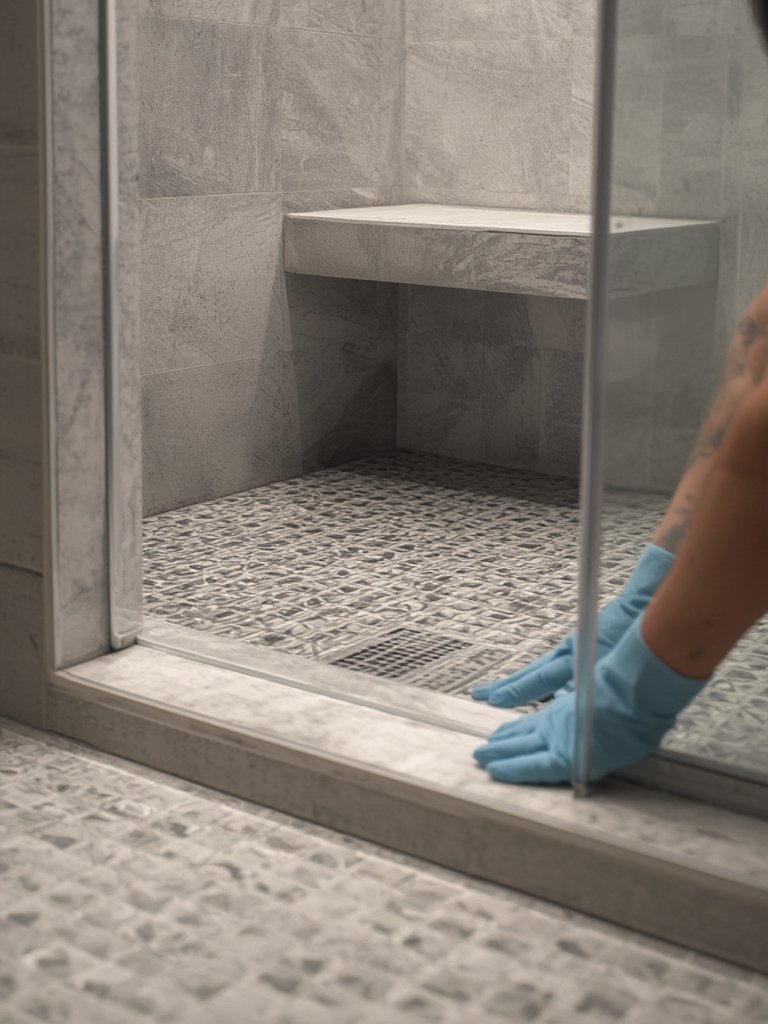
- Replace tub or shower with a zero-threshold entry. Slope the floor carefully toward the drain—linear drains against the wall work well for modern spa looks and wheelchair access.
- Install robust waterproofing; use high-quality membranes or pre-sloped shower pans rated for accessible installs. A failure here leads to leaks and major damage.
-
Choose Non-Slip, Spa-Quality Flooring:
- Opt for large-format porcelain tiles with a slip rating of DCOF ≥ 0.42, or spa-grade vinyl.
- Ensure floor transitions are flush—no trip edges. Heated floors are a luxury touch but should be compatible with accessibility flooring and waterproofing.
-
Integrate Seating and Support Features:
- wall-mounted (fold-down) benches or fixed stone/concrete seats are safest. Place grab bars (chrome or matte black for spa vibes) near shower, toilet, and entry zones.
- All supports must be securely anchored into studs.
-
Specify Universal Fixtures and Controls:
- Lever style faucets, hand-held shower wands, smart bidet toilets, and voice-activated lighting fit both spa and accessible needs.
- Floating vanities, under-cabinet lighting, and anti-fog mirrors add a high-end feel for all users.
-
Work With a Qualified Contractor:
- Ask about accessibility and waterproofing training, certifications (e.g., Certified Aging-in-Place Specialist), and view past projects. Poor installation is the #1 cause of issues with accessible spa bathrooms, especially water migration and improper slopes.
💡 Pro Tip: Always have your contractor perform a “flood test” before finalizing any waterproofed shower bases. This ensures no leaks before tiles are installed—a $300 test can save thousands in repairs.🔥 Hacks & Tricks: If your floor is on a slab and can’t recess easily, use a linear drain at the entry and slope only inside the shower area. Sleek, infinity-edge transitions with tile-to-tile or low-threshold quartz pieces can create the “zero edge” spa effect, even without full recessed subfloors. -
Double-Check Codes and Local Regulations:
- Review your city’s most current accessibility and waterproofing requirements—code updates in 2024 can change specifications for widths, clearances, or material ratings.
- Look for universal design guides or consult a CAPS professional to ensure ADA guidelines are built-in, even if not strictly required.
-
Incorporate Spa Features:
- Add steam generators, chromatherapy lights, heated benches, or built-in sound systems—but make sure controls are within easy, accessible reach for seated and standing users.
-
Finalize Lighting and Storage:
- Install layered lighting schemes for both safety and wellness—consider motion-sensor night lights, anti-glare sconces, and in-shower LEDs rated for wet locations.
- Choose floating shelves or niches for toiletries, placed at varied heights for universal access.
For more inspiration and combo layout ideas, see our Bathroom Remodel Ideas: 7 Amazing Ways To Boost Value (Proven Guide)—or for budget-minded shoppers, check DIY and shopping tips in Home Depot and At Home How to Shop Plan and Combine for Better Results.
Advanced Analysis: Real-World Pitfalls and What the Data Shows
Even the best accessible spa bathrooms face unique risks and limitations—most stem not from the concept, but from installation errors, wrong product choices, or lack of specialist experience. Here’s what homeowners and pros actually encounter:
| Potential Issue | How to Avoid | Impact |
|---|---|---|
| Difficult Waterproofing / Leaks | Hire waterproofing-certified pros, use full-coverage membranes, flood test all pans | Leaks into adjacent rooms, costly repairs |
| Improper Slope | Confirm with laser level; required slope: 1/4 inch per foot to drain | Standing water or leaks, ADA compliance failure |
| Slip Risk with Wrong Tile | Choose flooring rated “non-slip” (DCOF ≥ 0.42) or spa vinyl; avoid polished stone | Major fall hazard—loses both accessibility and luxury benefit |
| Weak Seat or Grab Bar Anchors | Fasten into solid blocking, not drywall anchors—demand proof of secure install | Dangerous injury risk, especially for elderly users |
| Code/Permit Surprises | Research 2024 local & ADA codes before demo; get all needed permits | Failed inspections, delays, extra costs |
| Lack of Product Comparisons | Shop competing waterproofing & slip-resistant systems—request sample ratings | Unpredictable durability or performance |
| Poor Contractor Experience | Demand references for accessible projects, check for CAPS or aging-in-place certification | Flawed install, hidden defects |
Homeowners rarely complain about accessible spa bathrooms when properly installed. However, a 2024 guide warns that improper planning can cause dangerous and expensive leaks, while expert-built spaces often win national awards and dramatically improve users’ daily safety and well-being[see this case study]. For one family, a $2,900 curbless shower conversion led to regular bathing and lower fall risks, demonstrating the value and impact of thoughtful design.
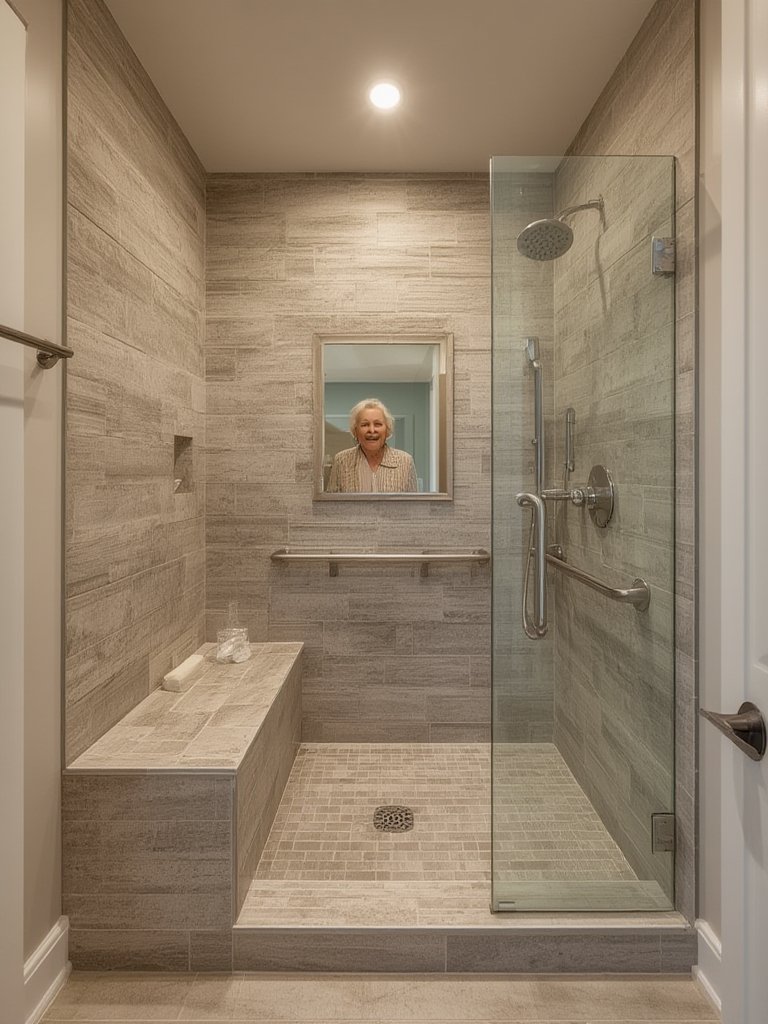
Want to compare accessible spa bathroom materials? For flooring, slip-resistant porcelain or luxury vinyl is your safest bet. For waterproofing, seek integrated systems with a minimum 10-year warranty. For even more value-boosting ideas, check Kitchen Remodel Ideas: 9 Amazing Ways to Boost Home Value and Energy Efficient Upgrades: 7 Amazing Ways to Cut Utility Bills to align your whole home strategy.
Conclusion
Accessible spa bathroom remodels offer a unique blend of future-proof safety, wellness, and real luxury. With careful planning, quality materials, and expert installation, you’ll enjoy a beautiful bathroom that welcomes every family member and impresses every guest. The initial investment pays off daily—and years from now—so don’t let overlooked details trip you up. Start your Accessible Spa Bathroom journey today to enjoy both style and lasting security.
Ready for the next step? Browse our in-depth Bathroom Remodel Ideas Guide or see smart home installation options to create a house you’ll love—now and forever.
FAQ
What makes a spa bathroom truly “accessible”?
Accessibility features include zero-threshold (curbless) showers, wide entry doors, non-slip flooring, seated shower options, and easy-to-use controls. All elements are designed so people with limited mobility, injury, or caregivers can use the space safely and comfortably.
How much does it cost to create an accessible spa bathroom?
Basic conversions, like a tub-to-curbless shower with accessibility features, cost about $2,900 for a standard-sized (60×32-inch) remodel. Adding spa luxury elements or relocating plumbing can increase costs. Regional labor rates and custom features may apply.
Can accessibility and luxury design work together?
Yes. Modern universal design supports floating vanities, elegant tilework, steam showers, heated floors, and spa lighting systems—if you specify products compatible with accessibility requirements and integrate them correctly.
Are there common problems with curbless wet rooms?
The biggest risks are improper slope (causing leaks) and poor waterproofing. Always work with certified installers, request a flood test before tiling, and use approved slip-resistant materials. Poorly anchored grab bars or seats are another hazard.
Where can I find code or ADA requirements for residential bathrooms?
Start with your city’s building department and the latest ADA guidelines, even if not strictly required for your home. Universal design standards, such as those outlined in NAHB’s resources, are a practical reference.