

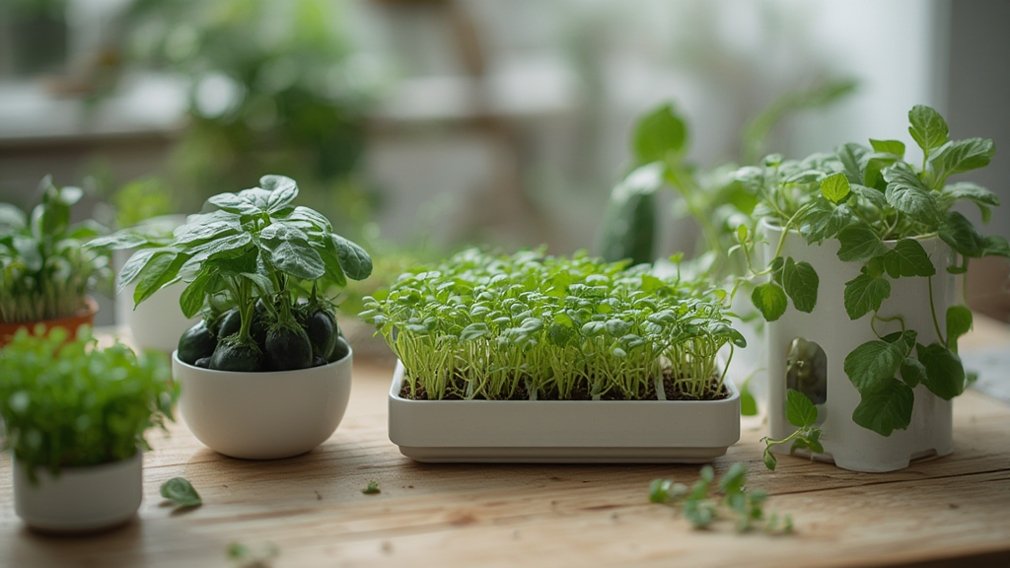
Tabletop Veg is revolutionizing small-space gardening by making fresh, homegrown vegetables truly accessible—even when you only have a windowsill or a tiny balcony to spare.
Key Takeaways
- Tabletop veg growing lets you harvest real, healthy produce in apartments, dorms, or anywhere that lacks a garden.
- With a few smart choices and realistic planning, almost anyone can grow compact vegetables even without gardening experience.
- Common mistakes—like picking the wrong varieties or ignoring light—can quickly ruin results. Realistic expectations are key.
- The Core Concept: What Is Tabletop Veg & Why Does It Matter?
- Step-by-Step Guide: Tabletop Veg Success in Any Space
- Advanced Analysis & Common Pitfalls
- Conclusion
- FAQ
The Core Concept: What Is Tabletop Veg & Why Does It Matter?
Tabletop veg means growing small, edible crops in containers that easily fit on a table, shelf, windowsill, or compact outdoor ledge. Unlike traditional gardening, which needs lots of space and specialized beds, the focus here is on ultra-compact plant varieties (think: dwarf tomatoes, microgreens, mini bell peppers, or bushy salad greens) and smart use of limited light, water, and soil.
This approach matters because more people are living in apartments, condos, or rentals with little to no garden. Rising food prices and an increased focus on health make the appeal real. Plus, there’s something satisfying—and almost magical—about snipping fresh produce you grew yourself, even in the city.
With U.S. organic produce sales hitting $71.6 billion in 2024, and urban gardening on the rise, the demand for practical, realistic ways to grow food at home keeps increasing. But small-space growing has unique challenges: sunlight is often limited, containers dry out quickly, and not all veg will thrive indoors. To succeed, you need realistic expectations and the right strategies.
Step-by-Step Guide: Tabletop Veg Success in Any Space
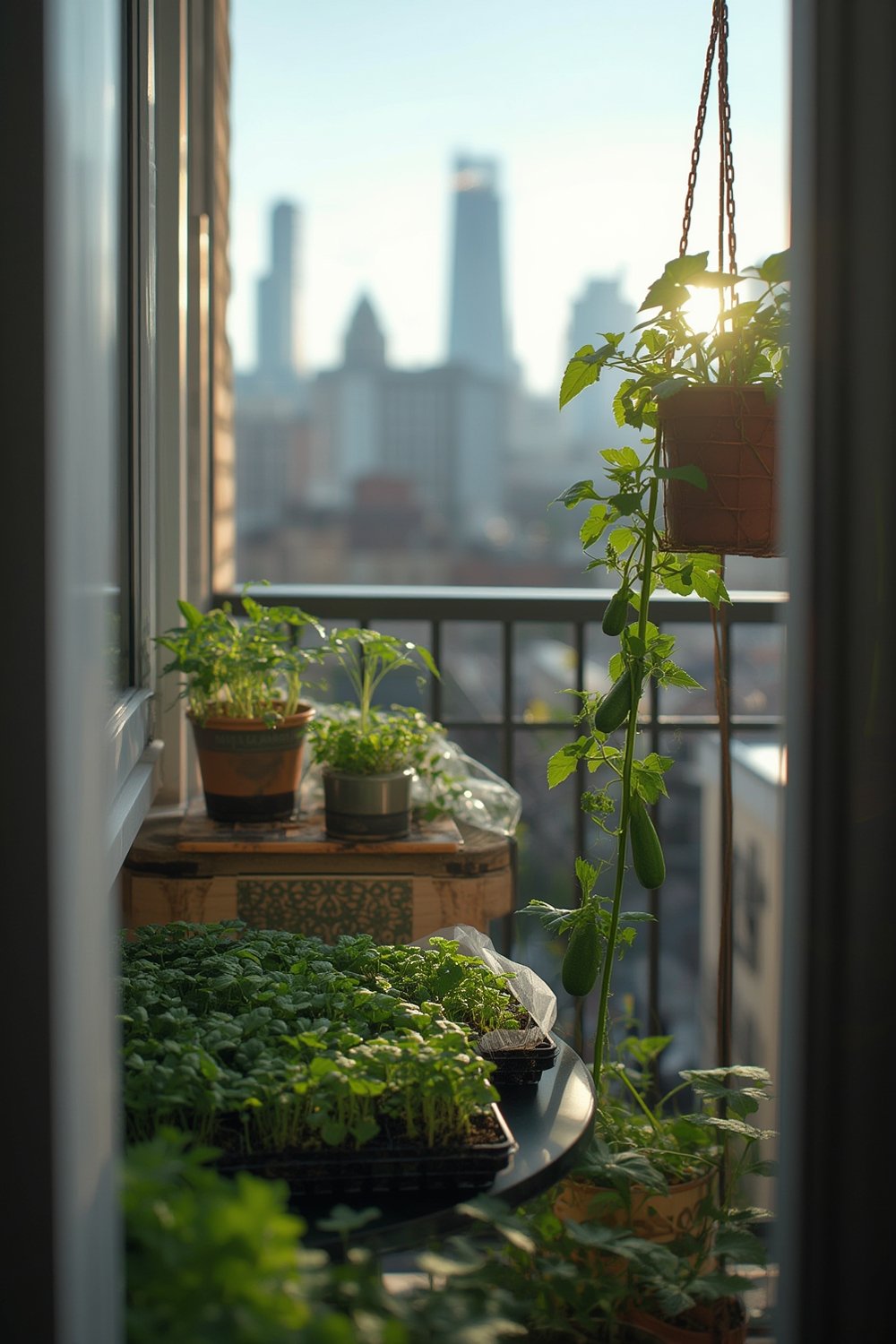
If you want tabletop veg to work, start with proven methods. Here’s exactly how to get reliable results without wasting time, money, or patience.
- Assess Your Light: The single biggest factor in tabletop veg success is light. South- or west-facing windows get the most sun. East is okay; north is tough. Use a free app (like Light Meter on your phone) to measure lux. Veg needs at least 6 hours of direct light daily for good yields. No sun? Invest in an LED grow lamp and a timer.
-
Pick The Right Varieties: Choose seeds and starter plants bred for small containers—look for terms like “patio,” “bush,” “mini,” or “micro.” Examples: Micro Tom tomatoes, Dwarf French Beans, Mini Bell Peppers, Salad Bowl lettuce, or radishes.
- Microgreens: Any quick-growing leafy crop (radish, sunflower, peas, etc.) is ideal—ready to eat in 1–2 weeks.
- Tabletop herbs: Basil, parsley, cilantro, and chives thrive indoors and take little space.
- Avoid large fruited or sprawling types (maincrop cucumbers, beefsteak tomatoes) that simply won’t fit.
See more small-space crop ideas in Botanical Bento: 7 Amazing Ways to Create a Lush Balcony Garden.
- Choose The Right Container & Soil: Use pots with good drainage—6″ deep is enough for most compact crops. Microgreens and herbs thrive in shallower trays. Only use quality potting mix (never plain soil from outside). Consider adding a slow-release organic fertilizer to boost growth.
- Water Sensibly: Indoor air dries soil fast. Check moisture with your finger daily; water when the top inch feels dry. Use saucers or trays underneath to protect surfaces.
- Provide Support: Even compact tomatoes or peas may need a mini stake or string for support. Small wire frames or bamboo skewers work well.
- Harvest Regularly: Pick leaves and fruit often to keep plants productive—waiting too long can stress small pots and reduce future yields.
-
Watch For Common Issues: Mold, gnats, and yellow leaves signal too much water or not enough light. Move plants or adjust your watering routine as needed.
- If you’re also planning an overall kitchen upgrade, tap into expert kitchen remodel tips to align your indoor garden with your new look.
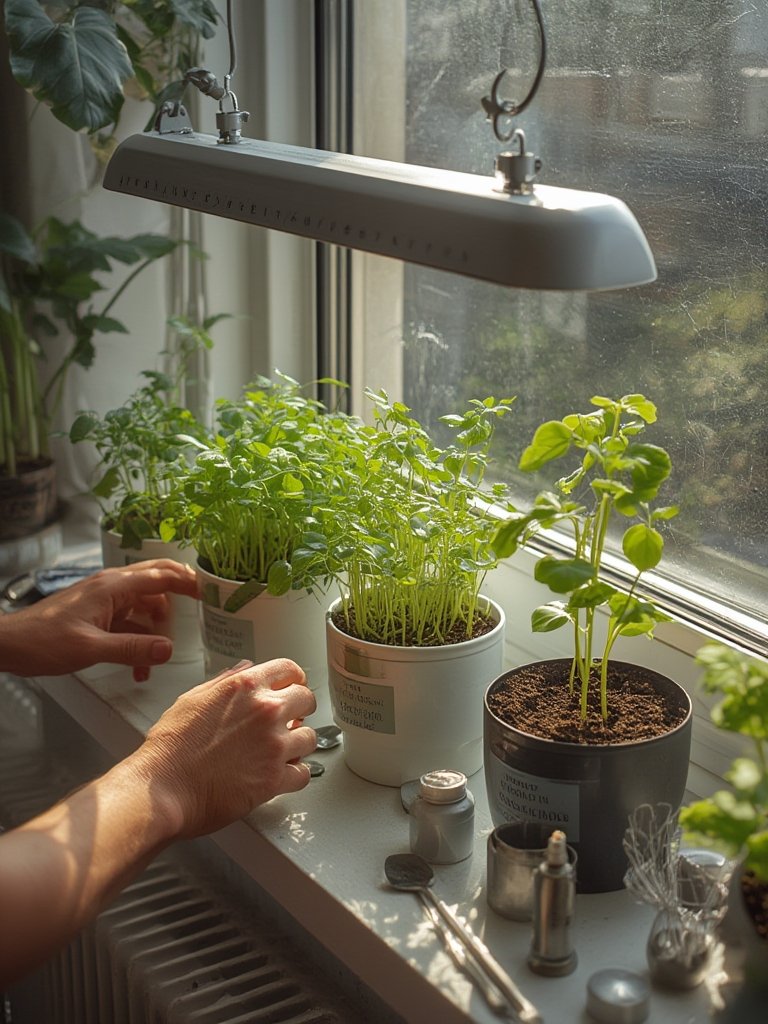
Make life easier by grouping pots on waterproof trays or shelves, and rotate them weekly so growth is even. If you have pets, check out tips from the Healthy Pet-Ready Living Guide to keep curious noses and paws safe.
Advanced Analysis & Common Pitfalls
From the outside, tabletop veg growing looks simple—but reality often brings surprises. Here are the most common challenges (and how to avoid them):
- Not Enough Light: The #1 reason tabletop veg fails is lack of direct sunlight. Even bright indoor rooms may fall well short. If fruiting is slow or leaf growth lags, try supplemental lighting or switch to leaf-only crops (like lettuce or herbs).
- Poor Draining Soil: Overwatering and waterlogged pots can rot roots in days. Always use containers with drainage holes. Mix in perlite for extra aeration if things stay soggy.
- Pest Problems: Indoor spaces aren’t pest-proof. Fungus gnats love wet soil; aphids and spider mites can hitchhike on new plants. Inspect new starts, isolate infested pots, and try sticky traps or neem oil for control.
- Overcrowding: It’s tempting to plant densely, but too many seeds leads to competition, weak growth, and disease. Follow packet guidelines for spacing—even in tiny trays.
- Wrong Crop Selection: Choosing large, vining, or slow-to-mature veggies wastes both space and time. Stick to those labeled for containers or fast maturity.
For a practical comparison, here’s how three common tabletop veg varieties stack up in real apartments:
| Variety | Space Needed | Yield (per plant) | Light Requirement | Common Issues |
| Microgreens (e.g., Pea Shoots) | Small tray (6×8″) | 1-2 handfuls per harvest, ready in 7-14 days |
Low to moderate | Mold if overwatered; rapid growth means little time for problems |
| Mini Bell Pepper | 1 pot, 6-8″ deep | 5–10 small peppers/month | High (6+ hrs direct sun, or strong LED) | Slow growth in winter; drops flowers without enough light |
| Dwarf French Bean | 1 pot, 6″ deep | Up to 15 pods/plant | Moderate (4+ hrs direct, plus reflected light) | Leaf yellowing if nutrients/water inconsistent |
For more guidance on making the most of small outdoor areas, see Garden Furniture Corner Set: 7 Best Ways to Create a Cozy Outdoor Lounge—smart container planning improves both yield and enjoyment for balconies or patios.
If you want to boost your results further, supplement your plant care with advice from USDA vegetable consumption data and learn which veggies offer the best nutritional punch for your effort.
Conclusion
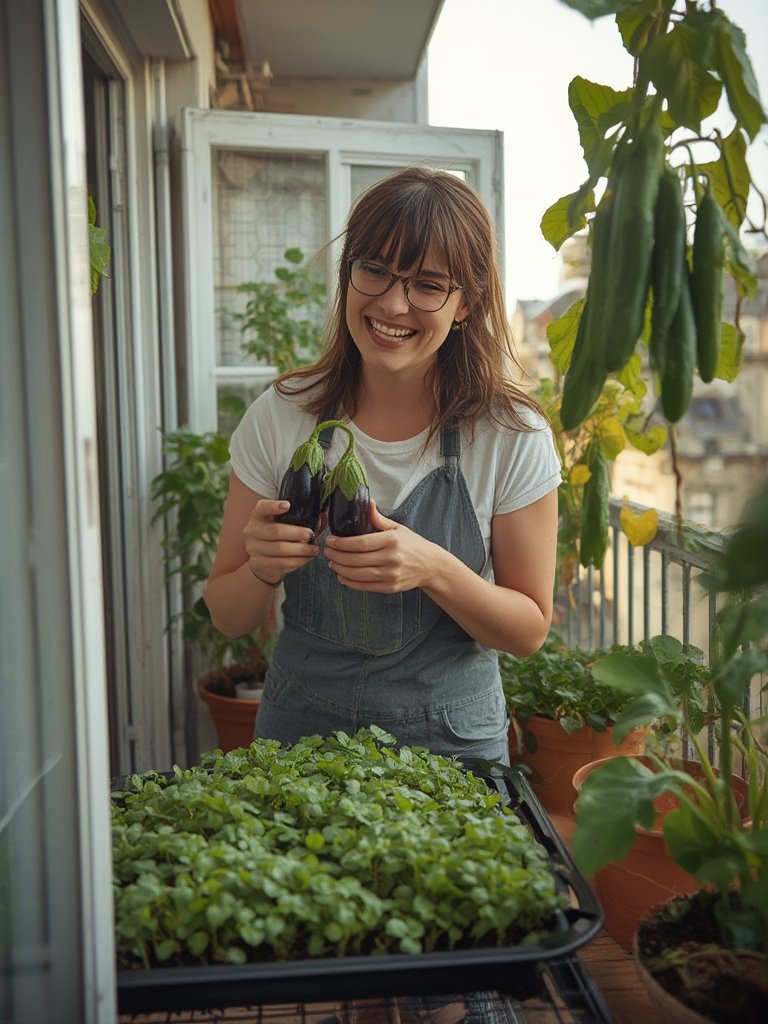
Growing your own Tabletop Veg is practical, affordable, and genuinely rewarding—even if all you have is a sunny kitchen counter. With the right crop choices and realistic expectations, you’ll harvest real food year-round with minimal fuss. Give it a try, track what works (and what doesn’t), and make your compact garden part of your healthy routine.
Ready to transform your space? Start your tabletop veg right now—and don’t forget to check out our guides on outdoor living upgrades for more ideas on maximizing small spaces both indoors and out!
FAQ
What are the best vegetables for tabletop growing?
The best vegetables for tabletop growing are dwarf or compact varieties. Microgreens, mini tomatoes, bush beans, radishes, salad greens, and herbs like basil or parsley all perform well in small containers and don’t require much space.
Do all tabletop veg need special grow lights?
No, but most need 6+ hours of direct sunlight per day. LED grow lights help significantly if your window is shaded or days are short, especially for fruiting crops like peppers or tomatoes.
Why do my indoor vegetables die or get yellow leaves?
Poor light, overwatering, and low humidity are the most common causes. Test your light, reduce watering if the soil stays wet, and use a gentle fertilizer. Sometimes root crowding or pests are the culprit—repot or treat as needed.
How often should I water tabletop vegetables?
Check soil moisture with your finger daily. Water when the top inch feels dry. For microgreens, keep the soil lightly moist but never soggy. Every plant and environment varies, so monitor closely until you find the right rhythm.
Are there tabletop veg options safe for homes with pets?
Yes, but avoid alliums (onion, garlic) and nightshades around curious cats or dogs. Herbs like basil, parsley, and rosemary are generally pet-safe. Find more in the Healthy Pet-Ready Living Guide.