

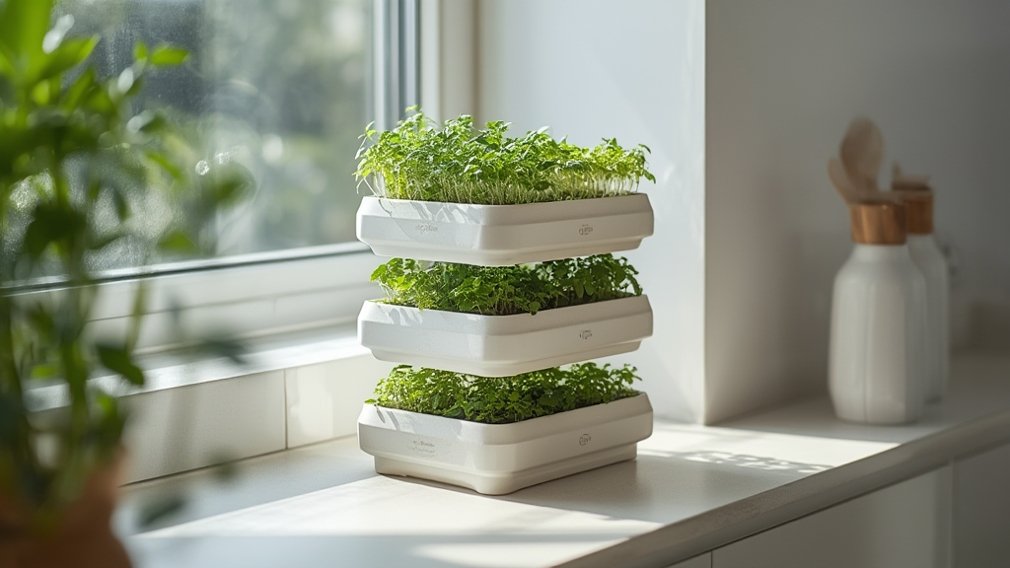
Botanical Bento kits are transforming small space gardening, offering modular, stackable, and easy-care solutions for even the tiniest balconies or apartments. With urban living on the rise and market demand for instant, hassle-free greenery, Botanical Bento is at the forefront of a smarter gardening revolution.
Key Takeaways
- Botanical Bento kits enable rapid, modular gardening in compact spaces, perfect for urban living.
- Ease of setup, automation, and low-maintenance designs are essential for satisfying small-space gardeners.
- Despite booming adoption, common pitfalls include tricky assembly and managing plant growth in confined environments.
- What is Botanical Bento? The Core Concept
- How to Build a Botanical Bento Garden (Step-by-Step Guide)
- Advanced Analysis & Common Pitfalls
- Conclusion: The Future of Small Space Gardening
- Frequently Asked Questions
What is Botanical Bento? The Core Concept
Botanical Bento is a modular gardening system—a kit or set of stackable, reconfigurable planter boxes designed for balcony railings, window sills, countertops, or any small urban space. “Bento” refers to the compartmentalized Japanese lunch box, and similarly, Botanical Bento gardens segment space for herbs, greens, and flowers in tidy, efficient modules.
Why is this concept surging? In 2024, the global smart garden kits market hit USD 1.45 billion thanks to rising city populations, shrinking living spaces, and a widespread craving for greenery. Home gardeners want quick setup, instant visual payoff, modularity, and low-touch maintenance—all demands that Botanical Bento directly addresses.
Modern models often include automated irrigation, app integration, and smart lighting, making it possible to grow year-round with little experience. The flexibility to reconfigure modules as your space or needs change makes this style the agile choice for urban gardeners.
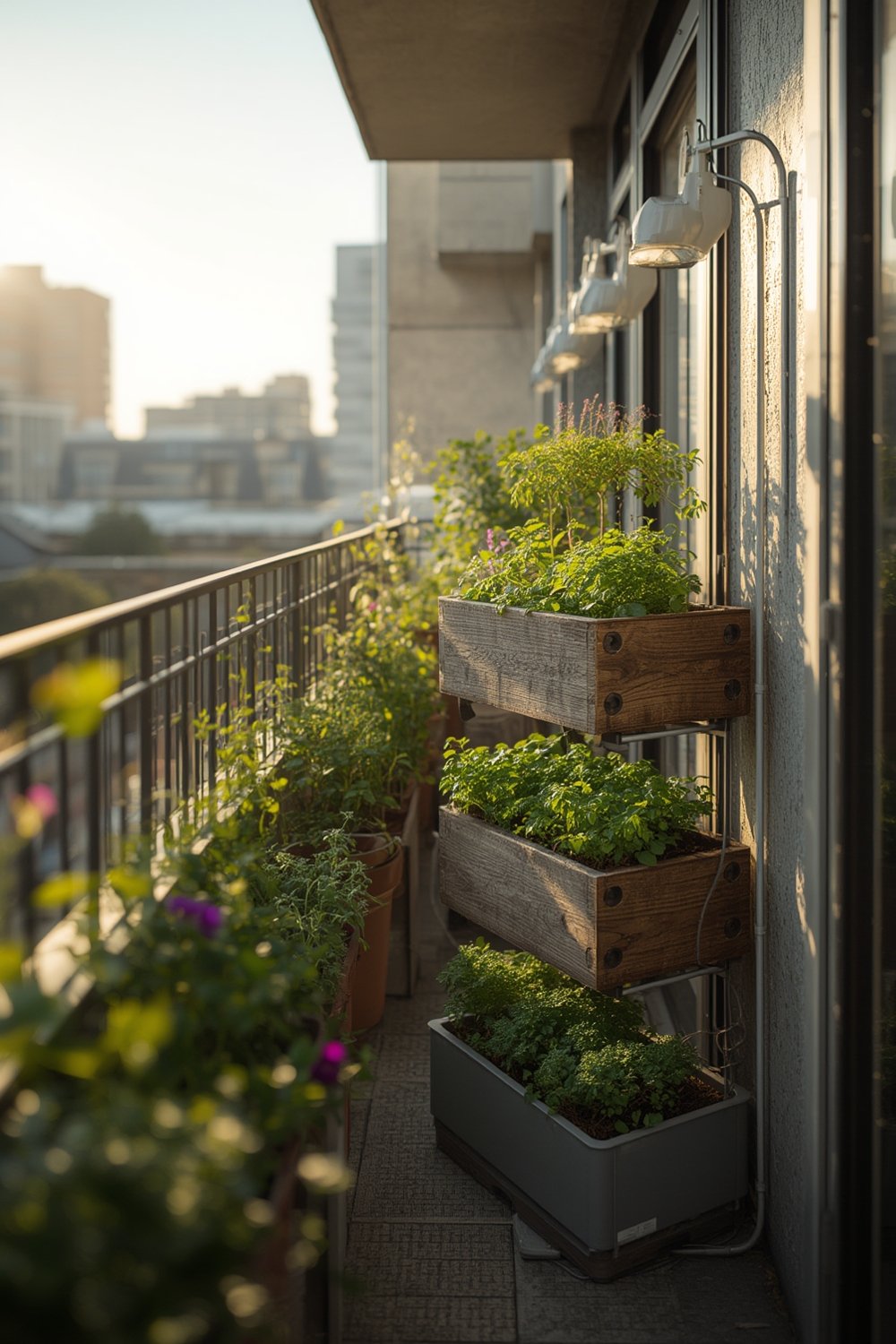
How to Build a Botanical Bento Garden (Step-by-Step Guide)
Setting up your own Botanical Bento doesn’t require professional skills. Follow these actionable steps for a thriving, space-saving micro-garden in your apartment, balcony, or kitchen.
- Assess Your Space and Light
Decide where you’ll place your Botanical Bento. Key areas include sunny windowsills, shelves, balconies, or kitchen countertops. South or west-facing areas usually yield best sunlight, but if your space is darker, consider a kit with integrated grow lights. Remember that you can stack and un-stack modules based on seasonal light changes.
Control sunlight even better with smart window blinds in multi-use rooms. - Choose the Right Kit
Prioritize genuine modularity (not just stacking), sturdy and eco-friendly materials like recycled plastics or FSC-certified wood, and built-in features. Look for kits with drip irrigation or self-watering reservoirs if possible.
For maximum flexibility, select designs that are versatile (indoor/outdoor), connectable, and easy to reorganize as your space evolves. - Map Your “Plant Zones”
Just as a bento box separates its contents, assign a slot or compartment for each plant type: leafy greens, herbs, trailing vines, or compact flowers. Group by light/water needs for best results, and remember fast-growing greens give you the most instant gratification. - Prep and Assemble
Lay out all pieces and review the assembly instructions. Most common complaints relate to complex or fiddly assembly—don’t rush! Confirm that connections are secure, modules are stable and level, and that irrigation tubing (if present) is not kinked. - Fill with Growing Medium
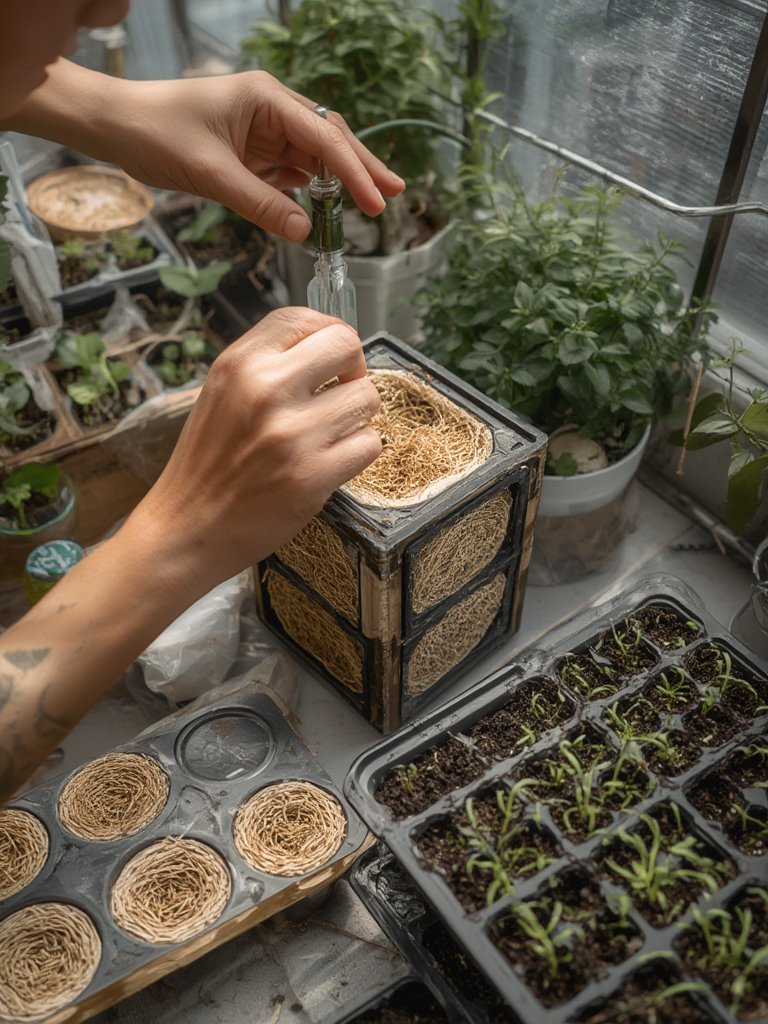
Use high-quality, lightweight container potting mix and add slow-release fertilizer if your kit doesn’t include a starter pack. - Plant and Water-In
Insert seedlings or sow pre-sprouted seeds, pressing them gently into each compartment. Water thoroughly, especially at the initial setup to settle the soil and activate any self-watering features. - Automate and Monitor
If your kit includes irrigation, lighting, or sensor automation, set up the companion app or timer. If not, add a simple soil moisture meter and try to develop a watering schedule. This is especially important for busy city dwellers seeking “set it and forget it” convenience. - Enjoy and Reconfigure as Needed
Harvest salad greens or herbs frequently for rapid regrowth and cater module layout to suit changing seasons or plant heights.
Curious about upgrading other spaces? For more creative outdoor solutions, see this complete outdoor living space guide or explore modular corner garden furniture options.
Advanced Analysis & Common Pitfalls
While Botanical Bento kits are gaining traction, not all products solve for real-world constraints. Here’s an honest look at the most frequent stumbling blocks—plus comparative benchmarks to guide your purchasing decision.
Common Pitfalls
- Complex Assembly: Some modular kits require more parts, tools, or patience than advertised. Poor instructions or missing hardware can lead to frustration. Always check if users cite easy assembly.
- Plant Growth Bottlenecks: Overcrowding, insufficient root depth, or weak light in compact modules sometimes yields stunted growth, especially indoors. Herbs and fast greens fare best—tomatoes or deep-rooted veggies often underperform.
- Maintenance Creep: While marketed as low-maintenance, some kits demand frequent watering, fiddly manual refills, or cleaning of small irrigation lines. “Hands-off” is rarely 100% true.
- Upfront Cost: No reliable 2024 pricing exists, but modular and “smart” kits trend above $50 and can cross $200 depending on automation or tiering. Factor in cost versus features; focus on genuinely durable, reconfigurable products with good support.
- Eco Claims vs. Reality: Some “eco-friendly” kits are still mostly virgin plastic or use non-durable bamboo. Seek certification or transparency on material sourcing where possible.
For ideas on choosing sustainable home improvement products, read this guide to energy-efficient upgrades.
Market Comparison Table
| Kit Feature | Standard Modular Kit | Smart Botanical Bento |
|---|---|---|
| Assembly Time | 30-60 min (Manual assembly, may need tools) |
Less than 30 min (Tool-free snap-fit or pre-assembled modules) |
| Automation | Manual watering; no app | Built-in drip irrigation; app-controlled lighting |
| Materials | Basic plastic or non-certified wood | Eco-friendly recycled plastic/FSC-certified wood |
| Modularity | Stacking limited, harder to reconfigure | Truly modular, custom layouts with easy expansion |
| Cost (2024 est.) | $50-120 | $120-250+ |
| Common Problems | Watering lapses, shallow roots, space waste | Initial tech setup, price premium |
If your garden cohabitates with pets, consider these pet-friendly home tips to keep plants (and animals) safe.
Despite plenty of promising trends and a growing market for smart indoor systems, honest user testimonials for Botanical Bento remain scarce. Before you buy, consult product-specific communities and look for detailed reviews (including setup videos).
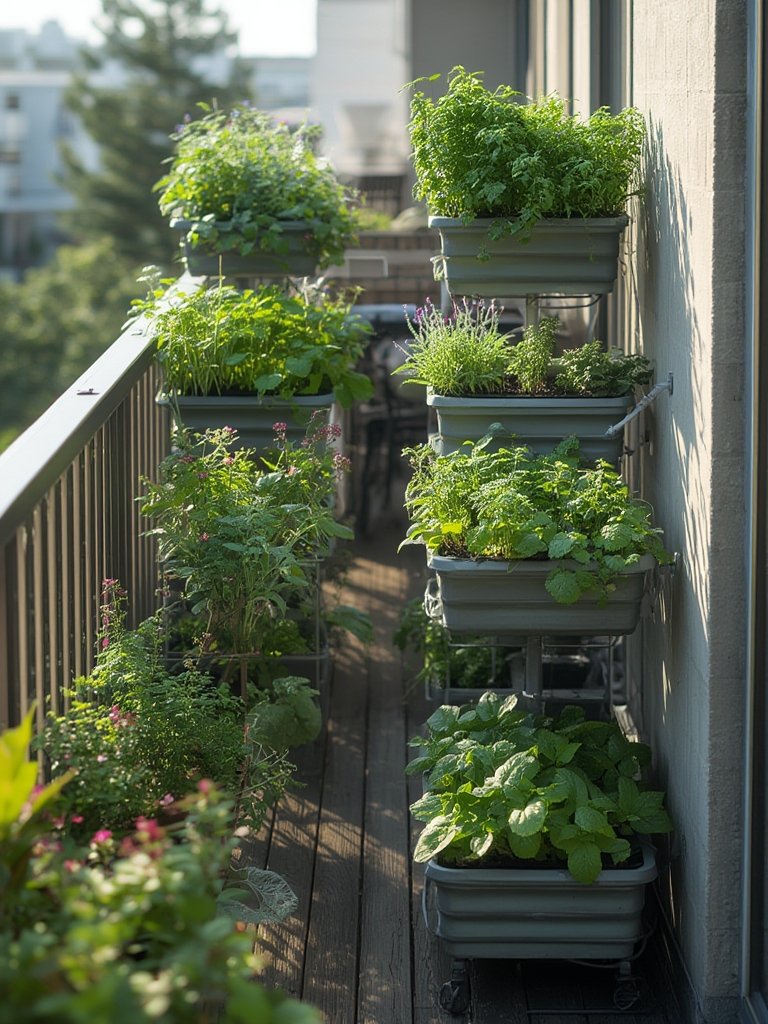
Conclusion: The Future of Small Space Gardening
Botanical Bento is a realistic answer to the challenge of greening up tiny urban homes, combining modular thinking with modern materials and automation. The results are instant, visually pleasing, and low-touch—all crucial for today’s busy apartment dwellers and first-time gardeners.
If you want to maximize a tiny patio, experiment in your kitchen, or even enhance your smart home upgrades, consider building your own Botanical Bento garden. With the right setup, you can enjoy year-round harvests and transform your small space into a lush, productive nook. Start simple, upgrade wisely—and always make sure your chosen kit fits your real needs and routines.
Ready to get growing? Explore more kitchen remodel tips for indoor garden integration or learn how to plan smarter shopping for your next home project with our home improvement shopping guide. The Botanical Bento trend puts lush, edible greenery within reach—no matter your square footage.
Frequently Asked Questions
What can I grow in a Botanical Bento kit?
Fast-growing greens like lettuce, spinach, kale, plus most kitchen herbs (basil, mint, chives) perform best. Compact flowers and trailing vines are also popular. Avoid plants with deep roots unless your kit is extra deep.
Do I need a smart kit, or is manual just as good?
Manual kits work if you enjoy regular care, but if you’re busy or forgetful, automation (drip watering, lights, sensors) greatly reduces maintenance headaches and risk of plant loss.
Are Botanical Bento gardens easy to move or rearrange?
One of the main benefits is modularity. You can unstack, move, or expand most kits as needed, making it easy to refresh your design or adapt to changing seasons.
How much does a Botanical Bento setup usually cost?
Expect to spend at least $50 for a simple manual kit. Kits with automation, better materials, or multi-tier modularity can reach $120 to over $200, depending on features and build quality.
Can I use a Botanical Bento kit outdoors?
Absolutely—just confirm your chosen kit is weather-resistant. Most are designed to function on balconies, patios, or even rooftop spaces as well as indoors.