

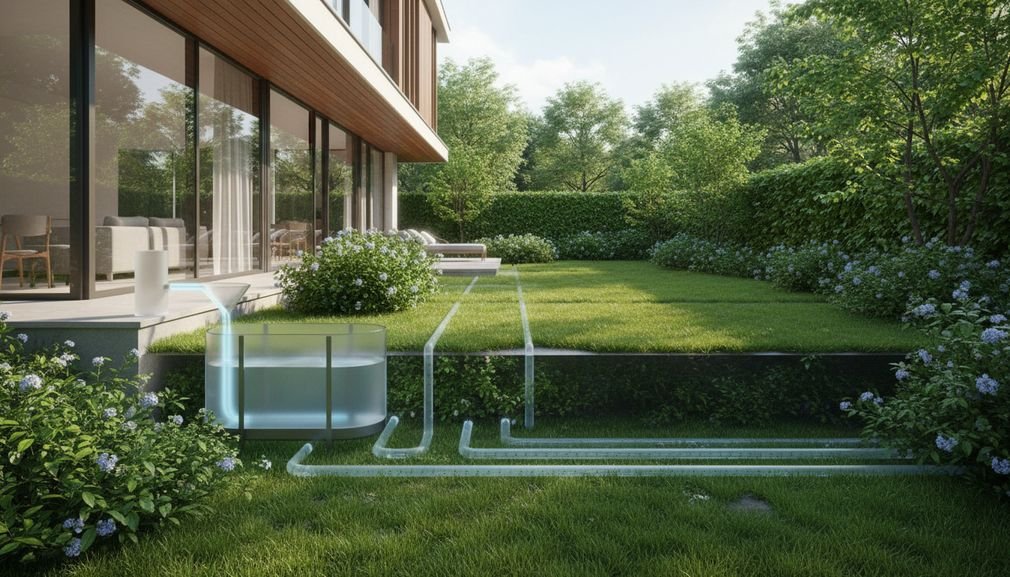
A greywater recycling system is one of the most effective strategies for creating a water resilient home, especially as water scarcity and rising utility costs become more prevalent. By redirecting water from your showers, laundry, and bathroom sinks, you can slash your water consumption, lower your bills, and maintain a vibrant landscape even during the strictest water restrictions. This guide provides a realistic look at the quantifiable benefits, the critical role these systems play in drought prone regions, and the often overlooked details you need to consider before investing.
Key Takeaways
- A residential greywater recycling system can save a household between 18,000 and 55,000 gallons of water annually, potentially reducing water bills by 30 to 40 percent.
- In drought prone areas like Arizona, greywater systems are a critical tool for reducing municipal water reliance and building household resilience against water restrictions.
- Significant gaps exist in publicly available data regarding specific long term maintenance costs, detailed regulatory codes, and the precise impact of greywater on soil health, making professional consultation essential.
- Unlock Significant Savings: How Much Water Can a Greywater System Really Save?
- Drought-Proof Your Landscape: Greywater’s Role in Water Security
- Navigating the Nuances: What Current Research Doesn’t Explicitly Tell Us (Yet)
- Is a Greywater System Right for You?
- Frequently Asked Questions About Greywater Recycling
Unlock Significant Savings: How Much Water Can a Greywater System Really Save?
The most compelling reason for homeowners to adopt a greywater recycling system is the direct and substantial impact on water consumption and utility bills. The savings are not theoretical; they are quantifiable and can be significant. By capturing gently used water from showers, baths, and washing machines, you can give every gallon a second life irrigating your landscape.
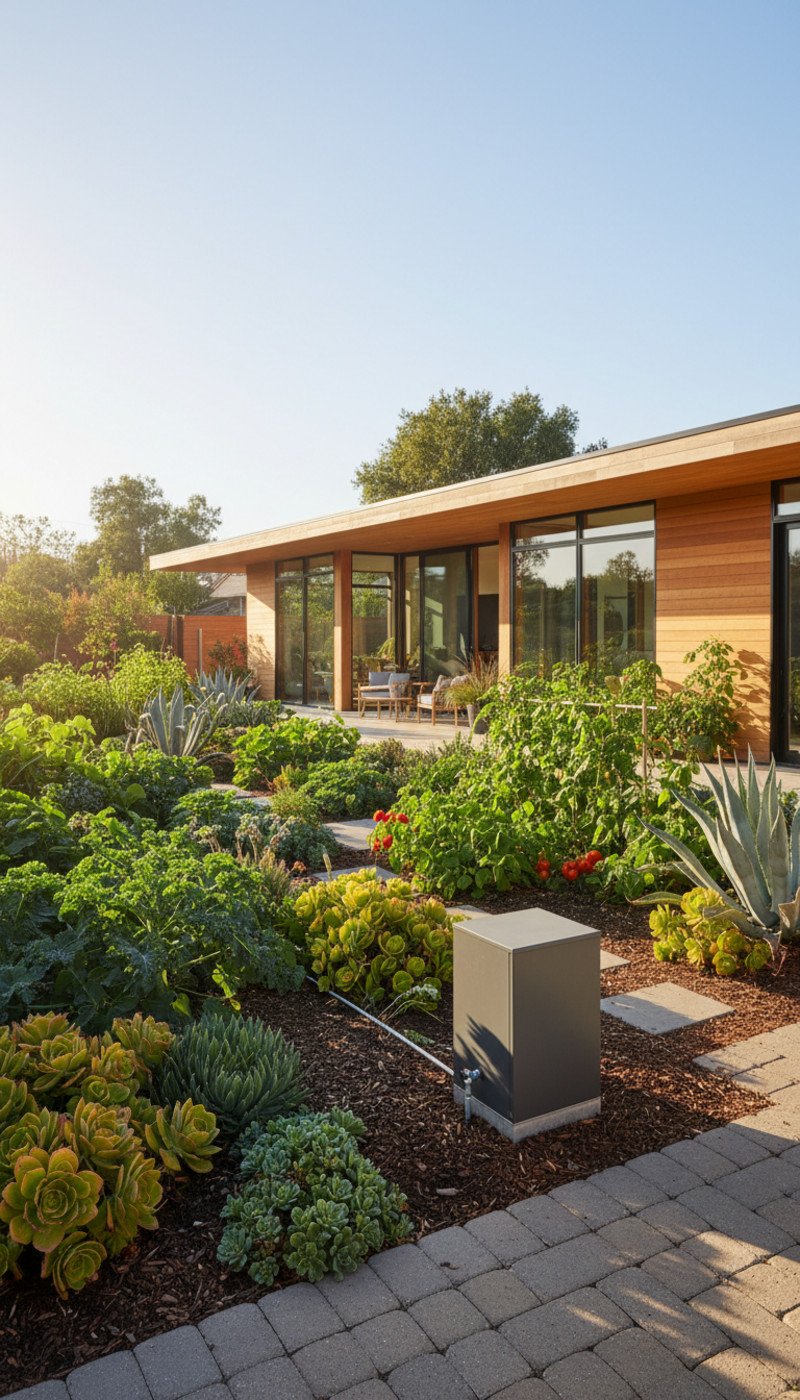
The amount of water you can save depends heavily on your household size and the type of system you install. On average, a home water reclamation setup can save between 50 to 150 gallons per day. Over a year, this accumulates to a staggering 18,000 to 55,000 gallons of water, according to industry reports from Water Wise Group.
Let’s break down the two main types of systems:
Simple Diversion Systems
These are the most common and affordable entry points into greywater recycling. A simple diversion system, often called “laundry to landscape,” redirects water from your washing machine directly to your garden via a hose network. For a typical two to four person household, a system like this can reuse 20,000 to 40,000 gallons of water annually. This translates to a direct reduction in municipal water usage and can lower your water bills by an impressive 30 to 40 percent.
Advanced Treatment Systems
More sophisticated systems collect water from multiple sources (showers, sinks, and laundry) and put it through a filtration process before storage and distribution. While they require a larger upfront investment, their efficiency is notable. For example, data on the Hydraloop system shows its H300 model saves a family of three about 18,700 gallons per year, while the larger H600 model saves a family of six around 30,000 gallons annually, as highlighted in a report by the Energy & Environmental Building Alliance. These systems not only provide water for irrigation but can sometimes be treated to a standard suitable for toilet flushing, further enhancing savings. Making these changes is part of a broader strategy for creating a sustainable home, much like considering other energy efficient upgrades to cut utility bills.
Drought-Proof Your Landscape: Greywater’s Role in Water Security
For those living in arid or drought prone regions, a greywater system transcends being a mere cost saving measure; it becomes a cornerstone of water security and landscape resilience. When municipalities impose strict watering schedules or outright bans, having an independent water source for your plants, trees, and garden can be the difference between a lush oasis and a barren yard.
This is where a greywater setup becomes an essential sustainable irrigation system. Instead of relying on precious potable water to keep your landscape alive, you use recycled water that would otherwise go down the drain. This practice significantly reduces the strain on municipal water supplies, a critical community benefit during prolonged dry spells. In some areas, this is an important part of a larger plan for firescaping and creating a defensible space around your property.
The impact is particularly evident in states like Arizona, where water scarcity has led to halts in new building permits in some areas. Here, greywater is seen as a vital tool. According to a report by KJZZ, residential systems are credited with saving 20,000 to over 50,000 gallons per household annually. This has prompted some developers to incorporate greywater systems to earn density credits, allowing them to build more homes. At a larger scale, multifamily properties can save hundreds of thousands to millions of gallons each year, demonstrating the profound potential of this technology.
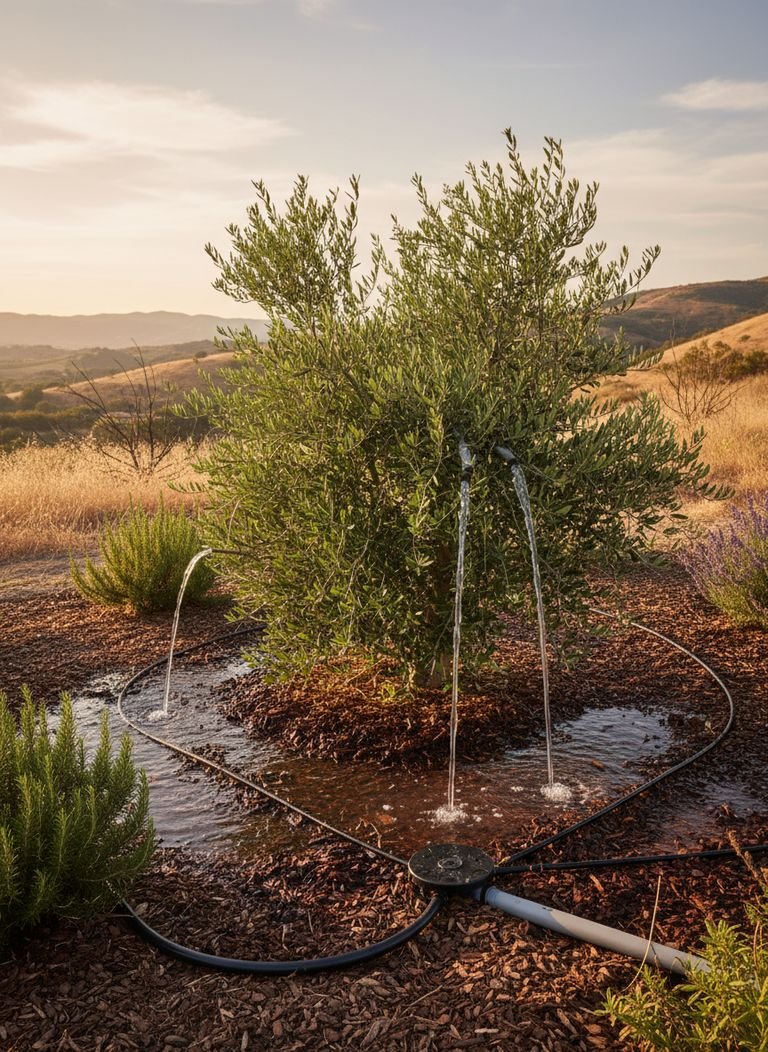
By implementing a greywater system, you are not just watering your garden; you are building a more self sufficient household. You ensure the survival of your fruit trees, vegetable patch, and ornamental plants, which are not only aesthetically pleasing but can also represent a significant financial investment. Using native and drought tolerant species, especially keystone plantings that support local ecosystems, further amplifies the sustainability of your landscape.
Navigating the Nuances: What Current Research Doesn’t Explicitly Tell Us (Yet)
While the benefits of a greywater recycling system are clear, the online landscape is surprisingly sparse on the practical, long term details homeowners need. The available information often focuses on the high level benefits without delving into the complexities of ownership. This transparency gap can make it difficult to anticipate the full scope of a greywater project.
Here are some critical areas where detailed public data is lacking:
| Area of Uncertainty | What We Know | What’s Missing |
|---|---|---|
| Maintenance & Health | Systems require filters to be cleaned and pumps to be maintained. | Specific data on the most common maintenance challenges, user complaints comparing DIY vs. professional installs, or the long term effects of soap and bacteria residue on different soil types. |
| True Cost of Ownership | Hybrid systems can have annual maintenance costs of $500 to $2,000. | Comprehensive cost breakdowns for purchasing a residential greywater kit, installation labor, permitting fees, and expected maintenance expenses for simple diversion systems. ROI calculations are rarely provided. |
| Regulatory Specifics | Regulations vary by state and municipality. Arizona is permissive to encourage adoption. | A clear ranking of which states or cities are the most or least restrictive. There is no central resource detailing specific technical requirements, plumbing code amendments, or system design specifications homeowners must follow. |
| Problem Mitigation | Systems can face issues like clogging and odor if not properly managed. | Proven strategies or specific products to mitigate common problems. For instance, what are the best filters for hair, or what additives can prevent nutrient imbalances in clay soil? |
This lack of granular detail underscores a crucial point: installing a greywater system, particularly a more complex one, is not a simple DIY project. The potential for error is high, from violating obscure local plumbing codes to inadvertently damaging your soil or creating a health hazard. The smartest approach involves pairing your enthusiasm for sustainability with expert guidance. Similar to installing WaterSense fixtures to ensure efficiency, consulting a professional for greywater ensures safety and effectiveness.

Is a Greywater System Right for You?
A greywater recycling system offers a powerful solution for homeowners looking to reduce their environmental footprint, lower utility costs, and build resilience against drought. The numbers are compelling, with the potential to save tens of thousands of gallons of water each year and significantly cut your water bill. For those in water scarce regions, it’s a strategic investment in the long term health and viability of your landscape.
However, it’s essential to approach this technology with a clear understanding of its complexities. The gaps in publicly available data on maintenance, true costs, and regulations mean that professional consultation is not just recommended; it’s necessary for a successful and safe installation. By working with an expert, you can design a system tailored to your home, soil type, and local codes, ensuring you reap all the benefits without the unforeseen pitfalls.
Ultimately, a well planned greywater recycling system is more than just an eco friendly upgrade. It’s a practical step towards a more self sufficient and sustainable home, transforming your outdoor living space into a testament to responsible water stewardship.
Frequently Asked Questions About Greywater Recycling
What is greywater and is it safe for my garden?
Greywater is the gently used water from your bathroom sinks, showers, tubs, and washing machines. It is not water that has come into contact with feces, such as from toilets (blackwater) or food waste, like from kitchen sinks. When used correctly with plant friendly soaps, it is perfectly safe for irrigating ornamental plants, fruit trees, and lawns. It should not be used on root vegetables that are eaten raw.
How much does a residential greywater recycling system cost?
Costs vary dramatically. A simple “laundry to landscape” diversion system can be a DIY project for a few hundred dollars. More complex, professionally installed systems with pumps, filters, and storage tanks can range from a few thousand to over ten thousand dollars. The lack of transparent pricing makes it crucial to get multiple quotes from experienced installers.
Do I need a permit to install a greywater system?
This depends entirely on your local and state regulations. Some states, like Arizona, have very permissive laws for simple systems that don’t require a permit. However, more complex systems or systems in more restrictive areas will almost certainly require permits and inspections by a licensed plumber. Always check with your local building or planning department first.
What kind of maintenance is required for a greywater system?
All systems require some maintenance. Simple diversion systems may only need an occasional check to ensure water is distributing evenly. Systems with filters require regular cleaning (monthly or quarterly) to prevent clogs from hair and lint. More advanced systems with pumps and treatment technology may require annual professional servicing, which can cost between $500 and $2,000.
Can I store greywater for later use?
It is generally not recommended to store untreated greywater for more than 24 hours. The organic matter and bacteria in the water will begin to break down, creating foul odors. If you want to store greywater, you must invest in a system with advanced filtration and sanitation components, such as UV sterilization, to keep it stable and safe for later use.