

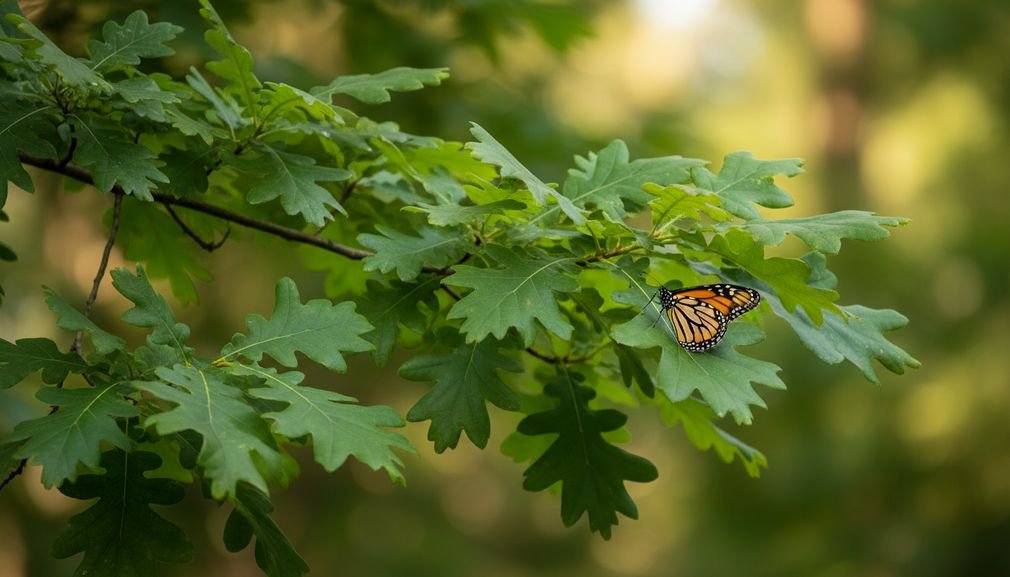
Effective keystone planting is the single most powerful strategy for transforming your garden from a simple green space into a thriving, high-impact ecological hub. It moves beyond the general advice of “plant natives” and focuses on a scientifically-backed approach that delivers measurable support to local wildlife with fewer, more strategic plant choices. This guide provides the clear, actionable steps needed to identify, establish, and nurture the powerhouse plants that form the bedrock of your local food web.
Key Takeaways
- A keystone plant is a native species that disproportionately supports the local ecosystem. Shockingly, just 14% of native plant genera in North America support 90% of butterfly and moth species.
- Your specific ecoregion and zip code determine which plants are true keystones. A powerhouse plant in the Mid-Atlantic may not have the same impact in the Great Plains.
- Focus first on foundational woody plants like oaks (Quercus), cherries (Prunus), and willows (Salix), as they provide the greatest larval support and habitat structure for wildlife.
Table of Contents
- Understanding Keystone Planting: The Secret to High-Impact Ecosystem Support
- The Quantifiable Power of Keystone Plants: More Wildlife, Fewer Plants
- Your Ecoregion Matters: Unlocking Local Keystone Plant Lists
- Top Keystone Trees & Shrubs: The Foundation of Biodiversity
- Beyond the Basics: Addressing What Most Keystone Plant Guides Miss
- Practical Steps for Establishing Keystone Plants Successfully
- Finding Your Local Keystones: Authoritative Resources & Tools
- Conclusion: Start Your High-Impact Garden Today
- Frequently Asked Questions About Keystone Planting
Understanding Keystone Planting: The Secret to High-Impact Ecosystem Support
Keystone planting is not about simply choosing native plants; it’s a targeted ecological strategy. A keystone plant is a native species that forms the backbone of a local ecosystem, much like the keystone in an arch holds all other stones in place. If you remove it, the entire structure collapses. While all native plants offer some ecological value, high impact native plants—the keystones—are critical food sources and habitat for a vast number of other species, particularly insects that form the base of the food web.
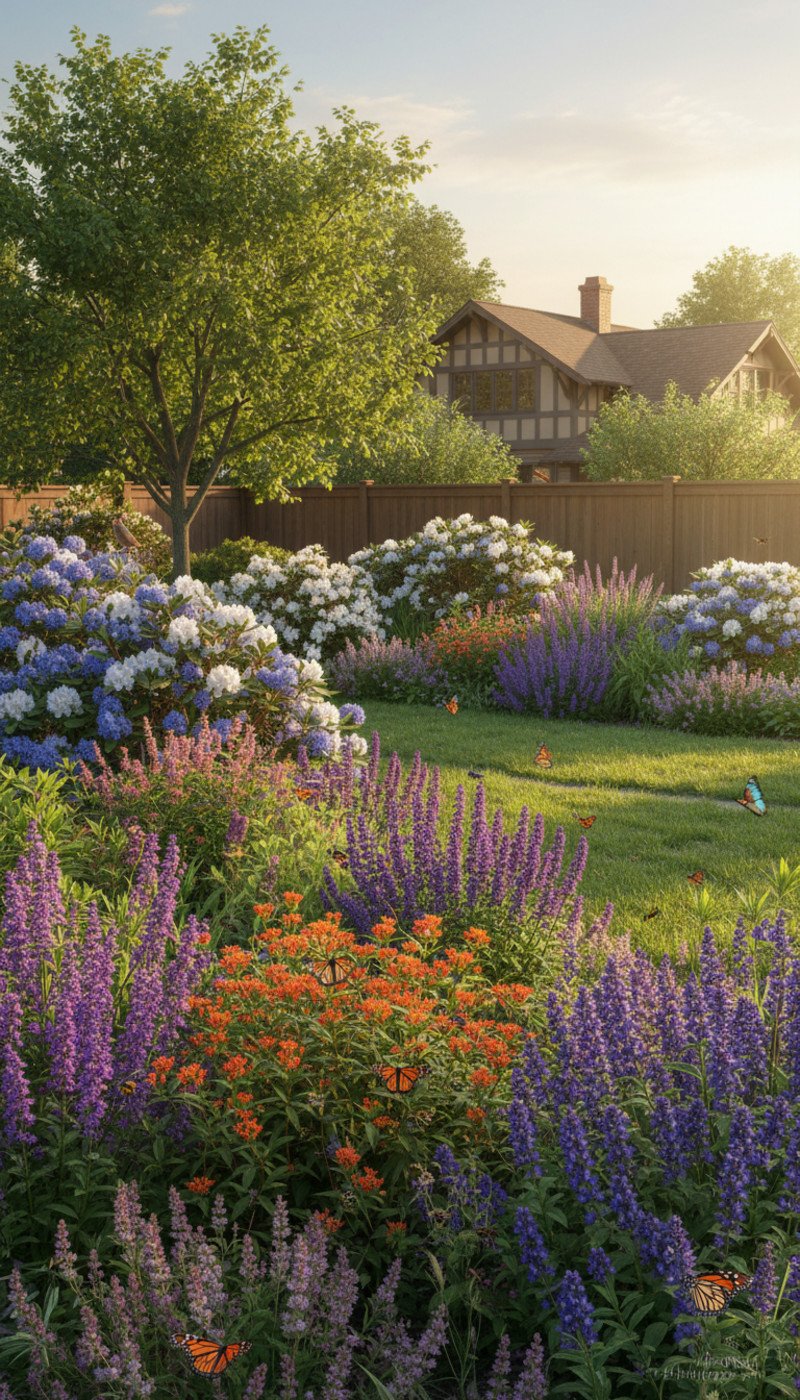
The distinction is critical. A general native plant might support a handful of local insect species. A keystone plant, however, can support hundreds. This is because certain insects, especially the larvae (caterpillars) of butterflies and moths, have co-evolved to digest the specific chemical compounds of only a few plant lineages. These caterpillars are, in turn, the primary food source for baby birds. No caterpillars means no baby birds. Research has found that keystones are defined by their ability to support 90% of Lepidoptera (butterfly and moth) species, while comprising only 14% of all native plant genera in North America. This incredible efficiency is the secret to making a real difference, even in a small yard.
The Quantifiable Power of Keystone Plants: More Wildlife, Fewer Plants
The ecological leverage provided by keystone planting is backed by powerful, recent data. It’s not just a feel-good concept; it’s a quantifiable conservation tactic. The work of entomologist Dr. Doug Tallamy and his research team at the University of Delaware has been pivotal in identifying these ecological superstars.
According to a summary of this research by the National Wildlife Federation (NWF), a staggering 90% of butterfly and moth species across North America depend on just 14% of native plant genera for larval support. This means a gardener can achieve immense ecological restoration by focusing on this small, powerful group of plants. Adding a single keystone tree to your yard can provide more food for wildlife than dozens of other, less productive native species combined.
The impact extends to our most important pollinators. While generalist bees can visit many flower types, a significant portion of our native bee population is highly specialized. Research from biologist Jarrod Fowler shows that between 15% and 60% of North American native bee species are pollen specialists. These high impact native plants for bees depend entirely on the pollen from about 40% of native plants. By including pollinator keystone species like Goldenrods (Solidago), Sunflowers (Helianthus), and Asters (Symphyotrichum), you are providing an essential food source that many bees literally cannot live without.
Your Ecoregion Matters: Unlocking Local Keystone Plant Lists
One of the most common mistakes in ecological gardening is assuming a keystone plant list is universal. The concept is universal, but the plants themselves are intensely local. The best keystone plants for your garden are dictated by your specific ecoregion, which is a large area of land with a distinct geography, climate, and collection of species. A plant that is a powerhouse in one region might be merely a supporting player—or not even native—in another.
For example, while oaks are keystones in a vast majority of U.S. counties, there are areas where they are outranked. In some parts of Minnesota, zip-code-specific data reveals that willows (Salix), cherries (Prunus), and birches (Betula) support more caterpillar species than oaks. This highlights the critical need for localized data over broad, national recommendations.
The numbers vary significantly by region. In the Mid-Atlantic, for instance, oaks (Quercus) host an incredible 534 Lepidoptera species. Yet, right behind them, native cherries and willows each host 456 species, making them equally critical choices. Relying on an ecoregion-specific or zip-code-specific list ensures your efforts are not wasted on a plant that isn’t optimized for your local food web.
Top Keystone Trees & Shrubs: The Foundation of Biodiversity
While herbaceous perennials are vital, the true foundation of a biodiverse landscape is built with woody plants: trees and shrubs. They provide the most biomass, habitat structure, and, most importantly, food for insects. When comparing keystone trees vs native trees of lesser value, the difference is astronomical.
Across all of North America, the genus Quercus (oaks) stands alone, supporting a confirmed 952 caterpillar species, according to 2021 NWF data. Other top-tier woody genera that consistently rank as keystones across multiple ecoregions include:
- Prunus (Cherries and Plums): These are superstars for both early-season pollinators and a huge number of caterpillars. In the Eastern Temperate Forests, they support over 340 caterpillar species.
- Salix (Willows): Willows are one of the most important early-season food sources for queen bees emerging from hibernation. Their catkins provide critical pollen and nectar when little else is available.
- Betula (Birches): A powerhouse genus, especially in northern climates, supporting hundreds of caterpillar species.
- Populus (Poplars, Cottonwoods, and Aspens): Particularly vital in the Great Plains and other grassland-dominated ecoregions.
Integrating these foundational plants is a core component of habitat gardening, as they directly create the food—caterpillars—that 96% of terrestrial birds need to raise their young. One oak tree can become a bird feeder that never runs empty.
Beyond the Basics: Addressing What Most Keystone Plant Guides Miss
Many online guides offer simple lists of keystone plants, but they often stop there, leaving gardeners with critical knowledge gaps. A significant issue is the consistent lack of quantifiable long-term ecological impact measurement. Articles rarely, if ever, present case studies showing multi-year insect biomass changes or bird population increases after a keystone planting project. While the science is sound, real-world project data is still emerging.
Another major gap is the lack of detailed, species-specific care requirements. A guide might list “Oak,” but it won’t tell you that a White Oak (Quercus alba) needs well-drained soil and full sun, while a Pin Oak (Quercus palustris) can tolerate wet feet. This lack of nuance can lead to planting failure and frustration. For a truly pet-ready home and garden, knowing which plants are toxic is also crucial, a detail often missed in purely ecological lists.
Finally, few resources discuss the financial and time investment realistically. They don’t cover the cost differences between bare-root saplings and larger potted trees, or the fact that some keystone species may take 5 to 10 years to reach a size where they begin providing significant ecological function. Setting realistic expectations is key to long-term success.
Practical Steps for Establishing Keystone Plants Successfully
Successfully adding keystone plants to your landscape involves more than just digging a hole. Following a few practical steps can dramatically increase your success rate and accelerate the ecological return on your investment.
- Identify Your Local Superstars: Before you buy anything, use the tools in the next section to get a zip-code-specific list of keystone plants for your ecoregion. Focus on the top 5 trees, shrubs, and perennials.
- Source Plants Responsibly: Always seek out nurseries that specialize in native plants from local seed stock (local ecotypes). These plants are best adapted to your specific climate and soil and will be most recognizable to local wildlife. Avoid “nativars” or cultivars that have been bred for ornamental traits like double flowers or different leaf colors, as these changes can make the plant useless to pollinators and herbivores.
- Plan Your Placement: Match the plant to the right conditions. Research the specific light, soil, and moisture requirements for the species you’ve chosen. A sun-loving prairie plant will fail in a shady, wet corner of your yard. Proper planning for your outdoor living space ensures plants thrive.
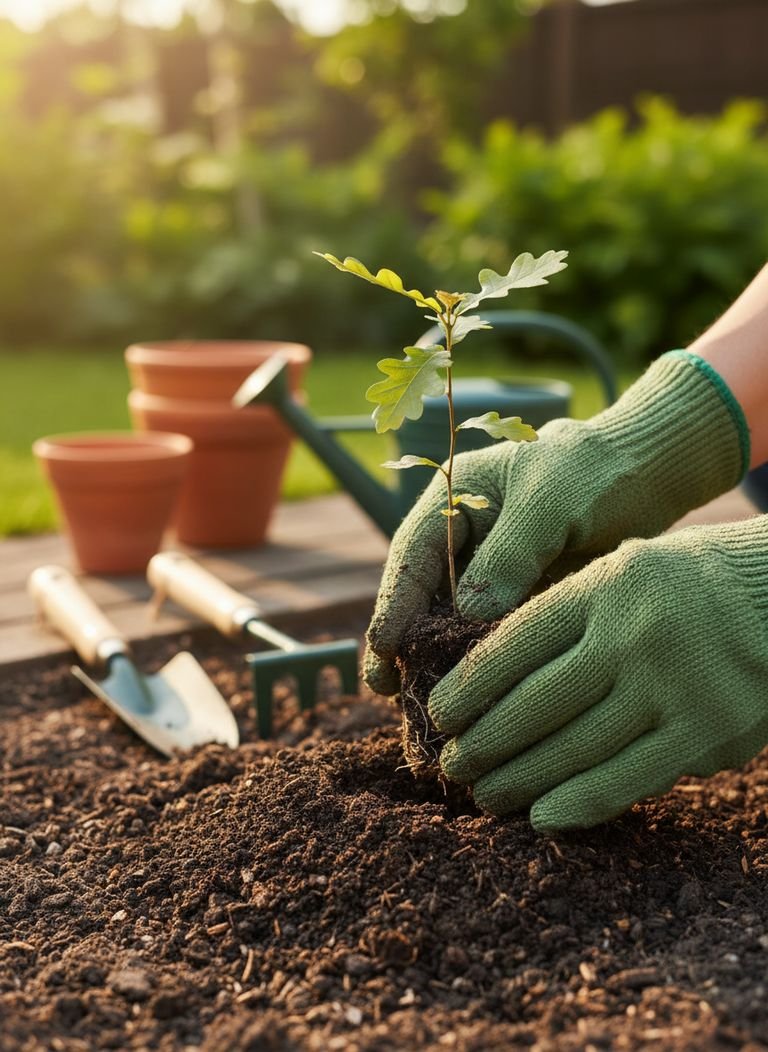
- Plant for Success: Plant trees and shrubs in the fall or early spring to minimize transplant shock. Dig the hole two to three times wider than the root ball but no deeper. Ensure the root flare (where the trunk widens at the base) is visible at or slightly above ground level. Water deeply and consistently for the first one to two years as the plant establishes.
Patience is essential. While you may see an increase in bees and butterflies in the first season, the full ecological benefit unfolds over years as your plants mature and the local wildlife discovers your new habitat. In wildfire-prone areas, a key part of your planning should include firescaping principles, choosing appropriate keystone plants and creating defensible space.
Finding Your Local Keystones: Authoritative Resources & Tools
The most critical step in keystone planting is finding an accurate, science-based list of plants for your exact location. Generic blog posts are not sufficient. Fortunately, several authoritative organizations have developed powerful online tools to provide this precise data.
The premier resource is the National Wildlife Federation’s Native Plant Finder. This tool allows you to enter your zip code and instantly receive a ranked list of native plants based on the number of butterfly and moth species they support. It is the most direct application of Dr. Tallamy’s research and is an indispensable starting point.
Other excellent resources include:
- Homegrown National Park: Founded by Dr. Tallamy, this organization provides extensive resources, including keystone plant lists broken down by ecoregion, to support the goal of regenerating biodiversity.
- National Audubon Society’s Plants for Birds: This is another zip-code-based tool that helps you find native plants that specifically attract and support local bird populations by providing the insects and berries they need.
- Your State’s Native Plant Society: These local organizations are treasure troves of region-specific information, nursery lists, and expert advice from people who have hands-on experience with these plants in your area.
Using these authoritative resources ensures you are making data-driven decisions that will result in the greatest possible ecological benefit. They are the most reliable way to identify the keystone plants that will truly power your local ecosystem.
Conclusion: Start Your High-Impact Garden Today
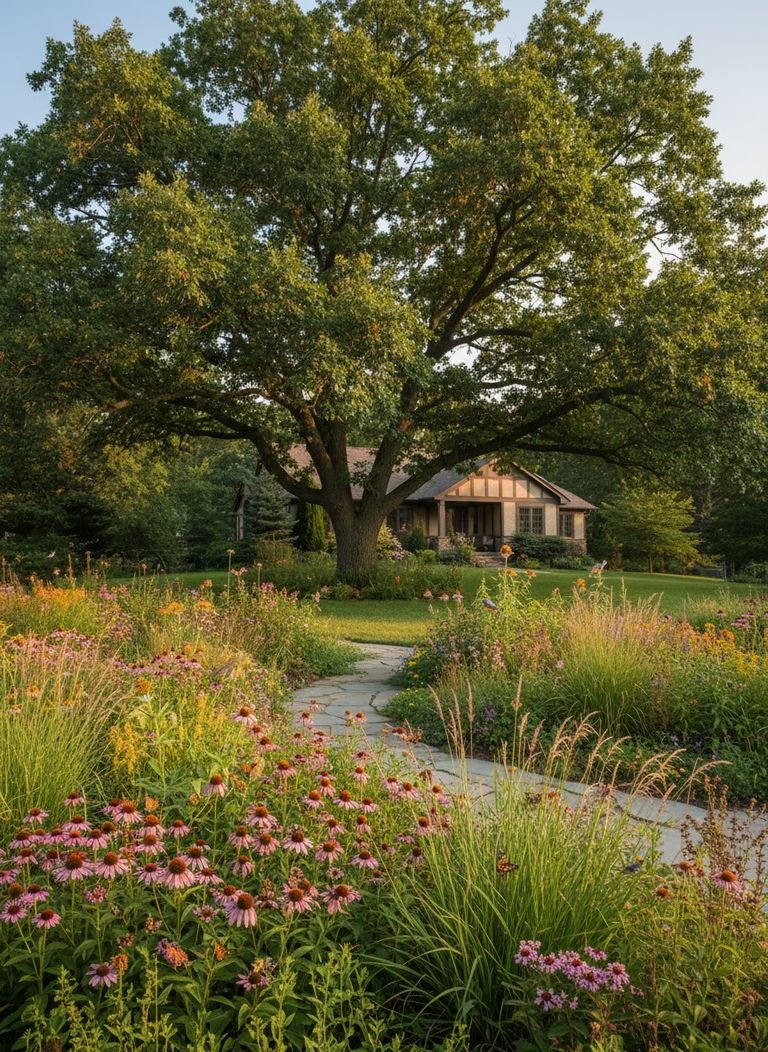
Moving from a conventional garden to one built on the principles of keystone planting is a profound shift in perspective. It redefines success, moving from purely aesthetic goals to ones of ecological function and biodiversity support. By focusing your efforts on the small percentage of powerhouse plants that do the most work, you can create a vibrant, resilient habitat that supports a complex food web of insects, birds, and other wildlife.
The process is straightforward: use authoritative, zip-code-specific tools to identify your local keystones, start with foundational trees and shrubs, and source your plants responsibly. The data is clear—this strategic approach delivers an outsized return on your gardening investment. Embracing keystone planting is the most effective action any gardener can take to combat biodiversity loss, right in their own backyard.
Frequently Asked Questions About Keystone Planting
What is the difference between a native plant and a keystone plant?
A native plant is any plant that occurs naturally in a specific region without human introduction. A keystone plant is a specific type of native plant that has a disproportionately large effect on its ecosystem. For example, while hundreds of plants may be native to an area, only a small fraction of them—the keystones—might support 90% of the local caterpillar population.
How many keystone plants do I need to make a difference?
Even one is a great start! A single keystone tree, like a native oak or cherry, can support hundreds of insect species and become a critical food source for birds. The goal is to gradually increase the percentage of keystone plant biomass in your yard. Start with one tree or a small patch of keystone perennials like goldenrod or asters.
Are keystone plants harder to grow than other natives?
No, they are not inherently more difficult. The key to success with any plant, keystone or not, is “right plant, right place.” As long as you match the plant’s specific needs for sunlight, water, and soil type to the conditions in your yard, it should thrive. Keystone plants have the advantage of being perfectly adapted to your local climate.
Can I do keystone planting in a small yard or on a balcony?
Absolutely. For small yards, focus on smaller-statured keystone trees and shrubs, such as a Dwarf Chestnut Oak (Quercus prinoides) or a Serviceberry (Amelanchier). For balconies and patios, you can plant keystone perennials in containers. Plants like asters, goldenrods, and native sunflowers are excellent choices that support a wide range of specialist bees and other pollinators.
Where is the best place to buy keystone plants?
The best sources are local nurseries that specialize in native plants grown from local ecotype seeds. Avoid big-box stores, as their plants are often treated with systemic pesticides (neonicotinoids) that are harmful to insects and may not be genetically adapted to your area. Check with your state’s Native Plant Society for a list of reputable local growers.