

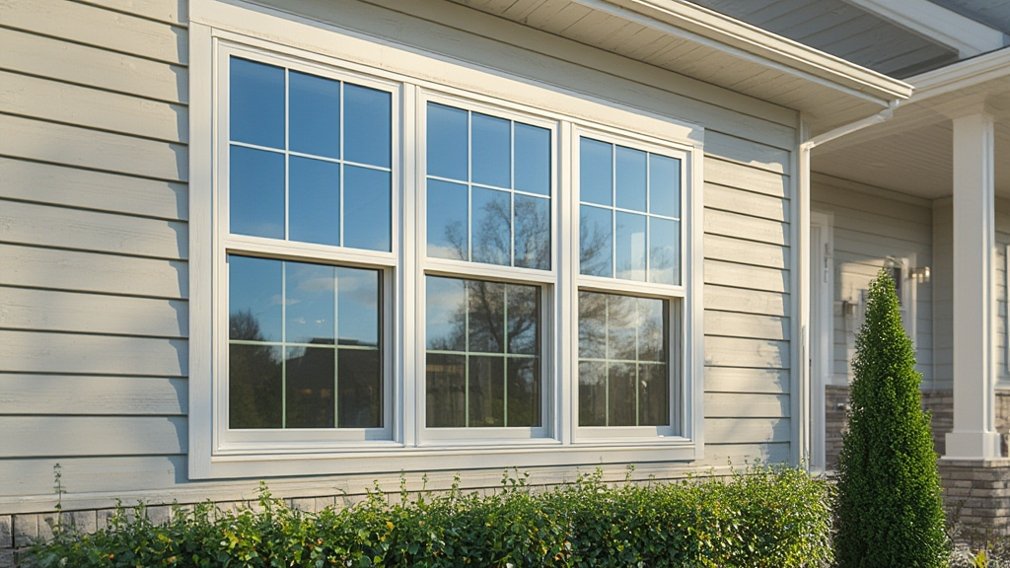
Energy efficient windows are one of the most powerful upgrades homeowners can make to boost comfort and slash energy bills—often delivering surprising whole-home impact. But with so many options and potential pitfalls, making the right choice in 2024 goes far beyond just picking a window labeled “efficient.” Let’s cut through the marketing and show what delivers real results—and what doesn’t—so you invest wisely and avoid common mistakes.
Key Takeaways
- Energy efficient windows can save up to 12 percent on total energy bills, but the true return depends on your existing windows and climate.
- Installation quality and correct product specs matter as much as the brand—common mistakes can undo most of the promised savings or void warranties.
- Demand clear performance numbers (U-factor, SHGC, air leakage) matched to your region, not just ENERGY STAR logos or “triple-pane hype.”
- Understanding Energy Efficient Windows: What & Why
- How to Choose and Install Energy Efficient Windows: A Step-by-Step Guide
- Advanced Analysis & Common Pitfalls: What Top Guides Miss
- Conclusion
- FAQ
Understanding Energy Efficient Windows: What & Why
Energy efficient windows are windows specifically engineered to control heat flow, minimize drafts, and maximize comfort while reducing your heating and cooling costs. They look similar to regular replacements—but feature advanced frames, multi-pane glass, low-emissivity coatings, gas fills, and tighter weathersealing. The aim is simple: reduce how much heat escapes in winter and gets in during summer.
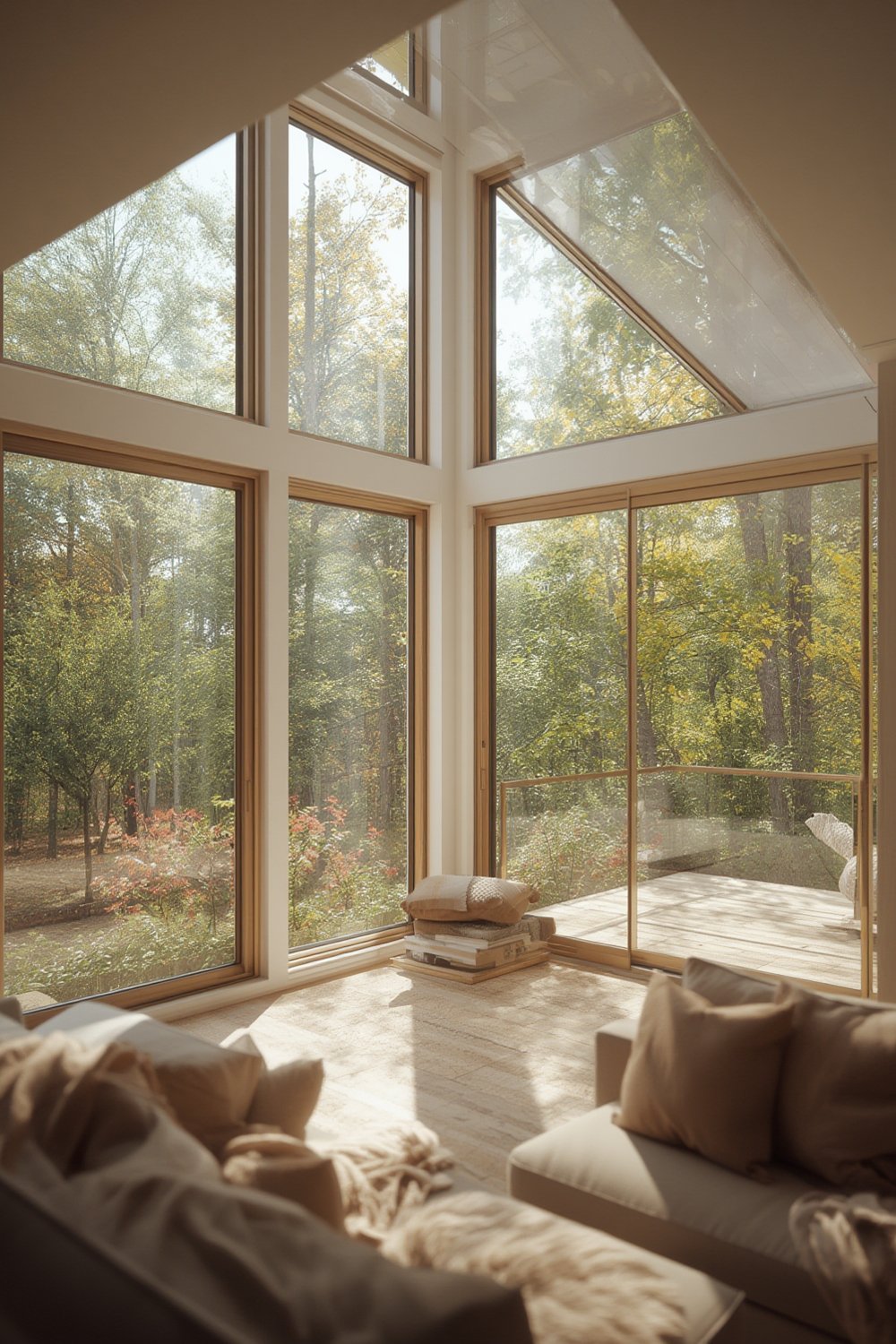
Why does this matter? Although windows are just about 8 percent of the average home’s exterior area, they can account for roughly 43 to 45 percent of all unwanted heat gain and loss. Upgrading poor windows—especially old single-pane or damaged units—can realistically cut annual energy costs by $200 to $600 for a typical home, or even more in harsh climates (source). In some scenarios, especially when fixing truly leaky originals, households have seen heating and cooling bills drop by up to 30 percent (DOE statistics).
But achieving these savings isn’t automatic—matching your climate, budget, and home specifics is essential. For many, windows are the “last mile” of home comfort after tackling insulation, weatherstripping, and HVAC upgrades. Don’t just chase the lowest U-factor—balance performance, daylight, installation, and even acoustic benefits.
How to Choose and Install Energy Efficient Windows: A Step-by-Step Guide
- Assess your current windows and comfort issues.
Inspect for condensation, drafts, fogging, and warped sashes. Rate your winter and summer comfort room by room. Are your main problems cold glass, hot sunlight, or traffic noise? - Set your performance goals—by climate and budget.
In cold regions, prioritize the lowest U-factor (best insulation). In hot or mixed climates, check Solar Heat Gain Coefficient (SHGC) for sun-exposed windows. Always request air leakage data: lower numbers mean fewer drafts. - Scan the NFRC label and demand clear numbers.
Look for the National Fenestration Rating Council (NFRC) label: you want U-factor, SHGC, and air leakage right for your zone (ENERGY STAR guidance). For cold zones: U-factor ≤ 0.28, SHGC 0.35–0.55. For hot: U-factor ≤ 0.32, SHGC ≤ 0.25–0.30. - Research rebate and tax credit eligibility.
In 2024, you can claim a federal tax credit of 30 percent (up to $600 back), plus many utilities offer $25–$150 per qualifying window. Factor this into your pricing—not every window brand/model qualifies (official incentive source). - Choose installer carefully—ask about full-frame vs. insert replacement.
Skilled, correct install is often more important than brand. Insist on absolutely correct flashing, WRB integration, and no exterior caulk-only shortcuts.
Consider reading our full Energy Efficient Upgrades Guide for more on combining window upgrades with attic, wall, or insulation improvements. - Confirm warranty registration and keep all install documentation.
Not registering or deviating from manufacturer install guides is a leading reason for denied claims on leaks or fogging. - Plan for humidity and ventilation adjustment post-upgrade.
High-performance windows make houses tighter. Use exhaust fans, consider adding spot ventilation, and monitor humidity to avoid new condensation issues. - Don’t overlook optional features: noise reduction, UV filtering, child safety locks, and smart blinds.
If you live on a noisy street or near airports, ask explicitly for acoustic ratings (STC/OITC) and consider laminated glass.
For even more energy savings, pairing smart blinds or blinds can make a real difference (modern blind automation guide).
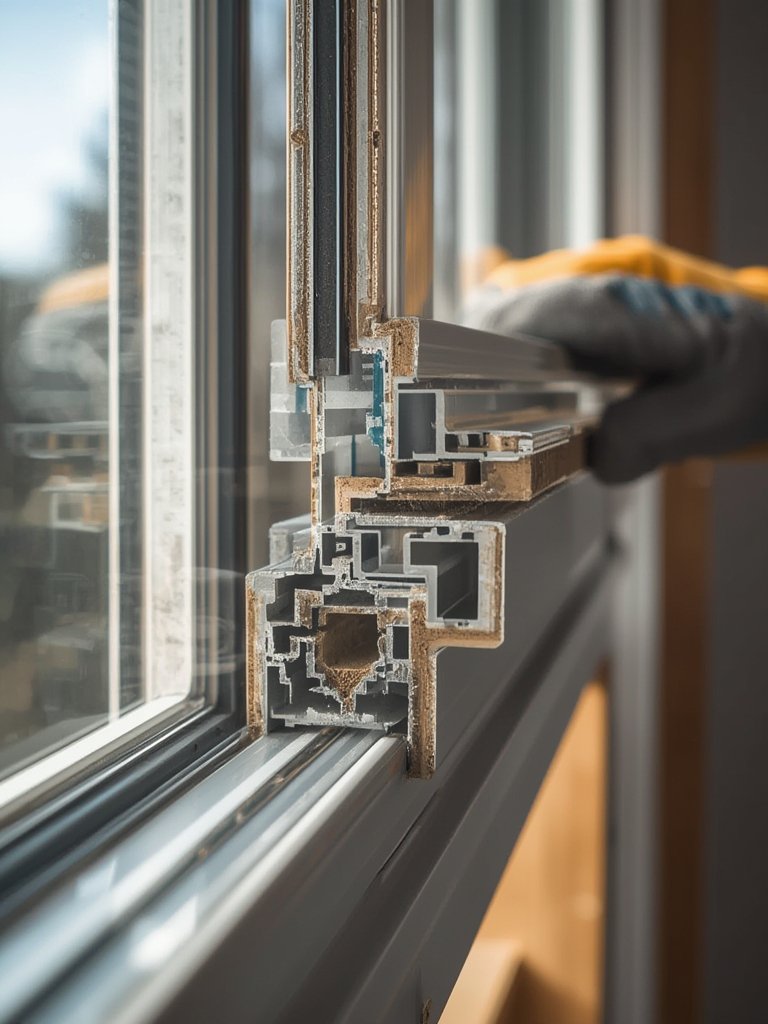
Advanced Analysis & Common Pitfalls: What Top Guides Miss
Real-world window projects go off track for three big reasons: overstated sales expectations, installer shortcuts, and ignoring zone-specific specs. Here’s where most articles skip critical details—and where homeowners get burned.
Unrealistic Noise and Comfort Expectations
Many assume any “triple-pane” or “acoustic” window will eliminate outside noise. Reality: most upgrades provide only an additional 5 to 10 decibel (dB) noise reduction compared to regular double-pane, especially if the rest of your home is still leaky (industry analysis). Even top-tier laminated acoustic units achieve STC ratings in the 32–38 range, but real-life noise reduction inside can be much less unless you address walls, vents, and doors as well.
Condensation, Air Leaks, and Warranty Headaches
The main complaints after window replacement? Condensation between panes, cold drafts, fogging, and “darker” light in rooms. Most trace back to:
- Seal or flashing failures from installation mistakes—not window defects.
- Incorrect foam or shimming causing window deformation, sashes that stick, and extra air leakage.
- Poor humidity control after a tighter envelope—windows foggy, but ventilation fixes the real cause.
- Not registering warranties or lacking proof of professional install, leading to denied service claims.
For more, see our in-depth Bathroom Remodel Guide for additional insights on condensation and indoor humidity balance with modern windows.
Cost Versus Return: The Real Payback Timeline
What should you budget? Here’s a realistic breakdown for 2024—with and without incentives.
| Window Type / Feature | Typical Installed Cost (USD) | Price Impact |
|---|---|---|
| Standard double-pane, low-E, vinyl | $500–$900 | Baseline |
| Premium double-pane (fiberglass, wood-clad) | $800–$1,400 | +20–50% |
| Triple-pane, low-E (vinyl or fiberglass) | $900–$1,600 | +15–30% |
| Acoustic/laminated sound control | $1,000–$2,000+ | +30–70% |
Payback depends on what you start with. Upgrading very old, leaky single-pane windows can pay for itself in 8 to 15 years. Swapping decent double-pane for triple-pane often gives a much longer return—but you’ll likely notice higher comfort, better condensation resistance, and less noise (data source).
Most homeowners claim the biggest value boost from window projects when they combine it with overall energy upgrades or curb appeal improvements, like pairing with a new front door or outdoor living space enhancements.
Specification Gaps: Demand These Numbers
Don’t accept vague descriptions of “ENERGY STAR compliant” or “triple-pane.” Demand U-factor (should be ≤ 0.28 for cold, ≤ 0.32 for hot), SHGC (≤ 0.25–0.55 depending on your region), and air leakage (≤ 0.3 cfm/ft²). For details, refer to ENERGY STAR’s official PDF for exact guidelines. Ask about frame material, gas fill type, and ensure replacement style (insert vs. full frame) fits your actual needs.

Conclusion
Done right, energy efficient windows deliver real comfort, sound control, and savings for years—but “done right” means meeting the specs for your climate and sweating the install details. Don’t let a big window investment fall short. Focus on the right U-factor, SHGC, air-tight install, and climate-specific choices. Document everything for warranty coverage. Combine with smart shading and always look for incentives before signing.
If you’re serious about cutting utility bills, pairing energy efficient windows with simple upgrades like insulation or other energy efficient upgrades will multiply the benefits. Ready to invest? Get multiple quotes, demand real specs, and insist on proven installers. Your home—and your wallet—will thank you.
FAQ
How much can I really save with energy efficient windows?
If replacing outdated single-pane or bad double-pane windows, energy efficient windows can realistically cut total energy use by 10 to 15 percent. That means $200–$600/year for most homes, but exact results depend on local utility rates, your climate, and overall home airtightness.
Do all energy efficient windows qualify for rebates and tax credits?
No. Only ENERGY STAR certified models installed in your primary residence are eligible for the current 30 percent federal tax credit (up to $600 per project), and you’ll need full documentation. Most, but not all, utility programs require similar certification standards.
Will triple-pane windows make my home “quiet” inside?
Triple-pane helps, but usually only gives a modest noise reduction if you pick standard (not acoustic-optimized) glass. The biggest upgrades come from laminated glass or windows with different thickness panes, plus sealing other leakage paths in your home.
What should I watch for to avoid condensation or fogging problems?
First, make sure your installer uses correct flashing, foam, and verifies tight seals. But also monitor and control your home’s humidity after the window upgrade—tighter houses need exhaust fans in baths and kitchens and possibly new spot ventilation.
Can energy efficient windows really reduce cooling needs in hot climates?
Yes, as long as you choose windows with low SHGC (under 0.30 is best). But also pay attention to window orientation, use shading (awnings or blinds), and seal any gaps during install to keep cool air in and hot air out.