

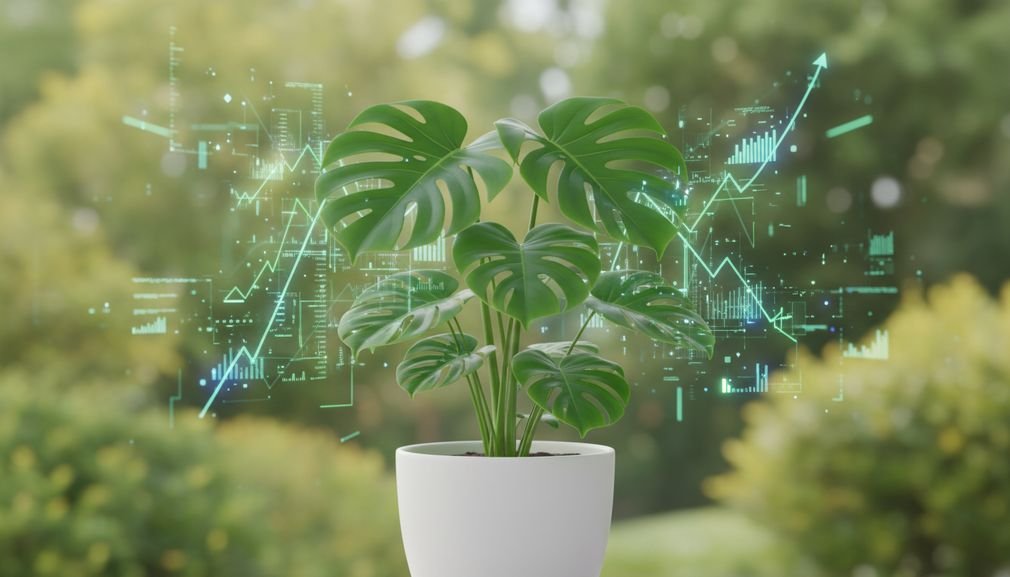
An AI Garden Assistant is poised to become the ultimate tool for tech savvy homeowners, transforming how we manage everything from lawn care to vegetable patches. By merging advanced algorithms with real world garden data, these systems promise a future of automated, hyper efficient, and sustainable gardening.
Key Takeaways
- An AI Garden Assistant uses technology like LLMs and sensors to automate and optimize garden care, from watering schedules to pest identification.
- While specific adoption data for this niche is limited, the broader AI assistant market was valued at USD 16.29 billion in 2024, signaling immense growth potential for specialized applications.
- Practical benefits include optimized water usage through smart irrigation, predictive plant health analysis, and seamless integration with a growing ecosystem of smart home and robotic garden tools.
- The Dawn of the Digital Green Thumb: What is an AI Garden Assistant?
- The Untapped Potential: Why AI Gardening is Poised for Growth
- Beyond Identification: AI for Smarter Plant Health and Planning
- Smart Irrigation: Precision Watering Powered by AI
- Seamless Integration: Connecting Your AI Garden to the Smart Home Ecosystem
- Investing in Your AI-Powered Garden: What to Expect
- The Future of Gardening is Intelligent: Your Next Steps
- Frequently Asked Questions
The Dawn of the Digital Green Thumb: What is an AI Garden Assistant?
An AI Garden Assistant is an intelligent system that combines software, sensors, and sometimes robotics to help you manage your garden with data driven precision. Think of it as a digital horticulturist that lives in your phone or smart home hub. It leverages Large Language Model (LLM) technology to understand your goals, analyze data from soil sensors and weather forecasts, and provide actionable advice. This goes far beyond simple reminders, offering sophisticated support for everything from initial garden planning and plant selection to ongoing pest management and nutrient recommendations. For many modern homeowners, this is the next logical step in creating a fully automated and responsive living environment, extending smart technology beyond the walls of the house and into the outdoor living space.

While specific adoption statistics for garden focused AI are still emerging, the underlying technology is booming. The global AI assistant market was valued at a staggering USD 16.29 billion in 2024, with a projected compound annual growth rate (CAGR) of 18.8% through 2033, according to a report from Grand View Research. This explosive growth in the broader market creates a fertile ground for niche applications like the AI Garden Assistant to take root and flourish.
The Untapped Potential: Why AI Gardening is Poised for Growth
The path for the AI Garden Assistant is being paved by widespread consumer adoption of general AI tools. The rapid embrace of technologies like ChatGPT demonstrates a public appetite for AI driven solutions that simplify complex tasks. In fact, adoption of generative AI tools among US internet adults is projected to reach 46% by late 2025, a significant jump from 33% in the fall of 2024, as noted by S&P Global Market Intelligence. This trend indicates a strong potential for user acceptance of more specialized AI, including in the garden.
As homeowners become more comfortable integrating technology into their daily lives, the garden presents a clear opportunity for efficiency and sustainability gains. The promise of using less water, avoiding chemical overuse, and achieving healthier plants with less guesswork is a powerful value proposition. The market is currently in its early stages, but as hardware becomes more affordable and software more sophisticated, the AI Garden Assistant is positioned to move from a niche gadget for early adopters to an essential component of the modern smart home.
Beyond Identification: AI for Smarter Plant Health and Planning
Early gardening apps focused heavily on reactive solutions, such as using your phone’s camera as an AI plant disease identifier. While useful, the next generation of AI tools is shifting toward proactive and predictive management. An advanced AI Garden Assistant can analyze long term weather patterns, soil moisture trends, and plant growth stages to anticipate problems before they occur. It can warn you of a potential fungal outbreak after a period of high humidity or suggest nutrient adjustments as a plant enters its flowering stage.
This predictive capability extends to planning. An automated garden planner for 2026 and beyond will do more than just suggest companion plants. It will use AI to create a dynamic, multi year crop rotation schedule to optimize soil health, generate a 3D model of your garden to simulate sunlight exposure throughout the day, and even recommend specific plant varieties that are best suited to your precise microclimate. This is a level of hyper personalization that traditional gardening methods cannot match. A great parallel to this concept is the use of digital twins in gardening, where a virtual model perfects the real world outcome.
Smart Irrigation: Precision Watering Powered by AI
One of the most immediate and impactful applications of an AI Garden Assistant is through a Smart Irrigation App. These systems use real time data to deliver the precise amount of water your plants need, exactly when they need it, eliminating the waste and guesswork of fixed timer schedules. While there are no specific case studies yet quantifying water reduction from these nascent systems, the principle is sound and proven in commercial agriculture.
Setting up a smart irrigation system involves a few key steps:
- Hardware Installation: This typically includes a smart water controller that replaces your existing timer and, for maximum efficiency, wireless soil moisture sensors placed in different zones of your garden.
- App Configuration: You’ll connect the controller to your Wi-Fi and use the companion app to input details about your garden, such as plant types, soil composition, sun exposure, and sprinkler head types for each zone.
- AI Calibration: The system then pulls in local weather forecast data. The AI combines this with your inputs and sensor readings to create a dynamic watering schedule. It will automatically skip watering on rainy days and adjust duration based on temperature and humidity.
- Monitoring and Adjusting: The app provides detailed reports on water usage and soil moisture levels, allowing you to monitor performance and make manual tweaks if needed. Over time, the AI learns your garden’s specific needs and refines its schedule for optimal plant health.

This move toward AI driven landscaping not only saves water and money but also promotes deeper root growth and more resilient plants by avoiding the shallow watering cycles common with traditional timers.
Seamless Integration: Connecting Your AI Garden to the Smart Home Ecosystem
The true power of an AI Garden Assistant will be realized when it integrates seamlessly with the rest of your smart home. Currently, the market is fragmented, and technical specifications for how these devices will communicate are not yet standardized. We lack clear data on required Wi-Fi bands or universal support for sensor protocols like Matter and Thread for the 2025-2026 product cycle.
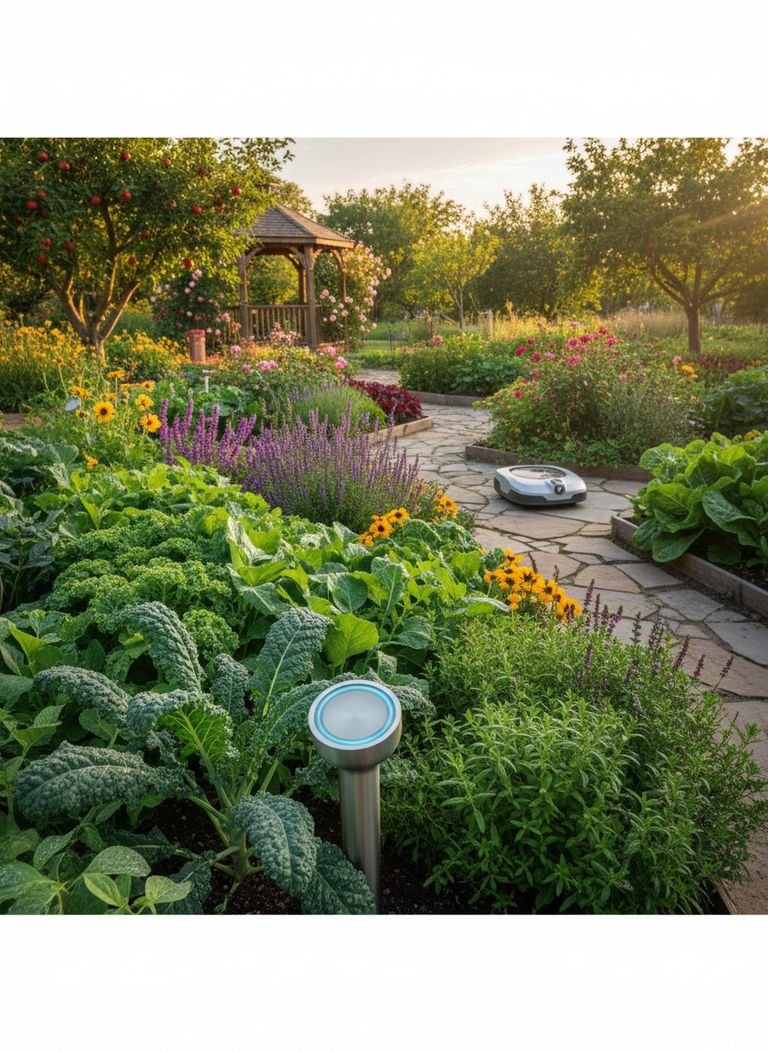
However, the future is clear. Imagine your garden assistant communicating with your smart blinds to close them on a hot afternoon, reducing heat stress on indoor plants near a window. Or, consider a future with robotic weeder integration, where the AI identifies a weed in its camera feed and dispatches an autonomous robot to remove it without any human intervention. For this to work, a robust and open communication standard is essential. When choosing early products, look for those that mention compatibility with major platforms like Apple HomeKit, Google Home, or Amazon Alexa, as this indicates a commitment to interoperability. Getting help from professional smart home installation services can also bridge the gap between different ecosystems.
| Feature | Current State (2024) | Future Vision (2026+) |
|---|---|---|
| Connectivity | Mostly proprietary systems using 2.4 GHz Wi-Fi; limited cross-brand integration. | Widespread adoption of Matter/Thread protocols for universal device communication. |
| Automation | Automated irrigation schedules and basic sensor-based alerts. | Fully autonomous systems with robotic weeding, pruning, and harvesting capabilities. |
| Data Analysis | Reactive analysis (e.g., identifying a visible disease). | Predictive analysis (e.g., forecasting pest risk based on weather patterns). |
The key takeaway for early adopters is to be aware of these integration challenges. You may be buying into a “walled garden” ecosystem initially. Prioritize systems that have a clear roadmap for future integrations or are built on open API platforms.
Investing in Your AI-Powered Garden: What to Expect
As a nascent market, concrete pricing data for a comprehensive AI Garden Assistant setup is not yet available. However, we can anticipate a two part cost structure: initial hardware expenses and ongoing subscription fees. Hardware could include a central hub, smart water controllers, soil sensors for moisture and pH, and perhaps an outdoor camera. The initial investment could range from a few hundred to over a thousand dollars, depending on the complexity and size of your garden.
Many companies will likely adopt a subscription model for the AI software itself. This fee would cover the costs of processing data, accessing advanced AI models for plant disease identification and garden planning, and receiving continuous software updates. While specific monthly or annual fees are unknown, it is crucial to factor this recurring cost into your budget. View this not as an expense, but as an investment in water savings, higher yields, and the time you get back from automating routine garden chores.
The Future of Gardening is Intelligent: Your Next Steps
The era of the digital green thumb is just beginning. While the market for a dedicated AI Garden Assistant is still young, the underlying trends in AI adoption and smart home technology point toward a future where our gardens are as connected and intelligent as our homes. From a water saving Smart Irrigation App to a fully autonomous system that manages plant health, the potential for transformation is immense.
For tech savvy homeowners and gardening enthusiasts, now is the time to start exploring. Begin with a single component, like a smart irrigation controller, to understand the benefits firsthand. As you plan your garden, consider how these emerging technologies can help you achieve your goals more efficiently and sustainably. By embracing this technology early, you can create a thriving, resilient, and beautiful garden powered by data. The future of your landscape is a partnership between nature and a smart AI Garden Assistant.
Frequently Asked Questions
What does an AI Garden Assistant actually do?
An AI Garden Assistant automates and optimizes garden care. It can control smart irrigation systems based on weather and soil data, identify pests and diseases from a photo, recommend planting schedules, and provide tailored advice to improve plant health, saving you time and resources.
Do I need to be a tech expert to use an AI Garden Assistant?
No. While the technology is advanced, most systems are designed for user friendliness. They typically use a smartphone app with a guided setup process. If you can set up a smart speaker or smart thermostat, you can likely install and manage a basic AI garden system.
How much does an AI Garden Assistant cost in 2024?
Specific pricing is still emerging. Expect an initial hardware cost for controllers and sensors, potentially from $200 to $1000+, depending on garden size. Additionally, many services will likely have a monthly or annual subscription fee for the AI software, similar to home security systems.
Can an AI system work in any garden?
Yes, the technology is adaptable to various environments, from small balcony container gardens to large backyards. The key is choosing a system with the right sensors and controllers for your specific needs, whether it’s drip irrigation for vegetable beds or sprinklers for a lawn.
Is an AI Garden Assistant better than a traditional gardener?
It serves a different purpose. An AI excels at data analysis, consistency, and 24/7 monitoring, especially for tasks like irrigation. It can’t perform physical tasks like pruning, weeding, or planting (unless integrated with robotics). It’s best viewed as a powerful tool that assists the gardener, providing insights that lead to better results.