

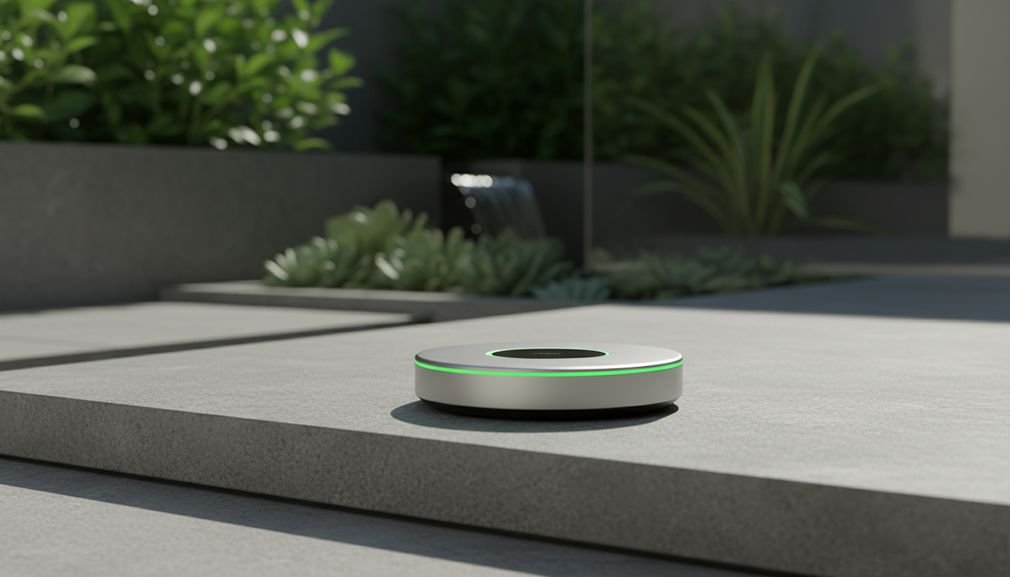
An AI Garden Assistant is the ultimate tool for creating a thriving, sustainable garden with less effort, leveraging technology to automate and optimize every aspect of plant care. Imagine a digital expert that knows exactly what your plants need, before you do—saving you time, water, and guesswork. For the tech-curious homeowner who dreams of a lush backyard but struggles with the time and expertise required, this technology is a game-changer.
Key Takeaways
- An AI Garden Assistant uses sensors, data, and machine learning to automate tasks like watering and fertilization, providing personalized plant care recommendations.
- The market for smart gardening is rapidly growing, projected to triple by 2032, indicating a major shift towards automated, sustainable home gardening.
- While powerful, current AI tools have practical limitations, including device compatibility issues, ongoing maintenance needs, and varying accuracy in disease diagnosis.
- Introducing Your Future Gardener: What is an AI Garden Assistant?
- The Boom in Your Backyard: Why AI Gardening is Taking Root
- Cultivating Sustainability: How AI Optimizes Your Garden’s Health
- Beyond the Hype: Addressing Common Frustrations with AI Gardening Tech
- What to Look For: Essential Features of a Cutting-Edge AI Garden Assistant
- Growing Smarter, Not Harder: The Future of Your Green Space
- Frequently Asked Questions
Introducing Your Future Gardener: What is an AI Garden Assistant?
At its core, an AI Garden Assistant is a system that combines hardware (like soil sensors and automated sprinklers) with intelligent software to monitor and manage your garden’s ecosystem. It acts as a botanist, a meteorologist, and a groundskeeper all in one. Instead of following a rigid, one-size-fits-all schedule, it analyzes real-time data—soil moisture, nutrient levels, local weather forecasts, and even the specific needs of each plant—to make smart decisions. This revolutionizes home gardening by shifting from manual labor and guesswork to a data-driven, automated approach. The promise is simple: a healthier, more beautiful garden with significantly less work and fewer resources, making advanced smart lawn maintenance accessible to everyone.

The Boom in Your Backyard: Why AI Gardening is Taking Root
If you’ve noticed more smart sprinklers and robotic mowers in your neighborhood, you’re not alone. This isn’t just a niche trend; it’s a rapidly expanding market. According to recent industry analysis, the global Smart Gardening Solutions Market was valued at USD 2.0 billion in 2024 and is projected to skyrocket to USD 6.0 billion by 2032. That’s a compound annual growth rate of 15%, a clear signal that homeowners are eagerly adopting these technologies. This boom is driven by a desire for convenience, better results, and a growing interest in sustainable living. As AI becomes more sophisticated and hardware more affordable, the AI Garden Assistant is set to become as common in our yards as a smart thermostat is in our homes.
Cultivating Sustainability: How AI Optimizes Your Garden’s Health
For the eco-conscious gardener, one of the most compelling benefits of an AI Garden Assistant is its ability to foster sustainability. Traditional gardening often leads to wasted resources, primarily overwatering and excessive fertilizer use. AI systems directly combat this inefficiency. By using a network of app controlled soil sensors, the system knows precisely when and how much to water, preventing runoff and conserving a precious resource. Some systems can even integrate with automated fertilization dispensers to deliver specific nutrients only when needed, reducing chemical usage and protecting local water tables. As reported by industry experts, these systems are key drivers in promoting water conservation and reduced chemical use. This move toward precision care not only saves you money but also aligns with a more responsible way of managing your personal green space. It’s the core principle behind AI-Driven Landscaping, which focuses on using technology for maximum efficiency and minimal environmental impact.
The benefits extend beyond just water and nutrients. By maintaining optimal conditions, AI helps create stronger, more resilient plants that are less susceptible to pests and diseases, further reducing the need for chemical interventions. This proactive approach to plant health is a cornerstone of modern, sustainable horticulture. Embracing this technology is similar to upgrading your home with WaterSense fixtures; it’s a smart, responsible choice that delivers tangible benefits for both you and the environment.
Beyond the Hype: Addressing Common Frustrations with AI Gardening Tech
While the promise of a fully automated garden is alluring, the reality for early adopters isn’t always perfect. It’s important to approach this technology with a pragmatic mindset, acknowledging the real-world challenges users currently face. The dream of a “set it and forget it” system often clashes with technical hurdles that can frustrate even a tech-savvy user. Understanding these potential pitfalls is key to making an informed decision and setting realistic expectations for your smart lawn maintenance system.
According to market reports, some of the most frequently cited user frustrations include:
- Compatibility Issues: The smart home world is notoriously fragmented. Your new smart sprinkler system may not communicate with your existing weather station or your preferred home assistant (like Alexa or Google Home). This lack of a universal standard forces users into a single brand’s ecosystem or requires complex workarounds with services like IFTTT.
- Maintenance and Troubleshooting: An AI Garden Assistant is not a single device but a system of interconnected components: sensors, controllers, valves, and software. When something goes wrong—a sensor battery dies, a connection drops, or a software update introduces a bug—diagnosing the problem can be complex and time-consuming. It’s a significant leap from troubleshooting a simple timer.
- Complexity and Adoption Resistance: The initial setup and calibration can be intimidating. Defining zones, inputting plant types, and fine-tuning automation rules require a level of engagement that some users find overwhelming, leading to a “resistance to adoption.”
These challenges highlight the importance of choosing a system with excellent customer support and a strong user community. For complex setups, considering smart home installation services can also save you a significant amount of time and frustration, ensuring all components work together seamlessly from day one.
| The Promise | The Current Reality |
|---|---|
| Effortless Integration All your smart devices work together seamlessly. |
Walled Gardens Many systems work best (or only) within their own brand’s ecosystem, causing compatibility headaches. |
| Perfect Plant Diagnosis Instantly identify any disease with a quick photo. |
Variable Accuracy Diagnosis AI struggles with poor lighting, early-stage symptoms, or multiple concurrent issues. It’s a helpful guide, not an infallible expert. |
| Set It and Forget It The system runs itself with no human intervention. |
Regular Check-ins Required Sensors need cleaning, batteries need replacing, and software needs updating. It reduces work, but doesn’t eliminate it. |
What to Look For: Essential Features of a Cutting-Edge AI Garden Assistant
As the market matures, the features that define a truly effective AI Garden Assistant are becoming clearer. To avoid the frustrations mentioned earlier and ensure you invest in a system that delivers on its promises, focus on these essential capabilities. Moving beyond basic timers, a cutting-edge system should offer a suite of intelligent, adaptive tools that make a real difference in your garden’s health and your own workload.
Key Features to Prioritize:
- Hyper-Local Weather Integration: The system should do more than just check the general forecast. Look for AI that pulls data from personal weather stations or hyper-local services. It should not only react to past rainfall but also proactively adjust watering schedules based on predicted rain, wind, and humidity (evapotranspiration).
- Multi-Sensor Data Fusion: The best systems don’t rely on a single data point. They use a combination of app controlled soil sensors (measuring moisture, temperature, and sometimes salinity/NPK levels), ambient light sensors, and weather data. The AI’s job is to fuse this information into a complete picture of your garden’s environment.
- Predictive Analysis and Personalized Recommendations: A top-tier assistant moves from being reactive to proactive. It should use historical data and machine learning to predict potential issues, like fungal growth after a period of high humidity or nutrient deficiencies in a specific plant. It should then provide you with clear, actionable advice, not just raw data.
- Robust Plant Database and Diagnosis Tools: When looking for the best AI for plant disease diagnosis, scrutinize the app’s capabilities. Does it have an extensive, well-vetted database of plants and diseases common to your region? While no AI is 100% accurate, the better ones will ask for multiple photos from different angles and provide a confidence score with their diagnosis, rather than a single, definitive answer.
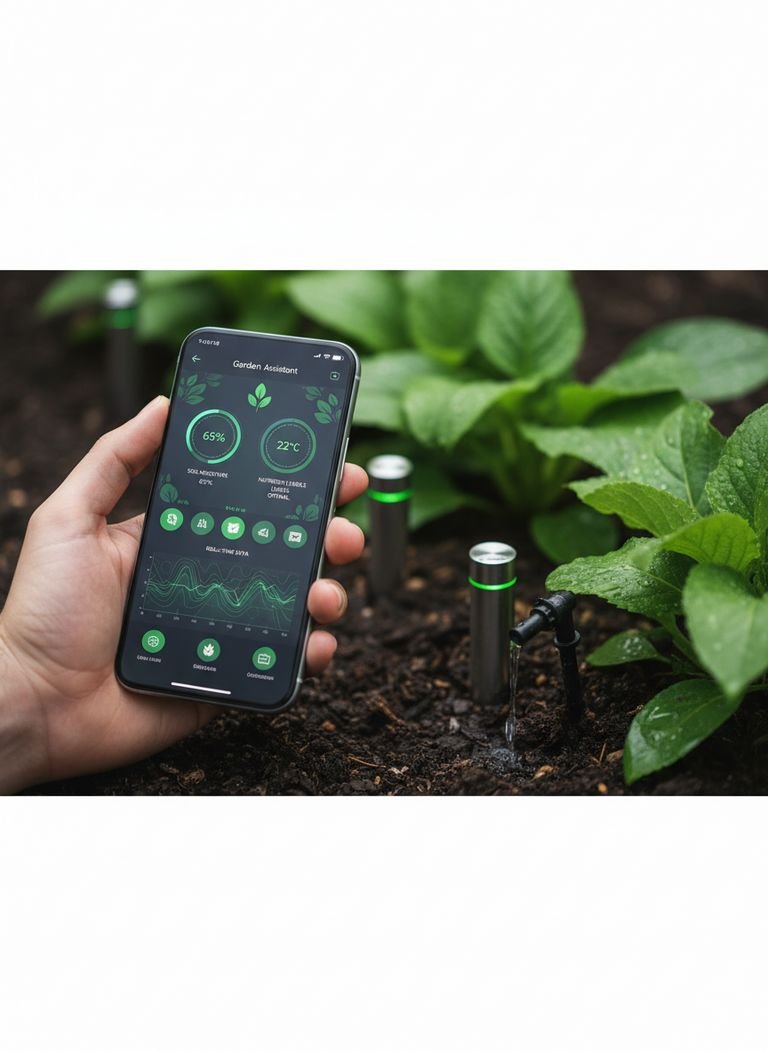
Finally, consider the system’s integration capabilities. Does it use open standards or does it lock you into a single brand? A future-proof system will be built for interoperability, allowing you to connect it with other smart home devices and services as your needs evolve. This flexibility is critical for creating a truly cohesive and automated outdoor living space.
Growing Smarter, Not Harder: The Future of Your Green Space
The journey into AI-powered gardening is an exciting one, offering a compelling vision for the future of home horticulture. We’re moving away from an era of manual toil and guesswork toward one of precision, sustainability, and data-driven care. The technology empowers gardeners like Elena—busy, environmentally conscious, and eager for expert-level results—to cultivate beautiful, thriving green spaces without sacrificing their weekends.

However, it’s crucial to adopt this technology with open eyes. The current landscape includes real challenges, from compatibility issues to the ongoing need for maintenance. The most successful smart gardeners will be those who see these tools not as a magic bullet, but as a powerful partner. By understanding both the potential and the pitfalls, you can make an informed choice. The right AI Garden Assistant can truly help you grow smarter, not harder, creating a sustainable and enjoyable extension of your smart home for years to come.
Ready to transform your garden? Start by researching systems that prioritize hyper-local weather data and robust sensor technology to see the biggest impact on your water usage and plant health.
Frequently Asked Questions
1. How much does a comprehensive AI garden assistant system cost?
Costs vary widely. A basic setup with a smart water controller and a few soil sensors might cost $200-$500. A more comprehensive system for a 1/4 acre lot with multiple zones, advanced sensors, and a robotic mower could easily exceed $2,000-$5,000. Subscription fees for premium software features may also apply.
2. Is an AI Garden Assistant suitable for a beginner gardener?
Yes, it can be incredibly helpful for beginners. It automates the most critical task (watering) and provides data-driven insights that can help a novice avoid common mistakes like over or under-watering. However, a beginner should choose a system with a user-friendly app and good customer support to avoid being overwhelmed by the initial setup.
3. What are the main data privacy concerns with these devices?
Like any smart home device, an AI Garden Assistant collects data. This can include your location (for weather data), your garden’s layout, and potentially images of your property if you use camera-based features. It’s important to choose a reputable brand with a clear privacy policy that explains what data is collected and how it is used. Look for companies that are transparent about their security practices.
4. Can AI systems really diagnose all plant diseases accurately?
No, not with 100% accuracy. AI is a powerful diagnostic aid, but it is not a replacement for a human expert. Its accuracy depends on the quality of the image, the size of its training database, and the specific disease. It’s best used as a first step to identify likely issues, which you can then confirm with further research or a local nursery professional.
5. Do I need a strong WiFi signal in my garden for these systems to work?
Yes, for most systems. The central controller or hub typically needs a stable WiFi connection to access weather data and communicate with the app on your phone. The individual sensors may use a different low-power protocol (like LoRa or Bluetooth) to communicate with the hub, but the hub itself must be online. Ensure your home WiFi reaches the location where you plan to install the main controller.