

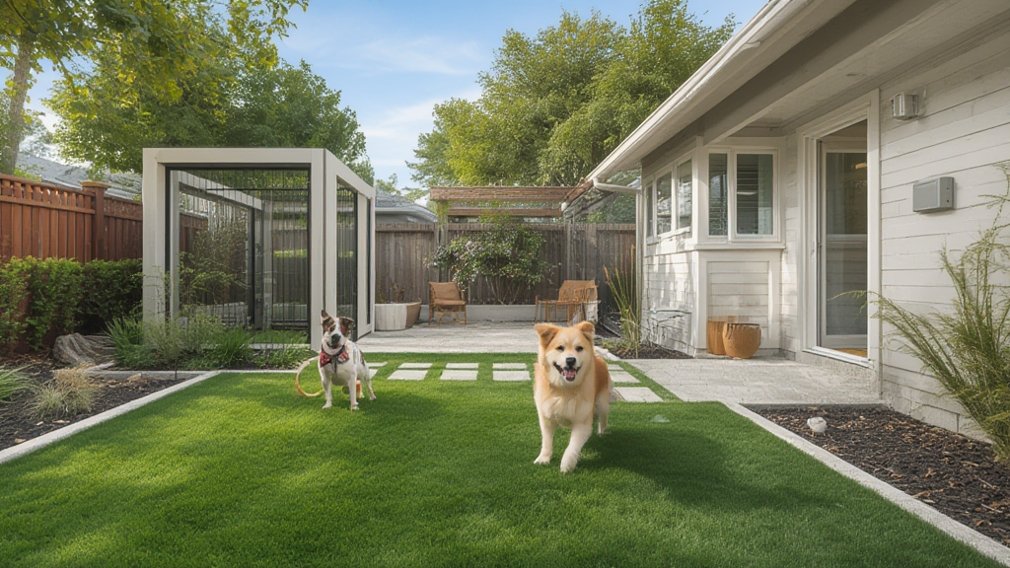
Barkitecture is changing how homeowners approach outdoor spaces, blending pet-friendly function with modern design for happier, healthier homes. Whether you have dogs, cats, or both, this trend is shaping backyards, patios, and gardens to work for every member of the family—including the furry ones.
Key Takeaways
- Barkitecture drives renovation decisions for half of US homeowners, highlighting the demand for pet-centric outdoor features and materials.
- Barkitecture is more than style—durability, safety, and maintenance needs are critical for long-term satisfaction.
- Current data is limited on costs, plant choices, and technical requirements, so planning and realistic expectations are vital for success.
- What Is Barkitecture and Why Does It Matter?
- How to Plan Your Own Barkitecture Project
- Advanced Analysis & Common Pitfalls
- Conclusion
- FAQ
What Is Barkitecture and Why Does It Matter?
Barkitecture is a design approach that puts pets’ needs at the heart of landscape and home renovation. Instead of tacking on a kennel or buying pet decor, barkitecture means building integrated solutions—dog wash stations, catio kits, dog-safe plant zones, shaded nap decks, and activity-driven garden layouts. The result: pets have safer, more stimulating spaces, and humans gain an outdoor living zone that’s easier to clean and maintain while looking stylish.
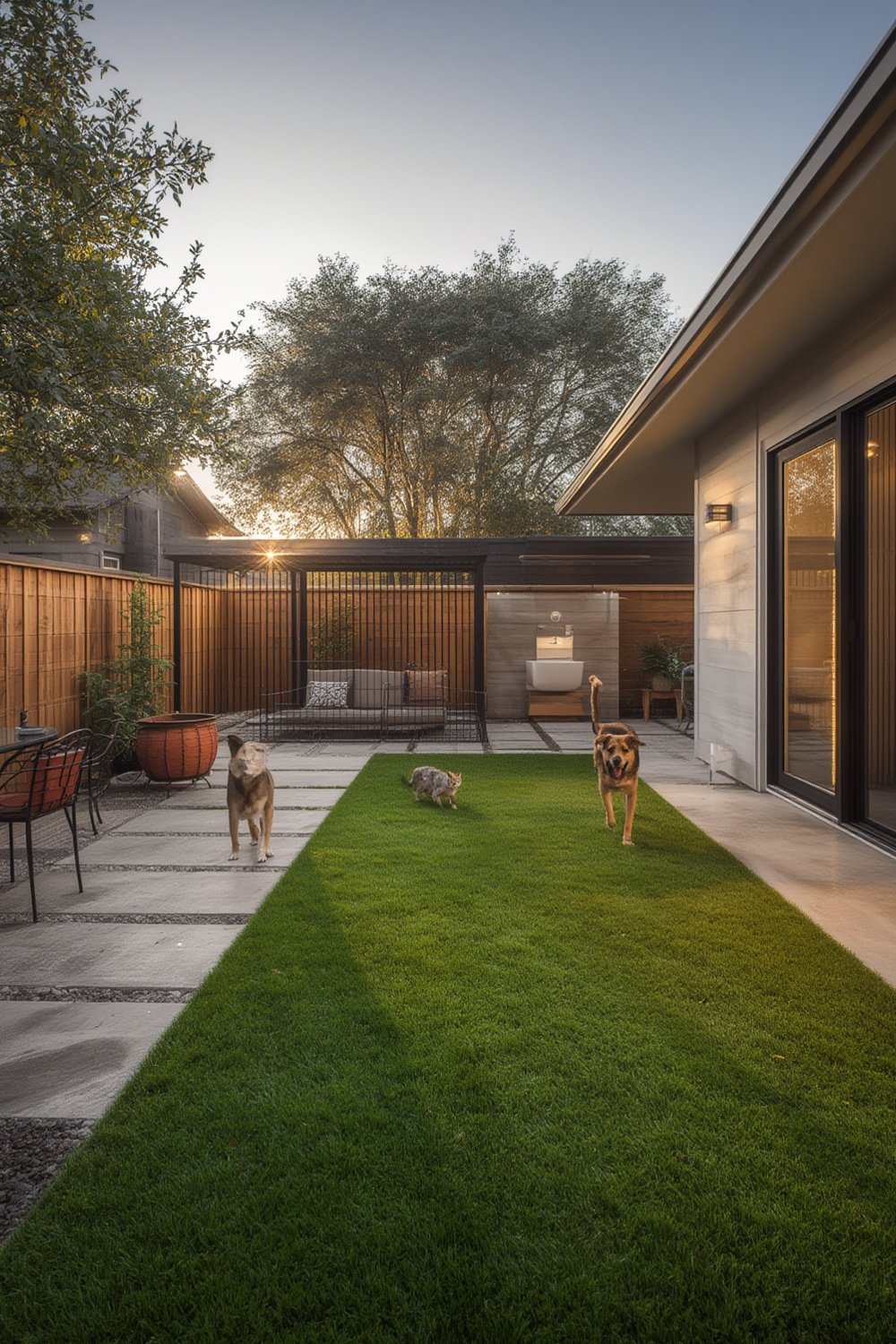
This trend is surging for a reason. The Landscaping and Gardening Services Market hit $298.58 billion worldwide in 2024, with pet-centered designs fueling growth, especially in North America where over 65 million households own dogs. According to the National Association of Realtors, half of all homeowners now base renovation plans around their pets—choosing flooring, finishes, and landscaping with paws and claws in mind. Revenue from US dog park design services alone reached $126.8 million, showing just how mainstream barkitecture has become (IBISWorld).
This approach ties closely with sustainable, low-maintenance outdoor trends. Many choose native, drought-tolerant plantings, water-efficient lawns, and modular garden rooms to make their homes more resilient, as shown in this market analysis. Barkitecture provides real value for homeowners seeking to combine beauty, utility, and the joy of sharing life outdoors with pets.
Interested in organizing your garden for both pets and people? See how healthy pet-ready living works hand-in-hand with smart home improvement planning for your next project.
How to Plan Your Own Barkitecture Project
Ready to transform your outdoor space into a functional, pet-friendly retreat? Here’s how to approach barkitecture with zero guesswork:
- Assess Your Space and Your Pets’ Needs. Measure your available area. List your pets’ size, energy level, special needs, and habits. Identify sun, shade, water access, and any hazards.
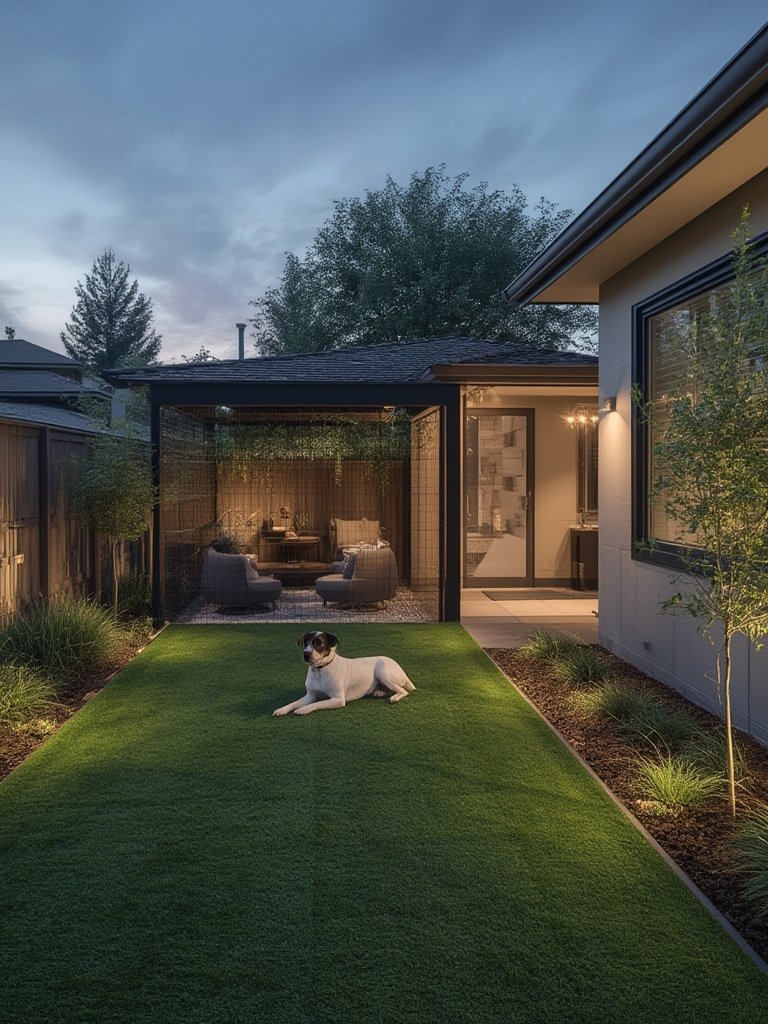
- Define Activity Zones for Different Pets. Dogs may want both active (fetch, digging) and calm spaces; cats often need vertical structures, secure boundaries, and shaded nooks. Use garden furniture sets and modular garden rooms to separate play from rest areas. Explore garden corner sets to upgrade comfort and style.
- Choose Pet-Safe, Durable Surfaces and Materials. Select flooring that stands up to claws and weather—pet turf, pea gravel, compacted decomposed granite, or concrete. For shade and shelter, opt for weather-resistant structures (pergolas, awnings) and easy-to-clean textiles.
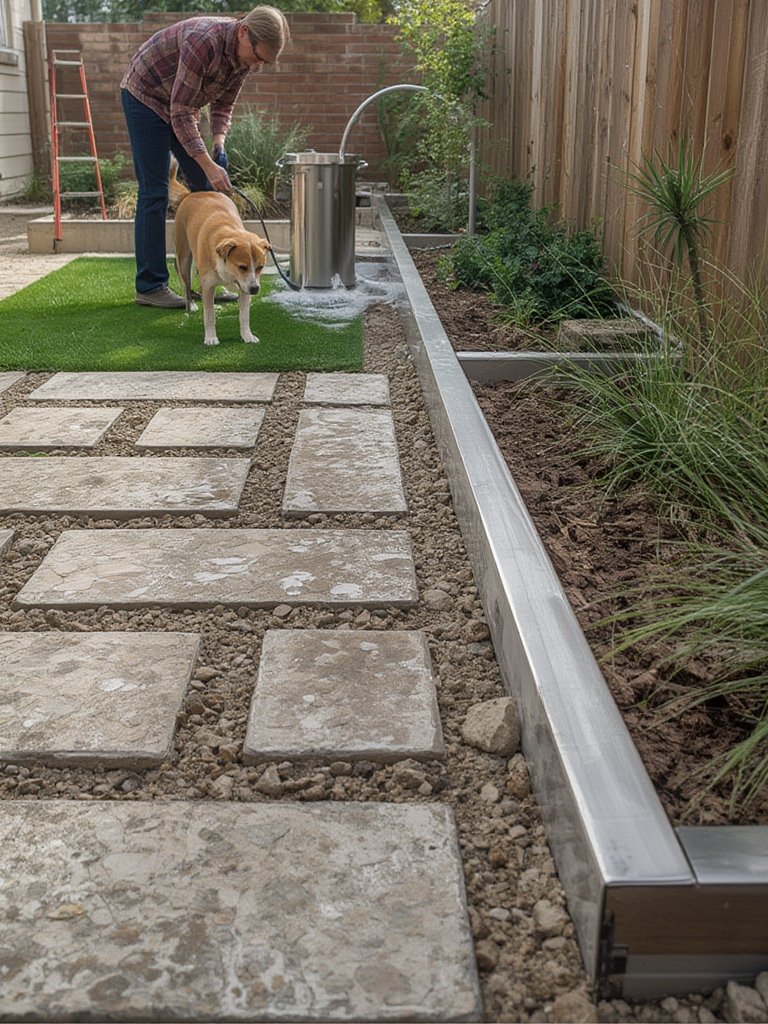
- Integrate Special Features: Catio, Wash Station, or Feeding Shelter. If adding a catio kits or dog wash stations, ensure it’s close to the home’s main structure for water and utility access. Modular catio kits can attach to windows or patios. For wash areas, plan for proper drainage—even basic pet turf installations need careful slope and base prep to avoid odors.
- Add Enrichment and Safety Enhancements. Enrich the space with tunnels, puzzle feeders, dog agility equipment, or climbing ramps. Install pet-safe fencing or clear partitions to separate cats, dogs, and wildlife zones. For shade and wildlife protection at night, consider dark-sky lighting solutions.
- Plan for Cleaning and Maintenance Access. Outdoor hose bibs, sealed storage, and non-porous finishes make cleanup quicker. Designate a spot for muddy paws or grooming—an outdoor pet wash station can prevent dirt inside.
- Test, Adjust, and Upgrade Over Time. Observe how pets use the space and note problem spots: do they dig, jump over certain barriers, or avoid some plants? Make incremental changes rather than tackling a full landscape overhaul in one swoop.
Still undecided about the right flooring or layout? Our guide to smart outdoor living spaces dives into the newest patio and deck options that support both humans and animals year-round.
Multifunctional home upgrades can help you create seamless indoor-outdoor experiences. For more details, check how smart planning at Home Depot and At Home makes sourcing your barkitecture essentials fast and efficient.
Advanced Analysis & Common Pitfalls
Real-world barkitecture projects often reveal unique challenges and a few recurring pitfalls. Transparency on these issues is key for homeowners seeking trouble-free results.
Common Problems Homeowners Face
- Drainage Issues with Pet Turf: Without a professionally prepared base, artificial pet turf develops odors and pooling after rain. Premium turf promises good drainage but rarely delivers if the subgrade isn’t done right.
- Durability of DIY Catio Kits: Many pre-made kits use lightweight mesh and thin frames. Large cats or raccoon-prone areas may need custom reinforcement.
- Cost Uncertainty: With little published data for 2024, homeowners risk both over- and under-budgeting for pet wash stations, catio solutions, and dog-safe landscaping plants.
- Limited Plant Selection Data: There’s a data gap on non-toxic, hardy plants verified for pet areas. Many rely on general lists and anecdotal reports—always cross-check with your vet before planting new species.
- Lack of Space-Specific Design Specs: No set rules exist for combining catios and dog play areas. Overcrowding or poor zoning can lead to territorial issues in multi-pet homes.
Feature Comparison: Pros and Cons
| Feature | Advantages | Drawbacks |
|---|---|---|
| Pet Turf | Low maintenance, always green, mud-free paws | Gets hot in sun, can trap odors, upfront cost, drainage requires expert install |
| Catio Kits | Safe outdoor time for cats, reduced wildlife risk | May look bulky, can be flimsy if not reinforced, limited space for active cats |
| Dog-Safe Plant Zones | Creates natural play/rest areas, reduces toxic risk | Data unclear on plant durability, some species only moderately pet-safe |
| Outdoor Pet Wash | Keeps dirt outside, easy to rinse paws | Plumbing access needed, winterization required in cold climates |
| Multi-Pet Zones | Customizable, social enrichment for pets | Few clear guidelines for layout, risk of pet conflict if poorly designed |
For greater home and pet safety, you may also want to learn about firescaping principles, which often overlap with barkitecture goals.
If you’re hoping to upgrade your pet’s interior comfort as well, guides to odor control litter solutions or AI enrichment toys can help keep the whole home happier.
Conclusion
Barkitecture is more than a passing trend—it’s a practical response to the realities of modern home life with pets. As pet ownership rises, so does the need for spaces that respect everyone’s needs. Plan smart, start with proven building blocks, and be realistic about costs and limits. When you prioritize both pets and people, the results are lasting and rewarding for the entire household.
Want a deeper dive into pet-friendly living? Explore our full pet-ready living guide or check the latest in year-round outdoor comfort to complement your barkitecture plans. Your next project starts with a blueprint that includes everyone—paws and all.
FAQ
What is barkitecture in home design?
Barkitecture is the integration of pet-friendly features—like wash stations, catios, turf, and pet-safe plantings—into home and landscape design. The goal is to create appealing and functional spaces for pets and humans together.
How much does a backyard barkitecture overhaul cost?
No published 2024 data is available, but costs will depend on materials (pet turf, fencing, wash stations), professional labor, and ongoing upkeep. Start with a list of desired features and consult local contractors for quotes.
Which plants are safe and durable for dog-friendly gardens?
Specific scientific data is lacking, but native, drought-tolerant plants are popular for durability and sustainability. Always confirm a plant’s pet safety with your vet before planting.
What are common mistakes in DIY barkitecture projects?
Skipping proper drainage prep for turf, underestimating the weather impacts, picking flimsy catio kits, and not zoning areas for multiple pets often lead to disappointment and added costs later.
Can I combine cat and dog features in one outdoor space?
Yes, but careful planning is needed. Use flexible partitions and create both shared and separated activity zones to prevent territorial disputes. Monitor your pets’ reactions and adjust as needed.