

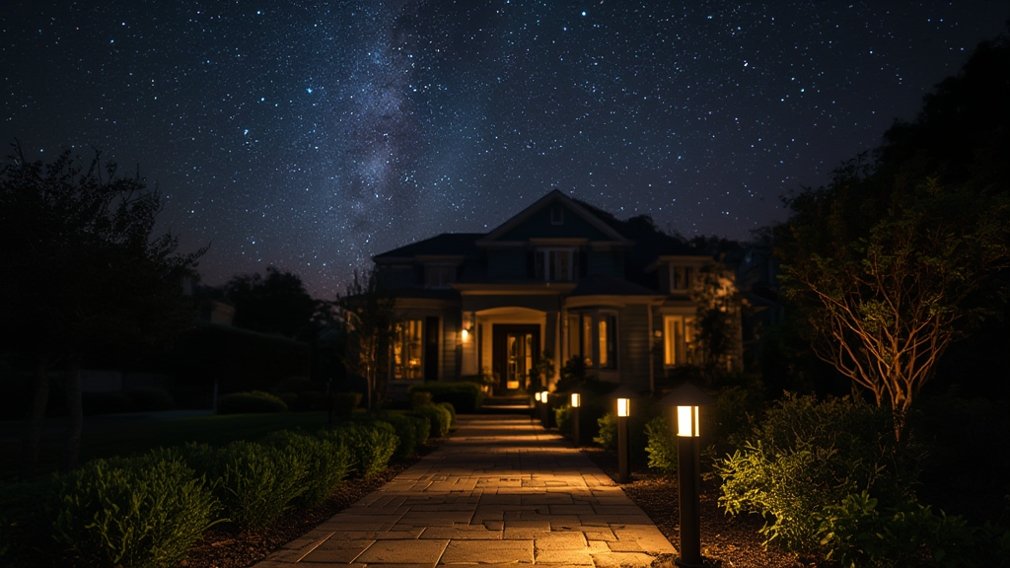
Dark Sky Lighting is quickly becoming an essential consideration for anyone upgrading residential outdoor spaces. If you want to reduce energy waste, protect wildlife, and enjoy a starlit night from your backyard, understanding the principles behind Dark Sky Lighting—and its real-world pros and cons—is a game-changer.
Key Takeaways
- Dark Sky Lighting prioritizes downward, warm, and fully shielded fixtures to cut light pollution and energy waste.
- Tech specs like shielding, color temperature, and proper controls are more critical than expensive upgrades or trendy designs.
- Implementation success hinges on targeted fixture choices, smart controls, and understanding both visible and hidden challenges.
- The Core Concept: What Is Dark Sky Lighting and Why Does It Matter?
- Step-by-Step Guide: How to Achieve Effective Dark Sky Lighting at Home
- Advanced Analysis & Common Pitfalls
- Conclusion
- Frequently Asked Questions
The Core Concept: What Is Dark Sky Lighting and Why Does It Matter?
Dark Sky Lighting refers to outdoor lighting strategies—including fixture selection and installation—designed to eliminate skyglow, minimize light pollution, and protect nocturnal environments. In practice, this means using fixtures that are fully shielded (preventing upward and sideways spill), utilizing warmer color temperatures (3000K or below), and only illuminating spaces when necessary.
Why does this matter? Standard outdoor lights in residential areas create significant glare and light trespass, directly contributing to disrupted sleep patterns, increased energy costs, declining insect and wildlife populations, and the gradual loss of our ability to see the night sky. According to DarkSky International, between 20% and 50% of US residential outdoor lighting actively adds to light pollution, resulting in $1.4 billion in excess energy costs annually.
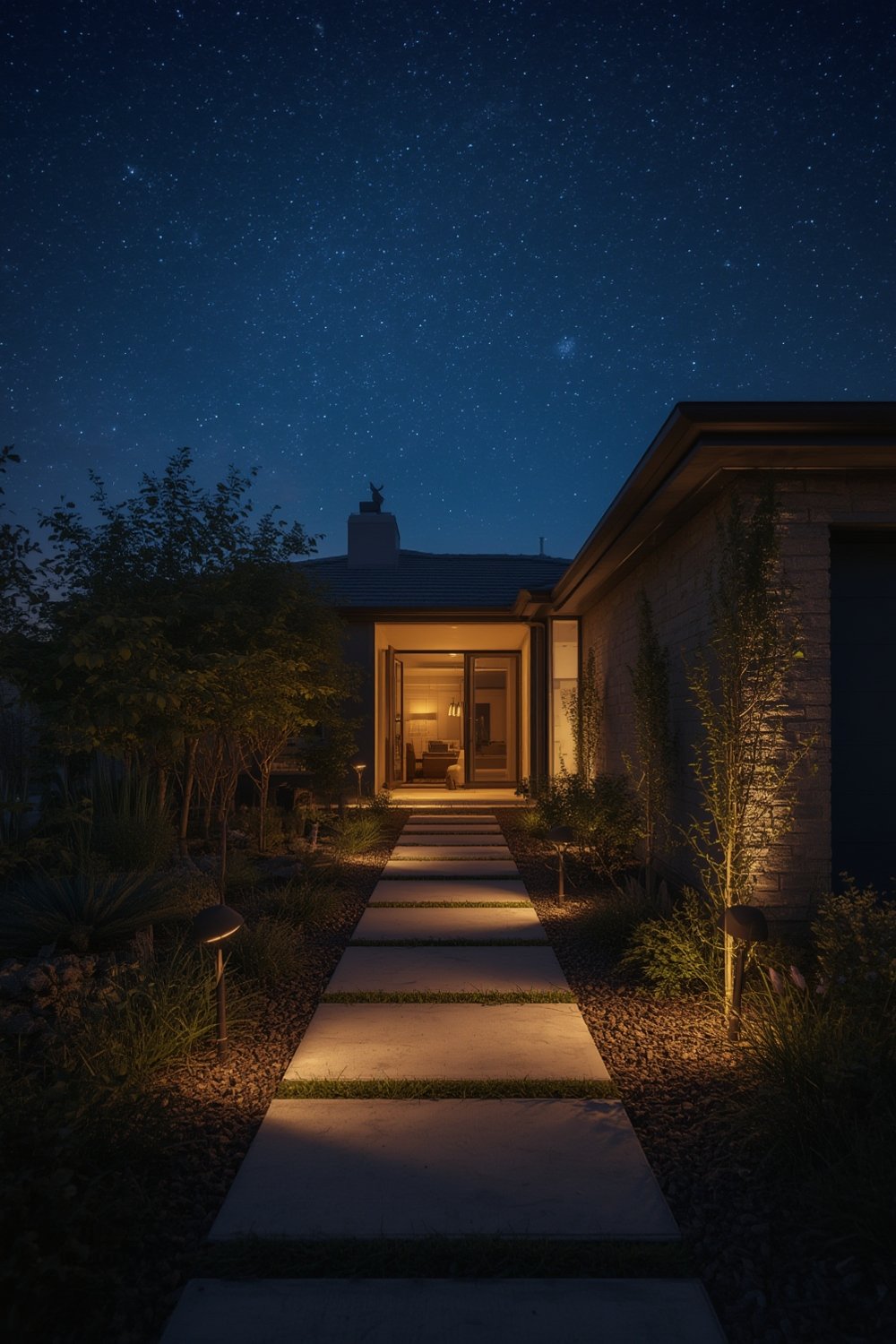
More communities and homeowners are seeking low-glare, wildlife-friendly solutions to improve quality of life and support environmentally sensitive landscaping. Whether you’re planning to create a relaxing outdoor lounge (see our garden furniture corner set tips) or prepping a pet-friendly backyard (healthy pet-ready living guide), integrating Dark Sky principles is now part of sustainable home ownership and outdoor enjoyment.
Step-by-Step Guide: How to Achieve Effective Dark Sky Lighting at Home
Adopting Dark Sky Lighting is less about chasing certifications and more about informed fixture selection, installation, and control. Here’s a step-by-step approach to transforming your outdoor space without overspending—or undermining the intent of dark sky compliance.
-
Audit Your Current Outdoor Lighting
Walk around your property at night. Note which fixtures emit light above the horizontal plane, have visible bright bulbs, or illuminate areas beyond property lines. Identify the worst offenders for skyglow and energy waste.
-
Research Local Codes and Community Requirements
Some areas—like Jonestown, TX, or Bodmin Moor in the UK—enforce residential lighting limits and standards. Review what applies in your municipality to avoid retrofitting twice or facing compliance fines. DarkSky’s policy templates offer a good reference.
-
Select the Right Fixtures and Bulbs
- Choose downward-facing, fully shielded fixtures only. Look for certifications or specs in-store or online.
- Use LEDs or bulbs with a color temperature of 3000K or below—2700K is ideal for gardens and patios.
- Limit brightness (lumens) to just enough for safety and navigation. Path lights rarely need more than 200 lumens each.
For path lighting, motion-activated options are great—though pricing and operational cost details for compliant models are still rare. If you’re shopping big box stores, see our Home Depot and At Home shopping guide for cost-saving hacks.
-
Install Controls and Set Smart Schedules
- Install timers or occupancy/motion sensors. Keep lights off unless needed.
- Favor controls with adjustable sensitivity and auto-off features—you’ll save energy and minimize disturbance to wildlife.
-
Use Landscaping and Barriers
Pair shielded lighting with tall plants, fences, or garden features to further block stray light. For inspiration, see our post on firescaping and defensible landscaping.
-
Go Beyond Lighting—Integrate with Overall Outdoor Strategy
Complement dark sky installations with pet-safe, wildlife-conscious layouts. Want a high-value makeover? Explore our outdoor living space upgrade guide for seamless night and day comfort.
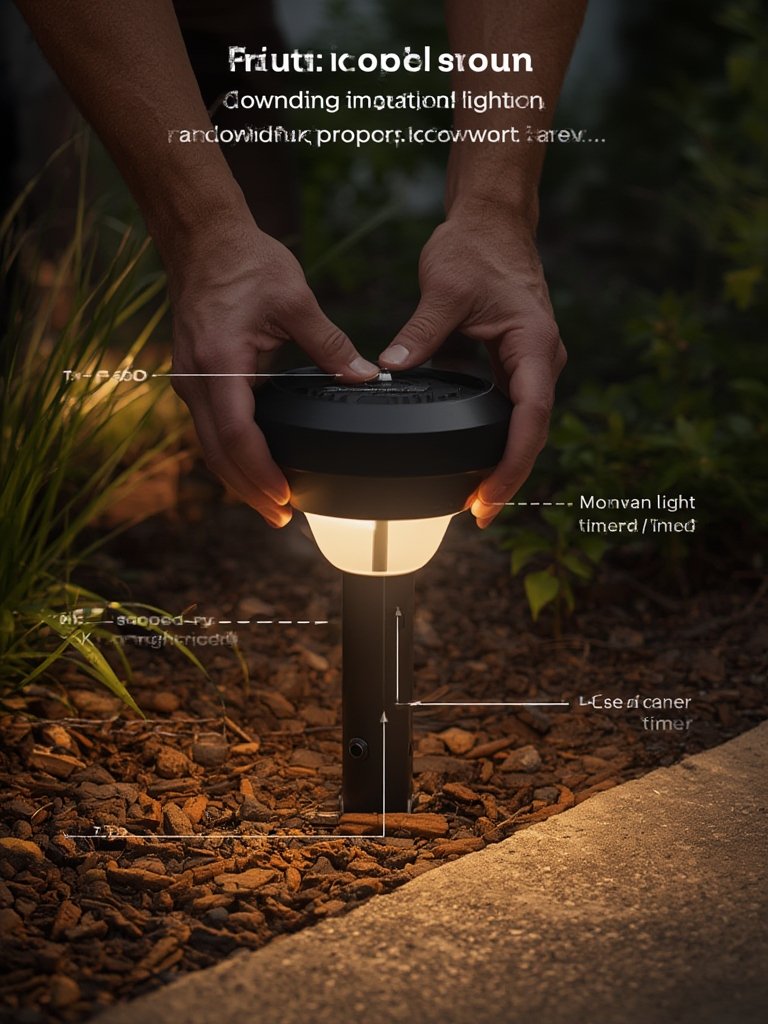
Finally, use a maintenance schedule. Clean glass covers and check fixtures every few months—especially after storms or gardening projects—to ensure orientation and lens clarity aren’t compromised.
Thinking about an energy retrofit? Pairing Dark Sky Lighting with other upgrades—like energy efficient windows—amplifies your savings and environmental impact.
Advanced Analysis & Common Pitfalls
While most how-to guides make Dark Sky Lighting sound straightforward, real-world adoption brings hurdles and hard decisions.
Common Pitfalls When Implementing Dark Sky Lighting
- Unclear Technical Specs: Many fixtures are labeled “dark sky friendly” without clear shielding angle, lumen cap, or verified CCT. Buyer confusion is common.
- Retrofitting Challenges: Swapping old fixtures is often less “plug-and-play” than expected. Box sizes, wiring, or mounting locations may not align, particularly on garden posts or older wall sconces.
- Inadequate Light for Security: Under-lighting paths or entryways in attempts to stay compliant can sometimes undermine safety. Smart sensor configuration and strategic placement—rather than simply reducing fixture count—solves this.
- Ignored Wildlife Impacts: Major resources discuss shielding and color temperature, but often skip specifics about skyglow’s effect on local birds, insects, or amphibians. If you want to bolster habitat, see our keystone native planting guide for a holistic approach.
- Unexpected Glare or Reflection: Even fully shielded fixtures can cause glare if installed near shiny surfaces or angled incorrectly.
| Issue | Standard Practice | Dark Sky Best Practice |
|---|---|---|
| Fixture Selection | Open lanterns, bright wall packs | Fully shielded, <3000K CCT, low lumen output |
| Coverage Area | Broad lighting, no aiming | Light only needed areas, careful placement |
| Controls | Always-on switches | Timers, motion sensors, dusk-to-dawn with cutoff |
| Wildlife Impact | Rarely considered | Soft, amber light; minimal use; integrates landscaping |
What’s Missing from Most Guides?
- Details on the exact lumen and shielding angles needed for each application.
- Information about motion sensor configuration for wildlife versus security comfort.
- Case studies showing long-term ecological changes in residential zones after broad dark sky compliance.
For more context and current international trends, see DarkSky’s global programs update—including examples from North America, Europe, and Oceania.
Conclusion
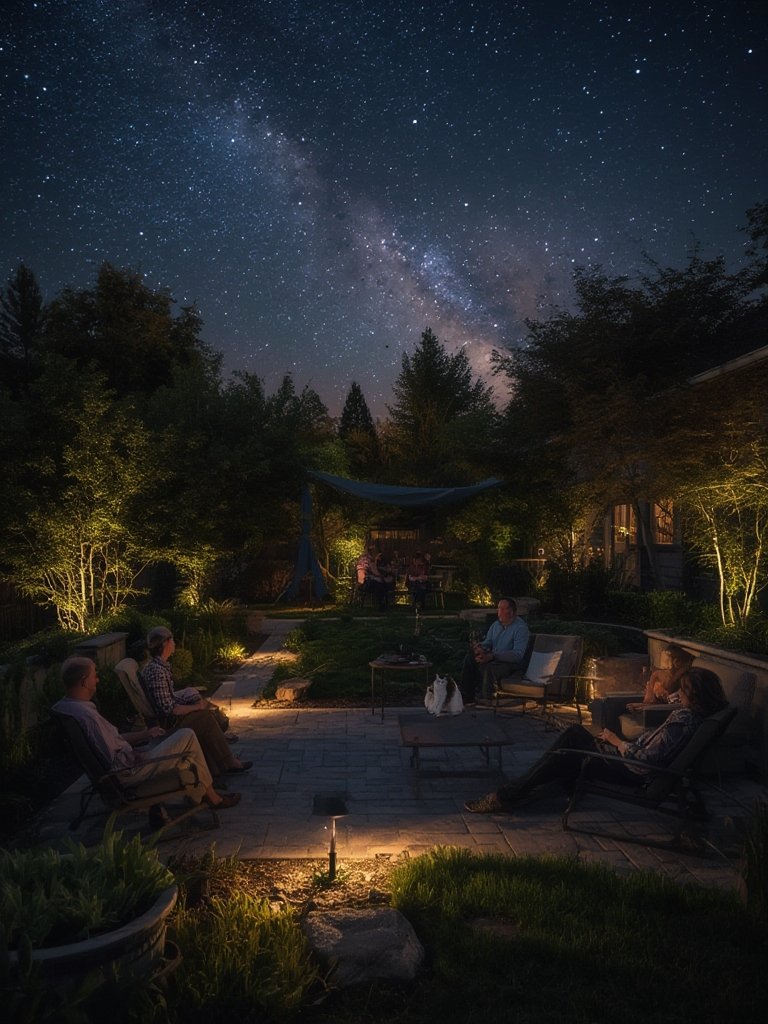
Embracing Dark Sky Lighting is one of the most effective ways to improve your home’s outdoor space—and the wider environment—at the same time. By choosing shielded fixtures, sticking to warm, low-intensity bulbs, and using smart controls, you’ll enjoy safer paths, lower bills, and an unrivaled view of the night sky. The benefits are real, but don’t overlook the technical limitations and practical adjustments. Start small, measure results, and help your community rediscover the stars with Dark Sky Lighting.
Ready to transform your backyard or front entry? Audit your lighting today, and share your success—and challenges—below. Your journey can inspire better, healthier nights for neighbors near and far.
Frequently Asked Questions
What exactly makes an outdoor light “Dark Sky Compliant”?
Dark Sky Compliant lights are fully shielded fixtures that prevent upward spill, use bulbs rated 3000K (color temperature) or lower, and keep brightness to functional minimums. Additional requirements include timers, sensors, and directional aiming. For more, see DarkSky International’s guidance.
Is there a real difference between 2700K and 3000K outdoor bulbs?
Yes. Both are considered warm white, but 2700K is slightly softer and even less disruptive to wildlife. There’s no strict consensus, but the general recommendation is to keep outdoor lights at 3000K or below—lower if possible.
Can Dark Sky Lighting affect home security?
If implemented without care, yes—poorly lit entrances can be a risk. Use motion-activated downward fixtures near entry points. Adjust sensitivity to accommodate both household use and nighttime animal crossings.
Are there affordable Dark Sky Compliant path lights?
Selection is growing, but many fixtures still lack clear compliance labeling. Shop for path lights that are specifically marked as fully shielded and have a color temperature of 3000K or lower. For best results, try in-store tests or read verified reviews online.
Can I retrofit my existing outdoor lights to be dark sky friendly?
In some cases, yes. You might be able to add snap-on shields or swap bulbs with lower color temperature models, but older fixtures often require full replacement to meet guidelines.