

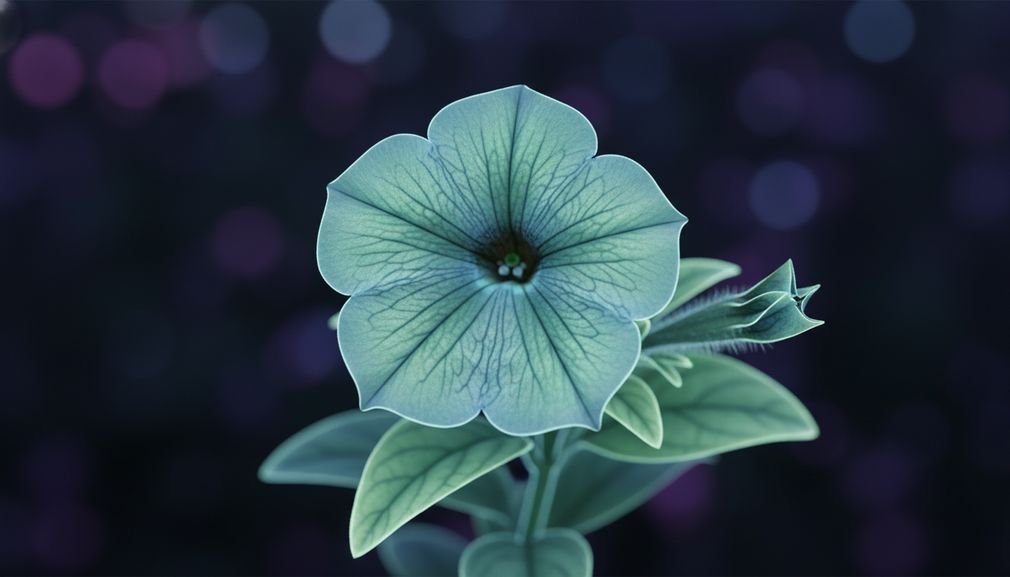
Growing Bioluminescent Petunias offers a unique way to add a living, self-sustaining glow to your garden or home, and getting started is more straightforward than you might think. This guide provides everything the modern gardener needs to know about buying, growing, and designing with these remarkable glowing plants.
Key Takeaways
- Bioluminescent petunias, also known as Firefly Petunias, create a continuous, soft glow from their leaves, stems, and flowers without needing any external light source to “charge.”
- Care is simple and similar to traditional petunias, requiring at least 6 hours of direct sunlight daily to thrive and produce the brightest, most consistent glow.
- Currently, you can only purchase live plants, with prices ranging from about $6 per plug in a multi-pack to $40 for a single potted plant. Seed packets are not yet available to the public.
- Introducing Bioluminescent Petunias: Your Garden’s New Nightlight
- How Do Firefly Petunias Glow? Understanding the Magic
- Buying Your Own Bioluminescent Petunias: Prices, Options, and Availability
- Firefly Petunia Care: Simple Steps for a Consistent, Captivating Glow
- Designing with Light: Simple Ways to Integrate Bioluminescent Petunias
- Beyond the Basics: What We Don’t Yet Know About Bioluminescent Petunias
- Conclusion: Your Glowing Garden Awaits
- Frequently Asked Questions
Introducing Bioluminescent Petunias: Your Garden’s New Nightlight
Bioluminescent petunias represent a groundbreaking step in botanical innovation, merging the familiar charm of a classic garden flower with the ethereal magic of natural light. These are not your average petunias; they are genetically enhanced to produce their own gentle, ambient glow, transforming any space into a mesmerizing nightscape. Since their commercial release in 2024, their popularity has surged, making them available online directly from creators like Light Bio and through a growing network of over 200 in-person US retailers. This widespread availability empowers curious home gardeners and tech enthusiasts to easily bring this living light source into their own homes and gardens.
How Do Firefly Petunias Glow? Understanding the Magic
The gentle luminescence of Firefly Petunias is a marvel of biotechnology, fundamentally different from the temporary effect of typical glow in the dark plants or products. Instead of absorbing and re-emitting light, these petunias create their own. The secret lies in genes derived from bioluminescent mushrooms, which have been carefully integrated into the petunia’s genetic code. This allows the plant to produce a soft, continuous glow from its newest growth—including leaves, stems, and the delicate white flowers.
This light is self-sustaining and visible in low light conditions. It doesn’t require “charging” under a blacklight or any other light source, and unlike phosphorescent materials, it never fades or needs to be reapplied. The glow is an active, biological process, making the plant a living, breathing nightlight. As technical explanations confirm, this consistent illumination is an inherent part of the plant’s life cycle, offering a persistent, otherworldly beauty that battery powered lights cannot replicate.
Buying Your Own Bioluminescent Petunias: Prices, Options, and Availability
For gardeners eager to get their hands on these glowing wonders, the process is straightforward, but it’s important to know what to expect. Currently, Bioluminescent Petunias are sold exclusively as live plants; seed packets are not available from official distributors. This ensures that every plant you purchase is ready to grow and glow from day one.
The price can vary depending on the retailer and format. You can find excellent value in multi-packs, such as a 3-pack of mesh plugs from Home Depot for around $17.58, which breaks down to just under $6 per plant. This is an ideal option for those looking to create a larger display. For individual, more mature plants, expect to pay between $29.99 and $39.99 from online retailers like Light Bio’s website or other US nurseries. Some retailers also offer bundles that include decorative pots, with prices ranging from $99.99 to $119.97. Given their novelty, planning your purchase in advance is a good idea, as strong online sales have occasionally led to limited stock.
Firefly Petunia Care: Simple Steps for a Consistent, Captivating Glow
One of the most appealing aspects of Firefly Petunias is that their extraordinary glow doesn’t require extraordinary effort. If you have experience with standard petunias, you’re already well equipped. The key to a vibrant, healthy plant and a brilliant glow is providing it with the right conditions, primarily centered around sunlight. For successful Firefly Petunia care, follow these simple guidelines.
First and foremost, these plants need full sun, which means at least six hours of direct sunlight each day. This energy is crucial for photosynthesis, which in turn fuels the bioluminescent process. Whether planted in a garden bed, a container on your patio, or as a houseplant in a sunny window, maximizing light exposure is the most important step. They are hardy as annuals in USDA zones 3-9 and can be grown as perennials in the warmer zones of 10-11. For indoor growers in less sunny climates, a quality grow light can easily supplement natural light and ensure a consistent glow. A well-cared-for plant will reward you with a reliable, captivating light show night after night. One of the best ways to prepare your space for any new plant is to create a solid home depot shopping plan to get all your supplies at once.
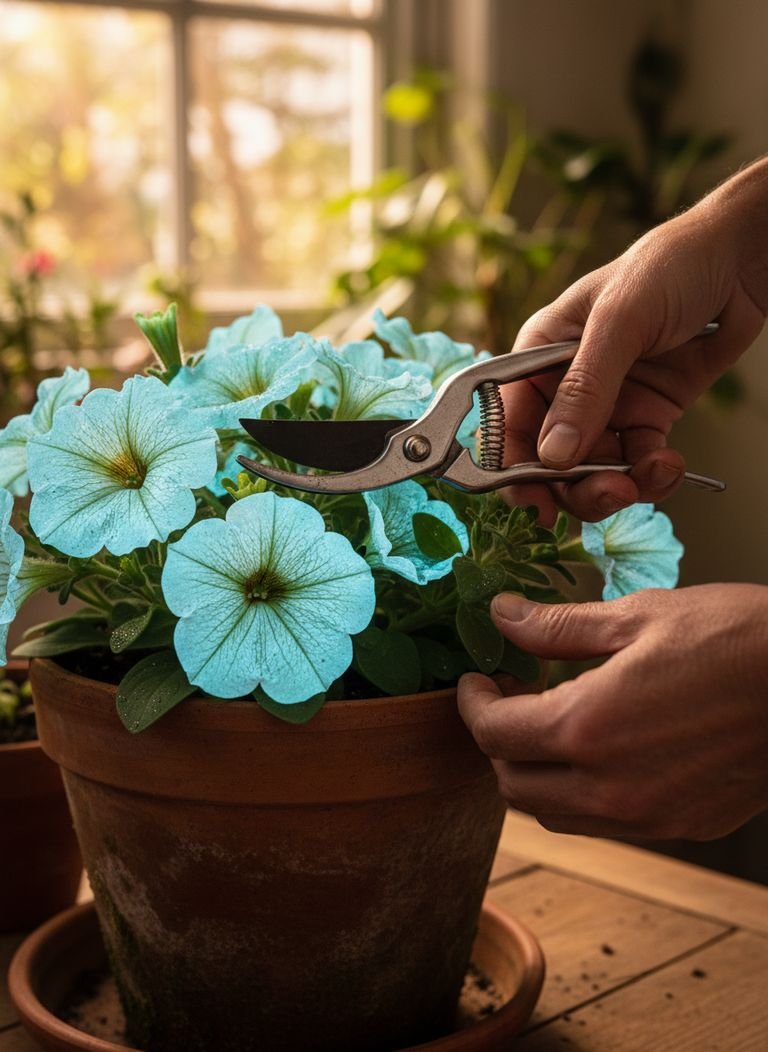
Water your petunias regularly, keeping the soil consistently moist but not waterlogged. Good drainage is essential, especially for potted plants. Feed them with a balanced, all purpose fertilizer every 2-4 weeks during the growing season to support robust growth. Interestingly, current reports from distributors and early adopters show no significant or common user challenges related to care or brightness consistency, suggesting that the genetic modification is stable and the plants are resilient. This makes them a reliable choice for gardeners of all skill levels looking to add some neon garden flowers to their collection.
Designing with Light: Simple Ways to Integrate Bioluminescent Petunias
The true fun of Bioluminescent Petunias begins when you start thinking of them as a design element. Their gentle glow offers endless possibilities for creative light-up landscaping and indoor decor. Because their care is so simple—full sun and regular water—you can focus on aesthetics without worrying about complex requirements. Consider creating a botanical bento style arrangement on a balcony, where the petunias can be the glowing centerpiece.
Here are a few practical ideas to get you started:
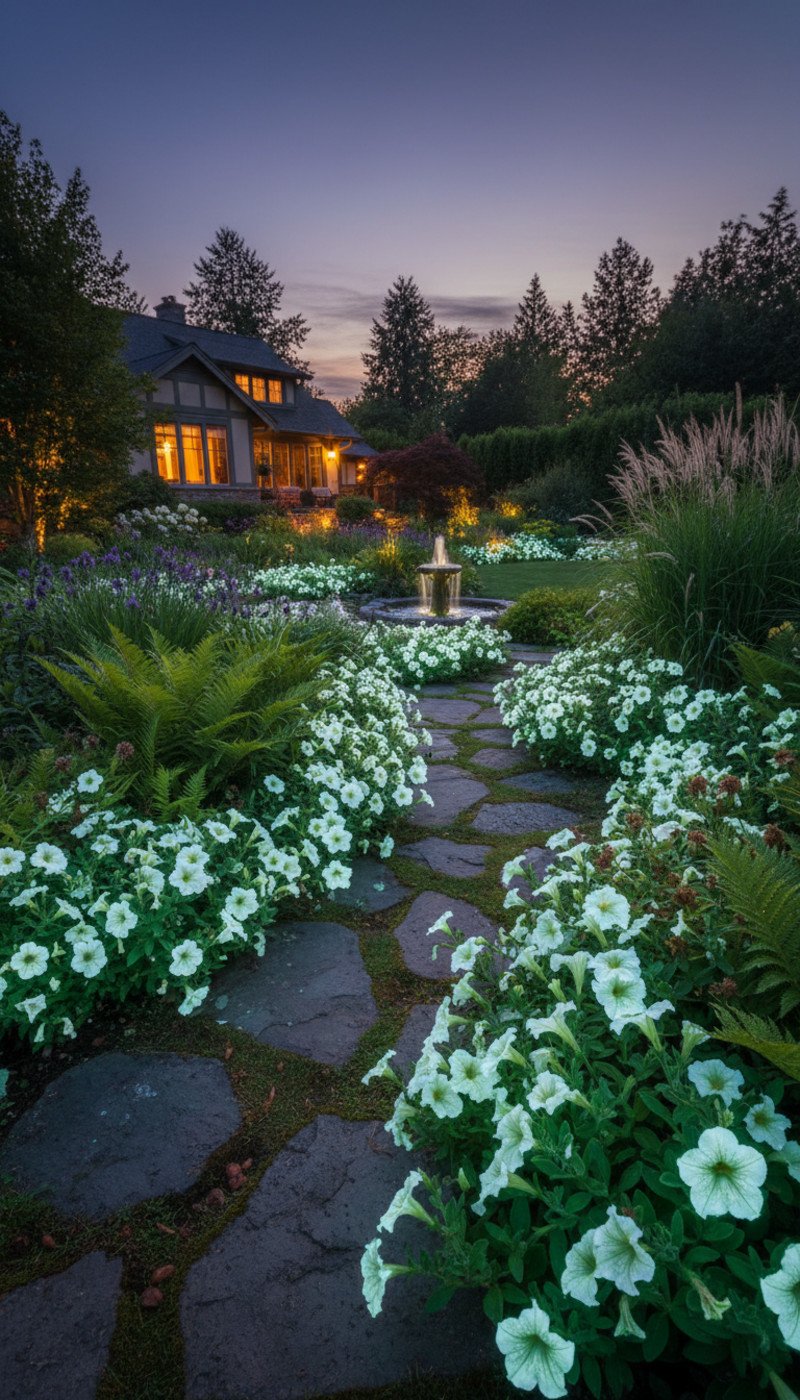
- Glowing Pathways: Plant a border of Firefly Petunias along a garden path or walkway. At night, they will create a naturally lit trail, guiding the way with a soft, ethereal light.
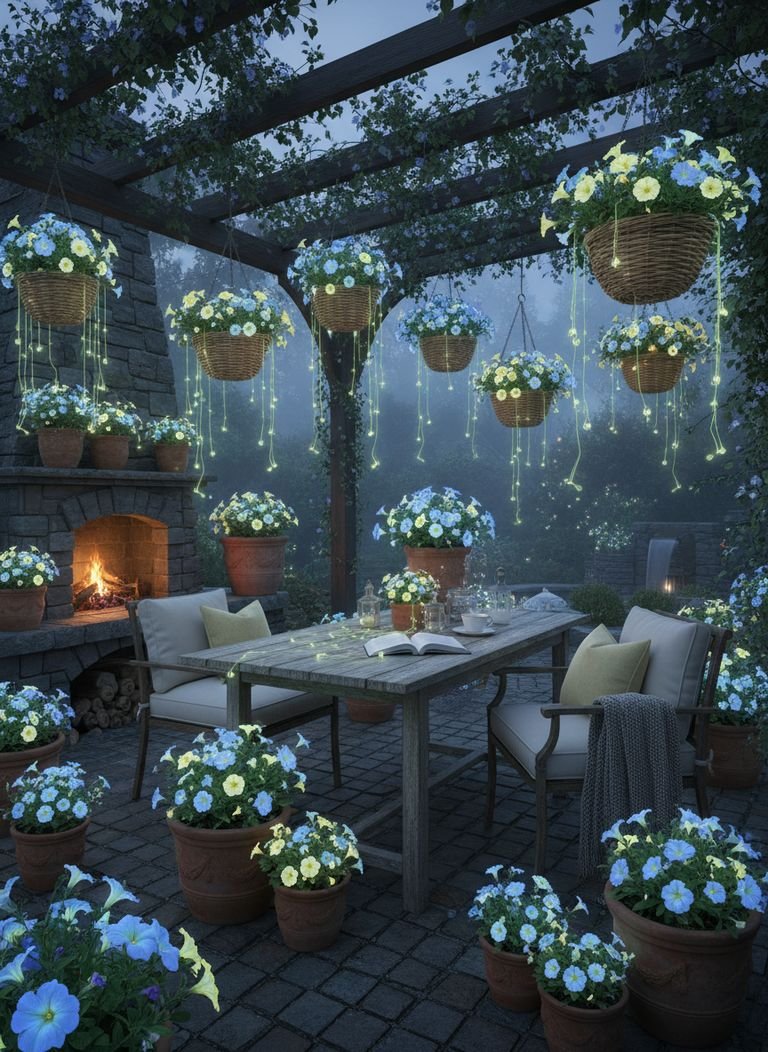
- Living Centerpieces: Use a single, well-potted petunia as a stunning centerpiece for your outdoor dining table. It provides a unique, conversation starting ambiance for evening gatherings without the hassle of candles or wires. This is a great addition to any outdoor living space.
- Magical Hanging Baskets: Plant them in hanging baskets on a porch or balcony. The glowing foliage and flowers will cascade down, creating a suspended sphere of light that sways gently in the breeze.
- Bedroom Nightlight: As a houseplant in a sunny bedroom window, a Firefly Petunia can serve as a natural, calming nightlight. Its gentle glow is subtle enough not to disturb sleep but bright enough to add a touch of wonder. Make sure your energy efficient windows still provide enough direct light.
The key is to place them where their primary need for at least six hours of sunlight is met. Once that condition is satisfied, you can integrate these neon garden flowers into nearly any design concept, from modern minimalist patios to lush, dense garden beds. They can even complement dark sky lighting designs by providing a natural, non-polluting light source.
Beyond the Basics: What We Don’t Yet Know About Bioluminescent Petunias
While the excitement around Bioluminescent Petunias is well deserved, it’s important for early adopters to have realistic expectations. As a very new product, there is a lot of information that is not yet publicly available. Understanding these knowledge gaps helps you appreciate the plant for what it is today, while looking forward to what it might become.
Currently, there are no published advanced cultivation techniques for maximizing glow intensity beyond the basic advice of providing full sun. Topics like specific nutrient schedules to boost luminescence or integration with AI-driven landscaping tech remain unexplored in public sources. Similarly, information on the long term environmental integration of these genetically modified plants is sparse. While they have been approved for sale, detailed data on regulatory classifications, ecological impact studies, or potential ethical debates are not widely discussed in consumer-facing materials from retailers like Home Depot. This lack of information is not necessarily a cause for alarm, but rather a reflection of the product’s novelty. As these plants become more common, we can expect more research and community-driven knowledge to emerge, shedding light on their broader potential and place in our ecosystems.
Conclusion: Your Glowing Garden Awaits
Bioluminescent petunias are more than just a novelty; they are an accessible entry into the future of gardening. With their self-sustaining, ethereal glow and surprisingly simple care requirements, they offer a unique opportunity to bring a touch of living magic to any home or garden. By providing at least six hours of sunlight and basic watering, anyone can successfully cultivate these incredible plants and enjoy their nightly light show.
The current market offers a range of purchasing options, making it easy for any “Enlightened Explorer Gardener” to get started. While there is still much to learn about their long term potential, the immediate reward is clear: a beautiful, resilient plant that doubles as a natural, captivating light source. By following this guide, you have all the information you need to confidently purchase, grow, and design with Bioluminescent Petunias.
Ready to add a natural glow to your garden? Start exploring local retailers and online stores today to find your very own Firefly Petunia.
Frequently Asked Questions
Are bioluminescent petunias safe for pets?
While specific toxicity data for Firefly Petunias is not widely published, traditional petunias are known to be mildly toxic to cats and dogs if ingested, potentially causing minor stomach upset. It’s always best to exercise caution and place these plants out of reach of curious pets, just as you would with other ornamental houseplants.
How bright is the glow of a Firefly Petunia?
The glow is described as a soft, ambient light, similar to the faint glow of a firefly or moonlight. It is not bright enough to read by but is clearly visible to the naked eye in dark conditions. The brightness is most pronounced on new growth, including new leaves and flowers. For the best viewing experience, place the plant in a very dark area and allow your eyes about 5-10 minutes to fully adjust.
Do bioluminescent petunias attract different insects at night?
There is currently no scientific data available to suggest that the bioluminescence of these petunias attracts or repels insects differently than traditional petunias. The light they emit is very subtle and may not be significant enough to alter insect behavior. They are pollinated like normal petunias.
Can I save seeds from my Firefly Petunia to grow more?
It is currently unknown if the seeds produced by Firefly Petunias are viable or if they would carry the bioluminescent trait. As the creators only sell live plants, it is also possible that the plants are sterile or that there are intellectual property restrictions on propagation. For now, the only reliable way to get more glowing petunias is to purchase new plants.
How long do bioluminescent petunias live?
Their lifespan is similar to that of standard petunias. In most climates (USDA zones 3-9), they are grown as annuals and will last for one growing season. In warmer climates (zones 10-11), they can be grown as short-lived perennials. If kept indoors as a houseplant with adequate light, they can live for several years.