

### Blog Post:
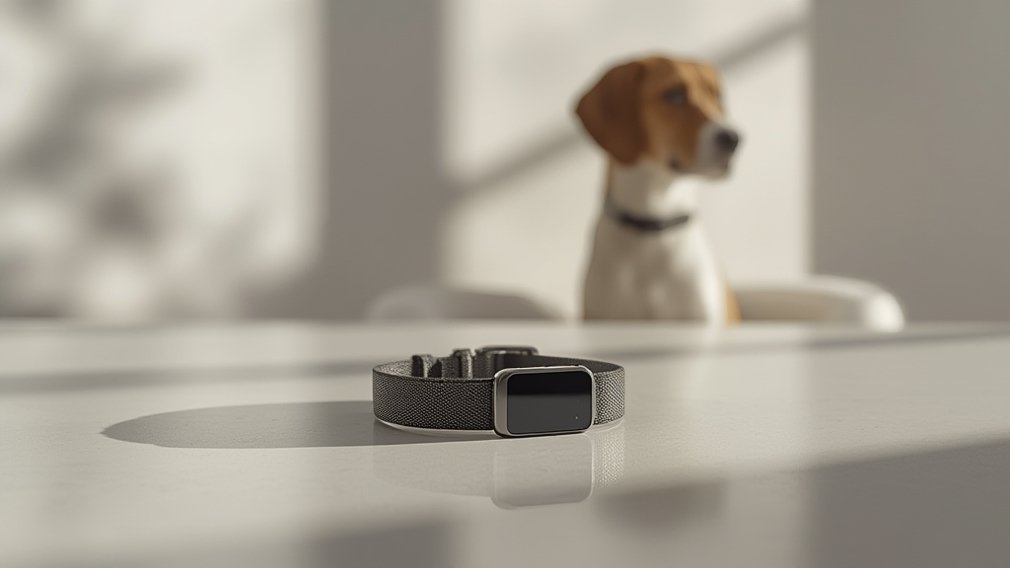
Biometric Smart Collars are changing the way pet owners monitor their pets’ health by offering real-time tracking and insight. As more households adopt these advanced collars and pet wearables, understanding what actually works—and what problems exist—is essential for every responsible pet owner.
Key Takeaways
- Market adoption of biometric smart collars is rapidly increasing, but there remain issues with real-world accuracy and privacy transparency.
- Most smart collars provide temperature, GPS, and activity data, while advanced biometric metrics are just emerging and not clinically validated.
- Ongoing subscription fees are common, and independent scientific proof of early illness detection remains lacking.
- What Are Biometric Smart Collars and Why Are Pet Owners Turning to Them?
- How to Choose and Use a Biometric Smart Collar: Step-by-Step
- Key Issues, Pitfalls, and What Competitors Don’t Tell You
- Conclusion: Should You Invest in a Biometric Smart Collar?
- Frequently Asked Questions
What Are Biometric Smart Collars and Why Are Pet Owners Turning to Them?
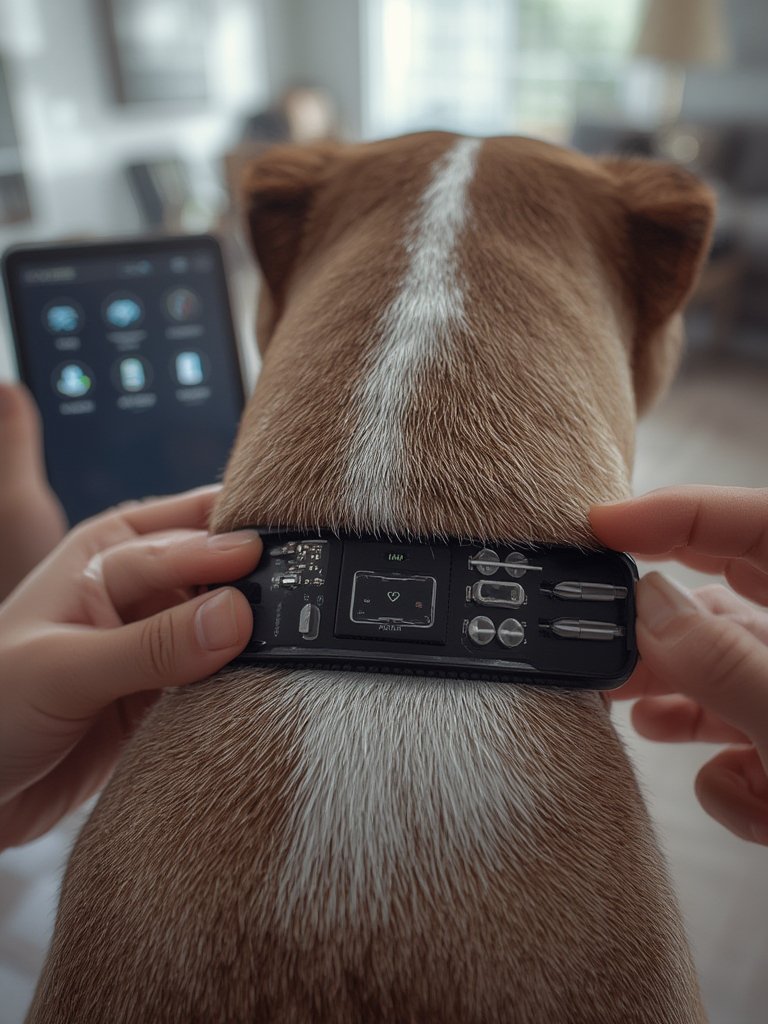
Biometric smart collars are modern pet wearables designed to track more than activity and location. Using sensors for temperature, movement, and in many cases, expanding into heart and respiratory rate monitoring, they promise to give owners early insights into their pets’ health status.
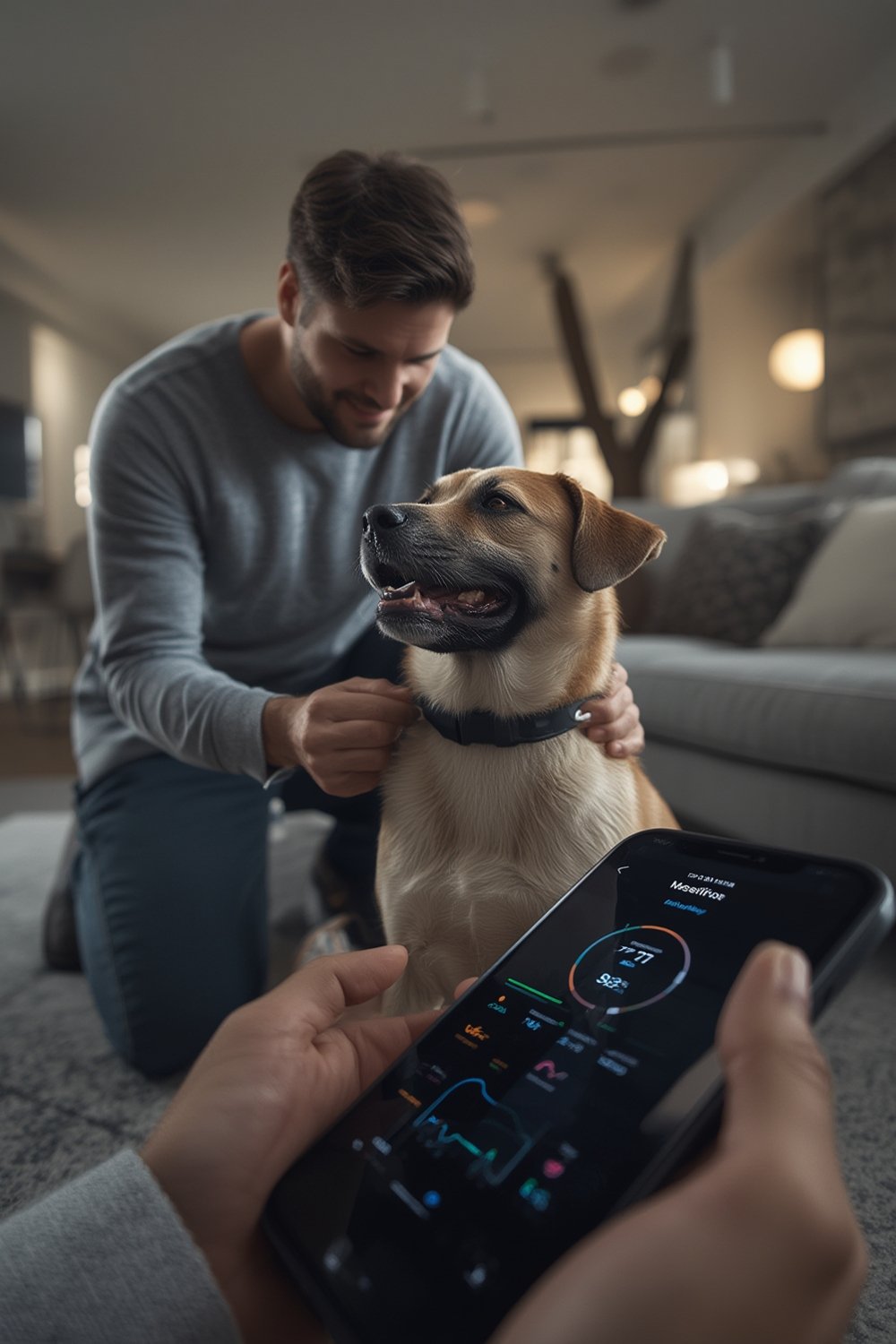
Their rapid rise in popularity is reflected in the market’s growth: the global smart connected pet collar market reached $526.4 million in 2024, with the pet biometric monitor collar market valued at $1.42 billion. Current projections put household adoption at a 71% market share for location and health monitoring by 2023, with double-digit growth rates expected through 2028 [Source].
So why are these devices gaining traction? Beyond basic GPS, many promise early illness detection, real-time health alerts, and behavioral analytics. For pet owners dedicated to creating a healthy pet-ready home, smart collars provide reassurance that their pets’ well-being is closely monitored—even when they’re at work or traveling.
How to Choose and Use a Biometric Smart Collar: Step-by-Step
- Define Your Monitoring Goals: Decide if you want basic GPS/location tracking, or advanced vitals like temperature, heart rate, and respiratory rate. Not all collars offer true biometric data.
- Compare Leading Brands: Research models from PetPace, Wagz, Scollar, Whistle Labs, and FitBark. Look for collars with dedicated health sensors, Bluetooth/Wi-Fi sync, and proven app reliability.
- Check Compatibility: Confirm your chosen collar pairs with your smartphone OS, Wi-Fi network, and any other devices you use for pet care at home.
- Understand Fees: Most biometric collars require a subscription for health metrics, GPS tracking, and cloud data storage. Read the fine print to avoid surprises over recurring charges.
- Monitor and Interpret Data: Use the app to set alerts for temperature anomalies, inactivity, or lost pet scenarios. Review health trends over time—but don’t rely on the collar alone for diagnosis.
- Prioritize Pet Comfort: Ensure the collar fits snugly (not tightly), isn’t too heavy, and is made from pet-friendly materials, especially if your pet wears it 24/7.
For pet owners remodeling or future-proofing their homes with smart technology, consider integrating smart collar alerts with your smart home system—like triggers for door locks or indoor cameras. Explore our AI smart pet enrichment guide for more ways to keep your pets active and engaged alongside health monitoring.
Want to maximize your pet’s overall well-being? Pair your smart collar data with regular microbiome pet testing for a holistic look at gut health, energy, and immune function.
Key Issues, Pitfalls, and What Competitors Don’t Tell You
While the promises are bold, users must weigh the real-world limits and common setbacks of biometric smart collars:
- Accuracy Limitations: Few models offer clinically validated heart or respiratory rate detection for pets. Most currently measure temperature, activity, and position, but advanced biometrics are still evolving. No independent studies have confirmed early illness alerts before symptoms appear (Research Report).
- Connectivity Reliability: Weak Wi-Fi or Bluetooth can cause real-time health monitoring to fail. Owners report trouble syncing collars to phones if the signal is weak in yards or bedrooms.
- Subscription Fees: Most advanced health features require ongoing subscriptions. Bundled GPS and health-metric services are standard, but monthly costs can add up if you have multiple pets (Full Report).
- Lack of Data Privacy Transparency: While few users realize it, most brands don’t fully disclose how your pet’s health data is stored or shared. Privacy and security policies remain vague, which is a blind spot for many first-time buyers.
- Physical Comfort Issues: Heavy collars and less flexible designs may be uncomfortable, especially for smaller breeds or cats.
- No Scientific Guarantee: Health monitoring features look impressive, but peer-reviewed evidence supporting early illness prediction is missing (Industry Analysis).
| Feature | Benefit | Common Pitfall |
|---|---|---|
| Heart/Respiratory Rate Tracking | Potential illness monitoring | Not consistently accurate; no scientific validation yet |
| Temperature Monitoring | Early fever detection | False positives possible; not a substitute for vet visit |
| GPS/Location | Peace of mind, lost pet recovery | Dependent on network strength, battery drain |
| Cloud Data Storage | Secure trend monitoring, access anywhere | No industry-wide privacy standards |
| Subscription Models | Enables premium features | Hidden costs can add up |
For pet-focused homes, weighing these pitfalls is as important as the technology benefits. Combine smart collars with effective energy-efficient home upgrades and safe furniture choices from guides like our furniture comparison for pet owners to create a harmonious, pet-ready space.

Conclusion: Should You Invest in a Biometric Smart Collar?
Biometric smart collars offer a promising new era in pet monitoring, with rapid market adoption and impressive technical promise. However, current devices focus more on temperature, activity, and GPS tracking than truly reliable biometric metrics—scientific validation for early illness detection is still years away. Be prepared for recurring fees, connectivity hiccups, and privacy unknowns. The best results come when you use smart collars as part of a broad, attentive care routine—not as a replacement for vet visits or hands-on pet care. Carefully research, stay realistic, and you’ll get the most out of your Biometric Smart Collars investment.
Ready to make your home safer and healthier for your pet? Explore our pet-ready living guide and dive into more smart pet tech solutions for happier, healthier animals.
Frequently Asked Questions
Do biometric smart collars really detect illness before symptoms show?
There is no independent, peer-reviewed evidence yet that current biometric smart collars can reliably detect illness before symptoms appear. Most track temperature and activity trends that may alert you to sudden changes, but they are not substitutes for regular veterinary care.
What is the usual battery life and charging method for these collars?
Most biometric smart collars last several days on a single charge, depending on features and data sync frequency. They usually charge via a USB cable or proprietary base.
Are there privacy concerns with the health data collected by these collars?
While brands rarely advertise privacy practices, most store your pet’s data in the cloud with limited detail on who can access it. Specific privacy or security issues have not been widely reported by users, but transparency remains limited.
Do I have to pay a subscription for the advanced features?
Yes. Most collars with GPS or health data analytics charge a monthly or annual subscription, especially for real-time alerts, location history, or cloud storage. Always review terms before buying.
Can smart collars work for both cats and dogs?
Some brands design their collars for both cats and dogs, but smaller animals may find certain designs too heavy. Always check size and weight compatibility before choosing a collar for your pet.