

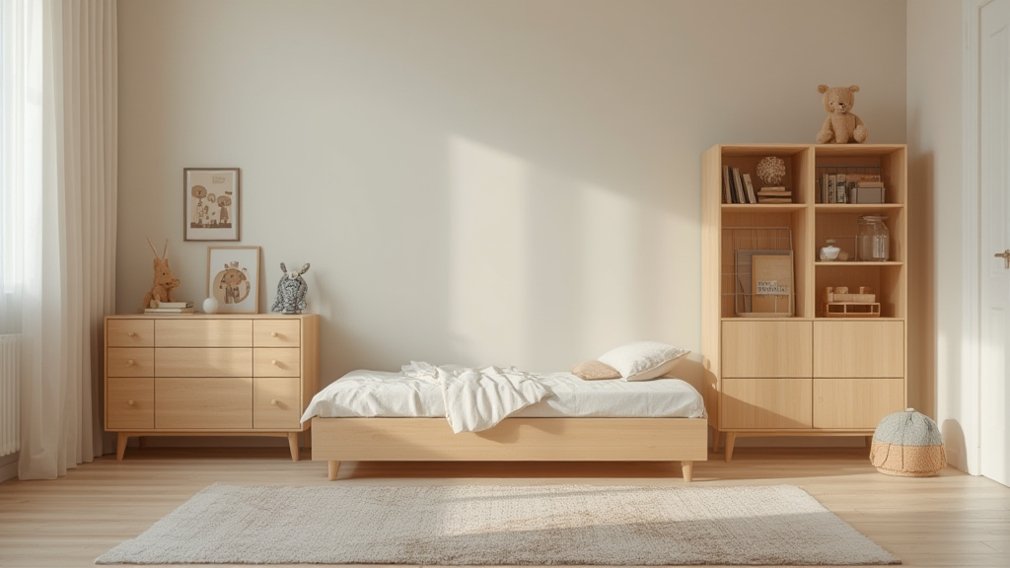
Childrens bedroom furniture sets are a crucial investment for families who want both safety and flexibility as their kids grow. In 2024, the options range from classic wood sets to eco-friendly, modular designs—each bringing unique benefits and challenges for parents seeking the perfect fit.
Key Takeaways
- There is rapid growth in the demand for modular, sustainable, and safe childrens bedroom furniture sets.
- Common pain points include costs, shipping hassle, regulatory requirements, and kids outgrowing themed designs too quickly.
- Market data shows most buyers prioritize durability, wood construction, and certified safety features.
- What Are Children’s Bedroom Furniture Sets and Why Choose Them?
- How to Choose and Set Up a Children’s Bedroom Furniture Set
- Advanced Analysis: Market Pitfalls and What to Avoid
- Conclusion
- FAQ
What Are Children's Bedroom Furniture Sets and Why Choose Them?
Children’s bedroom furniture sets include coordinated beds, dressers, nightstands, wardrobes, and storage elements designed specifically for safety, functionality, and growing needs. These sets often feature child-safe finishes, lower heights for easy access, and modular pieces that transition as children age. With market leaders focusing on sustainability and ergonomic design, parents now have more ways than ever to create a safe, adaptable, and visually pleasing kids’ bedroom.
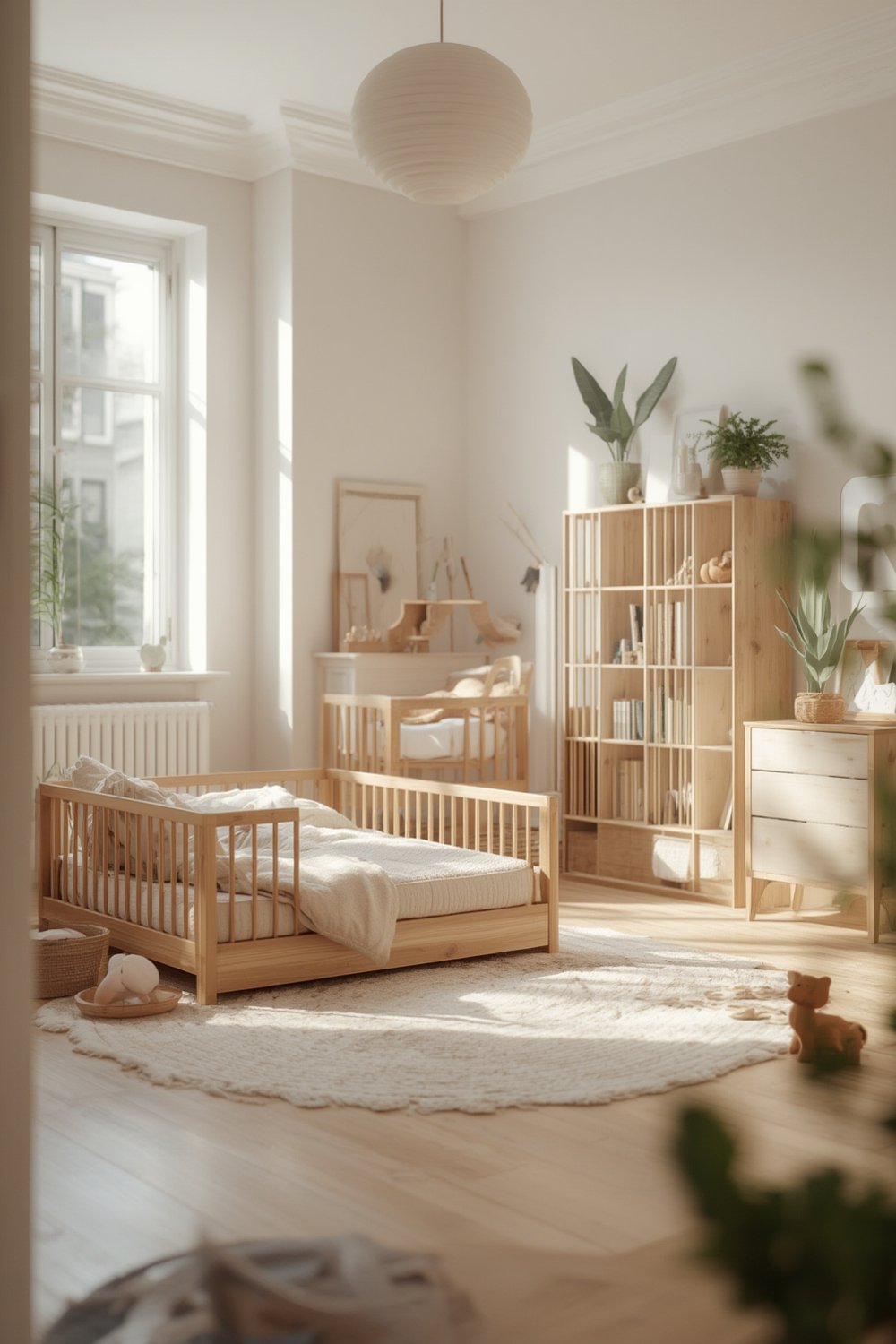
Why choose a full set? Buying as a set ensures consistency in dimensions, finish, and safety features. Many brands now offer modular and space-saving combos—especially important for city dwellers or families planning to redecorate as kids reach new stages. Current trends show a strong lean towards eco-certified wood, low-VOC finishes, and pieces that can be customized, stacked, or expanded.
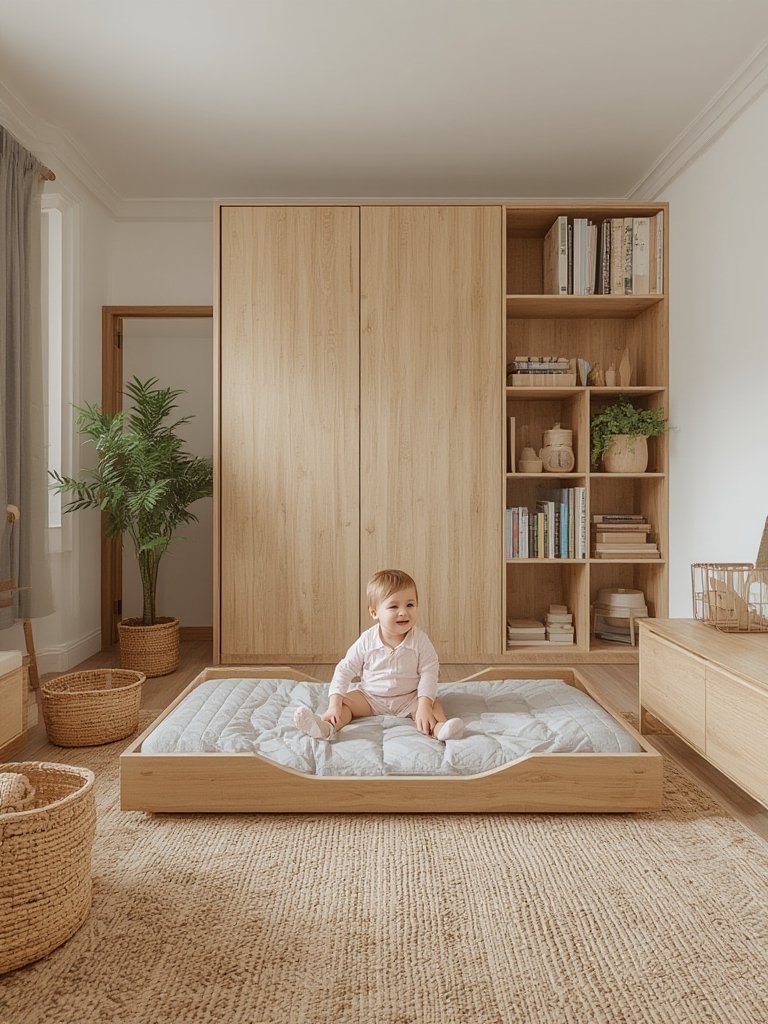
When comparing options, look for sturdy materials (wood led the market in 2024 with a 45.3% share, source), and features like rounded edges, anti-tip hardware, and rails for younger children. Montessori-inspired designs—like floor beds—are gaining in popularity due to their accessibility, although it’s crucial to understand any safety or functional trade-offs, especially compared to traditional cribs.
For additional ideas on maximizing space and modular setup, see our guide on 4 piece bedroom furniture sets UK.
How to Choose and Set Up a Children's Bedroom Furniture Set
- Set Budget & Room Layout: Start by measuring your space, considering entrances, window placement, and room for future changes. Set a clear budget—including shipping and potential returns, since bulk furniture delivery can have extra costs.
- Prioritize Core Features: Shop for sets prioritizing safety (certified side rails, tip-overs, stable joints), durability (solid wood or reinforced plywood), and space-efficiency (under-bed storage, stackable pieces). Verify the presence of low-VOC finishes if sustainability is important.
- Review Certifications: Look out for available safety labels and certifications, even if not always listed. ASTM and CPSC credentials are available for some US products, but always check brand documentation for details.
- Consider Design Longevity: Avoid overly themed designs that can quickly feel outdated as your child grows. Instead, select modular sets that adapt from toddler to tween, like expanding beds and swap-in drawer faces.
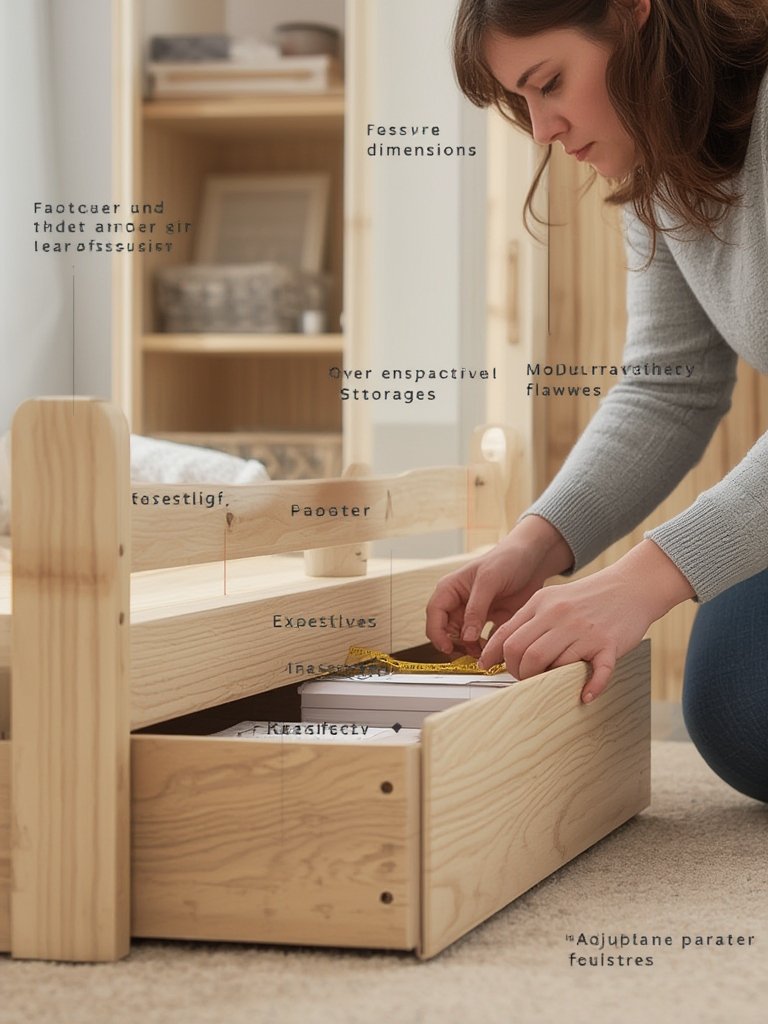
- Plan for Setup & Assembly: Read assembly manuals in advance—some large sets may require two adults or professional installation, especially for bunk beds or wall-mounted storage. Account for return windows in case of shipping damages.
- Add Age-Appropriate Accessories: Complete the space with soft-close drawers, nightlights, and rugs—test everything for durability and tripping risks. For Montessori floor beds, review guidelines for safe placement away from windows or cords.
Want to plan purchases across multiple stores? Learn how to combine Home Depot and At Home deals with our furniture shopping guide.
If you have pets at home, be sure to read the Healthy Pet-Ready Living Guide for tips on choosing child-safe and pet-safe finishes and fabrics.
Advanced Analysis: Market Pitfalls and What to Avoid
While the childrens bedroom furniture sets market is booming—valued between $28-$65 billion in 2024 (source)—families should be aware of some critical challenges the data reveals:
| Issue | Common Pitfall | How to Minimize |
|---|---|---|
| Safety Certification | Not all brands provide visible, clear certification for rails, finishes, or materials. | Contact the seller for documentation and prefer brands with published lab test results. |
| Shipping & Returns | Heavy or large furniture can get damaged in transit or be difficult to return, incurring high costs. | Select brands with transparent damage and return policies—ask about in-room setup options. |
| Outgrowing & Obsolescence | Themed sets may be outgrown in a year or two, incurring unexpected replacement costs and waste. | Choose timeless designs and modular options that extend bed length or convert to storage. |
| Material Volatility | Wood and foam prices fluctuate, affecting affordability and availability. | Shop off-season or during promotions, and consider a mix of materials if budget is tight. |
| Unrealistic Marketing Images | Real spaces can look smaller or have light/color mismatch compared to staged catalogs. | Read honest consumer reviews and look for tagged customer photos before buying. |
When comparing retailers, look for details like warranty terms, delivery choice, and after-sale support. Recent market news shows shifts toward direct-to-consumer models—such as IKEA’s acquisition of KidsRoom Studio for more modular children’s furniture (source)—but comprehensive after-sale service info is often missing from product listings. If choosing between major brands, our guide on Ashley Furniture vs Rooms To Go can help you evaluate warranty and delivery reliability.
If you want your upgrade to add value to your property, check out how energy-efficient and sustainable upgrades—like low-VOC paints and insulation—can further support your family’s health in our Energy Efficient Upgrades Guide.
Conclusion
Choosing the right childrens bedroom furniture sets is about balancing lasting value with safety, adaptability, and real-world costs. Stick with modular designs, prioritize durable and safe materials, double-check shipping and warranty details, and avoid too-specific themes that won’t age well with your child. As trends lean into flexible, sustainable, and ergonomic solutions, integrating your needs and family habits will help your investment work for years.
Ready to create a safer, smarter kids’ bedroom? Keep these tips in mind, compare your options thoroughly, and use the guides above to maximize the benefits from your childrens bedroom furniture sets investment. If you need more help, don’t hesitate to visit our extended furniture planning and shopping resources.
FAQ
Are childrens bedroom furniture sets safe for toddlers?
Yes, most sets are built with safety in mind—look for rounded corners, anti-tip hardware, and certified finishes. Always check if products meet ASTM or CPSC safety standards, and inspect all furniture after delivery for defects.
Is it better to buy a set or mix and match pieces?
Buying a set guarantees coordinated finishes and dimensions. If you have a unique layout or want creative flexibility, mixing high-quality individual pieces can also work well—just double-check heights and hardware compatibility.
How long will a modular children’s set last?
Many quality sets can last from toddlerhood into early teens, especially modular styles that extend or reconfigure. Steer away from trendy themes and opt for neutral tones to maximize longevity.
How can I shop sustainably for kids furniture?
Choose brands that use FSC-certified wood, low-VOC seals, and minimal plastic packaging. Review company policies about recycling or buyback programs for outgrown pieces.
What should I do if pieces arrive damaged?
Contact the seller immediately and document the damage with photos. Reputable brands will arrange replacement parts or pickups for large returns, but always check the policy before purchase.