

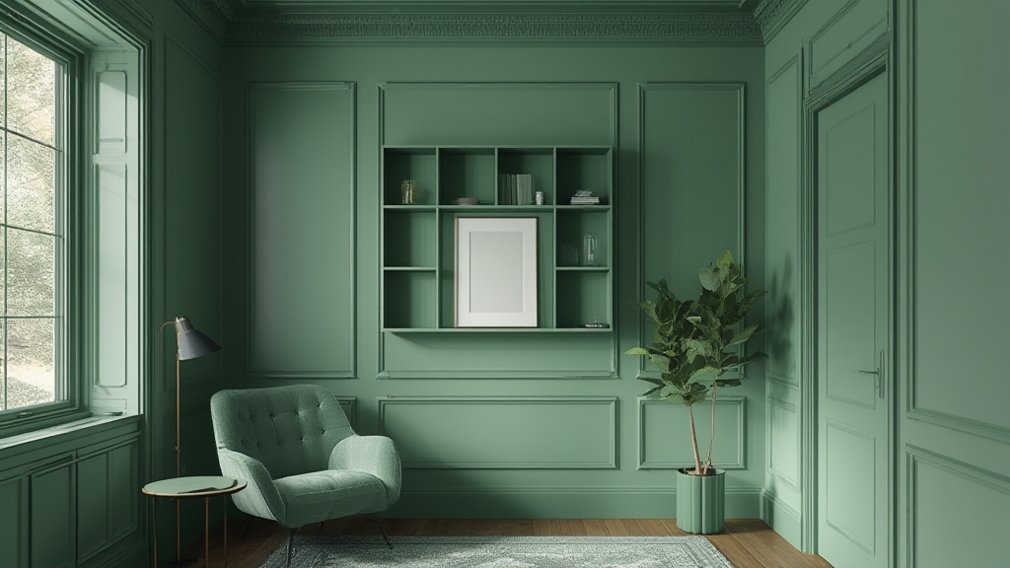
Color Drenching Living Room is the design move dominating homeowner wishlists in 2024. All walls, ceilings, and even trim are wrapped in a single saturated color—turning any living room into a bold, immersive space. If you want your living area to feel truly cohesive and on trend, this guide walks you through everything you need to know for a flawless color drenching makeover.
Key Takeaways
- Green and nuanced neutrals are the most popular color drenching palettes for living rooms in 2024, supported by real search data.
- Flawless color drenching requires careful paint selection, prep, and attention to surfaces—including ceilings and trim.
- Skipping surface prep or using mismatched paint finishes can result in visible flaws, patchiness, or unbalanced light in your space.
- The Core Concept: What Is Color Drenching in the Living Room?
- Step-by-Step Guide: How to Color Drench Your Living Room
- Advanced Analysis & Common Pitfalls
- Conclusion
- FAQ Section
The Core Concept: What Is Color Drenching in the Living Room?
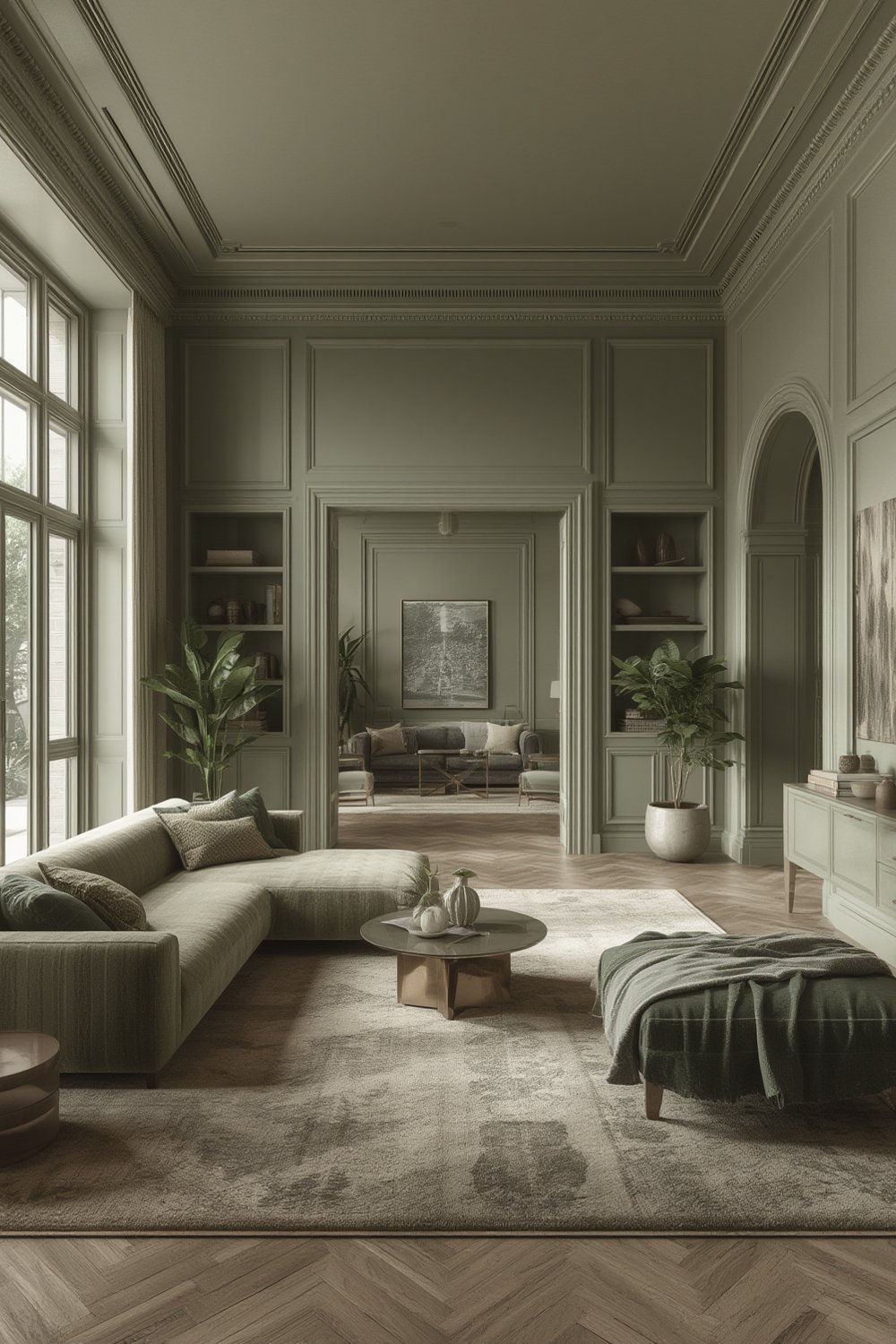
Color drenching your living room means coating all the walls, ceiling, and often the trim with the same color and finish. This approach removes contrast and focuses everything on a single chromatic experience. In 2024, homeowners are gravitating toward rich greens (like sage, olive, Fairmont Green HC-127) and sophisticated neutrals (off-whites, greige, soft taupe) when it comes to drenching. According to the latest Living Cozy search report, green is the most searched living room color for the second year running.
This immersive treatment can make your space feel larger, cozier, or more dramatic—depending on your color choice and lighting. It works well with both contemporary and traditional furnishings and instantly removes distractions, letting statement furniture or art take center stage. For application examples and tips, you can review Benjamin Moore’s project inspiration resources.
Step-by-Step Guide: How to Color Drench Your Living Room
Follow these steps to achieve a seamless color drenching effect in your living room—no experience required.
-
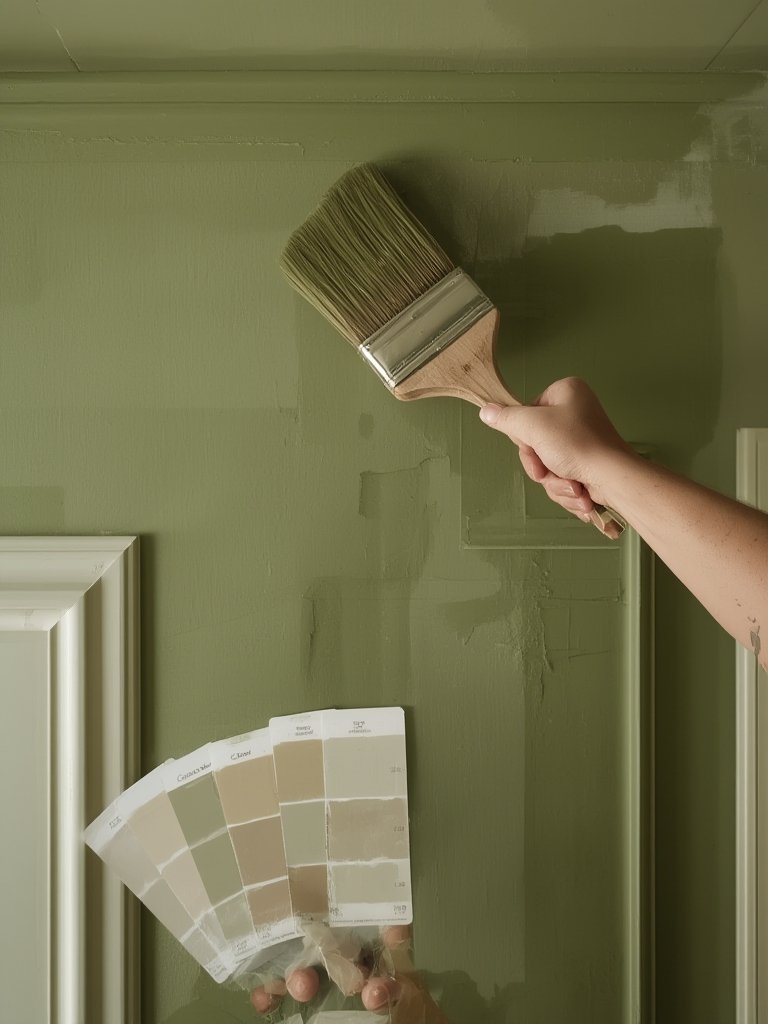
Choose Your Color Carefully
Greens (sage, moss, evergreens) and warm neutrals dominate trends, but consider your room’s natural light and what mood you want to create. Deeper hues promote coziness; lighter shades create an airy effect; saturated colors like Gossamer Blue or Hibiscus add a playful twist. -
Pick the Right Paint Type & Finish
Walls and ceilings need equally opaque, washable finishes. Use high-quality latex or acrylic paints. For a unified look, opt for eggshell or matte on both walls and ceiling, and satin or semi-gloss for trim. Lacquer finishes—like Onyx or glazed chocolate brown—can add light bounce but are harder to apply. -
Prep All Surfaces Thoroughly
Fill, sand, and prime walls, corners, and ceiling. This is vital to prevent uneven coverage, especially with darker or highly pigmented shades. -
Paint Ceilings, Walls, and Trim in Sequence
Always start with the ceiling, then walls, and finish with trim. Work with consistent tools and brush or roller strokes to avoid texture differences. -
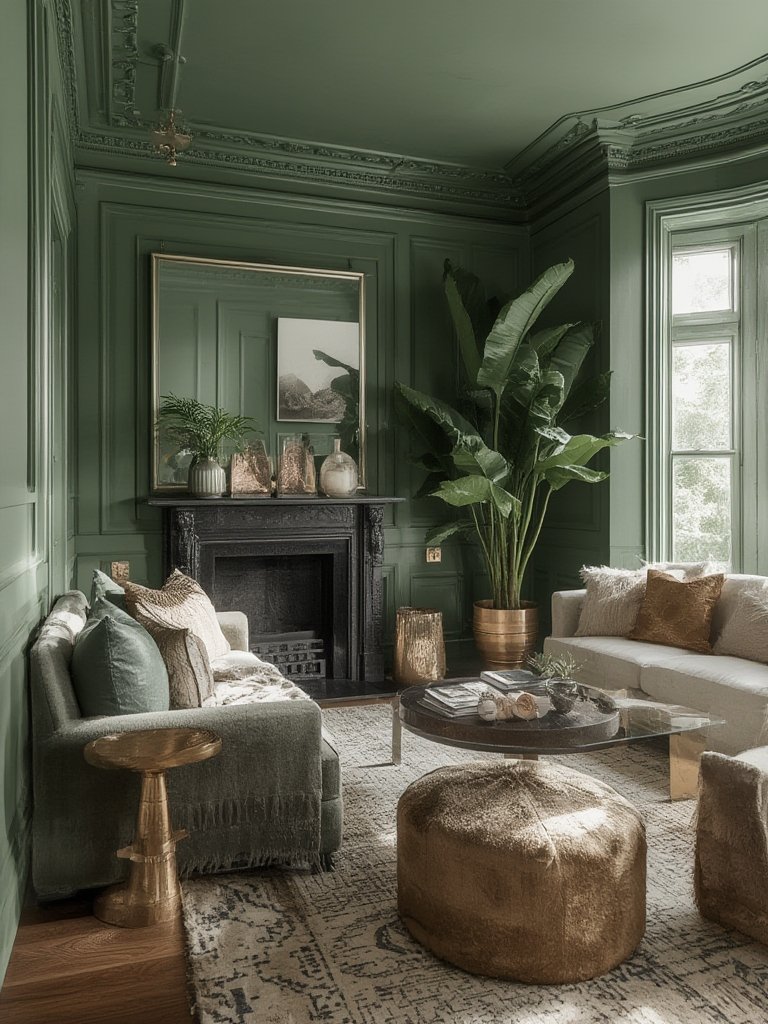
Style Thoughtfully
Limit contrasting accessories. Layer decor tonally (like moss-green cushions on a sage sofa) for a sophisticated look, or add a few bold accents to break up the color block.
For shopping advice and bundling your project needs, see our guide to planning home improvement shopping for best results.
Want to refresh your furniture with your new look? Check our tips on choosing the right living room furniture to suit your color drenched space.
Advanced Analysis & Common Pitfalls
This technique is not foolproof. Here’s a realistic look at where color drenching can go wrong—and how to avoid it.
-
Patchy or Streaky Coverage:
Inadequate priming or uneven rolling causes “flashing”—streaks where light hits at odd angles. Plan for 2–3 coats with quality paint, especially over new drywall or drastic color changes. -
Room Feels Smaller or Too Dark:
Deep colors visually shrink a room or make it feel closed in. Use layered lighting (ambient, task, accent) to counteract. Consider smart window blinds for flexible natural light control. -
Surface Flaws Are Exaggerated:
Monochrome schemes highlight every dent or patch on walls and ceilings, especially with glossier finishes. Prep is nonnegotiable. -
Color Fatigue or Regret:
There’s little data on buyers regretting color drenching, but strong colors may feel overwhelming long term. If unsure, stick to more neutral tones recommended by experts (see Benjamin Moore’s neutral color picks). -
Paint Mismatch on Different Surfaces:
Using different brands/finishes for walls versus ceilings and trim often leads to color differences due to varied reflectivity. Buy all paint from the same line and batch if possible.
| Issue | Root Cause | How to Avoid |
|---|---|---|
| Streaks/Flashing | Low quality paint, poor prep | Use high-quality paint, prime, apply multiple coats |
| Room feels dark/small | Dark color without counter-lighting | Add layered lighting, consider lighter shades |
| Highlighting flaws | No surface repair or too-glossy paint | Fill/sand, use matte or eggshell finish |
| Paint mismatch | Mixed brands/finishes | Buy all paint at once, same line/batch |
Want a more energy-friendly or healthier paint project? Consider low VOC paint and smart insulation upgrades during your prep phase.
If you have pets at home, be sure to check our pet-ready living guide for tips on non-toxic, durable finishes.
Conclusion
Color drenching your living room can completely change its energy, scale, and style—if done correctly. Greens and sophisticated neutrals are the top choices for 2024, and careful prep, consistent paint application, and thoughtful styling make all the difference. Remember, bold colors are harder to erase, so sample widely and consider your lighting at every step. Starting your Color Drenching Living Room project today can bring your home firmly into the modern era. Ready to transform your space? Start planning, testing, and drenching now.
FAQ Section
What is the best color for a color drenched living room?
Green is the most popular option in 2024, especially shades like sage, olive, and Fairmont Green. Neutrals such as greige and off-white are also homeowner favorites. For mood-specific drenching, try calming blues or soft lavender.
Is it okay to use a different finish for ceilings and walls?
For the most seamless result, use the same paint finish (typically matte or eggshell) on both the ceiling and walls. Using mismatched finishes can create visible lines or disrupt the immersive look.
Will color drenching make my living room look smaller?
Deep, saturated hues can make rooms feel more intimate and cozy, but may also visually shrink a small space if not balanced by good lighting.
Do I need special paint or primer for color drenching?
Choose high-quality interior paints. For drastic color changes or dark hues, use a dedicated primer to prevent stains and improve coverage. When painting trim or woodwork, durable enamels or lacquered finishes work best.
How do I maintain and clean a color drenched living room?
Stick to washable, high-quality paints. Regular dusting keeps the surface fresh, and for tough spots, lightly wipe with a damp sponge. Avoid harsh chemicals to preserve color vibrancy.