

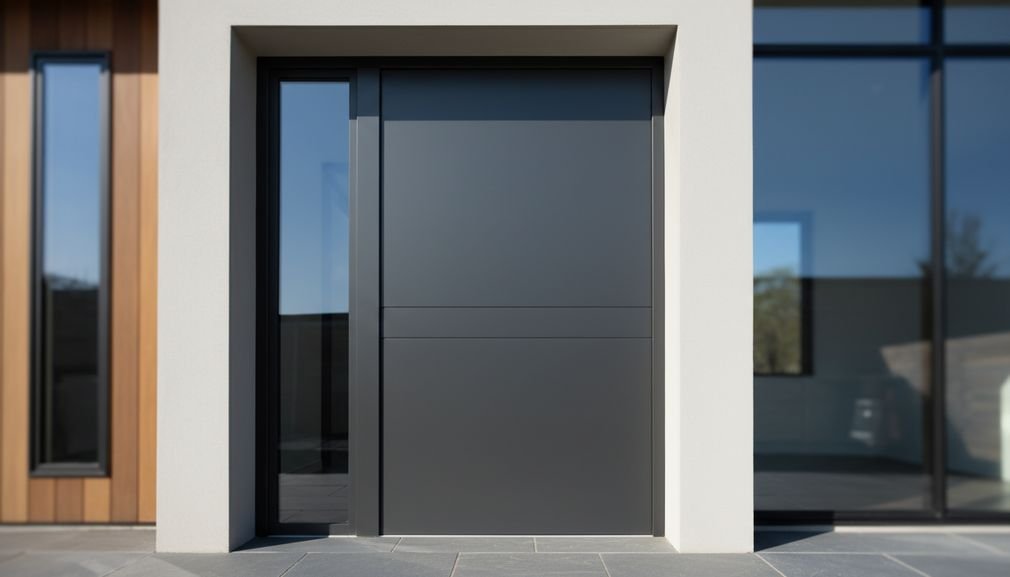
A DIY Steel Door Retrofit is one of the most powerful pre-sale upgrades a budget-conscious homeowner can tackle. While specific ROI data for do-it-yourself projects isn’t tracked in major industry reports, the staggering returns on professionally installed steel doors provide a clear and compelling case. For homeowners looking to maximize curb appeal and capture buyer attention without breaking the bank, this project represents a significant opportunity.
Key Takeaways
- Inferred High ROI: While DIY data is unquantified, professional steel door installations show an average national cost recovery of 188.1%, strongly suggesting a DIY project offers even higher returns by eliminating labor costs.
- Steel Outperforms Fiberglass: For maximizing pre-sale value, steel is the clear winner. It boasts a 188% ROI compared to just 80% for fiberglass doors, making it the strategic choice for sellers.
- Critical Data Gaps Exist: Be aware that specific guidance on common DIY installation pitfalls, essential tools, and post-installation security vulnerabilities is not readily available, requiring you to be extra diligent in your research and preparation.
- The Unquantified Power of DIY Steel Door Retrofits
- Steel vs. Fiberglass: The Clear Winner for Pre-Sale Value
- Maximizing Curb Appeal Beyond the Numbers
- High-Security Features & Material Costs
- The DIYer’s Blind Spots: Critical Gaps in Guidance
- Conclusion: Is a DIY Steel Door Retrofit Worth It?
- Frequently Asked Questions
The Unquantified Power of DIY Steel Door Retrofits: High ROI Potential for Pre-Sale Homeowners
When preparing a home for sale, every dollar counts. You need projects that deliver a visible impact and a strong financial return. While industry reports don’t track the specific ROI for a DIY Steel Door Retrofit, we can draw a powerful inference from the data on professional installations. According to the 2024 Cost vs. Value report, a professionally installed steel entry door has a national average front door cost recovery of an incredible 188.1%. That means for an average job cost of $2,355, homeowners see a resale value increase of $4,430.
The numbers get even more impressive in certain regions, with New England reporting a 236% ROI and the Pacific states reaching a massive 250%. Since a significant portion of the professional cost is labor, a competent DIYer like yourself stands to capture an even greater return by handling the installation. This positions the steel door as a premier pre-sale project, far outpacing other upgrades like minor kitchen remodels (60%) or closet renovations (83%).

Steel vs. Fiberglass: The Clear Winner for Boosting Pre-Sale Value
In the world of entry doors, the two main contenders are steel and fiberglass. While both have their merits, the data shows a clear winner when the primary goal is maximizing resale value. As we’ve seen, steel doors command an ROI of nearly 190%. In stark contrast, a fiberglass front door replacement comes in with an ROI of just 80% according to 2025 data. That’s less than half the return, a critical difference when you’re investing time and money to attract buyers and maximize your home’s sale price.
Why the massive difference? It often comes down to perceived value, security, and durability. Steel doors project a sense of strength and security that buyers notice immediately. This single upgrade can transform the entire first impression of your property. For a deeper look at how your front door impacts your home’s overall look, explore these modern front door design trends to ensure your choice aligns with current buyer expectations.
| Feature | Steel Entry Door | Fiberglass Entry Door |
|---|---|---|
| Average ROI | 188.1% (National Average, 2024) | 80% (2025 Data) |
| Primary Benefit | Highest resale value, security, and durability. | Resistant to dents and scratches, good insulation. |
| Best For | Homeowners focused on maximizing pre-sale value and curb appeal. | Homeowners in harsh climates prioritizing dent resistance. |
Maximizing Curb Appeal Beyond the Numbers: How a Steel Door Attracts Buyers
While the 188% ROI is compelling, the true value of a new steel door goes beyond a simple calculation. It’s one of the most recognized and effective curb appeal projects you can undertake. Real estate agents consistently emphasize the importance of a home’s entrance. It sets the tone for the entire viewing and can subconsciously influence a buyer’s perception of the home’s quality and maintenance. A worn, dated, or flimsy front door can signal neglect, whereas a solid, new steel door communicates security, care, and modern appeal.
Industry reports note that projects with high curb appeal ROI 2026, like steel doors and garage door replacements, help homes “stand out” in competitive markets. While there isn’t specific data to quantify a reduction in days on market, a strong first impression is invaluable. It can be the deciding factor that makes a buyer book a showing from an online listing or feel confident walking through the door. This first impression is a critical component of your overall outdoor living space strategy when preparing to sell.
High-Security Features & Material Costs: What to Expect for Your DIY Project
For a DIYer, understanding the material cost is paramount. The average professional job cost of $2,355 includes the door, materials, and labor. By removing labor, you can significantly reduce your upfront investment. While precise costs for a full DIY kit are not detailed in industry reports, data shows that a basic, commercial-grade steel entry door unit can range from $800 to $1,500. This provides a solid baseline for budgeting.
However, it’s important to note that this price is for the door unit itself and doesn’t include specialized hardware like a high-security front door multi-point locking system or a reinforced strike plate. These are add-ons you will need to research with specific suppliers. When planning your budget, be sure to account for the door, new locksets, shims, sealant, and any tools you may need to purchase. A well-planned budget is key to any successful project, whether it’s a new door or a full budget kitchen remodel.
The DIYer’s Blind Spots: Critical Gaps in Steel Door Retrofit Guidance
This is where a DIYer must proceed with caution. The high potential ROI of a DIY Steel Door Retrofit comes with the responsibility of navigating significant information gaps. Unlike more documented projects, there is currently no available data on several critical areas:
- Common Installation Pitfalls: There’s no definitive list of the top three mistakes DIYers make, such as improper shimming leading to a racked frame, poor sealing causing drafts, or incorrect threshold adjustments.
- Essential Specialized Tools: Beyond a basic toolset, are there specialized tools that make the job foolproof? The data is silent.
- Codes, Permits, and Regulations: Information on specific local building codes, permit requirements, or common HOA rules that are frequently overlooked is not compiled. Non-compliance could create major issues during the home sale.
- Post-Installation Vulnerabilities: There are no reports on common security or performance issues that appear after a DIY installation, such as frame weaknesses or sticking doors, or the best protocols to prevent them.
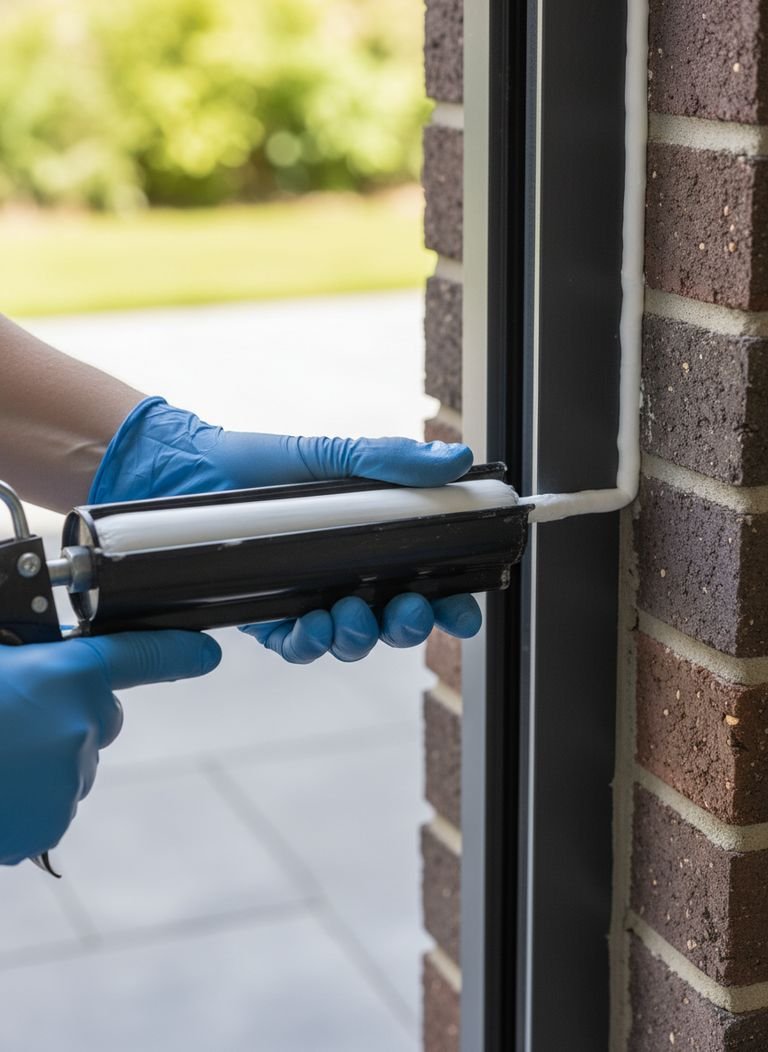
These blind spots mean you must take on the role of researcher. Contact your local building authority about permit requirements. Watch multiple, detailed installation videos from reputable sources. And if you’re installing a smart lock or other integrated tech, ensure compatibility and follow security best practices. Your diligence in these areas will be the key to a successful and profitable project.
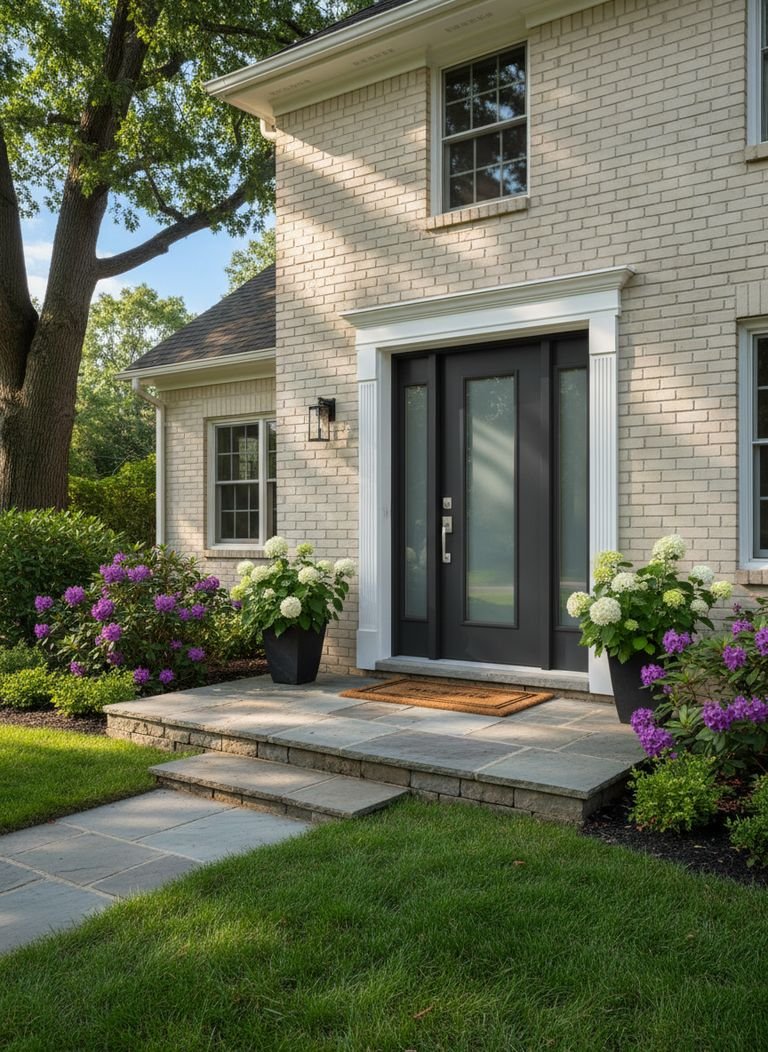
Conclusion: Is a DIY Steel Door Retrofit Worth It?
For the savvy homeowner preparing to sell, the evidence is overwhelmingly positive. A steel door retrofit stands as one of the highest-return investments you can make, creating an immediate and powerful boost to curb appeal and perceived home value. While the path for a do-it-yourselfer has unmapped areas, the potential financial upside is immense.
Success hinges on acknowledging and proactively addressing the known information gaps. By choosing a pre-hung unit, meticulously researching your local codes, and studying installation best practices, you can mitigate the risks. A well-executed DIY Steel Door Retrofit is not just a home improvement project; it’s a strategic financial move that pays for itself—and then some—when you sell your home.
Frequently Asked Questions
What is the main reason a steel door has a higher ROI than fiberglass?
A steel door’s higher ROI is primarily driven by its lower upfront cost and the high perceived value it adds in terms of security and durability. Buyers often associate steel with strength and safety, which makes a strong first impression and justifies the value added to the home’s price, leading to an exceptional cost recovery of 188.1% versus 80% for fiberglass.
How much can I realistically save with a DIY steel door retrofit?
You can save a significant amount, likely over $1,000. With the average professional installation costing around $2,355 and the basic door unit costing between $800 and $1,500, you are saving entirely on skilled labor, which often constitutes a large portion of the total project cost.
Is a pre-hung steel door better for a DIY project?
Absolutely. A pre-hung door, which includes the door already mounted in its frame, is highly recommended for DIYers. It eliminates the complex and precise carpentry work required to fit a new door slab into an old frame, which may no longer be perfectly square. This greatly simplifies the installation and reduces the chance of errors that can lead to drafts, sticking, or security issues.
What’s the biggest risk of a DIY steel door installation?
The biggest risk is improper installation that compromises the door’s security and energy efficiency. Common mistakes like failing to make the frame plumb and level, or inadequate sealing and insulation, can lead to drafts, water leaks, and a door that doesn’t lock correctly. This can negate the value gained and may even require a professional to fix.
Do I need a permit for a DIY steel door retrofit?
It depends entirely on your local municipality. In many areas, replacing an existing door of the same size does not require a permit. However, if you are altering the size of the opening, changing the framing, or if your home is in a historic district or governed by an HOA, a permit or approval may be necessary. Always check with your local building department before starting work.