

### Blog Post:
External Wall Insulation Cladding is a proven way to boost your home’s energy efficiency, cut bills, and preserve valuable living space—especially if you live in an older or solid wall property. But how does it really work, what are the latest costs and pitfalls, and is it right for your home in 2024? If you want practical, up-to-date answers—without sugarcoating—keep reading.
Key Takeaways
- External Wall Insulation Cladding typically costs £100–£200 per m² (including labour and materials) on older UK homes in 2024.
- Choosing external insulation preserves interior floor space and can significantly improve a building’s thermal efficiency, but long-term issues like cracks and damp are rarely discussed.
- Government grants (like ECO) may help offset costs, but eligibility—especially for period or solid wall homes—is hit and miss.
- 1. The Core Concept
- 2. Step-by-Step Guide
- 3. Advanced Analysis & Common Pitfalls
- 4. Conclusion
- 5. FAQ
The Core Concept: What Is External Wall Insulation Cladding and Why Does It Matter?
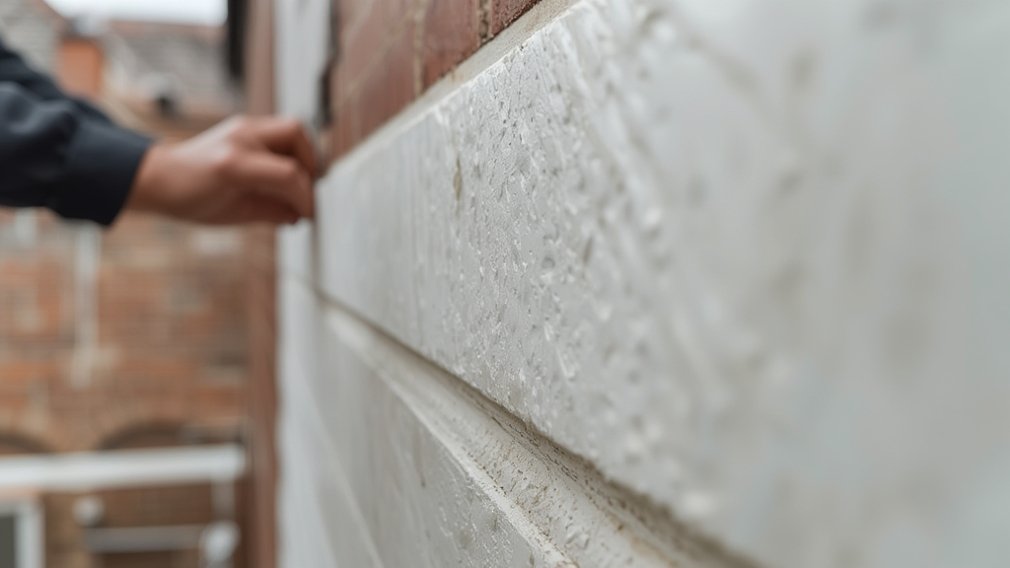
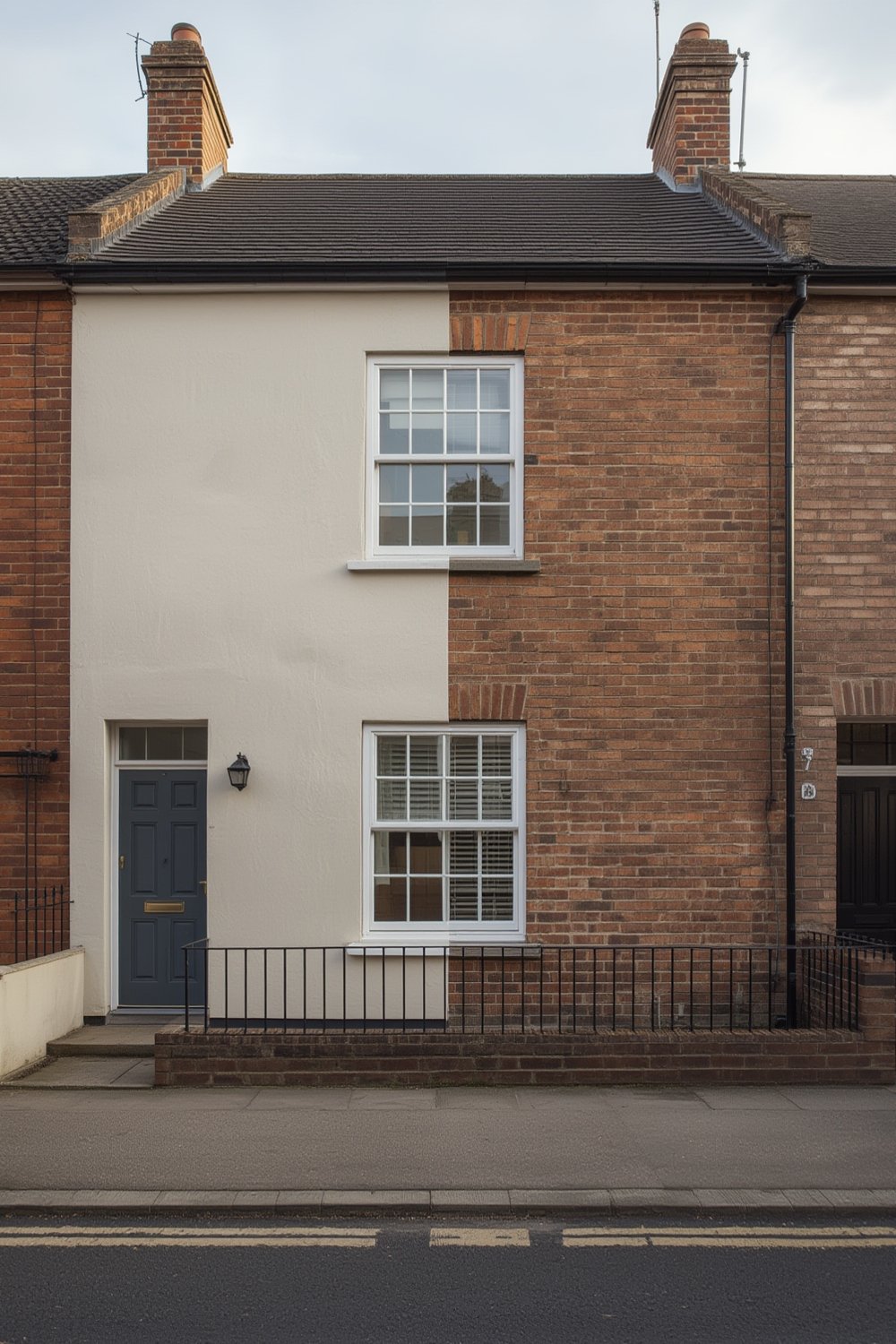
External Wall Insulation Cladding (EWI) involves fixing a new layer of insulating material, usually rigid boards or panels, to the outside of your home. These panels are then covered with a protective and decorative render. This method is particularly effective for older or solid wall homes, which often lose significant heat through external walls.
Unlike internal insulation, EWI does not reduce your living space and often improves both comfort and exterior appearance. It’s become a popular upgrade for retrofitting homes built before modern building regulations—or those without cavity walls—where energy efficiency is lacking.
Why does it matter? With UK energy costs rising and climate targets tightening, improving the thermal envelope of older homes is no longer only an eco-conscious choice—it’s also about future-proofing your property and protecting your wallet. For more on other energy efficiency upgrades, see our Energy Efficient Upgrades Guide.
Step-by-Step Guide: How to Retrofit External Wall Insulation Cladding on Older Homes
1. Assess Suitability and Identify Risks
Not all properties are equally suited. Check age, wall type (solid or cavity), and if planning permission is required (especially for listed or period homes). Identify potential obstructions—like downpipes or decorative features—that may complicate installation.
2. Get Detailed Quotes and Clarify Scope
Request itemized quotes from at least three experienced EWI installers. Ensure material type (EPS, PIR, mineral wool, etc.), thickness, and finishing render are specified. Ask about guarantees, U-value targets, and compliance with local regulations.
On average, expect to pay £100–£200 per m² (all in). Insulation alone ranges from £10–£21.50 per m² (Checkatrade Cost Guide), with EPS usually cheapest and XPS/ mineral wool pricier.
3. Secure Funding or Grants
Check your eligibility for 2024 home improvement and ECO insulation grants (full details here). Be aware these often exclude certain older or 1920s solid wall properties, and the application process can be slow. Keep contingency funds in case you don’t qualify.
4. Prepare the Property
Clear the exterior, relocate (or extend) services like pipes, cables, or satellite dishes as needed. Remove damaged render and repair cracks before installing any insulation panels. Good prep helps prevent hidden issues like cold bridging and future damp.
5. Installation and Finishing
Installers will:
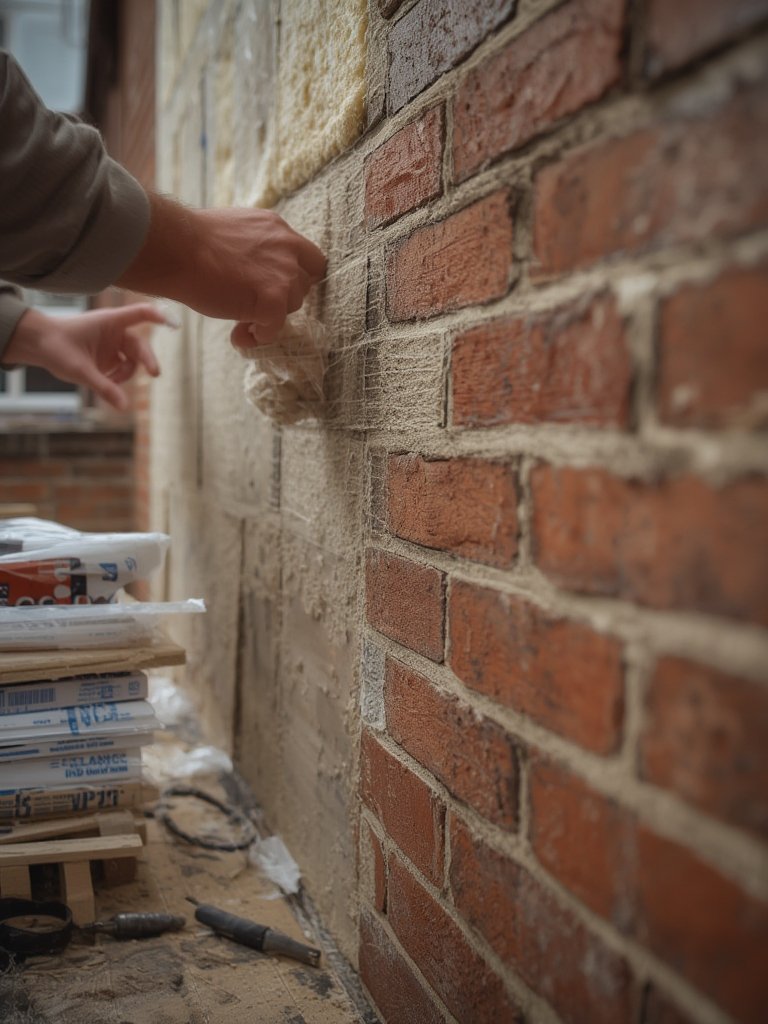
- Affix insulation boards (often 50–100mm thick) using adhesive and mechanical fixings
- embed mesh for strength
- Apply primer and reinforced base coat
- Add weatherproof render and decorative finish
Units like EPS or mineral wool have different fire and durability properties. Best practice is to ensure expansion joints and appropriate drainage are included, especially for older masonry.
Quick fact: A semi-detached, solid wall home retrofit typically costs £10,000–£16,000 (GreenMatch Source), generally more if you want premium finishes or thicker, eco-friendly boards.
6. Quality Checks and Ongoing Maintenance
Thoroughly inspect all joints and penetrations after work. Ask for a written guarantee (materials and labour), and find out exactly what is covered. The render and finishing will require low-level cleaning and periodic inspection to spot cracks, algae, or discolouration.
Learn more about complementary energy-saving ideas in our Energy Efficient Windows Guide.
Advanced Analysis & Common Pitfalls: What Most Guides Overlook
Real Challenges Not Found in Most Articles
- No hard data on floor space gains: While EWI avoids the space loss of internal insulation, most articles don’t quantify real room difference in square meters. It’s likely meaningful in small rooms, but case studies are lacking.
- Post-installation complaints are rarely reported: Common risks like surface cracks, render detachment, or cold spots (cold bridging) are rarely addressed by leading sources. Homeowners in period homes should be especially wary of water ingress and damp if the render layer or detailing fails.
- Lack of performance specs by material: Top articles mention U-values (typically 0.30 W/m²K or lower for 50–100mm insulation) but often skip details about fire ratings (like Euroclass) and real-world durability, especially over time and on aging brickwork or stone walls.
Comparison Table: EPS vs Mineral Wool vs PIR Insulated Panels (2024)
| Panel Type | Cost (per m²) | Thermal Value (U-value)* | Fire Resistance | Best For |
|---|---|---|---|---|
| EPS (Expanded Polystyrene) | £10 | To 0.30 W/m²K | Low | Budget retrofits, non-high-rise |
| PIR (Polyisocyanurate) | £12.50 | To 0.30 W/m²K | Moderate | Mid-budget, improved fire |
| Mineral Wool | £18.20 | To 0.30 W/m²K | High | Solid/period walls, fire safety |
*Typical U-value achieved with 50–100mm thickness, property-dependent.
Maintenance and Hidden Costs
Older homes require careful weatherproofing and joint detailing to avoid long-term damp and cracking (especially above doors and windows). Render may require periodic touch-ups, costing ~£14/m², but comprehensive data on ongoing maintenance and long-term durability remains scarce.
If removal is needed (for repairs or access), costs run £30–£40/m²—substantial on a larger home. For a full comparison of home upgrade costs across projects, read our Kitchen Remodel Ideas Guide.
Regional and Grant Realities
ECO and some government insulation grants remain available, but many homeowners (especially in pre-war, solid-walled houses) report ineligibility or bureaucratic barriers. Research your eligibility early and set your budget accordingly. You might also like our guide to Home Improvement Store Shopping Strategies for big-ticket purchases.
Conclusion: Is External Wall Insulation Cladding Worth It for Older Homes?
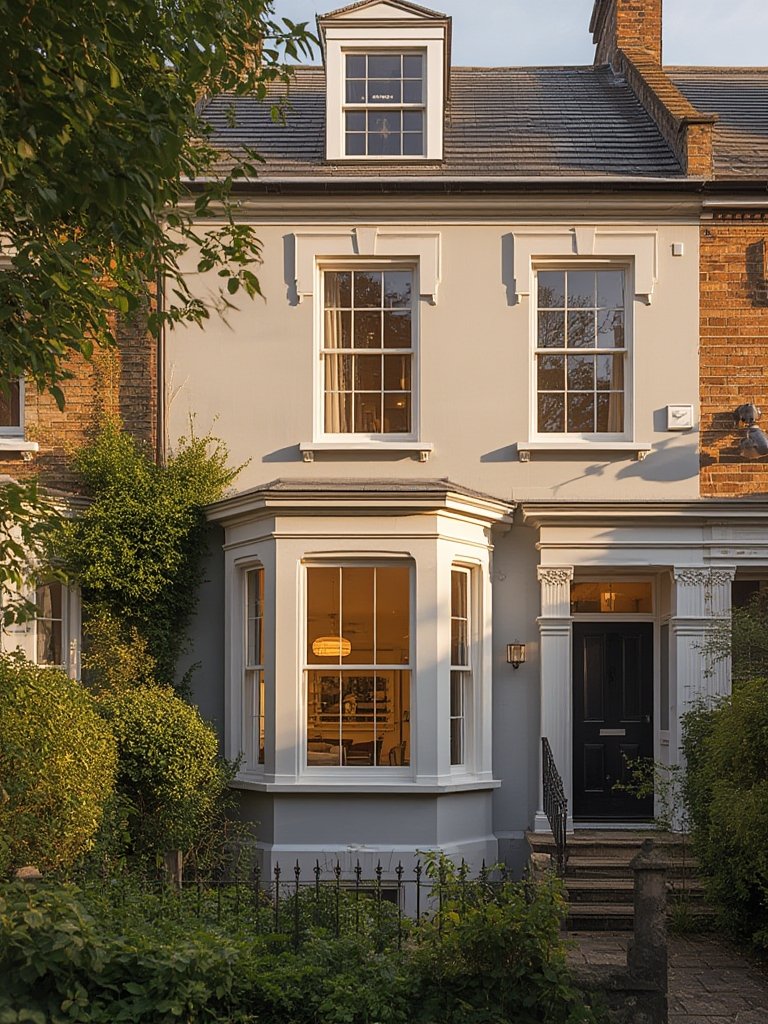
External Wall Insulation Cladding is a powerful tool to cut energy losses, preserve interior space, and modernize the appearance of older homes. But it’s not a guaranteed win: full-system costs run £100–£200 per m², grant eligibility is hit and miss, and cracks or damp are real risks if details are skipped. If you do your homework, use qualified installers, and factor in potential maintenance, External Wall Insulation Cladding can be one of the smartest ways to upgrade a period property for the next decade. Ready to take next steps? Research local quotes, grants, and don’t forget to check out complementary efficiency upgrades in our Energy Efficient Upgrades Planning Guide.
FAQ: External Wall Insulation Cladding for Retrofitting Older Homes
How long does external wall insulation cladding last?
With proper installation and maintenance, most systems last 25–40 years. Regular inspections help catch surface cracks or moisture issues early.
Can I get government grants for external wall insulation in 2024?
Possibly. ECO and some UK government schemes support insulation upgrades, but many older or period homes don’t qualify. Check eligibility before starting.
Does external wall insulation cladding stop damp entirely?
No—it can help prevent some forms of penetrating damp, but if poorly installed or existing moisture is trapped, it may make problems worse. Always resolve underlying damp before applying EWI.
Is external wall insulation better than internal insulation?
It preserves all floor space and improves thermal performance in most cases, but can be costlier up front. The best choice depends on your home’s structure and project goals.
What maintenance does external wall insulation cladding need?
Check annually for render cracks, algae, or fading. Clean as needed and reseal joints promptly. Budget for occasional render repairs or recoating every 10–15 years.