

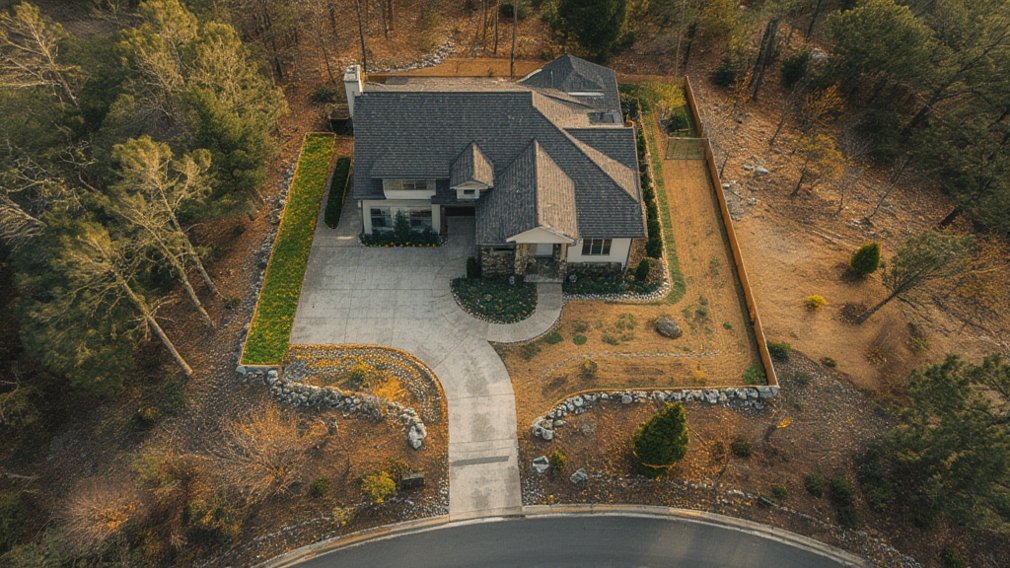
Firescaping is rapidly becoming essential for homeowners living in wildfire-prone areas seeking to protect their property—and it’s not just theory. With billions in damages and thousands of homes lost each year, practical, fire-resistant landscape design is one of the smartest investments you can make to reduce risk, save money, and keep your family safe.
Key Takeaways
- Firescaping reduces wildfire risk by creating defensible, low-flammability zones around your home using specific landscaping principles and materials.
- For every dollar invested in fire mitigation, homeowners can potentially save three dollars in recovery costs following a wildfire (source).
- Common mistakes—like using flammable plants or improper mulch—can undermine even a well-designed firescaping plan.
- What Is Firescaping and Why Does It Matter?
- How to Firescape: Step-by-Step Guide
- Advanced Analysis & Common Pitfalls
- Conclusion
- Frequently Asked Questions
What Is Firescaping and Why Does It Matter?
Firescaping is a strategic landscape design approach that reduces wildfire risk by organizing your yard into zones of defensible space. It combines fire-resistant plants, non-combustible materials, and thoughtful design to slow or stop the spread of wildfire towards your home and structures.
With the devastating 2024 wildfires consuming over 8.9 million acres and destroying more than 4,500 structures nationwide (NIFC report), the urgency for resilient landscaping has never been higher. Traditional gardens with thick mulch, dense vegetation, or overhanging trees actually fuel wildfires and increase your property’s vulnerability.
A firescaped yard uses space, separation, and smart material choices to create flame-resistant barriers, improve safety for your home, and—when combined with the latest defensible space guidelines—can help save lives and limit catastrophic property loss.
How to Firescape: Step-by-Step Guide
The following action plan covers essential firescaping steps for a typical US residential property. Adjust your layout for local fire regulations and climate zones for best results.
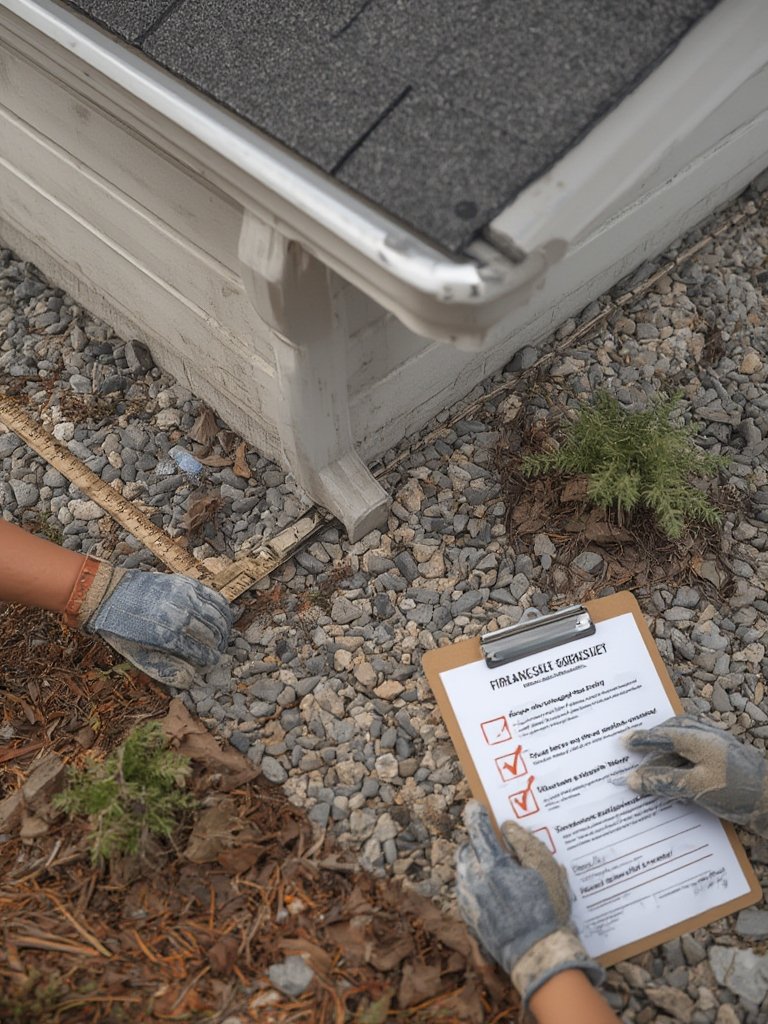
- Survey Your Property
Identify vulnerable areas—especially those within 30 feet of your home, decks, and outbuildings. Map existing plants, beds, mulch, and any wooden features. - Establish Defensible Space Zones
Create defensible space by dividing your yard into zones (typically 0–5 feet, 5–30 feet, and 30+ feet from structures). Prioritize the first 5 feet as an ember-resistant “no burn” zone per CAL FIRE best practices. Remove anything flammable here. - Remove Combustible Mulch and Debris
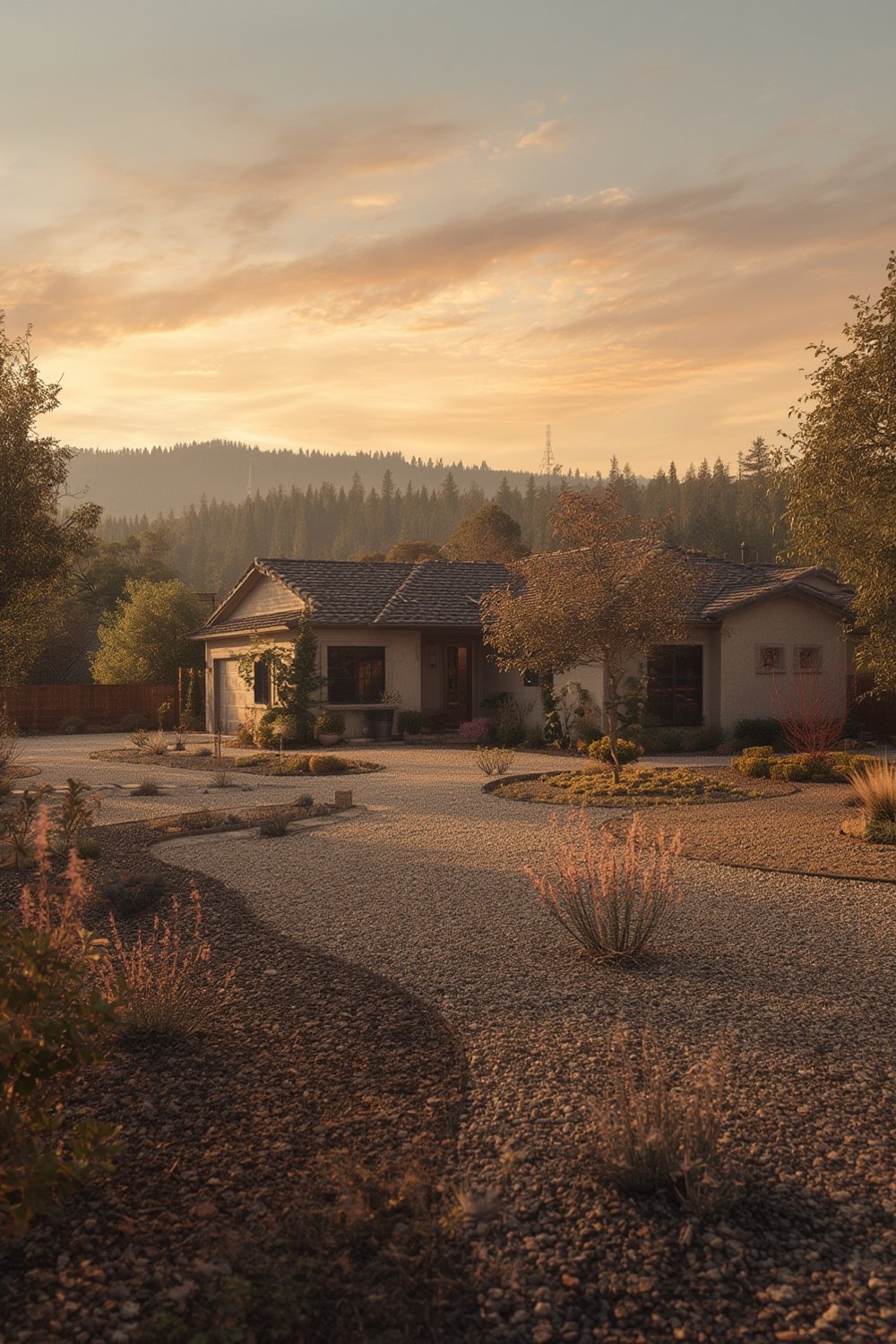
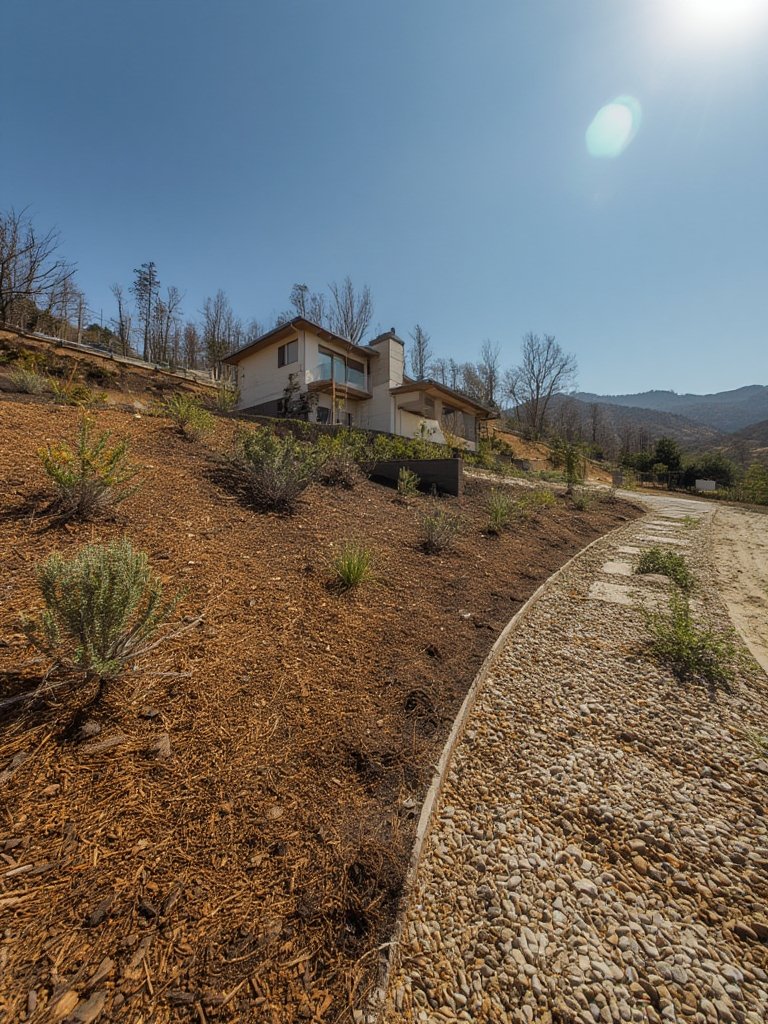
Replace bark, pine straw, or other organic mulches near your home with non-combustible options like gravel, decomposed granite, or stone. Clear away dried leaves, needles, and firewood piles. - Select Fire-Resistant Plants
Favor plants with high moisture content, low resin or oil, and non-peeling bark. Maintain wide spacing so plants don’t “ladder” flames upward. Regional fire authorities often publish outdoor plant lists for firescaping. - Prune and Thin Regularly
Trim low branches and shrubs, especially under larger trees. Thin groupings of plants—don’t let canopies and shrubs touch your house or each other. - Install Hardscaping Features
Firebreaks such as stone walkways, driveways, gravel patios, and water features help stop a fire’s progression. Consider a fire-resistant seating area as an upgrade—see tips in our cozy patio guide. - Maintain and Inspect
Check your yard each season and after windstorms. Remove new debris, keep grass cut under 4 inches, and irrigate to keep plants healthy and fire-resistant.
Done right, firescaping doesn’t have to look barren or institutional. You can combine fire safety and aesthetics—integrate outdoor living features, smart irrigation, and attractive, fire-safe plant palettes. For more inspiration on blending safety and patio design, check out these outdoor living space ideas.
Advanced Analysis & Common Pitfalls
Even with the best of intentions, firescaping can fall short if you overlook hidden risks or make common mistakes. Here are some of the most frequent pitfalls—and actionable ways to avoid them:
| Common Mistake | Why It’s a Problem | Simple Solution |
|---|---|---|
| Using Organic Mulch Near Home | Shredded bark, pine needles, and wood chips ignite easily from embers | Switch to stone or gravel mulch within 5 ft. of any structure |
| Poor Plant Spacing/Overcrowding | Dense plantings “ladder” fire from ground to roof | Maintain 18–36 inches between bushes/trees; don’t plant under eaves |
| Ignoring Seasonal Maintenance | Dead branches, leaves, and tall grass build up fast | Prune and clear debris at least every spring and fall |
| Neglecting Vents, Fences, and Decks | Wind-blown embers enter through openings or along combustible features | Install ember-resistant vents, use non-combustible fencing next to house |
| Failing to Check Local Regulations | Defensible space requirements and plant recommendations vary widely by region | Consult local fire authority or state forestry service before major landscaping |
Maintenance is where most homeowners stumble—firescaping is not a one-time project. Over time, new growth and debris can compromise defensible space and put your home at risk again. Also, keep in mind that some beautiful or popular plants (like juniper or bamboo) are highly combustible—always confirm what’s safe for your area.
Finally, set a realistic budget: switching to non-combustible mulch or hardscaping has a higher upfront cost, but it reduces ongoing maintenance, *can* lower insurance premiums, and may even increase your property’s value over time. For more ways to boost home value with smart upgrades, see our kitchen remodel guide and front door design tips.
Conclusion
Firescaping is a proven way to protect your property by combining fire-resistant landscaping, defensible space, and ongoing maintenance. With wildfire losses and property values at stake, smart firescaping delivers both safety and long-term savings. Invest a little time and planning now—future you will thank you.
Ready to make your home safer? Start your firescaping plan today, connect with local fire authorities for the latest guidelines, and browse our energy saving upgrades for even greater home resilience.
Frequently Asked Questions
What is the first step when planning a firescaped yard?
Begin by mapping your yard and identifying all flammable materials and vegetation within 30 feet of your home—these areas must be prioritized for clearance and fire-safe replacements.
How often should I maintain my firescaped property?
At a minimum, maintain your firescaped zones every spring and fall by removing debris, thinning plants, and checking all hardscaping and structural features for combustible buildup.
Are gravel and stone the only options for fire-safe mulch?
No, but they are the most reliable near the home. Other options may be available depending on your region (such as decomposed granite). Always check with your local fire department or extension office.
Can firescaping really impact my home insurance?
In many wildfire zones, insurance companies increasingly require defensible space or offer discounts for certified firescaping practices because they have been shown to reduce the risk and cost of fire damage.
Where can I find lists of recommended fire-resistant plants?
Most state forestry agencies provide region-specific lists of fire-safe plants. CAL FIRE, for example, lists suitable species for California climates. You can also consult local nurseries knowledgeable about wildfire resilience.