

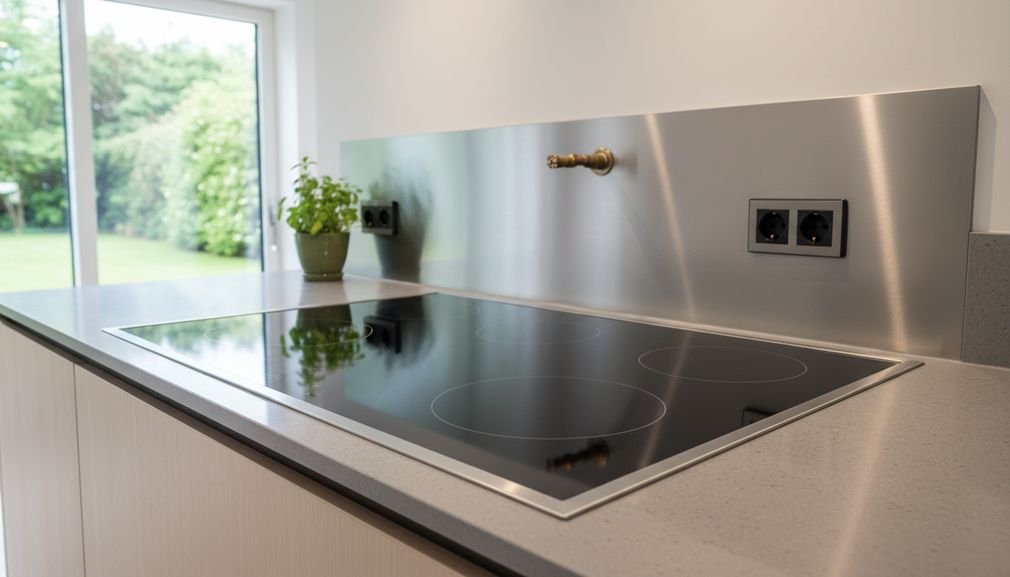
A successful Induction Range Retrofit is one of the most impactful upgrades you can make for your home’s health, safety, and efficiency, but the path from gas to electric can feel complex. For homeowners focused on improving indoor air quality and cooking precision, understanding the full scope of the project, from electrical requirements to hidden costs, is the key to a smooth transition. This guide demystifies the entire process, providing a realistic breakdown of expenses, common pitfalls, and the critical planning steps you need for a seamless switch.
Key Takeaways
- An induction range retrofit typically costs between $2,000 and $4,000 before rebates, with the main variable being whether your home requires an electrical panel upgrade.
- Switching from gas to induction eliminates indoor combustion pollutants like nitrogen dioxide, which research links to an estimated 12–13% of childhood asthma cases in the U.S.
- Beyond the appliance, budget for potential hidden costs like hiring a licensed plumber to cap the gas line, countertop modifications, and replacing non-magnetic cookware.
- Understanding the True Cost of an Induction Range Retrofit
- Navigating Common Challenges and Unexpected Costs
- What to Expect: Real User Experiences & Post-Retrofit Adjustments
- The Health and Efficiency Advantages: Beyond Just Cooking
- The Overlooked Essentials: Advanced Planning for a Seamless Swap
- Technical Deep Dive: Electrical Needs & Cookware Compatibility
- Maximizing Your Savings: Federal, State, and Local Incentives
- Is an Induction Retrofit Right for You?
- Frequently Asked Questions
Understanding the True Cost of an Induction Range Retrofit
Planning an induction range retrofit requires looking beyond the sticker price of the appliance. The total investment includes the range itself, professional installation labor for both electrical and gas work, and potential electrical system upgrades. A mid-range 30-inch induction range typically costs between $1,500 and $2,500. The installation is where costs diverge significantly. You’ll need an electrician to install a new 240V dedicated circuit, which can cost anywhere from $400 to $1,300 depending on your location and the complexity of the wire run. Additionally, a licensed plumber must safely cap the gas line, a job that usually runs $150 to $400.
The most significant variable is your home’s electrical capacity. If your existing panel is full or you have older 60-100A service, you may need a panel upgrade, which can add $1,500 to $3,500 to the total. As one report summarizes, “Most single-family retrofits without major service limitations fall near $2,000–$4,000 total before incentives, with the largest variable being whether a panel/service upgrade is required.” This financial planning is a key part of any successful kitchen remodel ideas, ensuring there are no surprises down the line.
Navigating Common Challenges and Unexpected Costs
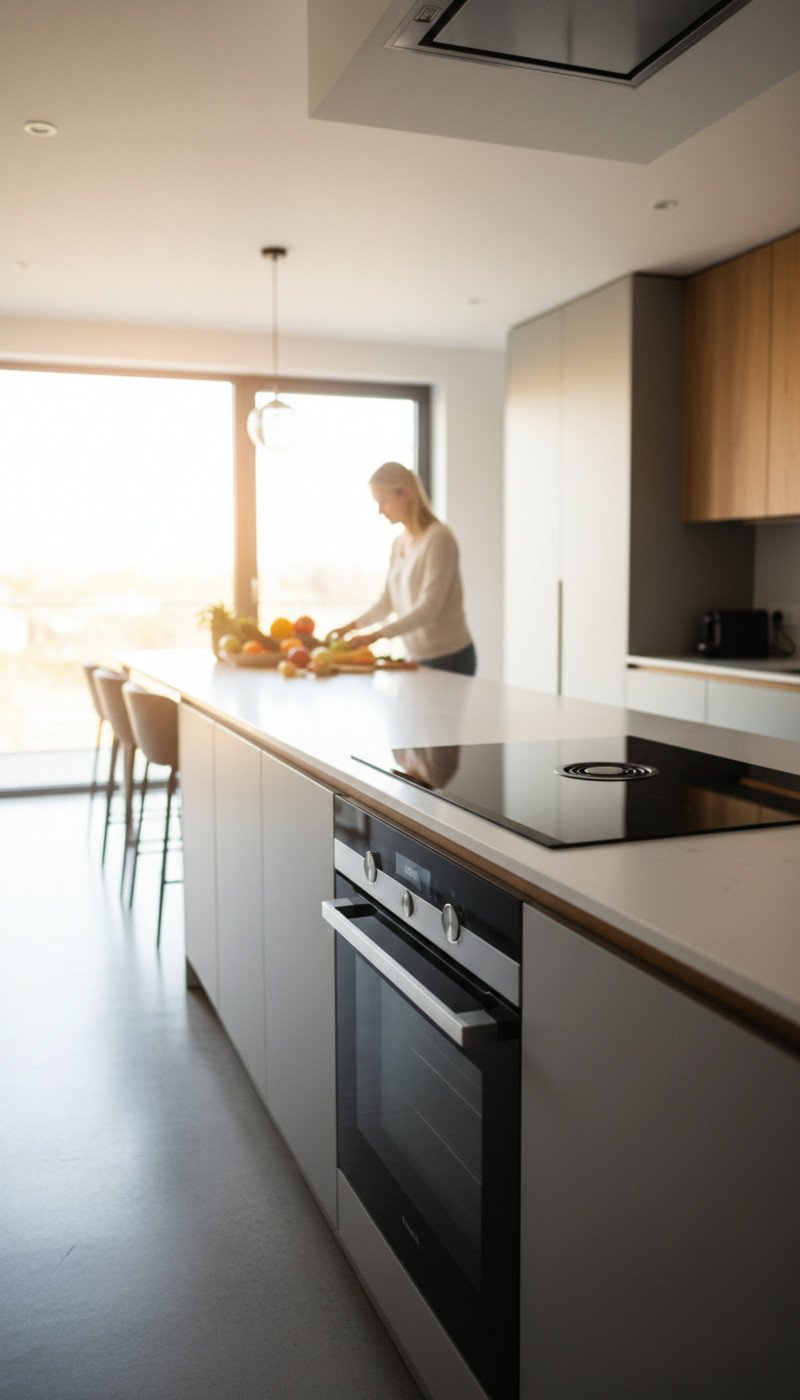
A gas to induction swap often uncovers a few hurdles that are best anticipated early. Beyond the major electrical work, several smaller but crucial details can add to the project’s cost and timeline. One of the most common surprises is the need for new cookware. Induction technology works by generating a magnetic field, which means your pots and pans must be made of a magnetic material like cast iron or magnetic stainless steel. As many homeowners discover, “Induction requires ferromagnetic cookware; many users discover a significant fraction of existing pots/pans are incompatible.” This can mean an additional $100 to $500 for a new set of daily-use pans.
Physical modifications might also be necessary. If you’re switching from a freestanding gas range to a slide-in induction model, you may need to adjust your countertop or add a filler piece at the back. While induction cooktops produce less ambient heat, they still generate significant steam and grease, so your ventilation system must be adequate. Some homeowners find they need to upgrade their range hood, which can be another unexpected expense. Finally, don’t forget the small fees, such as appliance removal and disposal if not included by the retailer.
What to Expect: Real User Experiences & Post-Retrofit Adjustments
Once your new induction range is installed, there’s a slight learning curve and a few operational quirks to get used to. Many new users are surprised by the sounds an induction cooktop makes. Unlike the familiar whoosh of a gas flame, “Many induction ranges emit fan noise (cooling fans) and occasional high‑pitched buzzing or humming at certain power levels, more noticeable with thin or lightweight pans.” This is normal, as internal fans cool the electronics and the magnetic field can cause certain cookware to vibrate slightly.
The cooking experience is also different. Induction is incredibly fast and responsive, which means water boils in a fraction of the time, but it also means food can burn more easily until you adjust. The touch controls on the glass surface can be sensitive and may not respond if your fingers are wet. You’ll also need to be more mindful of the cooktop surface; sliding heavy cast iron pans can cause scratches, so it’s best to lift them. Adopting a routine of cleaning the glass with a dedicated cooktop cleaner will keep it looking new and prevent residue from burning on.
The Health and Efficiency Advantages: Beyond Just Cooking
The decision to switch to an energy efficient cooktop is often driven by two powerful benefits: significantly improved indoor air quality and superior energy efficiency. Gas stoves release combustion byproducts directly into your home, including nitrogen dioxide (NO₂), carbon monoxide, and formaldehyde. These pollutants can aggravate respiratory conditions. A striking 2022 peer-reviewed study estimated that “12–13% of current childhood asthma in the U.S. is attributable to gas stove use.” By making the gas to induction swap, you completely eliminate this source of indoor pollution, creating a healthier environment for your family—a core principle of any healthy pet-ready living guide.
From an efficiency standpoint, induction is unmatched. “Induction cooking efficiency… is around 85–90%, compared with ~40% for gas.” This is because induction heats the pan directly, so very little energy is wasted as ambient heat. Your kitchen stays cooler, and your air conditioning doesn’t have to work as hard in the summer. While the direct annual savings on your utility bill for cooking alone may be modest (often $10–$30), the efficiency is a key part of a broader home electrification strategy that leads to substantial long term savings and a smaller carbon footprint.
The Overlooked Essentials: Advanced Planning for a Seamless Swap
A truly successful induction retrofit goes beyond simply hiring an electrician to run a new wire. It involves strategic, forward-looking planning that many guides overlook. Most articles will tell you that you need a “dedicated 240V, 30–50A circuit,” but they rarely explain the next step: “How to evaluate whole‑home load… to decide between migrating only the stove vs. doing a coordinated panel / service upgrade.” Before calling the electrician, take inventory of your current and future high-draw appliances. Are you planning to install an EV charger, a heat pump water heater, or central air conditioning? Considering these future energy efficient upgrades now can help you decide if a larger panel upgrade is a more cost-effective long term solution than just adding a single circuit for the stove.
Ventilation is another area deserving more attention. While you no longer have combustion fumes, high-heat searing and frying on induction still produce grease and odors. An effective range hood is still essential. Consider the capture efficiency and noise level (measured in sones) of your hood, not just its airflow (CFM). A well-designed hood will keep your air clean without sounding like a jet engine. This type of detailed planning is similar to the foresight needed for complex projects like planning bathroom remodel ideas to ensure long-term satisfaction.
Technical Deep Dive: Electrical Needs & Cookware Compatibility
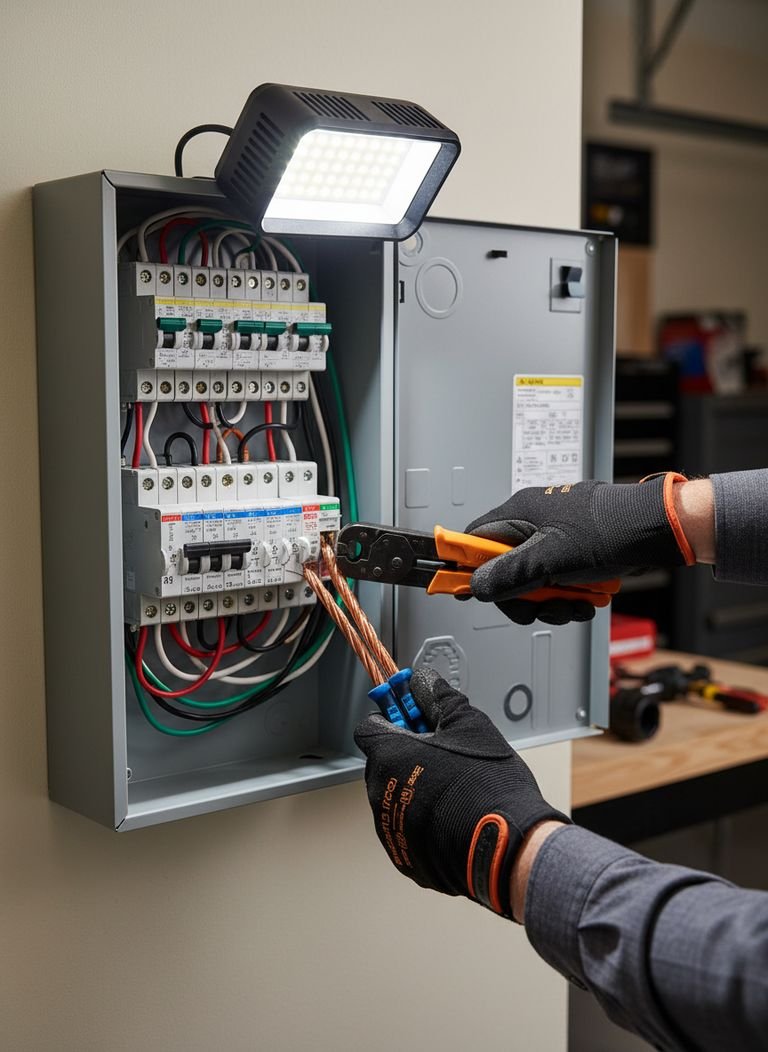
Getting the technical details right is non-negotiable for a safe and effective professional induction stove installation. Most 30-inch induction ranges require a dedicated 40A or 50A, 240V circuit. This dictates the type of wire that must be used. For a **50A** circuit, electricians will typically use **6–8 AWG copper** wire, with the exact gauge depending on the run length and local codes. The circuit must be protected by a two-pole breaker in your electrical panel and terminate in a NEMA 14-50 receptacle behind the range.
On the cookware front, compatibility is determined by a simple magnetic test. To check your existing pots and pans, take a simple refrigerator magnet and see if it sticks to the bottom. The rule of thumb is: “If the magnet sticks firmly and does not slide off, the pan is generally induction compatible.” Materials that work well include cast iron, carbon steel, and stainless steel cookware that is specifically designed with a magnetic base. Aluminum, copper, and glass cookware will not work unless they have a bonded magnetic steel plate on the bottom. When shopping for new magnetic cookware for induction, also ensure the bottom is perfectly flat to maximize contact with the glass surface, which ensures even heating and minimizes noise.
Maximizing Your Savings: Federal, State, and Local Incentives
The upfront cost of an induction range retrofit can be significantly reduced by taking advantage of generous government incentives. The Inflation Reduction Act (IRA) created powerful rebate programs to encourage home electrification. As guidance from the Department of Energy shows, “Electrification rebates can cover 50–100% of an electric/induction stove cost up to $840, depending on income.” Households earning less than 80% of the area median income (AMI) are eligible for 100% of the cost, while those between 80-150% of AMI can receive 50%. Critically, these rebates are designed to cover not just the appliance but also the necessary electrical work for installation.
These federal programs are administered by state energy offices, so the exact application process will vary. In addition, many states, cities, and local utilities offer their own stacked rebates. Check your state’s energy office website and your utility provider’s marketplace for programs that may offer hundreds of dollars more in savings, especially for projects that involve replacing a gas appliance. Properly leveraging these incentives is a smart financial move, much like how smart home installation services can provide long-term value and savings.

Is an Induction Retrofit Right for You?
Switching from a gas range to induction is more than just an appliance upgrade; it’s an investment in your family’s health, your home’s energy efficiency, and a superior cooking experience. While the process involves careful financial planning and technical considerations like electrical capacity and cookware, the benefits are clear and compelling. By anticipating potential costs, understanding the installation requirements, and taking full advantage of available rebates, you can make the transition smoothly and affordably. A well-planned Induction Range Retrofit delivers precise control, faster cooking, and the peace of mind that comes from a cleaner, safer kitchen.
Ready to explore the benefits of electrification for your home? Contact a qualified local electrician today to get a load calculation and a quote for your project.
Frequently Asked Questions
What is the biggest hidden cost when switching from gas to induction?
The biggest and most common hidden cost is the potential need for an electrical panel or service upgrade. If your current panel lacks the space or capacity for a new 40-50A circuit, the upgrade can cost an additional $1,500 to $3,500, often exceeding the cost of the appliance itself.
Do I still need a range hood with an induction cooktop?
Yes. While induction cooking doesn’t produce combustion pollutants like gas, it still generates steam, grease, smoke, and odors from the food itself. A properly vented range hood is essential for maintaining good indoor air quality and keeping your kitchen clean.
Can I use my existing pots and pans on an induction range?
You can only use cookware that is magnetic. The easiest way to check is to hold a refrigerator magnet to the bottom of your pots and pans. If it sticks firmly, it will work. Cast iron and most stainless steel pans are compatible, while aluminum, copper, and glass are not unless they have a special magnetic base.
Is an induction range retrofit a DIY project?
No, this is not a DIY project for most homeowners. The project requires installing a high-voltage 240V electrical circuit and safely capping a natural gas line. Both of these tasks must be performed by licensed and insured electricians and plumbers to ensure safety and code compliance.
How much can I really save with an induction stove rebate?
Through the federal Inflation Reduction Act, you may be eligible for a rebate of up to $840 for the appliance and installation costs. The exact amount depends on your household income. Additionally, your state and local utility may offer stacked rebates worth several hundred dollars more, potentially covering a significant portion of the total project cost.