

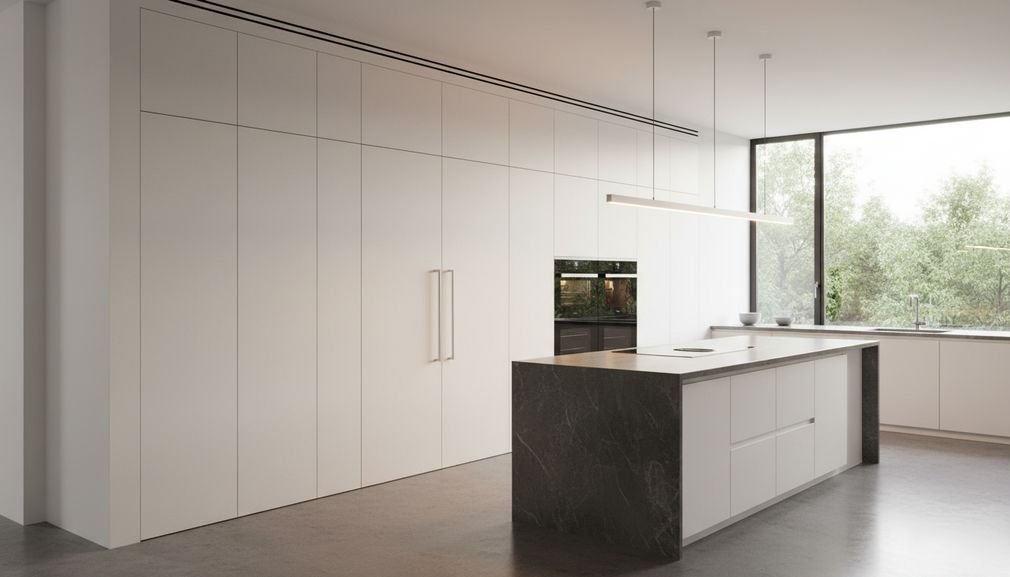
A hidden pantry door offers the ultimate in minimalist kitchen design, but achieving that seamless, high-end look without creating a long-term functional nightmare requires careful planning. While social media is filled with flawless reveals, the reality is that poor design and installation can lead to frustration, costly repairs, and daily inconvenience. This guide cuts through the hype to provide a realistic roadmap, focusing on the critical details that separate a stunning success from a homeowner’s regret.
Key Takeaways
- A hidden pantry door is designed to blend seamlessly with kitchen cabinetry or walls, creating a clean aesthetic, but its success depends entirely on high-quality hardware and professional installation.
- Common pitfalls include mechanism failure, inadequate ventilation leading to mold, poor accessibility that hinders kitchen workflow, and moisture damage to door materials.
- To avoid these issues, prioritize strategic placement, invest in professional installation, choose materials appropriate for your climate, and commit to regular maintenance of hinges and tracks.
- The Allure of the Invisible: What is a Hidden Pantry Door?
- Demystifying the “Secret” Kitchen: Unpacking the Scullery Connection
- Beyond the Hype: Common Pitfalls and Homeowner Regrets
- Achieving Seamlessness: Expert Recommendations to Avoid Installation Pitfalls
- Making the Right “Invisible” Choice for Your Home
- Frequently Asked Questions
The Allure of the Invisible: What is a Hidden Pantry Door?
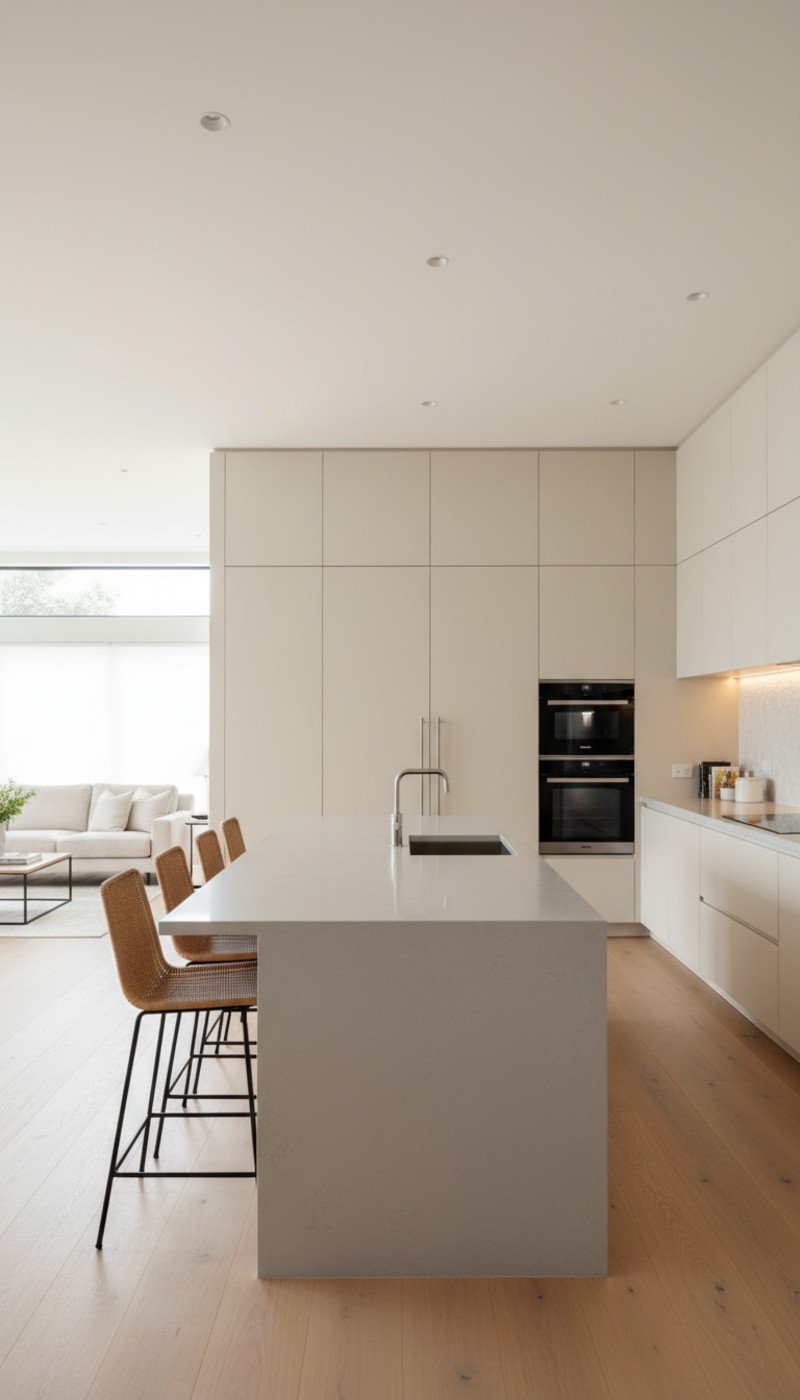
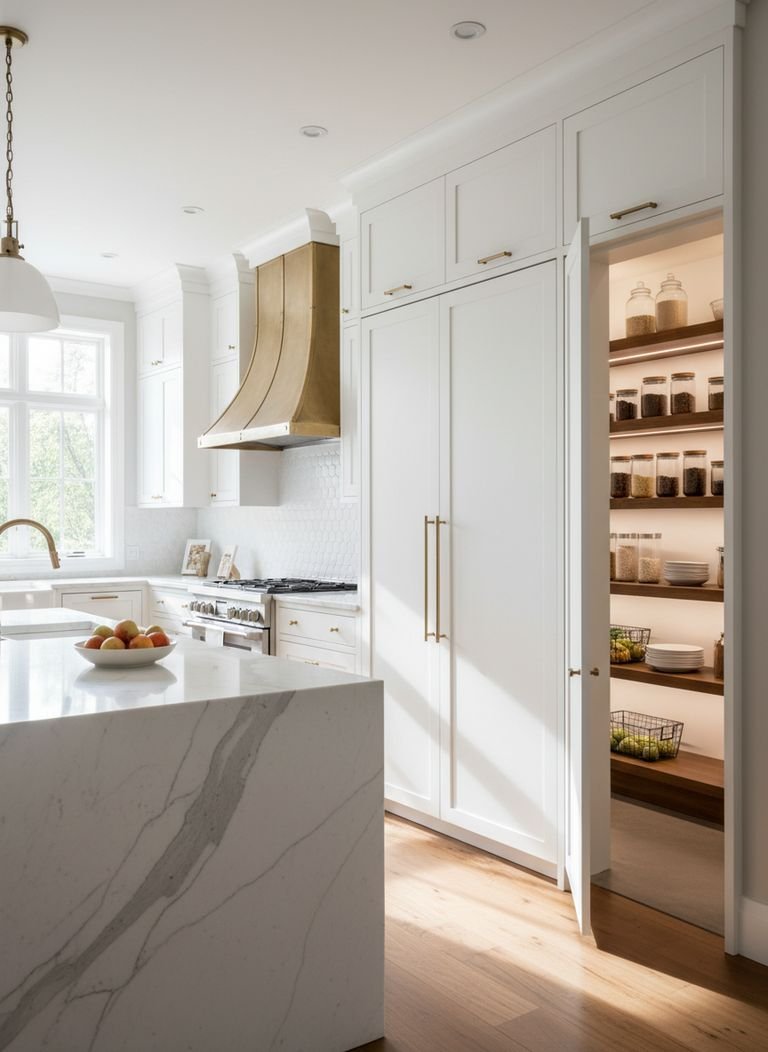
A hidden pantry door is an architectural feature designed to conceal a pantry or storage space by integrating flawlessly with its surroundings. Instead of a conventional door with visible frames and hardware, it appears as part of a cabinet bank, a paneled wall, or even a bookshelf. The primary appeal is its ability to support a minimalist, clutter-free aesthetic. By eliminating visual breaks, this form of hidden kitchen storage creates a sophisticated, uninterrupted surface that makes a kitchen feel larger and more cohesive. This concept is often a key element in larger, high-end kitchen designs that include a scullery, where the goal is to keep the functional aspects of the kitchen out of sight.
Demystifying the “Secret” Kitchen: Unpacking the Scullery Connection
A kitchen scullery, sometimes called a butler’s pantry or prep kitchen, is a secondary room adjacent to the main kitchen. Its purpose is to house the messier aspects of meal preparation, cleanup, and storage. This can include a second sink, dishwasher, countertop appliances, and extensive shelving. The hidden pantry door is the critical link that maintains the illusion of a pristine main kitchen. By concealing the entrance to the scullery, homeowners can entertain guests in a clean, open space while the functional chaos remains completely out of view. A well-executed kitchen scullery design depends on this invisible transition to preserve the architectural integrity and serene atmosphere of the primary living area, a central theme in many modern kitchen remodel ideas.
Beyond the Hype: Common Pitfalls and Homeowner Regrets of Hidden Pantry Doors
While aesthetically pleasing, the hidden pantry door is fraught with potential issues that can turn a design dream into a functional liability. The very features that make it “hidden”—tight tolerances, complex hardware, and seamless integration—also make it susceptible to failure if not executed perfectly. Many homeowners discover too late that their beautiful secret door is impractical for daily use. One frustrated homeowner on Houzz described them as “‘never stable, and always break,’ and ‘one of the worst trends to ever exist.'” (Source). These regrets often stem from a few common, preventable problems.
The Hidden Costs of Poor Design: Durability & Maintenance Woes
The number one complaint revolves around the hardware and mechanisms. Unlike a standard pre-hung door, a secret pantry cabinet or flush mount jib door relies on specialized hinges and pivots that must support a heavy, often oversized panel. According to home inspection experts, “Bi-fold doors experience wear over time, with their folding mechanisms prone to failure and misalignment that causes doors to stick or fall off track.” (Source). Poorly specified or installed hardware leads to sagging, jamming, and scraping. Furthermore, repairs can be incredibly difficult, especially for pocket doors where the track is sealed inside a wall, making a simple adjustment a costly drywall project.
Breathing Room: Overlooking Ventilation
A pantry is not just a closet; it’s a space for storing food, which requires proper airflow to prevent spoilage and mold growth. A tightly sealed secret pantry cabinet, designed to have minimal gaps, can create a stagnant, humid environment. This is especially problematic if the pantry houses heat-generating appliances like a wine fridge or a secondary freezer. As one report notes, “Pantries without adequate airflow trap humidity, leading to mold and mildew problems.” (Source). Proper kitchen design must incorporate a ventilation strategy, such as integrated vents or an air transfer grille, to ensure the longevity of both the structure and the food stored within.
Form vs. Function: Accessibility & Usage Conflicts
In the quest for a seamless look, functionality can be compromised. A hidden door’s placement is critical to the kitchen’s overall workflow. A common mistake is installing the door too close to an island, a countertop, or another cabinet. This can prevent the door from opening fully, blocking access or creating a frustrating bottleneck. This is a crucial consideration for all hidden kitchen storage solutions. According to inspectors, “Poorly positioned doors too close to counters or walls limit kitchen functionality by blocking access to nearby drawers.” (Source). The “secret” door shouldn’t be a secret to navigate; it must function effortlessly as part of the daily routine, a principle that also applies to designing an accessible spa bathroom where ease of movement is paramount.
The Silent Destroyer: Moisture Damage
Kitchens are high-humidity environments. Steam from cooking, a nearby sink, or a dishwasher can introduce moisture into the air, which can be absorbed by the door material. This is particularly damaging for hidden pantry doors made from wood or MDF, which are chosen for their ability to be painted or finished to match cabinetry. Swelling can cause the door to bind against its frame, ruining the precise fit and finish. “Swollen panels from moisture exposure are especially common in wood or MDF pantry doors, indicating water damage from nearby sources or poor sealing.” (Source). Choosing the right materials and ensuring they are properly sealed on all sides is essential to prevent this slow, silent destruction.
Achieving Seamlessness: Expert Recommendations to Avoid Installation Pitfalls
A successful hidden pantry door is the result of meticulous planning and expert execution. Avoiding the common issues of scraping, jamming, and premature wear comes down to making the right decisions before and during installation. A door that “scrape[s] the floor or frame usually indicate[s] poor installation or structural shifting, resulting in long-term damage,” which is an entirely preventable outcome with professional oversight. Likewise, the difficulty of repairing pocket doors, which “must be perfectly installed to avoid jamming over time,” underscores the need to get it right from the start. Just like a smart home installation service is crucial for complex tech, a master carpenter is non-negotiable for this type of architectural feature.
The Power of Placement: Strategic Design for Optimal Function
The location of your hidden door is the most important decision you will make. Before finalizing your kitchen scullery design, map out the door’s swing path and its relationship to surrounding elements. Ensure there is ample clearance from islands, appliances, and countertops. As home inspectors warn, “Poorly positioned doors that are too close to counters or walls prevent complete opening and block access to nearby drawers, limiting kitchen functionality.” Think about the flow of traffic: will an open door create a hazard or a blockage in a busy walkway? Consider a pocket or sliding mechanism in tight spaces to eliminate the issue of door swing entirely.
Beyond DIY: The Case for Professional Installation
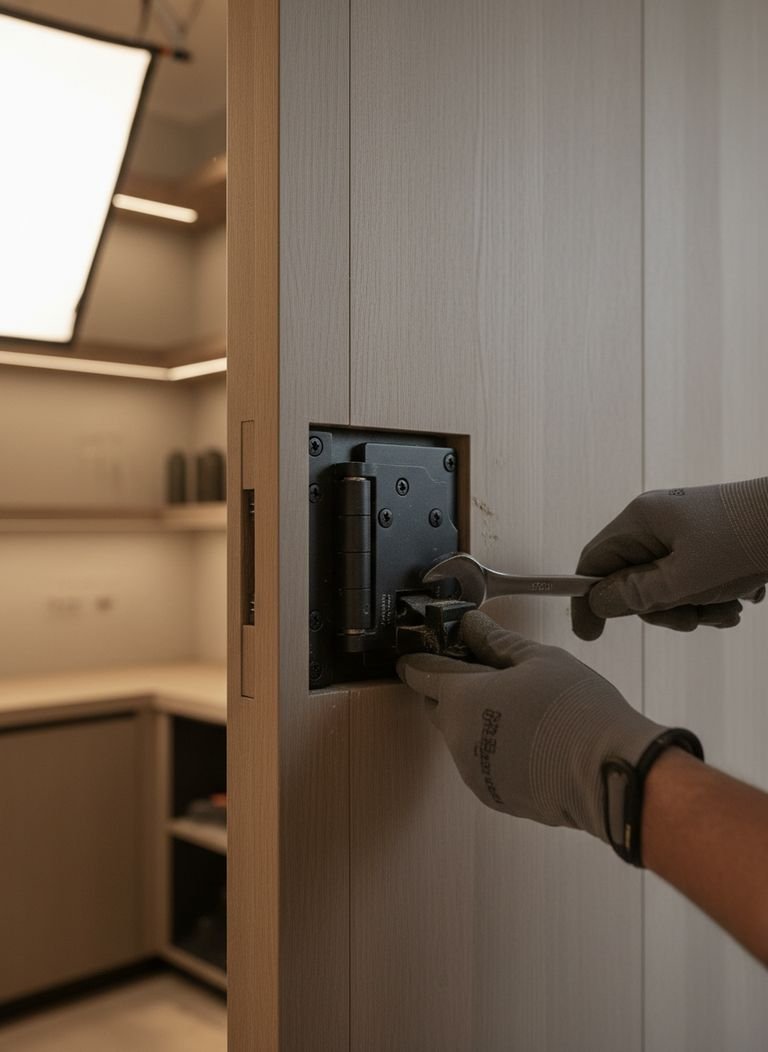
While many home projects are suitable for a skilled DIYer, installing a secret pantry cabinet is not one of them. The tolerances are microscopic, and the framing must be perfectly plumb, level, and square. A professional installer or master carpenter has the specialized tools and experience to handle the complexities of a flush-mount system. DIY installations often lead to issues like “sticky sliding doors…causing accelerated wear on tracks and rollers.” A professional will also ensure the wall is properly reinforced to handle the weight of the door, preventing sagging and structural strain over time. This is an investment in daily functionality and long-term durability.
Material Matters: Choosing for Longevity & Climate
Your choice of material for the hidden pantry door should be driven by your home’s environment and the door’s proximity to moisture. While MDF is excellent for achieving a smooth, painted finish, it is highly susceptible to swelling in humid conditions. Solid wood offers better durability but can warp with temperature and humidity fluctuations. The key is to “match materials to climate conditions—in humid areas, composite or sealed metal doors last longer than raw wood.” For the ultimate in stability, consider using a high-quality, furniture-grade plywood core with a veneer finish that matches your cabinetry, such as those seen in dark wood furniture trends. Always ensure the door is sealed on all six sides—front, back, and all four edges—before installation.
The Forgotten Step: Regular Maintenance for Lasting Beauty
Even the best-installed hidden kitchen storage requires periodic upkeep. A hidden door is a moving part, and its hardware is subject to wear. A simple maintenance routine can prevent minor issues from becoming major problems. Experts recommend you “perform regular maintenance by cleaning tracks and hinges quarterly and tightening loose screws to prevent deterioration.” For sliding or pocket doors, keep the tracks free of dust and debris. For hinged doors, check that all screws are tight and lubricate the pivot points with a silicone-based spray if needed. This small time commitment will ensure your door operates smoothly and silently for years.
Making the Right “Invisible” Choice for Your Home
A hidden pantry door can be a spectacular feature that elevates your kitchen’s design, but its success hinges on a commitment to quality from concept to completion. By understanding the potential pitfalls—from mechanical failures to moisture damage—you can proactively design a solution that is as functional as it is beautiful. The key is to look beyond the aesthetic and invest in the unseen elements: superior hardware, expert installation, and climate-appropriate materials. A thoughtful kitchen scullery design combined with a flawlessly executed hidden pantry door will deliver that coveted minimalist look without compromising the practical demands of a hardworking home.
Frequently Asked Questions
What is the best hardware for a hidden pantry door?
The best hardware depends on the door’s weight and style. For heavy, flush-mount “jib” doors, high-quality concealed hinges from brands like SOSS or Tectus are the industry standard. These are invisible when the door is closed and offer multiple adjustment points. For doors disguised as cabinets, standard high-quality European cabinet hinges can work. For a hands-free look, a combination of a push-to-open latch and a concealed self-closing mechanism is an excellent choice.
How much does a hidden pantry door cost?
Costs vary dramatically based on complexity, materials, and labor. A simple DIY cabinet-style door might cost a few hundred dollars. However, a professionally installed, fully integrated flush-mount jib door can cost several thousand dollars. The price includes the door slab, specialized heavy-duty hardware (which can be $500+ alone), and the highly skilled labor required for a perfect, seamless installation.
Can any doorway be turned into a hidden door?
Technically, yes, but it is much easier to plan for one in a new build or major remodel. Retrofitting a hidden door into an existing cased opening requires removing the old frame, trim, and often reframing the wall to be perfectly plumb and square. For flush-mount doors, the surrounding wall and baseboards must be perfectly flat and aligned, which can add significant labor costs.
How do you open a hidden pantry door without a handle?
There are several methods. The most popular is a touch-latch or push-to-open system, where you simply press on the door panel to release a magnetic or mechanical latch. Another method is to integrate a finger pull into the edge of the door or a nearby groove in the paneling, making it invisible from the front. Finally, some hidden doors, like those disguised as bookshelves, may have a “secret” element, like a specific book that acts as a lever.
Do hidden pantry doors need special ventilation?
Yes, especially if the pantry is small, tightly sealed, or contains heat-producing appliances like a wine fridge. Without airflow, humidity can build up, leading to mold and food spoilage. Ventilation can be achieved by installing a transfer grille at the top or bottom of the door, connecting the pantry to the home’s HVAC system, or installing a small, quiet exhaust fan.