

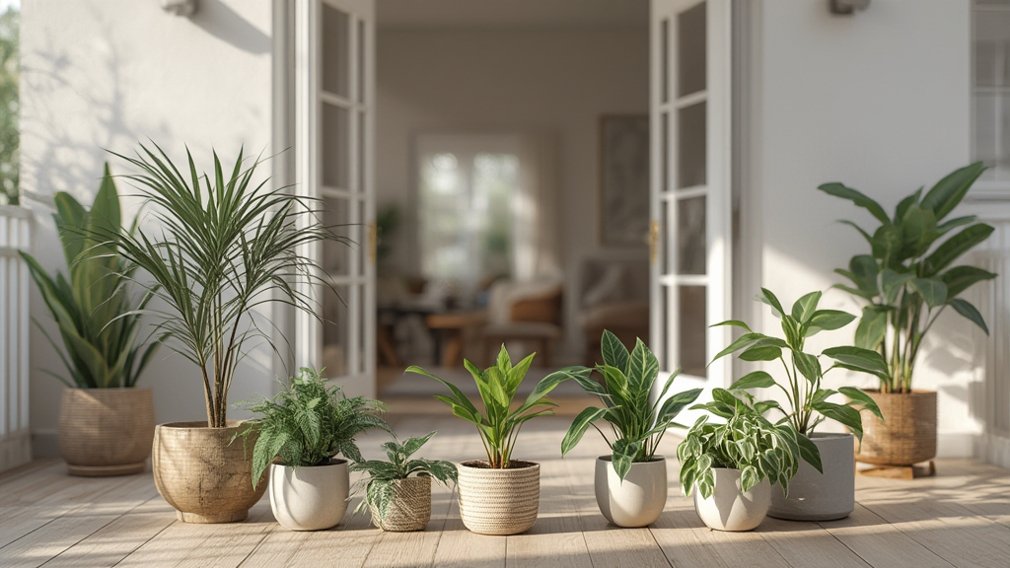
In-and-Out Plants offer a flexible way to help your indoor houseplants thrive by letting them vacation outdoors during warm months, then return inside for winter. But successful transitions take more than just moving pots—timing, acclimation, and ongoing care are crucial for real results.
Key Takeaways
- Proper timing and gradual acclimation are critical to prevent shock and damage when moving plants in or out.
- Most popular tropical houseplants can become in-and-out plants, but light, temperature, and pest concerns must be managed closely.
- Practical aftercare and ongoing pest/disease checks are missing from most guides—don’t skip these steps for plant health.
- What Are In-and-Out Plants?
- How to Transition: Step-by-Step Guide
- Advanced Analysis & Common Pitfalls
- Conclusion
- FAQ
What Are In-and-Out Plants?
In-and-out plants are houseplants that spend time both indoors and outdoors, typically going outside for the summer to boost growth and then coming back in before fall’s chill. This practice lets you give your plants more sunlight, stronger stems, and fresh air—if you get the timing and care right. Most tropical houseplants can handle this switch, but they need to be gradually acclimated to outdoor conditions to avoid wilting, leaf burn, or death. Unsuitable candidates usually include Ficus, ferns, orchids in dry regions, and low-light plants like Calathea or Aglaonema, which only tolerate deep shade outdoors. There is no definitive list of the top 5 in-and-out plants for 2024, but resilient choices typically include spider plants (Chlorophytum comosum) and Tradescantia varieties.
How to Transition: Step-by-Step Guide
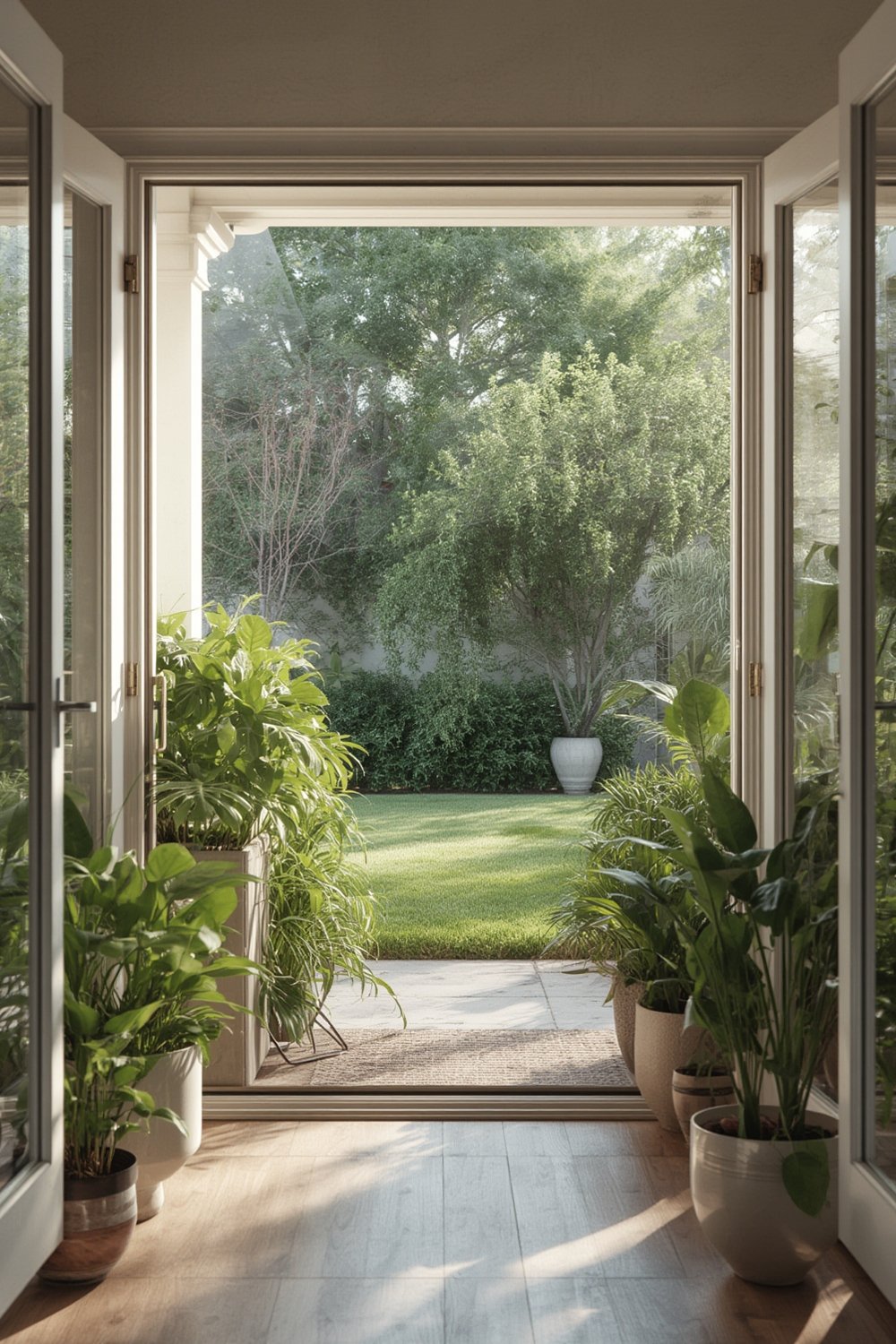
Follow these steps for a smooth transition from indoors to outdoors—and back again—to keep your in-and-out plants healthy all year.
- Check the Nighttime Lows: Only move plants out when nighttime temperatures are above 50-59°F consistently—this is usually mid-April for southern zones, late May to mid-June elsewhere. Bring them in before nights dip below this range in the fall.
- Inspect and Pre-Treat for Pests: Examine leaves, stems, and soil. Use neem oil or a mild insecticidal soap preemptively to limit outbreaks (source).
- Begin Gradual Acclimation: Place plants outside in shaded, sheltered spots for 2 hours, then increase outdoor time by 2 hours each day over 7-14 days. Shift gradually towards their ideal light conditions (but avoid harsh midday sun for most).
- Monitor Watering: Wind and sun dry out pots faster, but rain can cause root rot. Check moisture every other day and provide drainage or shelter when wet weather hits.
- Watch for Pests and Disease Weekly: Outdoor risks ramp up—slugs, spider mites, and aphids are common. Wipe leaves and treat at the first sign. Reapply organic treatments as needed.
- Feed Mid-Season: After the first month outdoors, use a balanced organic fertilizer to support new growth (source).
- Reverse the Process Before Cold Arrives: Start acclimating plants to indoor conditions 1-2 weeks before bringing them inside. Move them to a shaded spot or garage, decrease watering, and check again for pests/disease before entry.
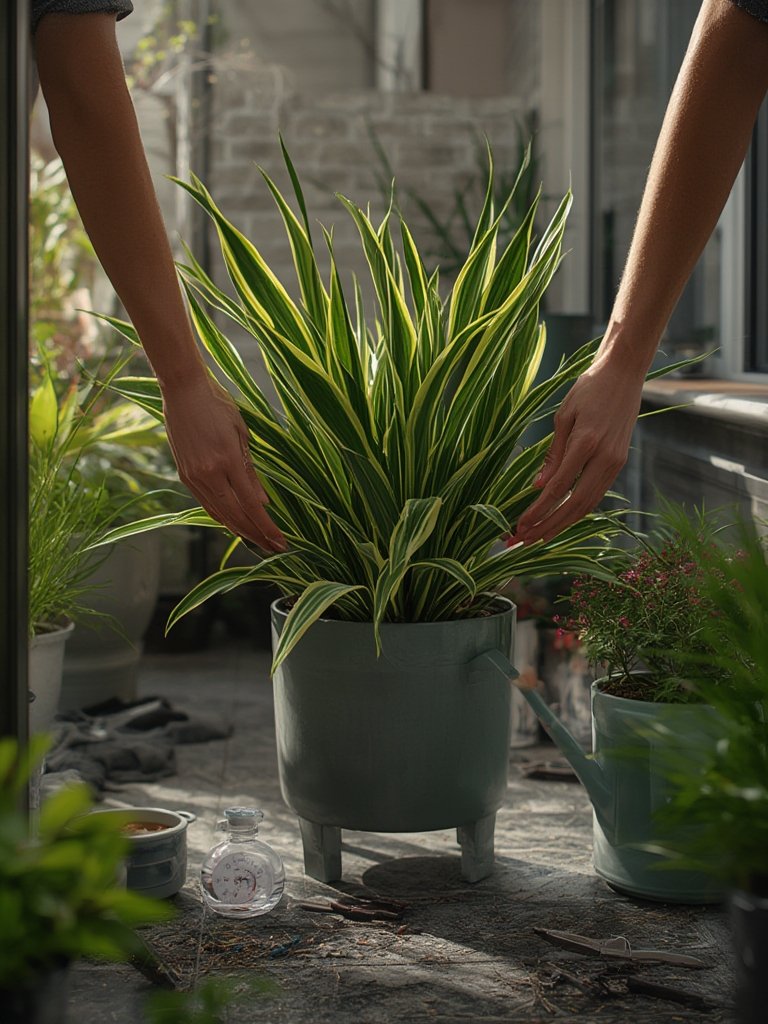
For small space gardeners, consider modular garden kits that make transitioning compact plants easier, especially on balconies.
Advanced Analysis & Common Pitfalls
Moving houseplants between indoor and outdoor environments isn’t risk-free. Here are the most common problems—and the realistic fixes you’ll need.
- Pest Infestations: Outdoors, spider mites, slugs, and aphids thrive. One spider mite can lay 300 eggs per week—monitor leaves closely and treat with neem oil regularly.
- Sunburn & Wilting: Sudden direct sun scorches sensitive plants. You’ll see pale spots, brown edges, or limp foliage. Always acclimate gradually from shade to part sun.
- Wind & Animal Damage: Tall or top-heavy plants can topple in gusts. Secure pots or use windbreaks for support. Watch for animal interference, especially in open backyards.
- Overwatering & Root Rot: Summer downpours quickly saturate soil. Use well-draining containers and consider moving plants to sheltered areas when storms are forecast.
- Temperature Shock: If nights drop below 50°F, leaves may blacken and fall off—transition slower in shoulder seasons or skip risky weeks.
- Acclimation Failure: Skipping gradual light or temperature exposure leads to stunted growth or death. Give at least 1-2 weeks on each end of the transition.
- Missed Aftercare: Most guides don’t cover pest checks or feeding after moving outdoors. Maintain a weekly schedule for both.
| Problem | How It Happens | Prevention |
|---|---|---|
| Sunburn | Sudden exposure from indoors to midday sun | Acclimate in shade for 7-14 days |
| Pests (spider mites, aphids, slugs) | Outdoor eggs and infestation cycles | Pre-treat, check weekly, use neem oil/insecticidal soap |
| Temperature Shock | Nights below 50-59°F or rapid weather changes | Watch the forecast, move plants out/in at steady temps |
| Root Rot | Pots without drainage or heavy rain exposure | Use well-draining soil, shelter plants during rain |
| Wind Knockover | Weak roots/top-heavy plants during storms | Secure with weights or place behind sturdy objects |
Sources like Garden Revelry and Pistils & Pollen emphasize acclimation, but skip specifics on winterizing or long-term tracking. For in-depth backyard transition hacks, check out tips in outdoor living trends.
Conclusion
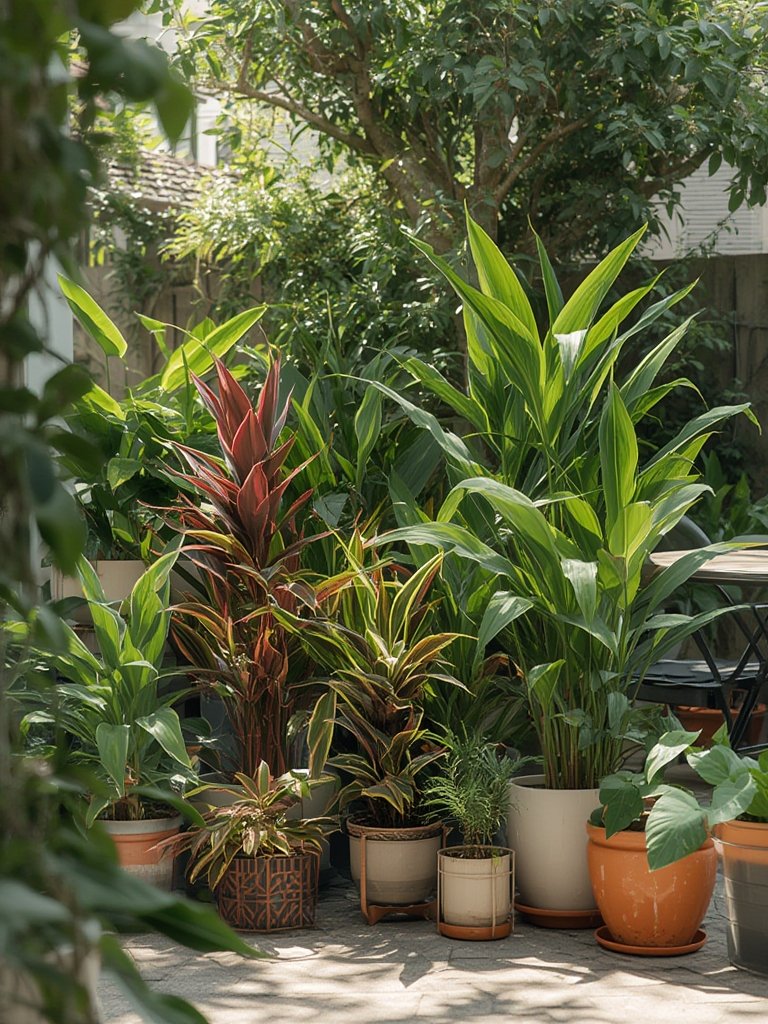
Moving in-and-out plants isn’t just “set and forget.” It requires timing, gradual steps, and regular care to avoid common pitfalls like pests or sunburn. The most rewarding in-and-out plant routines blend close observation with a practical plan—giving you vigorous, happy houseplants season after season. Take what works for your schedule and space, experiment with protection and feeding, and never skip acclimation. With this approach, your In-and-Out Plants will thrive—and reward you with bigger, healthier growth.
Ready to upgrade your indoor jungle? Start your first transition this season and explore even more plant care ideas in our balcony garden guide.
FAQ
What are the most reliable in-and-out plants for beginners?
Spider plants, snake plants (Sansevieria), pothos, some dracaenas, and Tradescantia are usually resilient and adapt well if you follow proper acclimation.
When is the safest time to move houseplants outdoors in the US?
Wait until nighttime lows are consistently above 50-59°F. This is mid-late April in warmer zones, late May to mid-June in cooler regions. Always check your local forecast.
How do I prevent bringing pests indoors with my plants in fall?
Inspect every plant before bringing it inside, wash leaves with lukewarm water, isolate for a week, and treat preventively with neem oil or insecticidal soap.
Do in-and-out plants need different pots or soil for summer?
Use well-draining containers year-round. Lightweight, sturdy planters make outdoor transitions easier. Avoid saucers that hold water outside—root rot risk increases after rainfall.
What should I do if leaves brown or drop after moving plants outside?
Usually this means sunburn or shock. Move the plant back to full shade for a week, water lightly, and avoid fertilizer until new growth appears. Acclimate more slowly next time.