

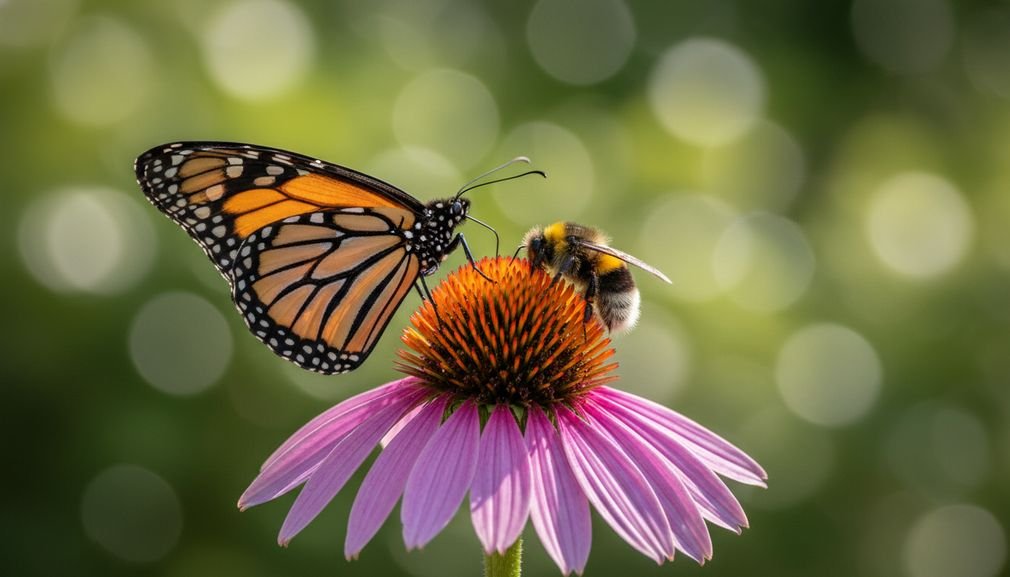
Choosing Keystone Plants is the single most powerful action you can take to transform your garden from a simple collection of flowers into a thriving, self-sustaining ecosystem. If you want to make a real ecological difference, you don’t need more space; you just need the right plants.
Key Takeaways
- Keystone plants are a small number of native plant genera that form the foundation of local food webs, supporting a disproportionately large number of wildlife species.
- Prioritizing keystone plants is the most efficient way to support local pollinators and birds, as they provide essential food for insects, which in turn feed other animals.
- You can easily identify the most impactful keystone plants for your specific area using the National Wildlife Federation’s zip code based Native Plant Finder tool.
- What Are Keystone Plants? Unlocking Your Garden’s True Potential
- The Ecological Powerhouse: Why Moths and Butterflies are Crucial
- Find Your Local Heroes: Identifying Keystone Plants for Your Region
- The Disproportionate Impact: A Small Selection, A Huge Difference
- Realistic Challenges and Common Pitfalls of Keystone Gardening
- Transform Your Garden into a Vibrant Wildlife Haven
- Frequently Asked Questions About Keystone Plants
What Are Keystone Plants? Unlocking Your Garden’s True Potential
Imagine a stone archway. If you remove the central stone, the entire structure collapses. In an ecosystem, keystone plants serve that same critical function. They are the small percentage of native plants that have an outsized impact on the local food web. While all native plants offer some value, these high impact native plants are the true workhorses, providing the essential food and habitat that support the vast majority of local wildlife.
The science is clear and compelling. Research shows that a surprisingly small number of plants are responsible for feeding most of the insects that drive the ecosystem. According to a landmark study, a mere “14% of native plant genera support over 90% of Lepidoptera (butterfly and moth) species.” This means that by focusing your gardening efforts on these specific genera, you can achieve exponential ecological results without needing a massive yard or an encyclopedic knowledge of botany. Choosing keystone plants is about working smarter, not harder, to restore biodiversity right outside your door.
The Ecological Powerhouse: Why Moths and Butterflies are Crucial
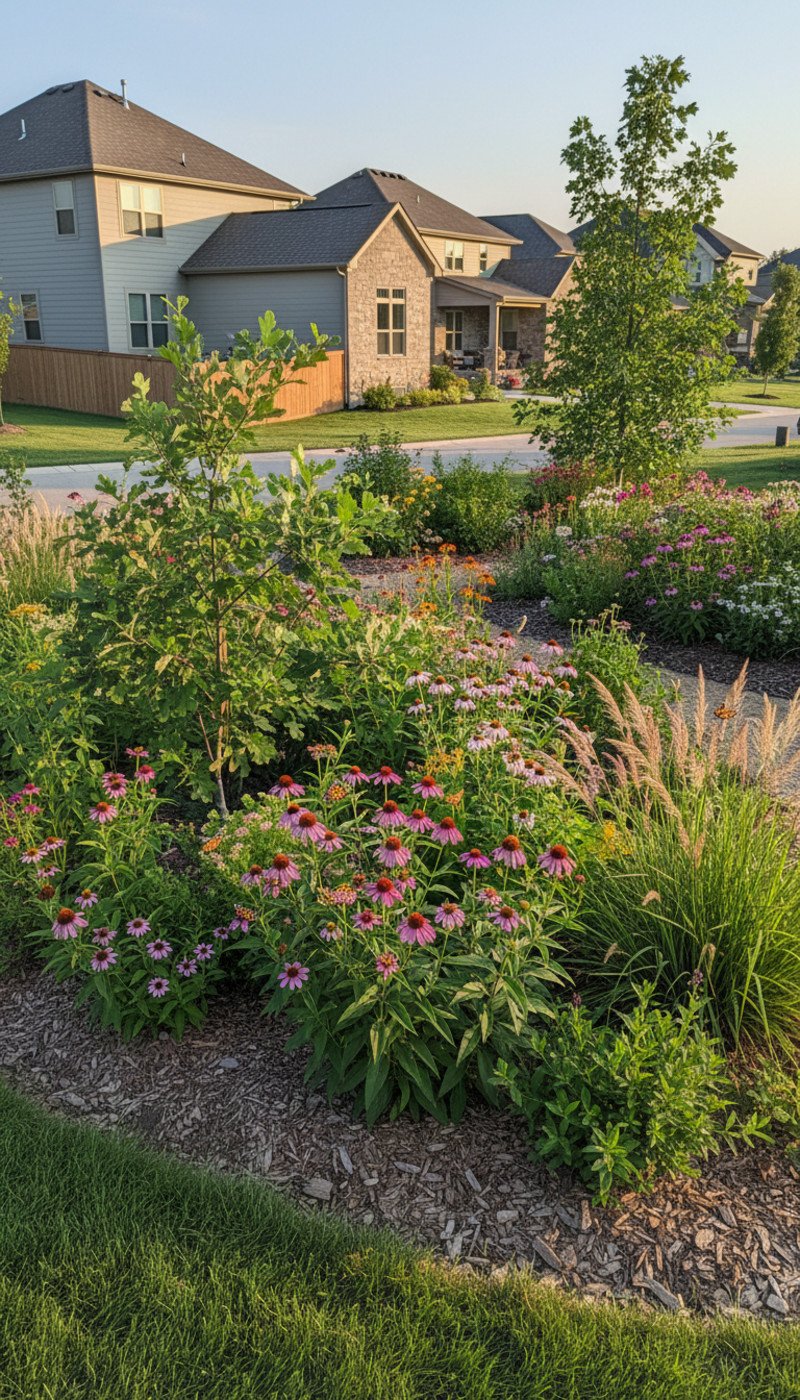
When we talk about supporting wildlife, we often picture bird feeders or bee hotels. But the real foundation of a healthy ecosystem starts with a much smaller, often overlooked creature: the caterpillar. Caterpillars are essentially nutrient-dense, protein-packed packets of converted plant energy, and they are the primary food source for a huge range of animals, especially birds.
This is where keystone plants play their starring role as essential local food web plants. They are the specific hosts for the caterpillars of moths and butterflies. Without these host plants, Lepidoptera cannot reproduce, and their populations plummet. The ripple effect is enormous. Data from the National Wildlife Federation highlights that caterpillars “form the primary food source for 96% of terrestrial birds.” A single clutch of chickadees, for example, may require over 6,000 caterpillars to successfully fledge their young. By planting a native oak, willow, or cherry tree, you aren’t just planting a tree; you are creating a bird feeder that produces its own food. This direct link from plant to insect to bird is the engine of local ecology and the core principle of ecosystem restoration gardening.
Find Your Local Heroes: Identifying Keystone Plants for Your Region
The key to successful keystone gardening is understanding that impact is hyper-local. An oak tree that is a powerhouse in the Northeast may be irrelevant in the Desert Southwest. Your goal is to find the specific plants that have co-evolved with the insects in your exact region. Fortunately, modern tools have made this incredibly simple for any home gardener.
The single most valuable resource is the National Wildlife Federation’s Native Plant Finder. This free, user-friendly tool allows you to input your zip code to generate a ranked list of the most powerful keystone plants for your area. The database sorts “over 4,000 genera of native plants supporting more than 11,000 Lepidoptera species,” giving you a prioritized, actionable list of both woody trees and shrubs as well as herbaceous flowers and grasses. Simply enter your zip code, and the tool will show you which native plants support the highest number of butterfly and moth species, empowering you to build a truly effective native pollinator garden.
Once you have your list, you can begin the exciting work of designing your space. Consider the light and moisture conditions of your yard to choose the right plant for the right place. Many gardeners find that integrating keystone species enhances their existing outdoor living space, bringing more life and color throughout the seasons.
The Disproportionate Impact: A Small Selection, A Huge Difference
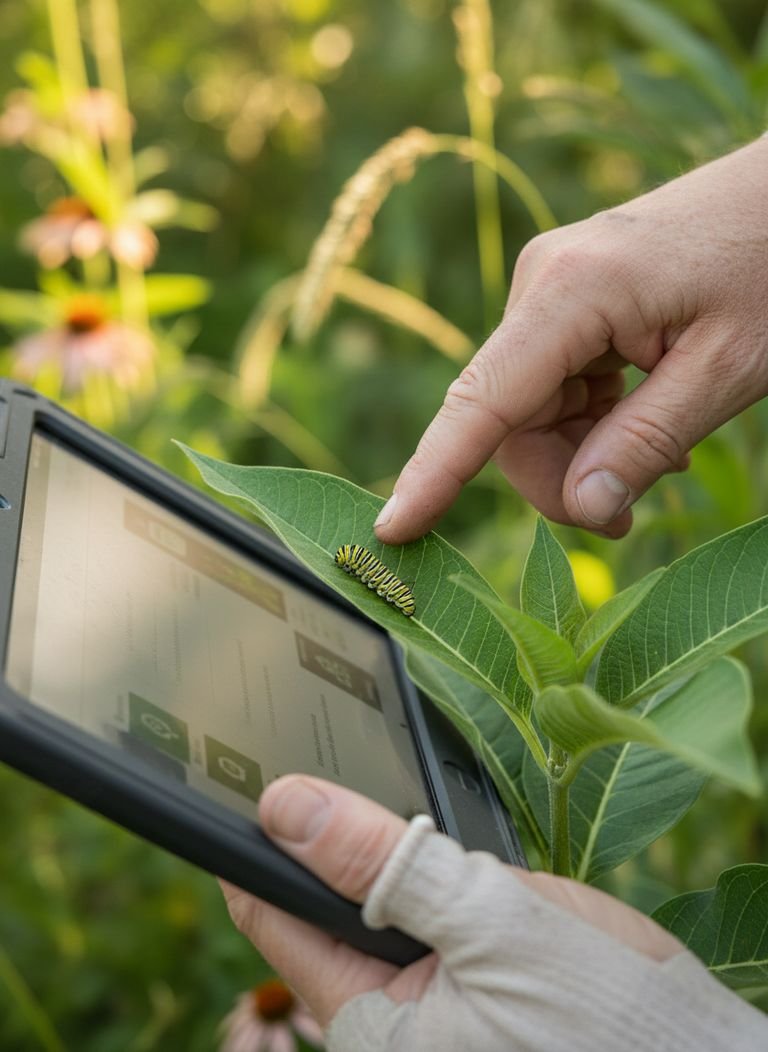
It’s easy to feel overwhelmed by the sheer number of plant choices available at a nursery. The concept of keystone plants cuts through that noise by providing a clear, science-backed priority list. The data reiterates this point again and again: “Just 14% of local plant genera support more than 90% of Lepidoptera diversity,” according to a study published in Nature Communications. This is the 80/20 rule of ecological gardening—a small input yields a massive output.
This principle empowers you to make strategic choices. Instead of planting a non-native Crape Myrtle that supports virtually no local insects, you could choose a native Serviceberry (Amelanchier) that hosts dozens of caterpillar species and provides berries for birds. Instead of an ornamental pear, you could plant a native oak, which is a keystone genus across much of North America, often supporting hundreds of caterpillar species. These simple swaps are the foundation of effective ecosystem restoration gardening. By prioritizing these high impact native plants, you ensure your garden is contributing meaningfully to the food web, creating a resilient and vibrant habitat rather than a sterile landscape.
Realistic Challenges and Common Pitfalls of Keystone Gardening
While the ecological benefits are undeniable, gardeners new to keystone planting can face a few practical hurdles. Being aware of these challenges upfront can help you plan effectively and avoid frustration.
One of the first challenges is sourcing the right plants. While the NWF Finder tells you *what* to plant, finding a local nursery that stocks them can be difficult, especially true local ecotypes (plants grown from seeds collected in your specific area). Many large garden centers have a limited native selection. You may need to seek out specialized native plant nurseries, which can be less common. It is a good idea to call ahead before making a trip.
Another common concern is aesthetics. Some gardeners perceive native gardens as “messy” or “weedy” compared to highly manicured traditional landscapes. The key is a shift in perspective and design. A well-designed native pollinator garden can be beautiful, incorporating layers, textures, and blooms throughout the year. It’s about seeing the life in your garden—the chewed leaves on an oak, the seed heads on a coneflower—as a sign of success, not a flaw. A garden that is part of a living ecosystem will look different from a static, ornamental one.
| Attribute | Keystone Native Plant (e.g., Oak) | Common Non-Native Ornamental (e.g., Ginkgo) |
|---|---|---|
| Lepidoptera Species Supported | Hundreds (Varies by region) | Fewer than 5 |
| Bird Food Production | High (supports thousands of caterpillars) | Very Low to None |
| Specialist Pollinator Support | High (hosts specialist bees) | Low to None |
| Adaptation to Local Conditions | Excellent (drought/moisture tolerant) | Variable (often requires more water/care) |
Finally, data on initial costs and long-term maintenance can be hard to find. The price of native plants varies widely by region and species. While research proves their ecological necessity, there isn’t yet a standard “cost per square foot” guide. However, many native plants, once established, require less water and fertilizer than their non-native counterparts, potentially saving you money and time in the long run. Embracing this approach may require a bit more research and a different kind of garden maintenance, focusing less on perfection and more on function.
Transform Your Garden into a Vibrant Wildlife Haven
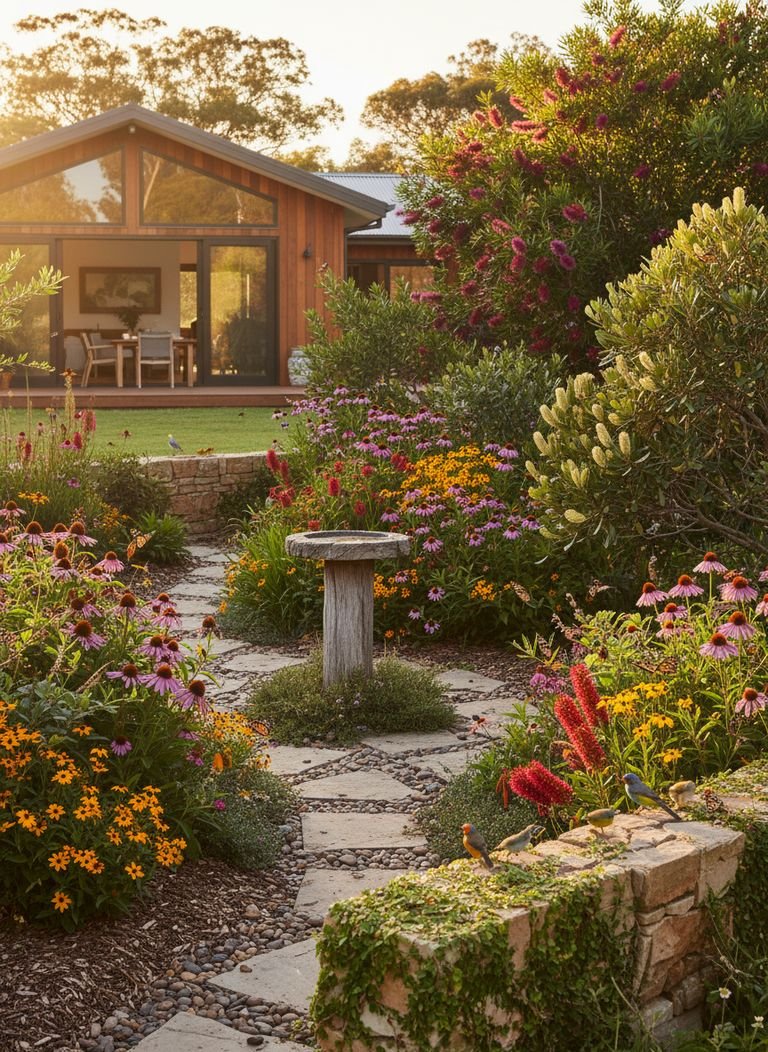
By incorporating keystone plants into your landscape, you are doing more than just gardening; you are actively participating in ecological restoration. Every native oak, willow, goldenrod, or aster you plant becomes a critical building block for a healthier local ecosystem. This approach transforms a simple yard into a dynamic habitat, buzzing with bees, fluttering with butterflies, and chirping with well-fed birds. The science is clear that the “removal of keystone plants diminishes diversity and abundance of essential insect species relied upon by birds.” By planting them, you reverse that trend.
You don’t need a degree in ecology or a sprawling estate to make a profound impact. You just need to be strategic. By focusing on the powerhouse plants that do the most work, you maximize your garden’s ability to support life. This is the power of focusing on Keystone Plants.
Ready to get started? Use the Native Plant Finder today, identify one keystone plant for your yard, and make a plan to add it to your garden this season. You’ll be amazed at the life that follows.
Frequently Asked Questions About Keystone Plants
Do I have to remove all my non native plants to have an impact?
No, you don’t have to remove everything. The goal is to shift the balance. Start by adding a few powerful keystone plants. Over time, as you need to replace or redesign parts of your garden, you can continue to swap out non-native ornamentals for high-functioning native species. Even a small percentage of keystone biomass can make a huge difference.
Are keystone plants harder to grow than common garden plants?
Generally, no. Because these plants are native to your region, they are already adapted to your soil, rainfall, and climate. Once established, they often require less water, fertilizer, and overall maintenance than non-native species. The main challenge is finding them at a local nursery, not growing them.
Will planting keystone plants attract pests to my garden?
Keystone plants will attract native insects, but it’s important to reframe the idea of “pests.” Caterpillars chewing on leaves are not a sign of failure; they are a sign of a successful, functioning ecosystem. These insects are the food that will attract birds, predatory wasps, and other beneficial creatures that keep the system in balance. A diverse native garden rarely has the kind of pest outbreaks that monoculture landscapes experience.
How long does it take to see wildlife activity after planting keystone plants?
You can often see results surprisingly quickly. Native bees and other pollinators may find flowering perennials within the first season. For caterpillars and the birds that depend on them, it may take a year or two for populations to build. The impact grows each year as the plants mature and more wildlife discovers your garden oasis. For a bigger impact faster, consider something like a beautiful garden that also incorporates fire-safe principles if you live in a prone area.