

### Blog Post:
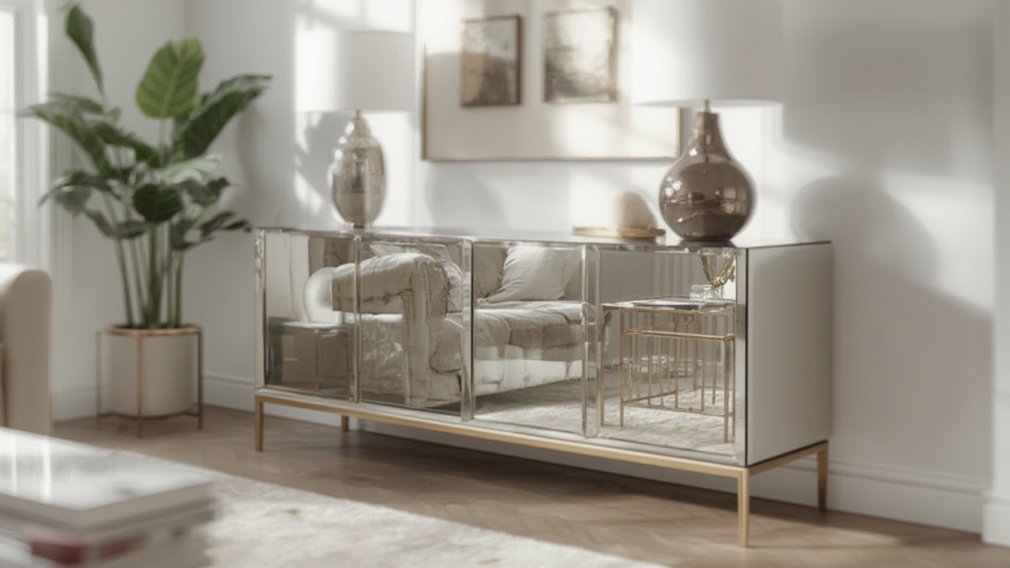
Mirrored living room furniture transforms ordinary spaces into vibrant, light-filled rooms and continues to trend in North America and Europe in 2024. If you want your living space to feel brighter, more elegant, and even larger, this guide covers the real upsides, limitations, and insider know-how.
Key Takeaways
- Mirrored living room furniture boosts light and space but requires careful planning for durability and long-term style.
- Scratch resistance, safe materials, and style relevance are often overlooked buyer concerns—know what to watch for.
- Installation, cleaning, and glare control are real issues; make smart choices for hassle-free use.
- What Is Mirrored Living Room Furniture—and Why Choose It?
- How to Choose and Integrate Mirrored Living Room Furniture: Step-by-Step
- Advanced Analysis & Common Pitfalls
- Conclusion
- FAQ
What Is Mirrored Living Room Furniture—and Why Choose It?
Mirrored living room furniture includes sideboards, cabinets, coffee tables, consoles, and accent pieces clad, topped, or faced with mirror sheets or panels. These designs reflect light to instantly brighten the room, create the illusion of more space, and add a glamorous or modern edge. While trends surge and fade, mirrored pieces steadily remain popular—especially in North America, where smart home trends and a 12% uptick in home décor spending have boosted the mirror sheets market to USD 400 million in the US alone.
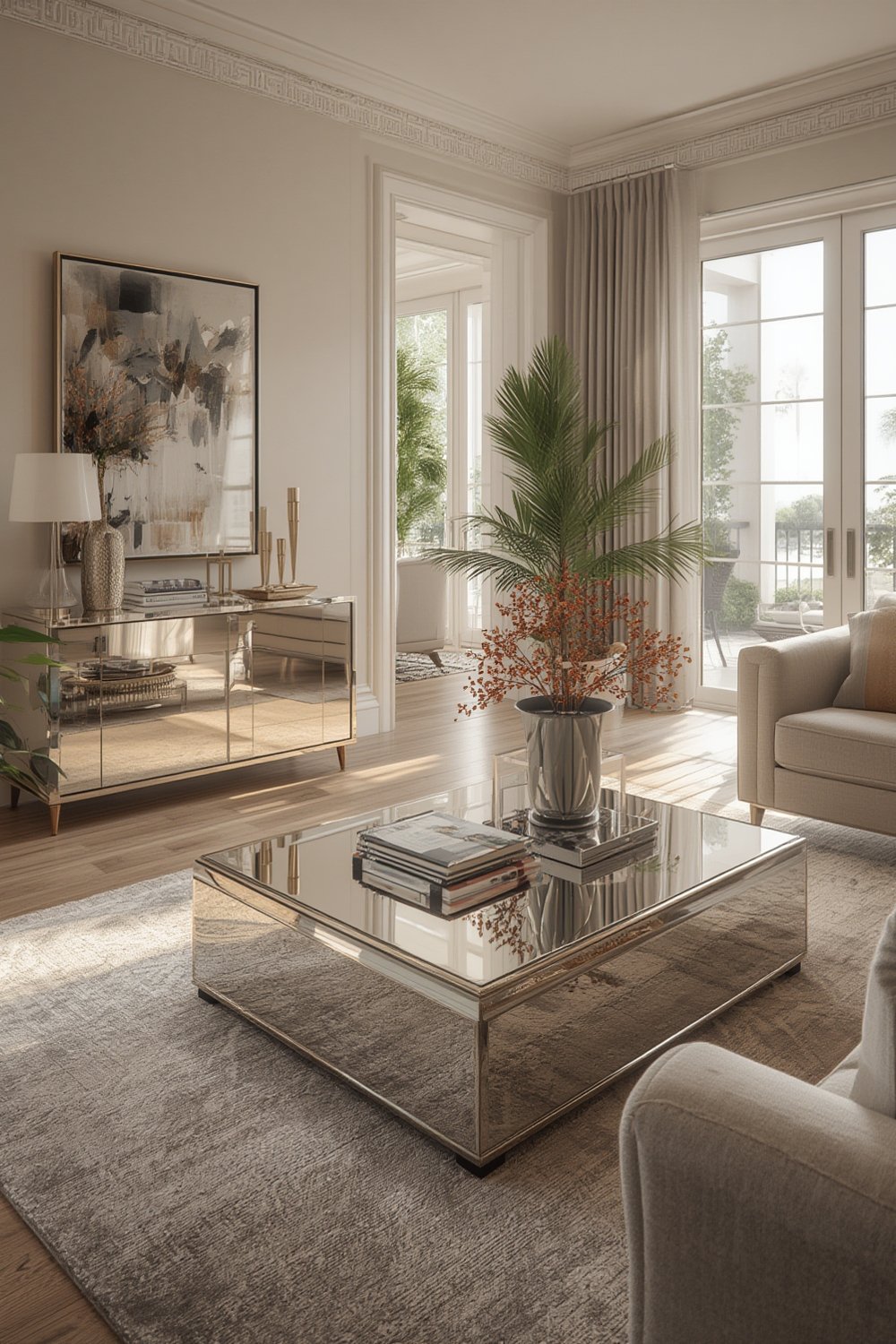
The “why” is simple: mirrored living room furniture makes small or dim rooms feel larger and lighter, providing decorative impact with flexibility. It works in both modern and transitional interiors—particularly where maximizing natural light or adding a statement focal point is the goal. With online retail expanding and sustainability in the spotlight, more brands now offer mirrored pieces using shatter-resistant mirror backing and eco-friendly materials. However, true buyer satisfaction depends on knowing the limitations, such as scratch-prone surfaces and glare, before jumping on the trend.
How to Choose and Integrate Mirrored Living Room Furniture: Step-by-Step
Upgrading your living room with mirrored furniture pays off best when you plan for style, practicality, and safety.
- Start with a Purpose. Identify if you want more light, a focal point, or to break up heavy textures. Mirrored sideboards or consoles work best in small or darker living rooms needing a visual boost.
- Research Materials and Brands. Look for pieces with shatter-resistant mirror backing, sturdy frames (wood or metal), and smooth assembly. Major retailers and specialist sites will often list these details, but double-check before you buy.
- Check the Finish for Scratch and Smudge Resistance. Not all mirrored cabinets or coffee tables are created equal. Seek out anti-scratch coatings or beveled edges—this is rarely marketed upfront, so review product Q&A sections carefully.
- Plan Layout with Light and Glare in Mind. Position mirrored pieces where they reflect—rather than create—soft or indirect daylight. Avoid facing them directly opposite windows or bright lamps to reduce glare and overheating.
- Limit and Layer Accents. Overuse appears gaudy. Pair mirrored sideboards or cabinets with matte textiles, wood accents, or bold colors to avoid over-glamourizing the space. Mix-and-match works better than matching all surfaces.
- Measure and Prep for delivery and assembly. Mirrored furniture is heavier and more fragile. Clear hallways and doorways, and consider white glove delivery. Tip: Some buyers even unbox in the hallway to avoid tight turns.
- Follow Proper Maintenance Routines. Use non-abrasive cleaners, microfiber cloth and gentle glass cleaner, and check manufacturer guidelines for safe care. Regular dusting matters—grit can scratch surfaces quickly.
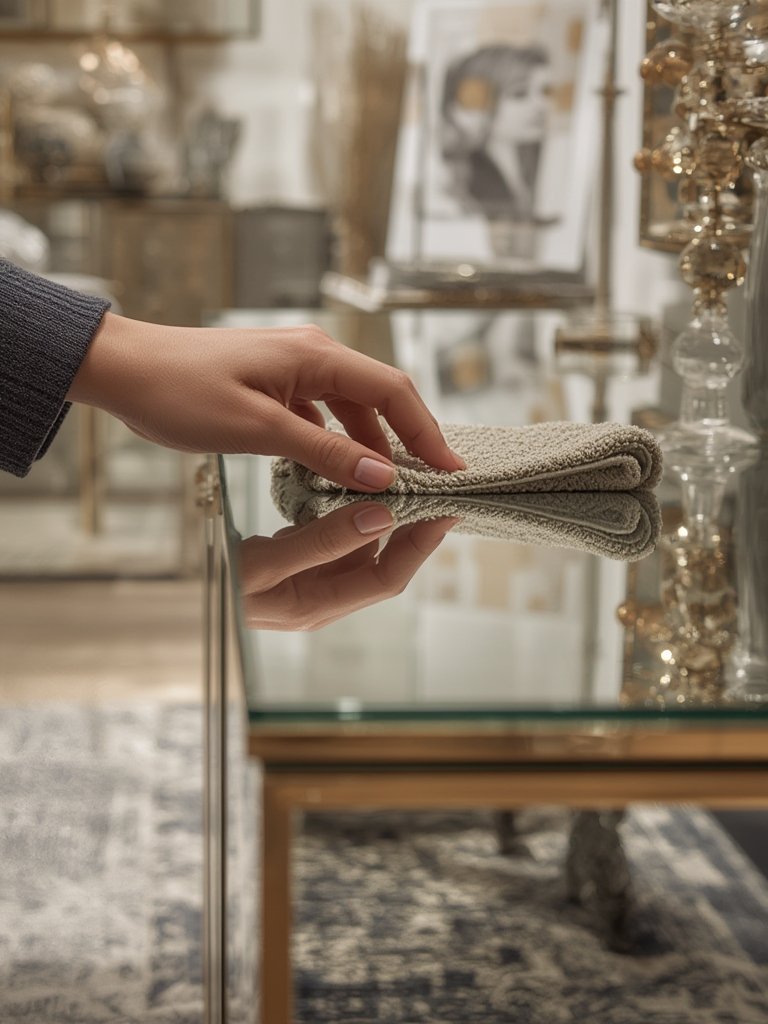
For buyers comparing options, modular mirrored pieces can minimize heavy lifting and assembly trouble. Built-in LED elements in mirrored furniture offer useful ambient lighting—just be sure they are safely sealed to avoid cleaning headaches. For further tips on home improvement planning, check out this guide for planning decor projects across Home Depot and At Home.
Finally, consult product reviews, but don’t overlook user Q&A. Issues such as chipped corners, ill-fitting doors, or delayed delivery rarely show up in glossy product photos. Retailers specializing in living room furniture store comparisons often highlight hidden differences.
Advanced Analysis & Common Pitfalls
Despite the appeal, mirrored living room furniture is not a fit-all solution. Here’s what the research and real buyer experience tell us:
- Scratch and Smudge Sensitivity: Even with durability claims, most mirrored surfaces can scratch, chip, or smudge—especially on sideboards and high-use cabinets. Be wary of placing keys or sharp decor on top.
- Safety Issues: Some mirrored furniture still uses standard glass. Always ask if it’s shatter-resistant or safety-backed. Unexpected breakage can be dangerous for children and pets. Although manufacturers highlight safety, few disclose failure rates in daily use (source).
- Long-Term Style Relevance: Mirrored designs cycle in and out of fashion. Unlike classic wood or metal, they may date quickly if your overall theme shifts from modern or glam to rustic or organic. If in doubt, use mirrored accents, not centerpieces.
- Installation and Delivery Risks: Reports of minor chips or cracked panels during delivery or assembly are not uncommon. Clear route access and, if possible, request room-of-choice setup.
- Maintenance Demands: Cleaning requires non-abrasive methods. Avoid harsh chemicals—they can cloud mirror finish and degrade adhesives.
- Practicality for Storage and Daily Use: Mirrored cabinets and sideboards usually have standard functionality, but handles, edges, and inside corners can be sharp if not properly finished. Examine product close-ups and ask retailers about build quality.
| Feature | Mirrored Furniture | Wood/Metal Furniture |
|---|---|---|
| Durability | Scratch-prone, glass can chip, needs shatterproofing. | Typically robust, less prone to visible scratches. |
| Maintenance | Regular cleaning and careful handling required. | Periodic cleaning, more forgiving of rough use. |
| Style Versatility | Trendy, but risks quick date or over-glam effect. | Classic, adapts to evolving decor styles. |
| Safety | Dependent on glass type; potential hazard if broken. | Generally safer, especially for homes with children or pets. |
| Price Range* | Varies widely, but no specific 2024 data for brands. *Sources: GMI, WiseGuy Reports |
More pricing transparency available for wood/metal brands. |
For allergy-sensitive or pet-friendly homes, choose options that are easy to clean and avoid nook-heavy designs that trap dust. See our Healthy Pet-Ready Living Guide for more on cleaning and safety.
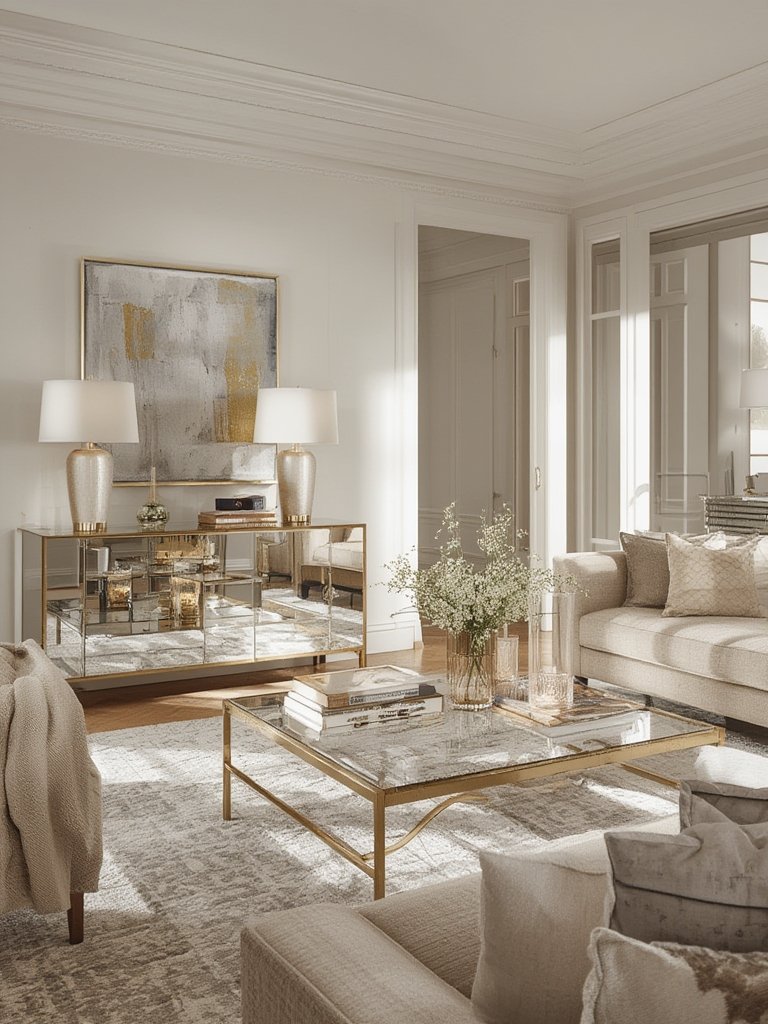
If you’re considering mixed-material or statement pieces, check out our thoughts on trending options like burl wood furniture for luxury, long-term versatility, and practical appeal.
Conclusion
Mirrored living room furniture offers an instant wow factor, expands light and space, and creates modern appeal when used thoughtfully. Scrutinize safety features, scratch resistance, and style fit for your personal needs. Plan ahead for placement, assembly, and maintenance. For more on mixing living room accents, see our living room wallpaper and furniture guide.
Make your selection smart: use mirrored living room furniture for impact, not overload, and pair thoughtfully with solid elements. Ready to give your space a glow-up? Explore high-quality options and plan your update today.
FAQ
Is mirrored living room furniture hard to keep clean?
Not if you dust and clean weekly using a microfiber cloth and gentle glass cleaner. Avoid paper towels and abrasive sponges which cause scratches. For families with pets or children, look for anti-smudge or easy-clean finishes.
Does mirrored furniture scratch more easily than wood or metal?
Yes, standard mirrored surfaces are more prone to scratches from sharp objects and rough cleaning. Choose products with anti-scratch coatings or protect high-use surfaces with coasters and liners.
Are there safety risks with mirrored sideboards and cabinets?
There can be. Always confirm furniture uses shatterproof or safety-backed glass, especially for large panels. Rounded corners and beveled edges add extra protection against breakage and injury.
Will mirrored furniture go out of style soon?
Mirrored accents often cycle in and out of fashion. For lasting appeal, use mirrored pieces for highlights—such as a sideboard or accent table—rather than entire matching sets.
Can mirrored furniture fit with any living room style?
It works best with modern, transitional, and glam aesthetics. Pair with wood, soft textiles, or matte decor for balance. Plan for layout and lighting to prevent harsh glare or an overly formal look.