

### Blog Post:
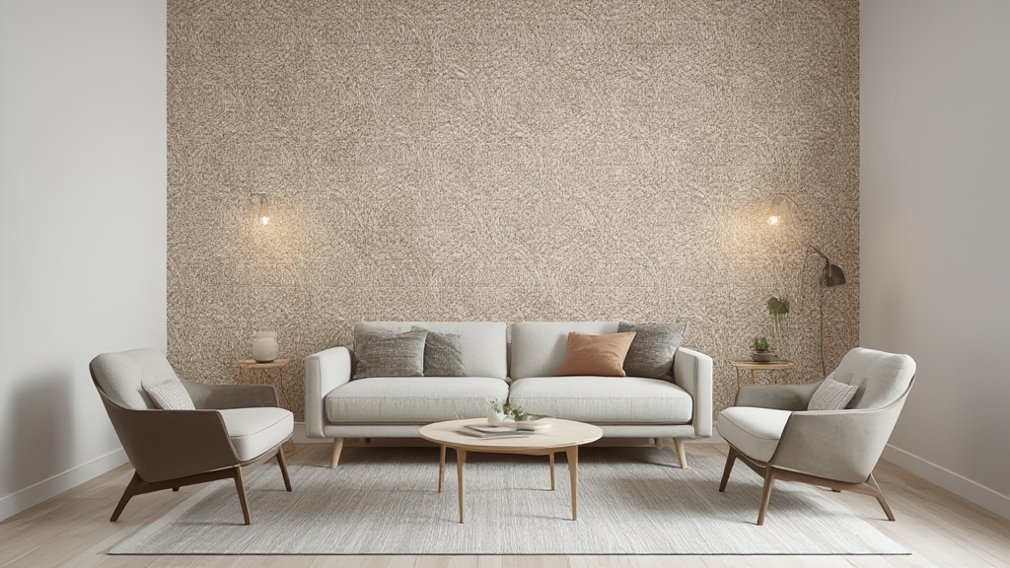
Living room wallpaper has emerged as a leading trend in home design for 2024, combining fast DIY upgrades with limitless options for personal style. Today’s homeowners aren’t just picking patterns—they’re choosing durable materials, easy installation methods, and wallcoverings that complement their unique furniture schemes. If you want your living room to make a statement while remaining practical and harmonious, this guide covers everything from the latest market trends to actionable installation tips—plus pitfalls to avoid for a professional finish.
Key Takeaways
- Peel-and-stick wallpaper and vinyl wallpapers dominate living room trends for 2024, favored for their easy installation and durability.
- Matching wallpaper with furniture can present challenges; plan your room layout before installation for best results.
- DIY-friendly wallpaper types keep costs low, but knowing about material differences and prep steps is crucial for long-term satisfaction.
- Living Room Wallpaper Trends & Textures
- How to Choose & Install Living Room Wallpaper
- Advanced Tips & Common Pitfalls
- Conclusion
- FAQ: Living Room Wallpaper
Living Room Wallpaper Trends & Textures
What’s driving the popularity of living room wallpaper in 2024? Sales and search data are clear: peel-and-stick wallpaper has surged, seeing up to 31% monthly search growth, especially during home renovation periods. People love how quickly these products transform a space without the mess or skill required for traditional options.
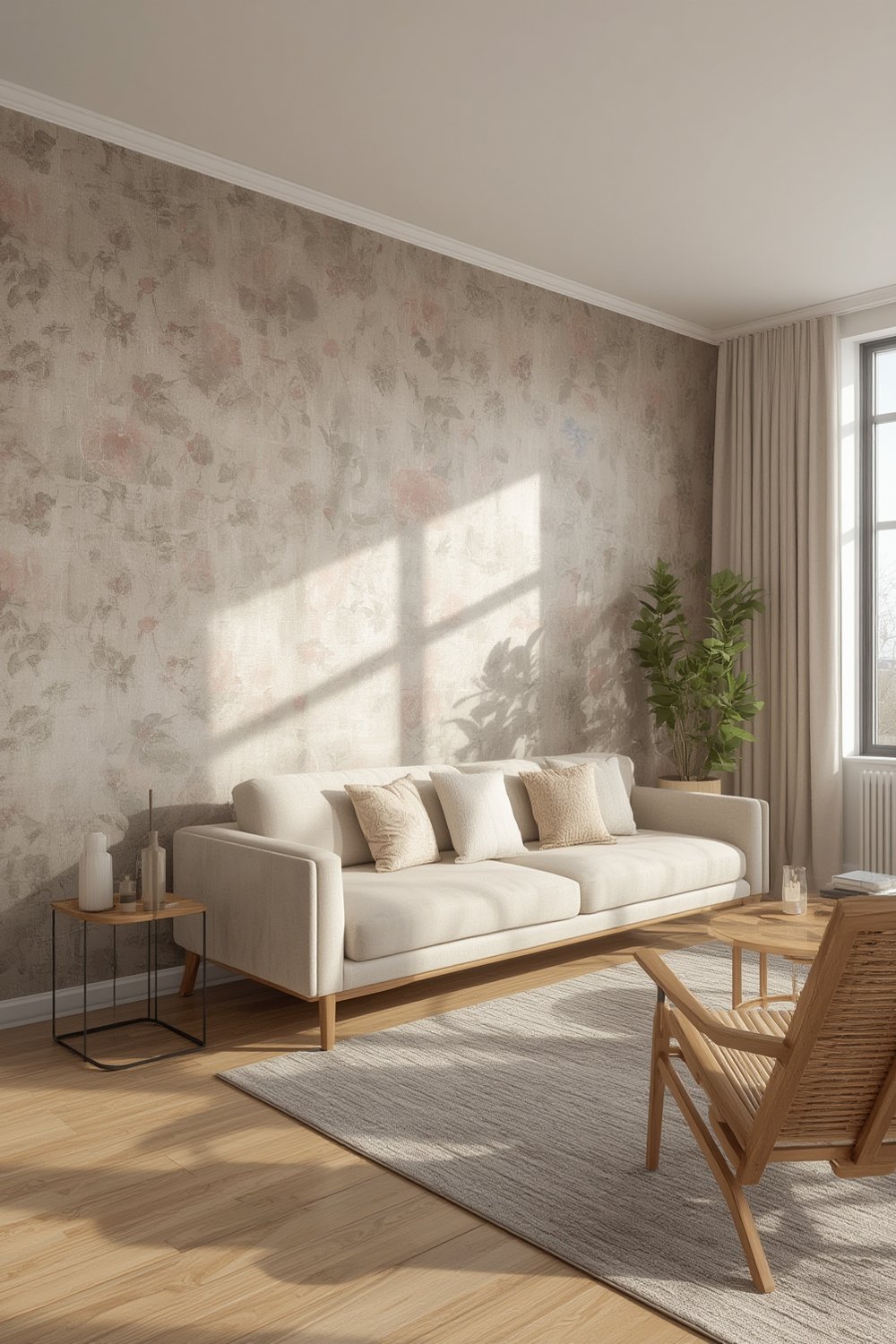
Within peel-and-stick, vintage floral patterns lead the pack for living rooms—just look at their standout Amazon sales (up to 404 units monthly mid-2025). Textured and vintage-styled versions also get high ratings and consistent demand.
Beyond peel-and-stick, vinyl wallpapers hold a whopping 36%+ market share—thanks to being easy to clean, resistant to fire, and nearly kid-proof. Nonwoven wallpapers are also popular for DIY, offering flexibility for both renters and owners. Residential use, especially living rooms, accounts for most of the action as buyers crave unique, personalized feature walls.
If you want to read about how to coordinate furniture shopping and home improvement projects step by step, check out this practical Home Depot and At Home shopping guide.
How to Choose & Install Living Room Wallpaper
Ready to upgrade your walls? Use this precise process to maximize satisfaction and avoid common regrets.
- Identify your primary wall area. Feature walls work well in living spaces, especially behind sofas or TVs. Map out where furnishings will go to avoid wasting statement paper behind tall cabinets or shelves.
- Measure accurately—then measure again. Don’t guestimate. Always add 10-15% for pattern matching and mistakes, especially with textured wallpaper or complex repeats.
- Sample before you commit. Order samples and tape them next to major furniture pieces (sofa, armchair, even art) and live with the options for a few days.
- Prep the wall surface. Clean, patch, and dry walls. Remove existing nails or screws. For dark walls, consider a primer if the new wallpaper is light or semi-transparent.
- Choose the right type. Peel-and-stick is easiest for beginners. Nonwoven is also DIY-friendly. Vinyl and traditional paste wallpapers require extra tools and drying time. For renters or frequent re-decorators, opt for removable options.
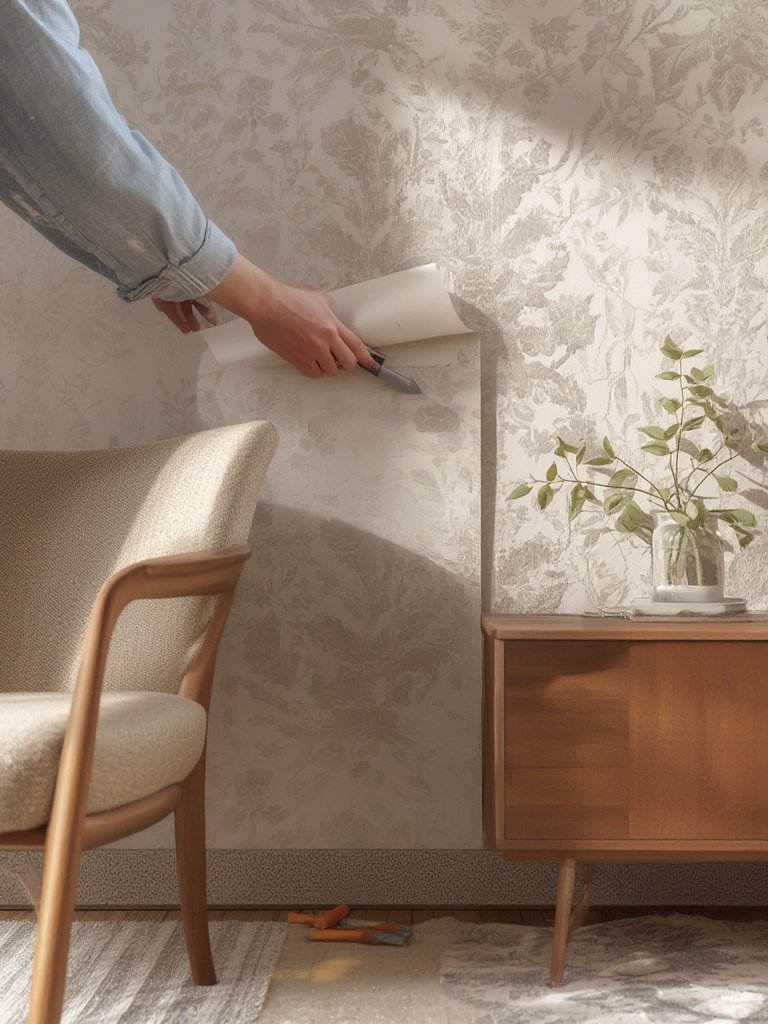
Once prepped, peel-and-stick types go up in about 30–60 minutes per wall, with minimal mess. Paste and vinyl varieties require patience and careful alignment; plan at least a half day for a full living room wall, possibly more if matching textures or large murals.
Integrating wallpaper with small space or modern living room furniture? Choose lighter or subtle textures for compact rooms—busy patterns can clutter the visual effect if too much furniture is present. Check out this affordable sofas guide for smart space-saving furniture options or see tips for mixing organic wood furniture with bold wallcoverings.
For those coordinating multiple upgrades (lighting, window treatments, energy efficient windows), consider reviewing proven planning tips like in this motorized blinds guide or for wall color trending, see color drenching techniques.
Advanced Tips & Common Pitfalls
Even the most beautiful wallpaper can disappoint if these issues are ignored:
- Mix-and-match regret: Many homeowners skip the planning phase and find their feature wall overwhelmed by bulky or mismatched furniture. Always float layouts before installing.
- Poor surface prep: Even removable wallpaper peels or bubbles if applied over dirt, dust, or flaking paint.
- Overlooking lighting: Natural and artificial light affect how patterns and colors read in a space. Test samples during day and night. If you need next-level flexibility with lighting, consider adaptive lighting solutions.
While peel-and-stick and nonwoven wallpapers save time, they may cost slightly more per roll than traditional types—but professional installation (if required for vinyl or murals) drives up the cost substantially. Here’s a quick reference:
| Wallpaper Type | DIY Friendly | Avg. Install Time (1 wall) | Durability | Best Fit For |
|---|---|---|---|---|
| Peel-and-stick | Yes | 30–60 min | Good | Renters, fast makeovers |
| Vinyl | Sometimes | 1–4 hrs | Excellent | Families, high-traffic |
| Nonwoven | Yes | 60–120 min | Very good | DIYers, moisture-prone homes |
| Traditional Paste | Medium/No | 2–6 hrs | Varies | Historic/home restorations |
There’s little real-world data on post-installation regrets, but homeowner forums and designers emphasize preplanning layouts and sample testing as a way to avoid disappointment. A well-planned approach, like covering potential furniture changes and keeping color schemes flexible, is the best insurance.
Conclusion
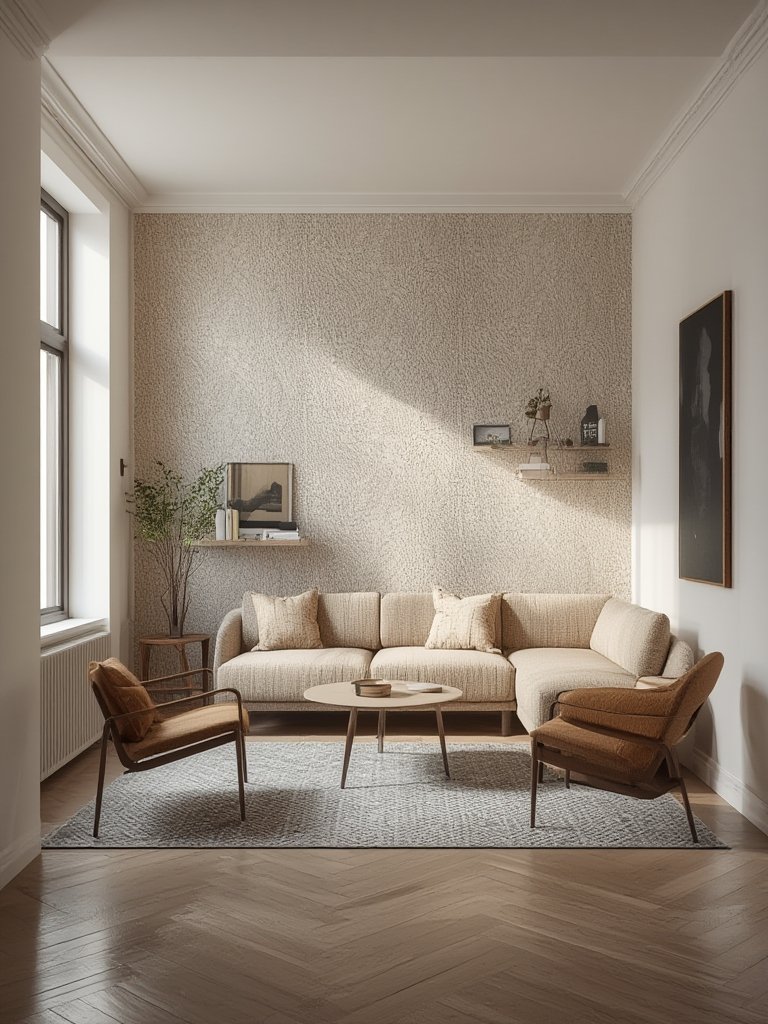
Choosing and installing living room wallpaper is one of the fastest and most effective ways to personalize your home—especially with today’s peel-and-stick, vinyl, and textured options. Plan your layout, sample first, and use the installation time to update furniture placement and lighting. With a measured, realistic approach, your investment in living room wallpaper will deliver lasting style and comfort. Ready to begin? Start planning your wall and furniture combination today for a living room you’ll love next year—and beyond.
FAQ: Living Room Wallpaper
Is peel-and-stick wallpaper really removable without damaging the wall?
Yes, most modern peel-and-stick wallpapers are designed to be removable without leaving residue or causing wall damage—if applied to a primed, clean, and smooth surface. However, if walls were not properly prepped or have old/flaking paint, there’s a small risk of some minor peeling.
Can wallpaper be installed over textured walls?
Lightly textured walls may work for thick vinyl or nonwoven wallpapers, but peel-and-stick varieties usually require smooth surfaces for full adhesion. If your walls are heavily textured, consider sanding or skim-coating them flat before applying wallpaper.
How do I match furniture style with bold wallpaper?
For bold wallpaper, keep large furniture neutral and highlight just one or two accent pieces in a color drawn from the wallpaper. In small living rooms, this prevents visual overload. Floating furniture away from the walls can also reveal more of your feature wallpaper.
How do I clean and maintain my living room wallpaper?
Most vinyl and nonwoven wallpapers can be wiped gently with a damp cloth. Avoid harsh chemicals or abrasive scrubbers. Peel-and-stick papers designed for kitchens and baths are also water-resistant, but always check manufacturer cleaning guidance.
—