

### Blog Post:
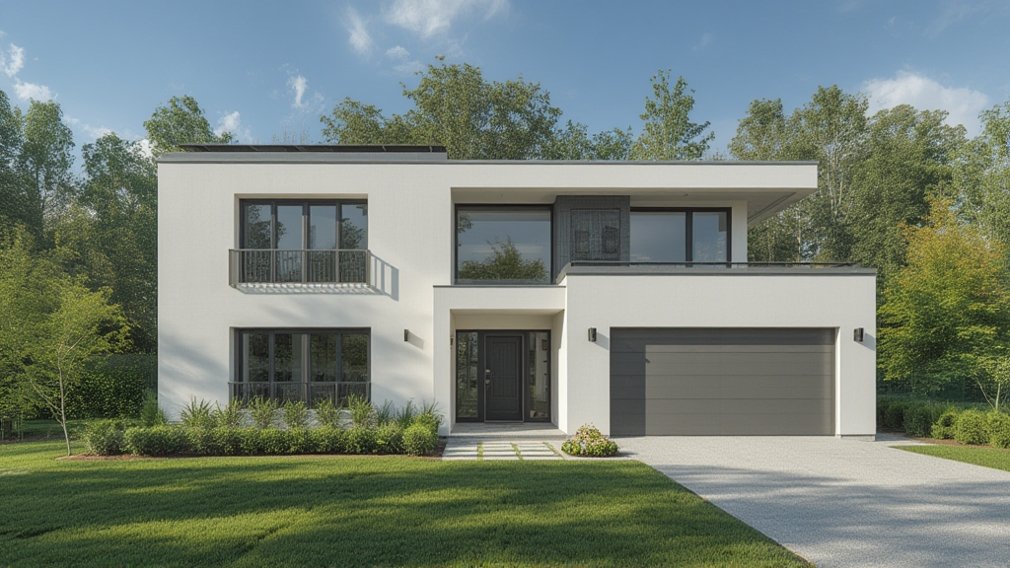
Net zero ready home designs are no longer just future talk—they are now shaping how North Americans build and retrofit houses for efficiency, value, and sustainability. Knowing what this means, and what really works, can help homeowners make smart, realistic choices while avoiding costly mistakes.
Key Takeaways
- Net zero ready homes are rapidly growing in North America, yet they still represent a small fraction of all new builds.
- Major barriers include costs, lack of detailed ROI data, and uneven regional incentives and codes.
- Practical step-by-step planning is critical to avoid pitfalls and maximize future savings on utility bills.
- What Is a Net Zero Ready Home and Why Does It Matter?
- How to Plan and Build a Net Zero Ready Home: Step-by-Step
- Advanced Analysis & Common Pitfalls
- Conclusion
- FAQ
What Is a Net Zero Ready Home and Why Does It Matter?
Net zero ready homes are high-performance houses constructed so efficiently that, with the future addition of renewables like solar panels, they can offset all their own energy use annually. Unlike traditional energy upgrades, these homes are built or retrofitted to minimize energy waste from day one—giving homeowners a big head start on long-term energy savings.
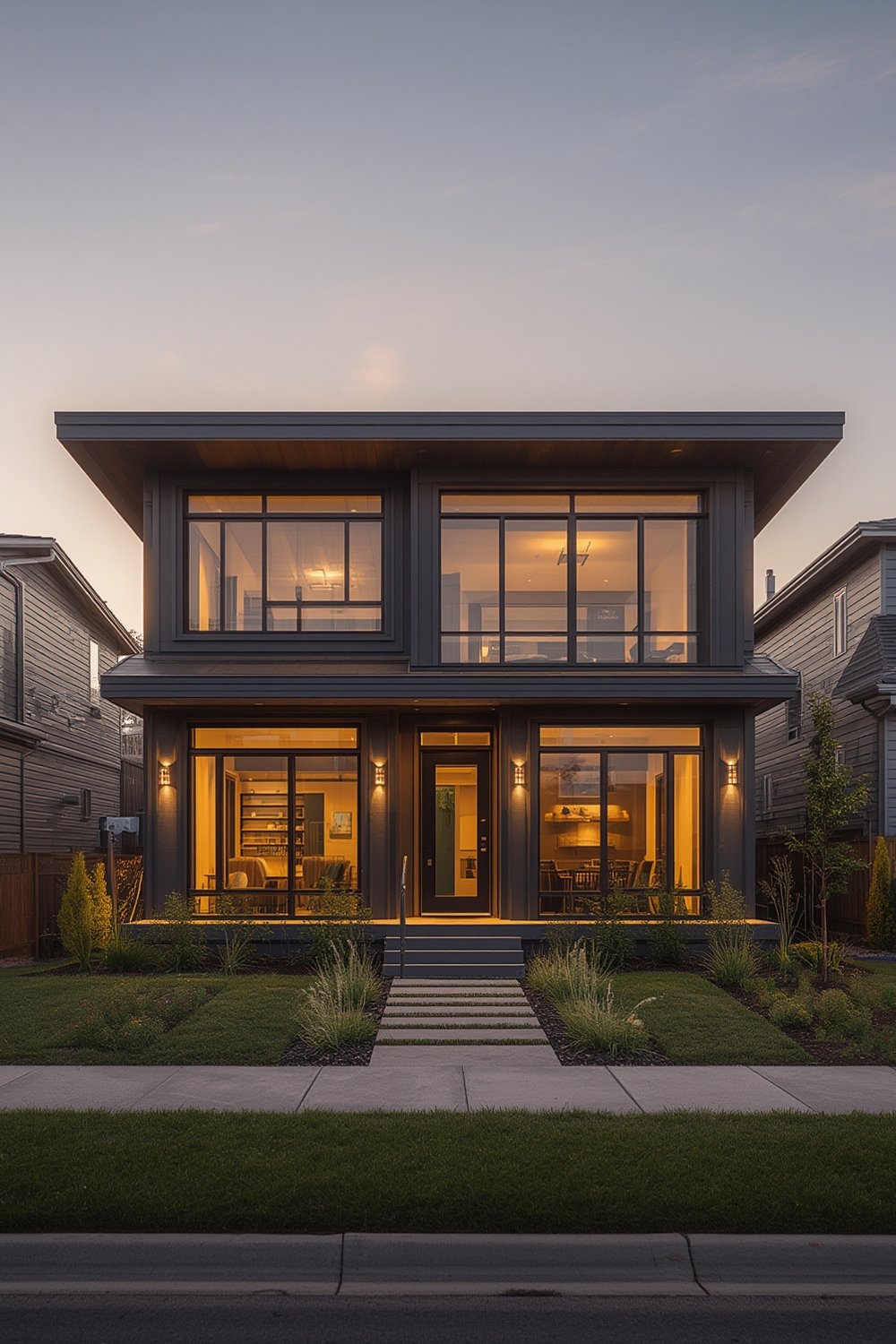
Across North America, net zero ready homes have attracted growing attention as families look to cut costs and increase comfort while future-proofing against rising energy bills and regulation. According to the U.S. Zero Energy Ready Home (ZERH) program, nearly 15,000 single-family homes received certification in 2024—double the number from the prior year. However, this is still a small share of all new builds, and the market in Canada lags even further behind.
So what makes a net zero ready home different from just an “efficient” home? The big difference is that every system, envelope element, and mechanical choice is made with both today’s needs and tomorrow’s renewable integration in mind. This design foresight allows for an easier and more affordable path to full net zero status—something most houses can’t achieve with a simple upgrade. You can learn more about design decisions and savings strategies in our in-depth guide on energy efficient upgrades.
How to Plan and Build a Net Zero Ready Home: Step-by-Step
Building or converting to a net zero ready home requires careful planning, honest cost assessment, and coordination with builders, licensed trades, and your local code office. Here’s a practical roadmap:
- Assess Your Lot and Orientation: Maximize natural sunlight with south-facing windows and shade design. This affects both your heating and cooling needs and the return you’ll get if you add solar later.
- Insulate and Seal: Use high-grade insulation on walls, attic, and foundation. Advanced framing or double-stud wall techniques can help. Seal all penetrations—air leaks defeat an efficient shell.
- Select High-Efficiency Windows: Install ENERGY STAR or triple-pane windows with low-E coatings. You can get detailed comparison tips in our energy efficient windows guide.
- Choose Smart Mechanical Systems: Specify heat pump HVACs, energy recovery ventilators (ERV), and heat pump water heaters. Size systems carefully to avoid waste.
- Prewire for Renewables: Include electrical conduit and space for inverters and battery storage—cutting solar installation costs in the future.
- Plan for Efficient Lighting and Appliances: Opt for LED lighting and select ENERGY STAR-rated appliances.
- Integrate Smart Controls: Use programmable thermostats and smart window shading. These can help automate your savings. For automation tips, see our smart window blinds guide.
- Verify and Test: Commission a blower door test and duct leakage test to confirm targets. ZERH requires third-party certification—don’t skip this step.
- Budget for Upgrades: Plan your budget honestly. Costs can run higher than code-minimum construction. While no comprehensive cost data is available for 2024, extra investments typically go to insulation, windows, HVAC, and air sealing—plus optional renewables.
- Review Local Codes and Incentives: Check with your municipal office and state programs. The U.S. Inflation Reduction Act and state-level rebates can significantly reduce upfront costs. Regions like Maryland, Texas, and Colorado offer more robust incentives, which boost net zero ready home adoption rates. Learn how regional building codes and incentives make a difference at this research report.
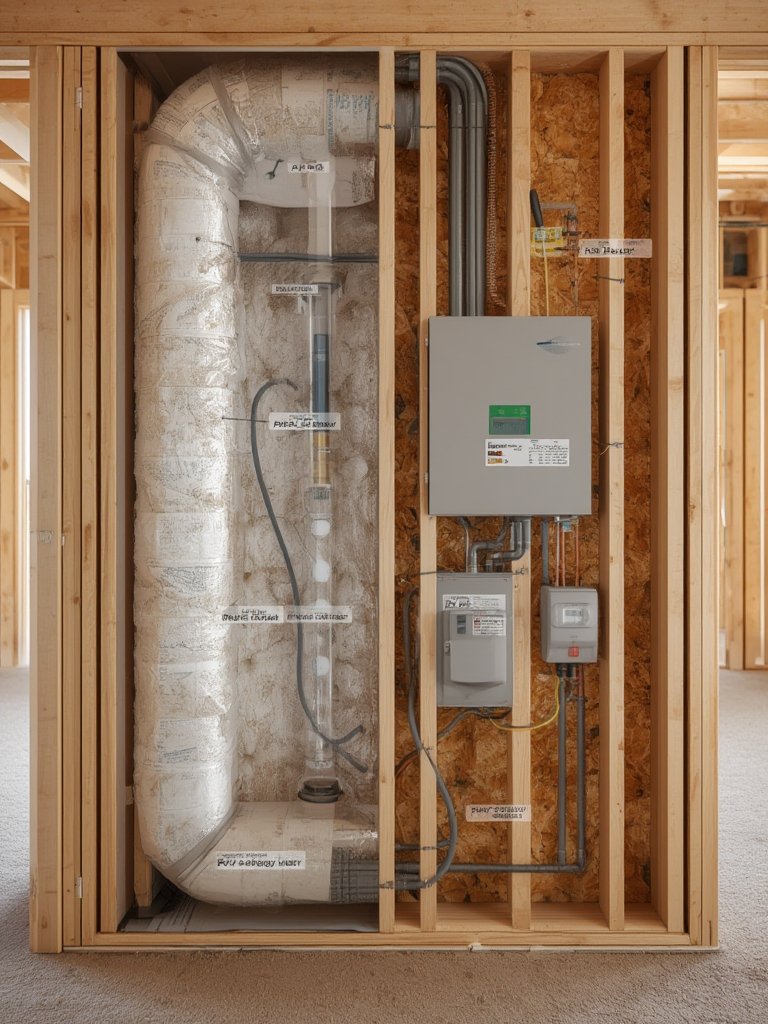
For current homeowners considering a retrofit rather than new construction, break upgrades into logical phases—envelope sealing, then mechanical, then renewables. You’ll avoid blowing your budget and can roll improvements into future projects, like kitchen remodels (get more tips in our kitchen remodel ideas guide).
Finally, always keep resale value in mind. Quality net zero ready improvements can boost home appraisal and appeal. You’ll also see the benefits in lower utility costs, even if the national average ROI for these upgrades in 2024 remains unclear. For additional strategies to boost home value, check out our advice on front door upgrades.
Advanced Analysis & Common Pitfalls
Even with a solid plan, many homeowners encounter surprises with net zero ready projects. Here’s what to expect and how to stay realistic:
- Cost Overruns: Upfront expenses—especially for superior insulation, advanced HVAC, and triple-glazed windows—can shock budgets if not forecasted early. Many financing incentives don’t cover every step.
- Local Code Confusion: Regional codes may lag ZERH or Passive House protocols. Always verify what’s required versus what’s recommended, especially if you want to claim rebates.
Find more on this with the Global Building Codes Report. - Lack of Clear Payback: No accurate, up-to-date ROI data exists for 2024—making it tough to calculate the break-even point for your investment. Homes with HERS ratings are more efficient, but not always truly net zero ready.
- Design vs. Reality: Beware “value engineering” from builders who substitute standard products or cut corners. Insist on third-party inspections, and check out the latest ZERH requirements.
- Maintenance Learning Curve: Owners might face a learning period with filtration, ventilation, and smart systems—not all local contractors will know how to troubleshoot.
| Feature | Conventional Home | Net Zero Ready Home |
|---|---|---|
| Insulation Quality | Standard—often under code | Above-code, continuous insulation |
| Air Sealing & Envelope | Minimal/Spotty | Comprehensive, tested |
| HVAC | Standard forced air/furnace | Heat pumps, ERV, precise sizing |
| Renewables Compatibility | Requires expensive retrofit | Prewired, solar-ready |
| Third-Party Certification | Rare | Required (e.g., ZERH, HERS) |
Another overlooked aspect is comfort: net zero ready homes with balanced ventilation and better air sealing can dramatically improve indoor air quality—helpful for pet owners, allergy sufferers, and families alike. See our pet-ready living guide for more tips on making a healthier home environment.

Conclusion
Net zero ready homes are a critical step toward energy independence, bigger comfort, and market resilience. While adoption is accelerating, real-world progress still faces regional policy gaps and cost bumps. Building a net zero ready home means planning ahead, investing in quality, and using third-party verification—not cutting corners. For the smoothest process and best results, link your project to trusted resources, tap local incentives, and pace upgrades as your budget allows.
Ready to make your next project net zero ready and boost your home’s value and comfort? Explore more actionable advice in our guides to outdoor living spaces and bathroom remodel ideas, or dive deeper into proven money-saving upgrades in our energy efficient upgrades planning guide.
FAQ
What is a net zero ready home?
A net zero ready home is constructed with high-performance insulation, air sealing, efficient HVAC, and layout designed for minimal energy use. It’s built or retrofitted so that, with future renewable additions like solar panels, the house can offset all its annual energy consumption.
Do net zero ready homes cost more to build?
Yes, up-front costs are typically higher than code-minimum homes, mostly due to better insulation, advanced windows, and mechanical systems. However, savings on future energy bills and increased home value often offset part of the premium over time.
Are there rebates or incentives for net zero ready homes?
Many states and provinces offer rebates and tax incentives, such as those funded by the U.S. Inflation Reduction Act. The amount and eligibility will vary by region, so check with local energy offices or review current ZERH reports for details.
Is a net zero ready home the same as a passive house?
No—they share similar strategies, like airtight construction and high insulation, but have different certification processes and performance standards. Passive House focuses on ultra-low energy use, while net zero ready homes target future renewable integration.
How long does it take to see a return on investment?
There’s no reliable 2024 data for payback times, as utility savings, incentives, and local energy rates vary. Generally, the higher up-front investment in net zero ready homes brings long-term value, but detailed ROI calculations remain uncommon.