

### Blog Post:
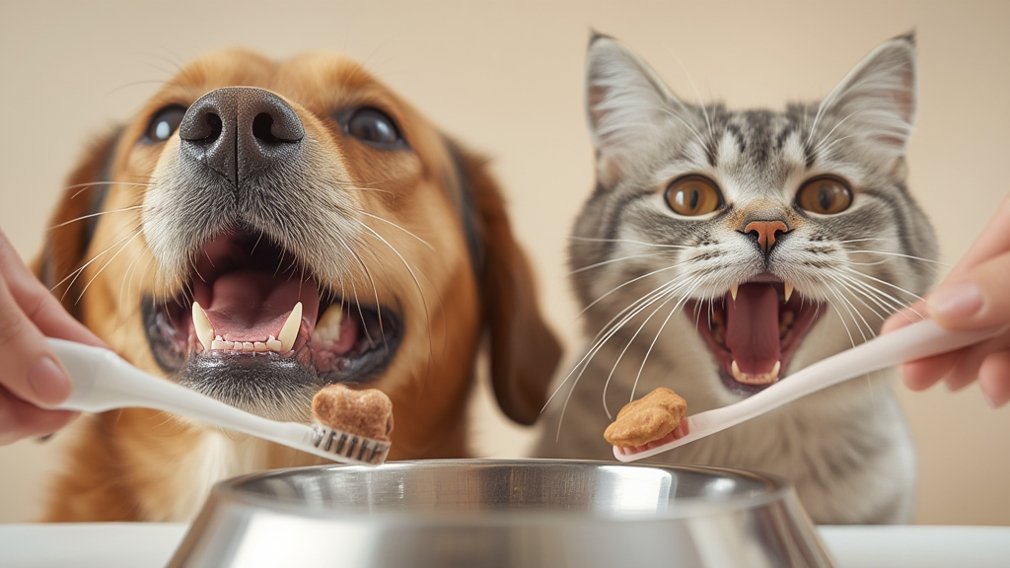
Pet Dental Probiotics are quickly becoming one of the most talked-about ways to support your pet’s oral health without daily brushing or costly vet visits. But do these new formulas actually work, and what do recent studies reveal about their real-world benefits and limitations? This in-depth guide breaks down the latest research, practical application, and warning signs so you can make smart decisions for your dog or cat’s dental care.
Key Takeaways
- Pet Dental Probiotics can reduce plaque and bad breath in dogs, but cannot fully replace mechanical cleaning like brushing or dental debridement.
- Clinical studies highlight short-term benefits and limited risks, but most products lack rigorous certification, and long-term outcomes are not yet proven.
- Choose products with species-specific strains and peer-reviewed evidence; avoid those using human probiotics for pets.
- Understanding Pet Dental Probiotics: What Pet Owners Need to Know
- Step-by-Step Guide: Integrating Pet Dental Probiotics Effectively
- Advanced Analysis & Common Pitfalls
- Conclusion
- Frequently Asked Questions
Understanding Pet Dental Probiotics: What Pet Owners Need to Know
Pet Dental Probiotics are oral supplements—often in the form of powders, chews, or sprays—intended to reshape the oral microbiome and support dental health in dogs and cats. These products contain either live beneficial bacteria (probiotics), their metabolic byproducts (postbiotics), or both. Unlike traditional dental care methods that rely on physical cleaning (brushing or scaling), probiotics and postbiotics work by subtly altering the bacterial balance in the mouth to suppress harmful plaque-forming microbes, reduce inflammation, and support fresh breath.
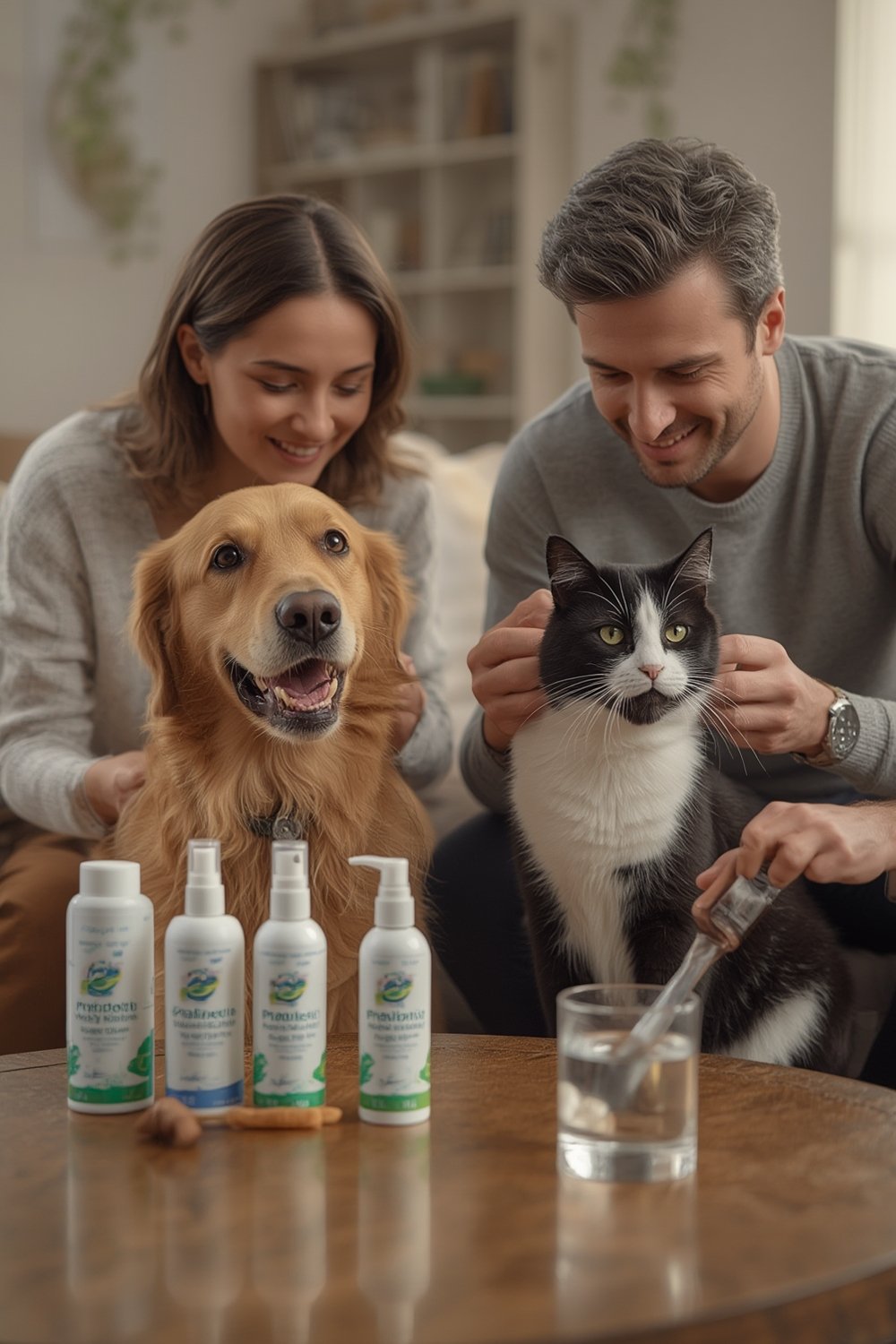
The science is promising but nuanced. Recent clinical trials, such as those by ADM and ProBright®, reveal plaque and odor reductions ranging from 10% to 27% in dogs. However, most peer-reviewed results show these effects are adjunctive and temporary—probiotics do not permanently colonize the mouth, and their benefits fade when supplements are discontinued. Importantly, effective formulas require canine-specific bacterial strains; products relying on human probiotics may disrupt your pet’s oral microbiome rather than help.
With rising interest and higher manufacturing costs, Pet Dental Probiotics are positioned as a supplemental (not substitute) tool for maintaining oral hygiene, offering convenience where daily brushing isn’t realistic. For more tips on creating a pet-ready home beyond health, see our Healthy Pet-Ready Living Guide.
Step-by-Step Guide: Integrating Pet Dental Probiotics Effectively
-
Consult Your Veterinarian
Before starting any new oral supplement, discuss options with your vet, especially if your pet has pre-existing health conditions or severe dental disease. Your vet can flag contraindications and set realistic expectations. -
Choose a Product with Canine- or Feline-Specific Strains
Prioritize products tested in peer-reviewed studies and containing strains like Lactiplantibacillus plantarum, S. salivarius K12, or Enterococcus faecium—not generic human yogurts or ambiguous “proprietary blends.” Review the manufacturer’s published research, such as those from ProBright® Advanced or VetriScience. -
Select the Right Delivery Format
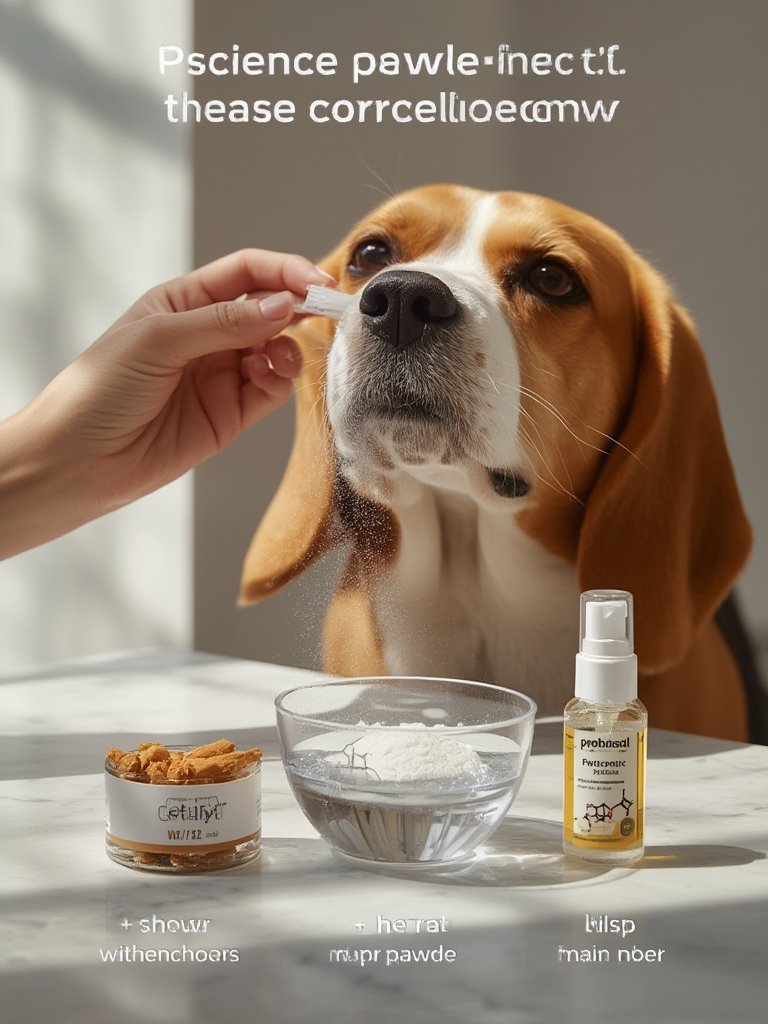
Chews and dental powders (mixed with food) are more effective than sprays or water additives, as they ensure longer contact with oral tissues—critical for probiotic/postbiotic action. Sprays may help with breath but are quickly swallowed. -
Follow the Manufacturer’s Instructions Exactly
Consistency matters: benefits are dose-dependent and often emerge after 2 to 4 weeks. Don’t expect permanent results—effects typically cease within days of stopping supplementation. -
Monitor for Positive and Negative Changes
Look for improved breath, less plaque at gum lines, and behavioral signs (e.g., less mouth discomfort). Stop use if your pet develops mouth ulceration, gastrointestinal upset, or adverse reactions, and report concerns to your vet.
If you’re exploring microbiome health for both oral and gut benefits, consider combining dental probiotics with a Microbiome Pet Testing Kit for a comprehensive view of your dog or cat’s unique needs. And if your pet resists dental products due to sensitive teeth, check out stainless-steel cat litter box for maintaining fresh indoor air as an alternative.
Advanced Analysis & Common Pitfalls
Despite their popularity, pet dental probiotics come with important limitations and frequent misconceptions. Understanding these can help you avoid wasted spending or unsafe products.
Common Pitfalls to Avoid
- Using “Human” Probiotics in Pets: Many competitor products rely on generic or human-derived strains that may not survive in the canine or feline mouth—or could disrupt your pet’s native bacteria. Peer-reviewed studies stress the importance of species-specific formulas.
- Expecting Probiotics to Replace Brushing: Trials consistently show that while some plaque and odor reduction occurs, dental probiotics are not replacements for mechanical cleaning or professional veterinary scaling. Benefits are adjunctive.
- Assuming All Products Are Vetted: No official standards (NASC, AAFCO) or major vet endorsements back these products as of 2024. Look for published studies in journals like Frontiers in Veterinary Science to assess scientific validity before purchasing.
- Underestimating Cost: Postbiotic and probiotic dental products remain more expensive than generic treats, due to complex fermentation and stabilization processes. Multi-month supply can add up, though still generally less than professional cleanings.
- Choosing the Wrong Format for Your Pet: Powders and chews maximize mucosal contact. Water additives may be diluted quickly. For pets prone to swallowing quickly (especially large dogs), opt for formats that linger longer in the mouth.
Comparing Dental Probiotic Product Types
| Product Type | Oral Retention Time | Microbiome Impact | Typical User Fit |
|---|---|---|---|
| Dental Chews/Powders | High (prolonged) | Best (sustained delivery) | Most dogs/cats |
| Sprays | Medium-Low | Moderate (brief contact) | Pets tolerant of handling |
| Water Additives | Low | Minimal (dilutes quickly) | Cats, sensitive pets |
Hidden Costs and Return on Investment
While there’s no specific USD pricing in the latest studies, postbiotic supplements tend to be more expensive than standard dental treats. That said, they usually cost less per year than professional dental scaling, making them accessible as long as you have realistic expectations. Be sure to budget, and weigh potential savings against the need for periodic professional cleanings.
For a broader view of healthy pet home upgrades, see Barkitecture: Creating a Pet-Friendly Outdoor Oasis or our insights on innovative AI Smart Enrichment Toys to reduce pet stress.
Conclusion
Recent trials suggest pet dental probiotics are a worthwhile adjunct to your dental health routine—especially for dogs that resist brushing or have mild plaque issues. Products containing true canine-derived strains and backed by peer-reviewed studies show the best short-term results. But remember: pet dental probiotics will never fully replace mechanical cleaning, and ongoing research is needed to confirm long-term safety and effectiveness. Always consult your vet, scrutinize labels, and aim for evidence-based choices to give your pet the healthiest mouth possible. If you want more in-depth pet health tips, our Microbiome Pet Testing Kit is a useful next step for proactive pet owners.
Ready to take action? Start by choosing a proven, species-specific Pet Dental Probiotics formula and build a smart, realistic dental care routine for your pet today.
Frequently Asked Questions
Are pet dental probiotics safe for long-term use?
Short-term studies in dogs show pet dental probiotics are generally safe, with no adverse effects reported. However, there’s limited research on sustained use beyond 2-3 months. Avoid products with human probiotic strains, which could disrupt your pet’s oral microbiome.
Can dental probiotics fully replace brushing my pet’s teeth?
No. Clinical evidence shows dental probiotics can help reduce plaque and odor, but they do not replace the need for regular brushing or professional dental cleanings. Think of them as an adjunct, not a substitute.
Do these products work for cats?
Most clinical trials focus on dogs; there is little to no 2024 peer-reviewed evidence for cats. If you try a dental probiotic with your cat, monitor closely and choose only feline-friendly, scientifically tested strains.
How quickly should I expect results from a pet dental probiotic?
Studies show that positive results, such as better breath or modest plaque reduction, typically appear after 2-4 weeks of consistent daily use. Benefits fade soon after stopping supplementation.
What certifications should I look for on pet dental probiotics?
As of 2024, there are no recognized NASC, AAFCO, or veterinary group certifications specific to pet dental probiotics. Peer-reviewed studies and manufacturer transparency are your best guide to quality.