


A Predictive Health Smart Collar represents a significant leap forward in pet care, offering the potential to identify health issues by analyzing subtle data trends long before physical symptoms become obvious. This guide provides a transparent, comprehensive look at how this technology works, its real-world benefits for proactive pet parents, and the crucial questions you should ask before investing in one.
Key Takeaways
- Predictive health smart collars use AI and advanced sensors to continuously monitor a dog’s vital signs and behaviors, aiming to detect “micro-shifts” that may signal early stage illness.
- The core advantage is proactive intervention. By alerting owners to anomalies before symptoms appear, these devices can lead to earlier veterinary diagnosis and potentially better health outcomes.
- The technology is still evolving. Discerning buyers must be aware of current market limitations, such as a lack of public data on clinical accuracy rates (sensitivity/specificity) and long term health outcome studies.
- Introduction to Predictive Health Smart Collars: A New Era of Pet Wellness
- The Science Behind Early Detection: How AI Pet Wellness Trackers Work
- Beyond General Activity: Uncovering “Micro-Shifts” in Your Dog’s Health
- The Proactive Pet Parent’s Advantage: Why Consider a Predictive Collar?
- What to Look For: Key Features Differentiating Premium Smart Collars
- The Current Landscape: Addressing Unanswered Questions and Future Potential
- Integrating with Veterinary Care: Enhancing Collaboration for Better Health
- Conclusion: Investing in Your Dog’s Tomorrow, Today
- Frequently Asked Questions
Introduction to Predictive Health Smart Collars: A New Era of Pet Wellness
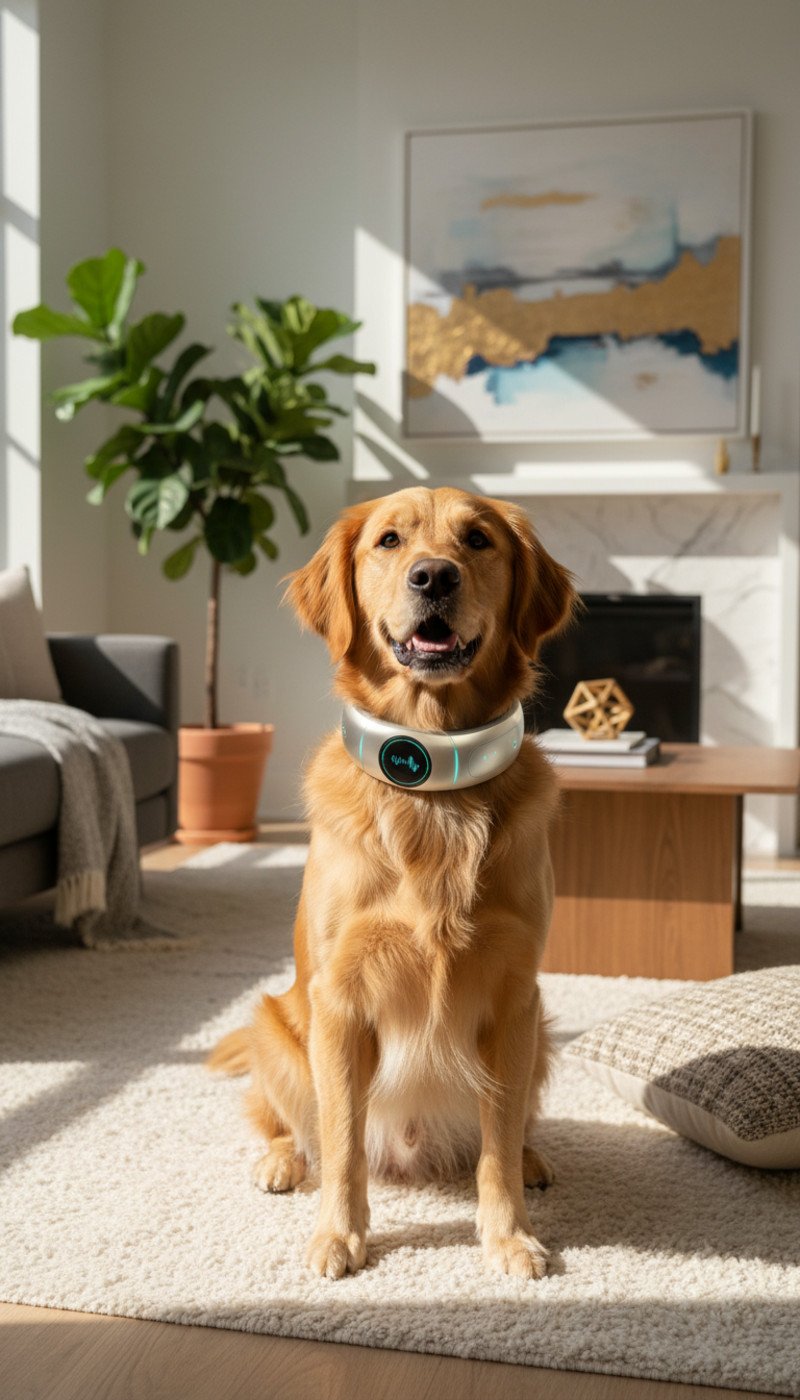
A predictive health smart collar is more than just a GPS tracker or a simple step counter. It is an advanced wearable device designed to function as a 24/7 wellness monitor for your dog. Its core promise is to move beyond reactive care (treating symptoms after they appear) and into the realm of proactive, data driven health management. By continuously collecting and analyzing physiological and behavioral data, these collars aim to detect the earliest signs of a problem, empowering you to seek veterinary help before a condition becomes serious or costly.
This technology is at the forefront of a rapidly growing market. The global pet wearable market was valued at approximately USD 3.09 billion in 2024 and is projected to reach USD 10.29 billion by 2033, according to research from SkyQuest Technology Consulting. Within this space, health monitors are the fastest growing segment, showcasing a clear demand from owners for deeper insights into their pet’s well being.
The Science Behind Early Detection: How AI Pet Wellness Trackers Work
The technology driving an AI pet wellness tracker is a sophisticated blend of hardware and software. On the hardware side, the collars are equipped with a suite of miniaturized, non invasive sensors. These typically include accelerometers to track activity and rest, plus more advanced sensors to measure key vital signs like heart rate, respiratory rate, and even ambient or body temperature.
This raw data is then processed by the software component: a powerful artificial intelligence (AI) engine. The AI establishes a unique, personalized baseline for your individual dog over an initial learning period. It learns your dog’s normal ranges for activity, sleep, and vital signs. Once this baseline is set, the system’s machine learning algorithms continuously compare new data against it. When the AI detects a statistically significant deviation or anomaly, it flags it as a potential issue and triggers an alert. Leading devices, such as those from PetPace, utilize these veterinarian developed algorithms to analyze millions of data points, turning a stream of numbers into actionable health insights. This makes an early illness detection wearable a powerful tool for any pet-ready home.
Beyond General Activity: Uncovering “Micro-Shifts” in Your Dog’s Health
While basic activity trackers tell you if your dog was active or lazy, a predictive health smart collar aims for a much deeper level of analysis. It focuses on identifying “micro-shifts”—subtle changes in physiology and behavior that are often invisible to the human eye but can be the first indicators of pain, stress, or developing illness. This micro-shift health monitoring is the key differentiator.
Examples of these micro-shifts include:
- Vital Sign Anomalies: A sustained, slight increase in resting heart rate or respiratory rate could indicate pain, fever, or stress long before your dog limps or loses its appetite.
- Altered Sleep Patterns: Changes in sleep quality, such as increased restlessness, frequent waking, or a significant shift in total sleep time, can be an early sign of discomfort or anxiety.
- Subtle Behavioral Changes: The AI can generate dog behavioral shift alerts for patterns like an increase in scratching or licking a specific spot (potential allergies or pain), a rise in pacing (anxiety), or a decrease in interaction (lethargy or depression).
By flagging these nearly imperceptible changes, the collar provides an objective, data backed reason to pay closer attention or to schedule a check up with your veterinarian.
The Proactive Pet Parent’s Advantage: Why Consider a Predictive Collar?
For a highly engaged pet owner, the primary benefit of an early illness detection wearable is peace of mind. Dogs are masters at hiding pain and illness, an instinct left over from their wild ancestors. This technology provides a voice for them when they cannot tell us something is wrong. The advantage is catching potential issues in their infancy, when treatment is often simpler, less invasive, and more effective.
This proactive approach can lead to significant long term benefits, including potentially lower lifetime veterinary costs and, most importantly, improved quality of life and longevity for your companion. The strong consumer demand for these tools is reflected in market data, with the animal health monitoring wearables segment alone projected to grow at a CAGR of 11.8% through 2029, according to Market Report Analytics. This trend highlights a fundamental shift toward preventative and data informed pet care.
What to Look For: Key Features Differentiating Premium Smart Collars
Navigating the market for a predictive health smart collar requires a focus on technical specifications over marketing claims. When comparing options, prioritize the following features to ensure you are getting a truly advanced monitoring tool.
1. Advanced Sensor Suite
Look beyond a basic accelerometer. A premium collar must include sensors for key vital signs. The most critical are those that track heart rate, respiratory rate, and temperature. These three data points are fundamental to assessing physiological well being. Check the product specifications for confirmation of these capabilities, as they are the cornerstone of any true health monitor.
2. Sophisticated AI Analytics Engine
The quality of the AI pet wellness tracker is what separates a data collector from a health analysis tool. The system should not just present raw data; it must interpret it. Key features to look for include the creation of a personalized health baseline for your pet, anomaly detection algorithms that flag deviations from that baseline, and the ability to correlate different data streams (e.g., linking a drop in activity with a rise in resting respiration rate).
3. Real-Time, Contextual Alerts
A flood of meaningless notifications is useless. The system should provide smart alerts that are both timely and contextual. For example, an alert for a high heart rate during a game of fetch is expected. An alert for a similarly high heart rate while your dog is asleep is a cause for concern. The best systems can distinguish between these scenarios and only notify you when an anomaly is truly meaningful, helping to avoid “alert fatigue.”

4. Veterinary Integration and Data Sharing
The ultimate goal of this data is to improve care. The ability to easily share a comprehensive health report with your veterinarian is a crucial feature. Look for platforms that generate clear, concise reports that a veterinary professional can easily interpret. Some advanced systems even offer dedicated portals for veterinarians, fostering a more collaborative approach to your dog’s health.
The Current Landscape: Addressing Unanswered Questions and Future Potential
While the promise of the predictive health smart collar is immense, it is essential for discerning pet parents to approach the technology with a realistic perspective. The industry is still in its early stages, and there are significant gaps in the data that is publicly available. Being transparent about these limitations is crucial for making an informed decision.
Many competitor articles and product pages gloss over these critical points. Our analysis of market research reveals several consistently underdeveloped areas:
| What’s Often Advertised | The Critical Missing Information |
|---|---|
| “AI Powered Early Detection” | Clinical Accuracy Metrics: Companies rarely publish the sensitivity (true positive rate) and specificity (true negative rate) of their algorithms for detecting specific conditions. Without this, it’s impossible to know the rate of false positives or missed issues. |
| “Improved Health Outcomes” | Long-Term Outcome Studies: There is a notable lack of peer reviewed, longitudinal studies that track groups of dogs with and without these collars to prove a statistically significant improvement in lifespan or a reduction in specific diseases. |
| “Affordable Peace of Mind” | Comprehensive Cost Breakdown: Many sites are vague about ongoing costs. The total investment includes the upfront device cost plus mandatory monthly or annual subscription fees required to access the AI analytics and alerts. These fees can add up significantly over the life of the device. |
This lack of transparency doesn’t mean the devices don’t work; it simply means the technology is ahead of the validation. As an early adopter, you are investing in the potential of the technology, and it’s important to weigh that against the current absence of comprehensive clinical proof. It’s a key difference to understand when comparing a general biometric smart collar with one making predictive claims.
Integrating with Veterinary Care: Enhancing Collaboration for Better Health
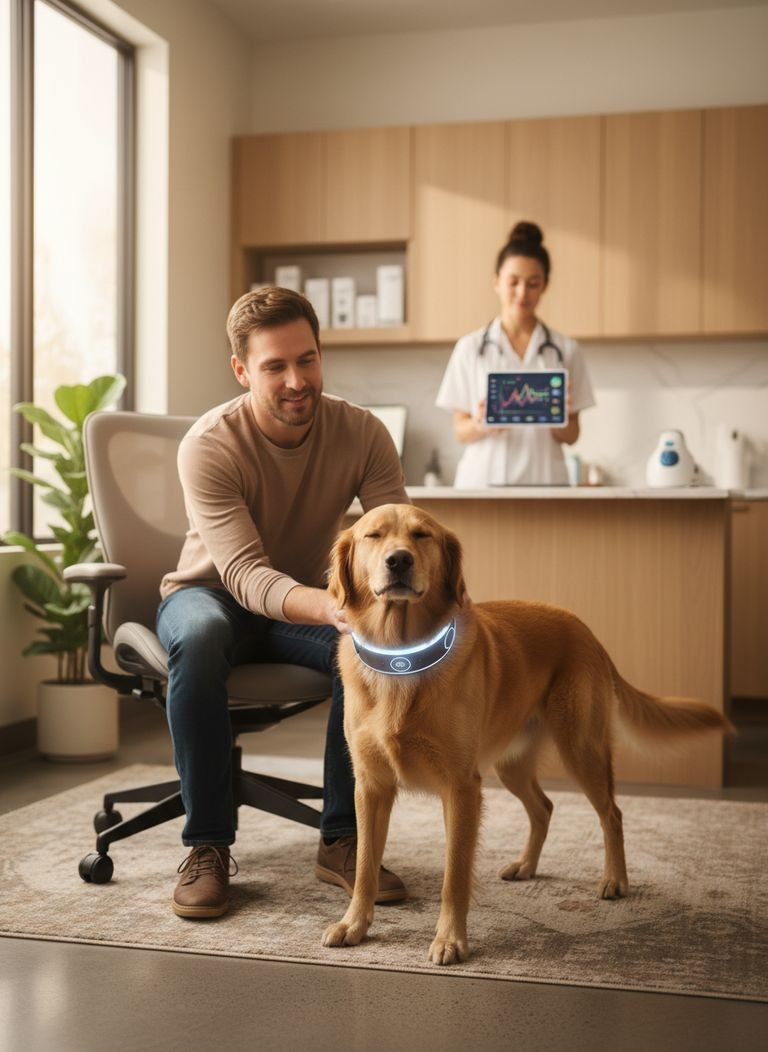
Perhaps one of the most powerful applications of an AI pet wellness tracker is its ability to serve as a bridge between you and your veterinarian. Instead of describing symptoms based on memory (“I think he’s been sleeping more”), you can present objective, longitudinal data. A report showing a 15% increase in average resting respiratory rate over three weeks is a concrete piece of evidence that can help guide a diagnostic workup.
This data can be invaluable for:
- Early Diagnosis: Providing a vet with a quantifiable anomaly can prompt them to investigate issues they might otherwise not have reason to suspect.
- Monitoring Chronic Conditions: For dogs with conditions like heart disease or arthritis, the collar can track vital signs and activity levels to monitor disease progression or response to treatment.
- Post-Surgical Recovery: You can objectively monitor a dog’s rest, activity, and comfort levels after a procedure to ensure a smooth recovery.
While direct EMR (Electronic Medical Record) integration is still rare, forward-thinking brands are building pathways for collaboration. Initiatives like FitBark’s veterinary system integration and PetPace’s partnerships with clinics highlight a growing recognition that this data is most powerful when shared with a medical professional. This is similar to how owners are using data from a microbiome pet testing kit to have more informed conversations about nutrition.
Conclusion: Investing in Your Dog’s Tomorrow, Today
A predictive health smart collar offers a powerful glimpse into the future of preventative pet care. By leveraging advanced sensors and AI, these devices provide an unprecedented layer of insight into our dogs’ daily well being, moving far beyond simple activity tracking. They empower dedicated owners with the potential for earlier intervention, enhanced collaboration with veterinarians, and the profound peace of mind that comes from knowing you are doing everything possible to ensure a long, healthy life for your companion. Just as AI smart enrichment toys enhance mental well-being, these collars focus on physical health.
While it is crucial to acknowledge the current limitations and the need for more long term validation studies, the technology’s trajectory is clear. For the proactive pet parent who values data driven insights and wants to be at the forefront of pet wellness, investing in a high quality Predictive Health Smart Collar is an investment in their dog’s future, today. We encourage you to research specific models, read user reviews, and discuss the technology with your veterinarian to see if it’s the right fit for your family.
Frequently Asked Questions
What is the difference between a GPS tracker and a predictive health smart collar?
A GPS tracker’s primary function is location tracking. A predictive health smart collar is a comprehensive wellness monitor focused on collecting and analyzing physiological data (like heart rate, respiration, and activity patterns) to detect early signs of potential health issues, a function GPS trackers do not have.
How accurate are these collars at detecting illness?
This is a critical and currently unanswered question. Companies claim their AI can detect anomalies that precede symptoms, but they rarely publish specific accuracy rates (sensitivity and specificity) backed by peer reviewed clinical trials. While anecdotally helpful for many users, their clinical-grade accuracy is not yet established in the public domain.
Do I still need to take my dog for regular vet checkups?
Absolutely. These collars are a supplementary health monitoring tool, not a replacement for professional veterinary care. The data is meant to enhance, not replace, regular exams, diagnostics, and your veterinarian’s professional judgment. Always consult your vet about any health alerts you receive.
What is the typical cost of a predictive health smart collar?
Costs vary, but you should budget for two components: an upfront hardware cost for the collar itself (often ranging from $150 to $350) and a recurring subscription fee (typically $10 to $30 per month). The subscription is usually required to access the AI data analysis, historical trends, and alerts, which are the core features of the product.
Can these collars be used for cats or other pets?
Currently, the vast majority of predictive health smart collars are designed, sized, and calibrated specifically for dogs. The algorithms are trained on canine physiology and behavior. While some companies may be developing feline versions, the current mainstream products are not suitable or validated for use on cats or other animals.