

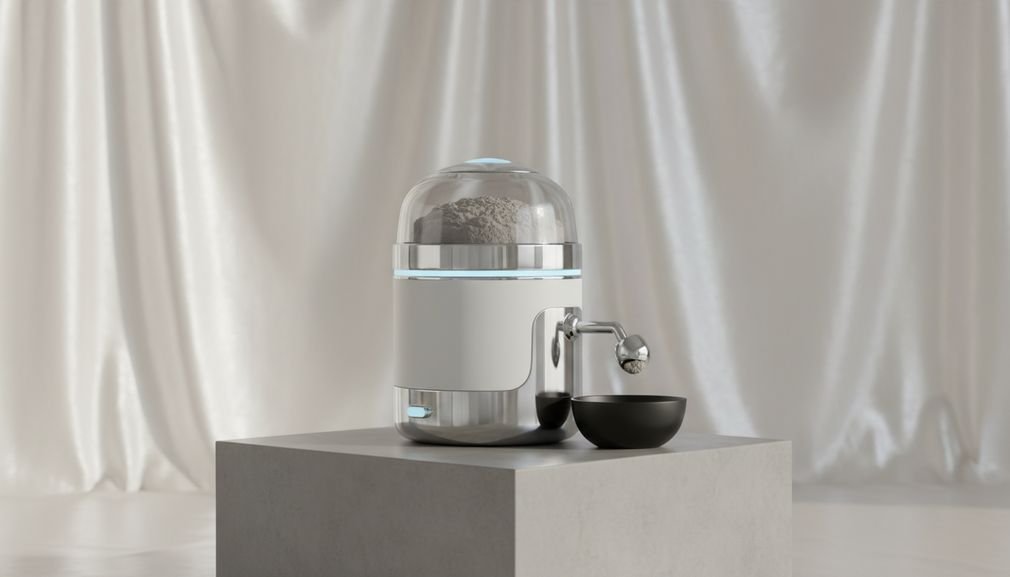
A robotic wet food dispenser promises to solve a significant challenge for discerning pet owners: how to provide fresh, safe wet or raw meals on a consistent schedule, even when you’re not home. While the convenience is undeniable, the underlying technology, especially concerning food safety, often lacks the transparent data needed to make a truly informed decision. This guide cuts through the marketing noise to focus on the critical, often overlooked questions you must ask before investing in this advanced pet tech.
Key Takeaways
- The primary challenge for any robotic wet food dispenser is maintaining a food safe temperature below 40°F (4°C) to prevent rapid bacterial growth.
- Many devices advertise UVC sanitation, but manufacturers rarely provide the specific technical data (wavelength, exposure time, wattage) needed to validate their effectiveness against bacteria like Salmonella or E. coli.
- Critical information regarding long term maintenance, recurring costs, and objective performance data is often missing from product descriptions and reviews, requiring buyers to perform deeper due diligence.
- The Growing Demand for Automated Wet Food Solutions
- Addressing the Core Challenge: Spoilage, Contamination, and Cooling
- The Refrigeration Factor: Demanding a Truly Safe Temperature
- UVC Sanitation in Pet Feeders: Separating Fact from Marketing Hype
- Beyond the Spec Sheet: Crucial Information Often Missing
- Navigating the Investment: Price and Long Term Value
- Conclusion: Making an Empowered Choice
- Frequently Asked Questions
The Growing Demand for Automated Wet Food Solutions
The pet care market is rapidly evolving, driven by owners who view their pets as family and seek technological solutions to enhance their well being. The broader automatic pet feeder market reflects this trend, with worldwide sales estimated at US$655.6 million in 2024 and projected to soar to US$1.64 billion by 2034, growing at a robust 9.6% CAGR according to a report from Fact.MR. This surge underscores a clear desire for automation and convenience in pet feeding.
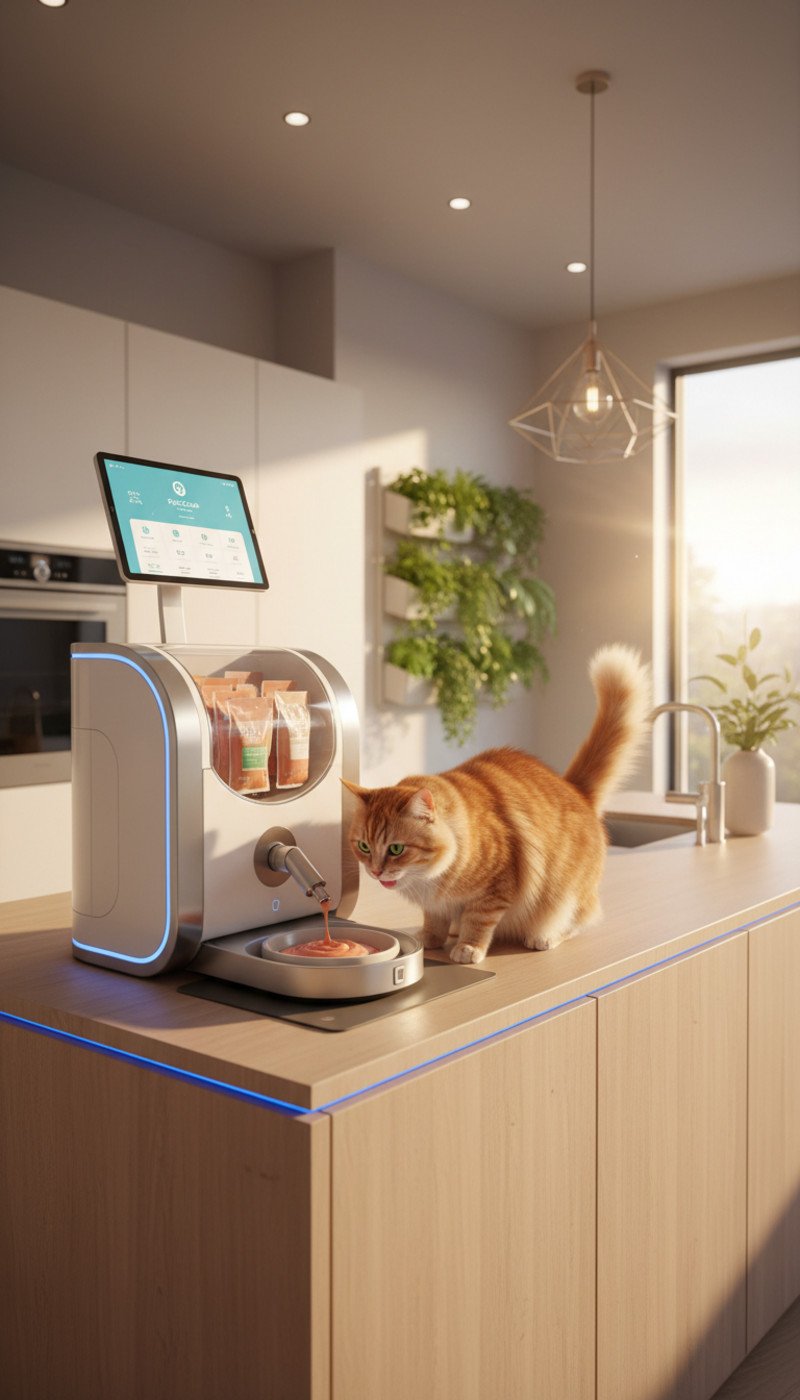
However, automating wet or raw food dispensing introduces complexities far beyond those of dry kibble. While a standard dispenser simply portions out shelf stable food, a robotic wet food dispenser must actively combat spoilage. It needs to function as a miniature, timed refrigerator and a hygienic serving station. This unique challenge is where discerning pet owners must focus their scrutiny, moving beyond simple scheduling features to the core mechanics of food preservation and safety.
Addressing the Core Challenge: Spoilage, Contamination, and Cooling
The single most important function of an automated wet food solution is to keep perishable food safe until it is consumed. The primary concern is the “danger zone”—the temperature range (typically 40°F to 140°F or 4°C to 60°C) where bacteria can multiply rapidly. Leaving wet food at room temperature for even a few hours can turn a healthy meal into a significant health risk for your pet.
An effective automatic fresh food feeder must provide consistent, reliable cooling. Yet, one of the most significant issues facing consumers is the lack of public data. Research shows a stark absence of specific user complaints or reported incidents related to food spoilage or inadequate cooling performance. This doesn’t mean problems don’t exist; it means the data isn’t being systematically collected or made public, placing the burden of verification squarely on the buyer. You must proactively investigate how a device ensures food safety, rather than assuming its claims are validated. This is a critical step in creating a healthy, pet-ready home.
The Refrigeration Factor: Demanding a Truly Safe Temperature
For any wet or raw food, precise temperature control is not a luxury feature; it is a fundamental requirement. While many devices claim to be a refrigerated wet food timer, the term “chilled” can be dangerously vague. The core question is: what temperature does it actually maintain, and for how long?
Shockingly, detailed food safety guidelines or veterinary recommendations specifying precise temperature ranges for these devices are not readily available. In this information vacuum, we must rely on general food safety principles. Food stored for any length of time should be kept below 40°F (4°C). This is the standard for home refrigerators, and it should be the standard for any device storing your pet’s perishable food.
As a consumer, you should demand this level of transparency. Look for devices that use active cooling (compressor or thermoelectric) rather than just passive insulation or ice packs, which lose effectiveness over time. Your pet’s health depends on the device’s ability to perform as a true refrigerator, not just a glorified cooler.
UVC Sanitation in Pet Feeders: Separating Fact from Marketing Hype
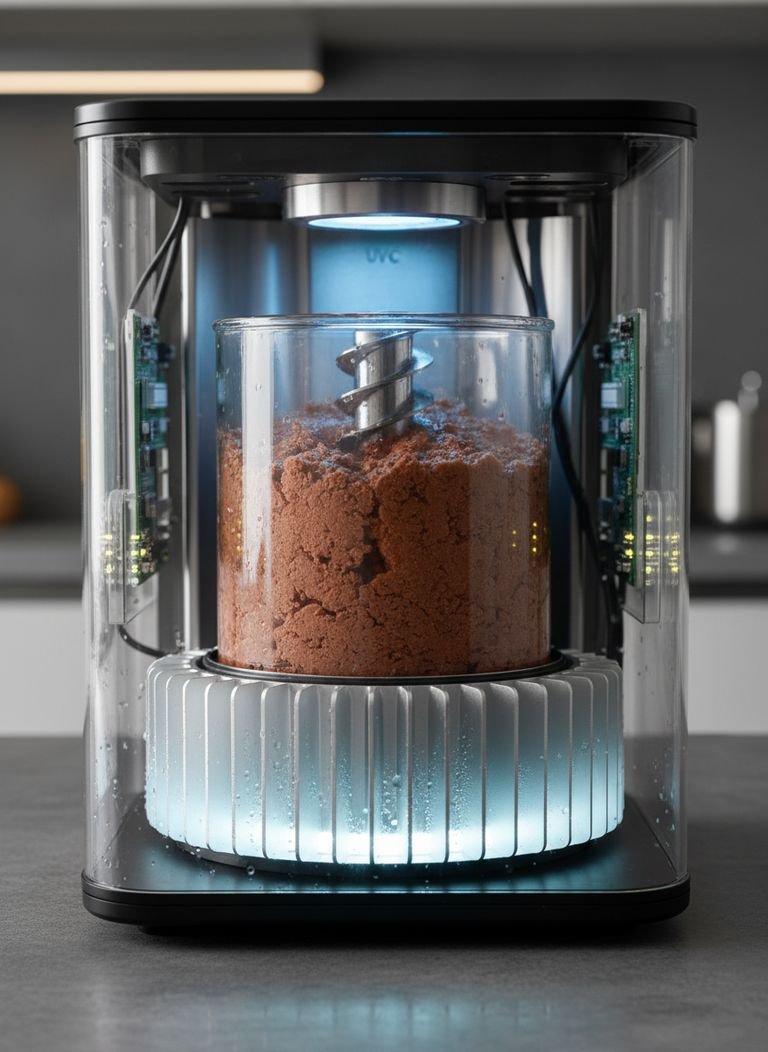
Many high end feeders promote UVC sanitation as a key feature for ensuring hygiene. UVC light, specifically in the 254nm wavelength, is a proven germicidal agent capable of neutralizing bacteria and viruses by destroying their nucleic acids. In theory, a UVC sanitized pet feeder could offer an extra layer of protection against harmful pathogens like Salmonella and E. coli. However, the efficacy of UVC sanitation is entirely dependent on its implementation.
The problem is a complete lack of available data on the technical specifications used in these feeders. To be effective, a UVC system requires a specific wavelength, sufficient wattage (intensity), and adequate exposure time. Without this information, or independent studies validating a device’s claims, the “UVC sanitation” feature is little more than a marketing bullet point. It’s a concept that sounds great but may offer no real world benefit if poorly implemented. This is similar to how advanced tech like pet facial recognition feeders require proven accuracy to be truly useful.
Beyond the Spec Sheet: Crucial Information Often Missing
The most sophisticated buyers recognize that a product’s true value is revealed over time. Unfortunately, the very information needed to assess long term performance is what’s consistently missing from product pages and reviews. Market analyses confirm that deep dive comparisons on critical sub topics are virtually nonexistent.
Before you invest, you must become your own researcher. Here are the key information gaps you need to fill:
| Missing Information Area | Questions You Must Ask |
|---|---|
| Long Term Maintenance | How many parts require regular cleaning? Are they all dishwasher safe? Are there any internal components or tubes that are difficult to access and sanitize? What is the recommended cleaning frequency and process? |
| Objective UVC Efficacy Data | Can the company provide third party lab reports or certifications validating their UVC system’s effectiveness against common pet related pathogens? What are the bulb’s specifications and expected lifespan? |
| Dispensing Mechanism Reliability | What type of mechanism does it use (e.g., conveyor, auger, rotating carousel)? How does it handle different food consistencies, like pâté versus chunks in gravy? Read user reviews specifically for mentions of jamming or portion inaccuracy. |
| Build Quality & Materials | Are the food contact surfaces made of stainless steel or BPA free plastic? Does the unit feel sturdy? What is the warranty period, and what does it cover? |
Finding these answers requires digging into user forums, watching independent video reviews, and directly questioning manufacturers. Do not rely solely on the curated reviews on a product’s website. This due diligence is similar to that needed when evaluating other smart pet devices, like biometric smart collars, where performance claims need real world validation.
Navigating the Investment: Price and Long Term Value
Advanced robotic wet food dispensers represent a significant financial investment, often costing several hundred dollars. Compounding the challenge for buyers, there is no established market data on average price ranges for devices with premium features like active refrigeration and UVC sanitation, according to a 2024 analysis by Technavio. The same is true for typical recurring costs.
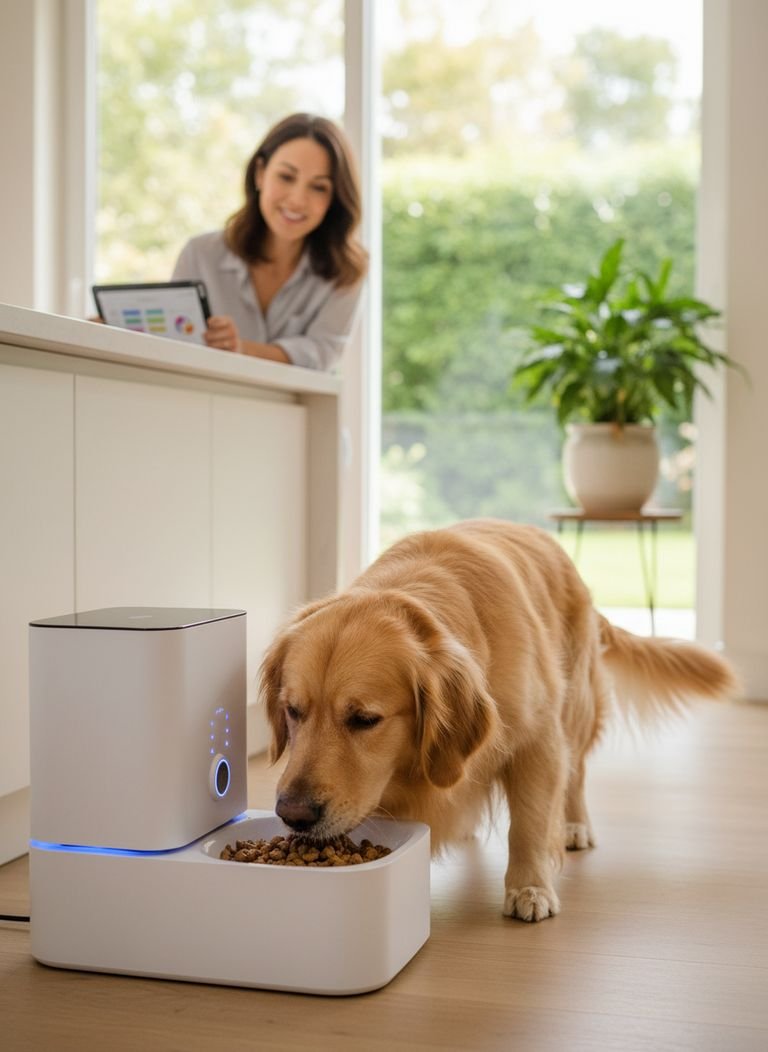
When assessing value, consider the Total Cost of Ownership (TCO) beyond the initial purchase price. Factors that influence price include brand reputation, cooling technology (a compressor costs more than a fan), smart features (Wi-Fi, app control), and build materials. A more expensive unit with a stainless steel self-cleaning wet food bowl mechanism and a robust cooling system may offer better long term value and safety than a cheaper, all plastic model with a simple ice pack.
Anticipate potential recurring costs that are rarely advertised:
- Replacement Parts: Will UVC bulbs, filters, or specific containers need periodic replacement?
- Energy Consumption: A device with an active refrigeration system will add to your electricity bill.
- Subscription Services: Some smart feeders may require a subscription to unlock full app functionality or analytics.
Investing in a higher quality device upfront can prevent the much greater cost, both financial and emotional, of a food spoilage incident that leads to a sick pet and a vet visit. This aligns with the broader trend of investing in preventative pet health, from AI smart enrichment toys to advanced dietary tools.
Conclusion: Making an Empowered Choice
The concept of an automated feeder for wet and raw food is incredibly appealing, offering freedom and peace of mind to dedicated pet owners. The technology exists, but the industry’s transparency has yet to catch up with its innovation. The lack of standardized data on cooling performance, UVC efficacy, and long term reliability means the marketing often outpaces the proof.
As a discerning consumer, your greatest tool is skepticism. Question every claim, demand specific data, and prioritize food safety above all else. By focusing on the core principles of refrigeration, verifiable sanitation, and durable mechanics, you can navigate the market’s information gaps. A truly reliable robotic wet food dispenser is not just a gadget; it is a food safety device, and choosing the right one is one of the most important decisions you can make for your pet’s health and your own peace of mind.
Ready to explore more ways to create a safer, smarter home for your pets? Check out our complete guide to self sanitizing wet food feeders for an even deeper dive into hygiene technology.
Frequently Asked Questions
What is the most important feature in a robotic wet food dispenser?
The most critical feature is its cooling system. The device must be able to consistently maintain an internal temperature below 40°F (4°C) to prevent bacterial growth in perishable food. All other features, including smart connectivity and UVC sanitation, are secondary to this core food safety requirement.
Is the UVC light in these feeders safe for my pet?
Generally, yes. UVC systems in pet feeders are designed to operate within an enclosed unit, so your pet is not directly exposed to the light. UVC radiation is only harmful with direct exposure. However, you should confirm the safety mechanisms of any model you consider, ensuring the light only activates when the unit is fully closed.
Can these dispensers handle raw pet food?
Some are designed to, but you must verify this with the manufacturer. Raw food carries a higher risk of pathogens like Salmonella, making reliable refrigeration and impeccable hygiene even more critical. Look for models with stainless steel food contact surfaces and an easily disassembled, fully washable dispensing path.
How often do I need to clean a robotic wet food dispenser?
You should clean the food bowl after every meal, just as you would with a regular bowl. All other components that come into contact with food, such as storage containers and dispensing mechanisms, should be thoroughly cleaned at least once a day. The easier a unit is to disassemble and clean, the more likely you are to maintain a proper hygiene schedule.
Are the high prices for these devices worth it?
The value depends on your specific needs and the device’s performance. For pet owners with irregular schedules, pets requiring medication with food, or those who travel, a reliable, safe dispenser can be invaluable. The price is worth it if the device delivers on its food safety promises, is built to last, and provides genuine peace of mind.