

### Blog Post:
Self-Sanitizing Wet Food Feeders are transforming healthy pet care, but are they truly safe, effective, and necessary? Here’s what you need to know before investing in automated wet or raw food technology for your pets at home.
Key Takeaways
- Raw and wet pet food carry high risks of bacterial contamination, while innovation in self-sanitizing feeders is lagging far behind market hype.
- There is a lack of published user pain points or real-world studies confirming that “self-sanitizing” or antimicrobial bowls significantly cut bacterial growth or spoilage in unattended feeding.
- Choosing and maintaining a feeder is as important as the device—regular cleaning, proper food handling, and honest risk awareness matter far more than automation alone.
- What Are Self-Sanitizing Wet Food Feeders and Why Consider Them?
- How to Use Self-Sanitizing Wet Food Feeders: Step-by-Step Guide
- Advanced Analysis & Common Pitfalls
- Conclusion
- FAQ
What Are Self-Sanitizing Wet Food Feeders and Why Consider Them?
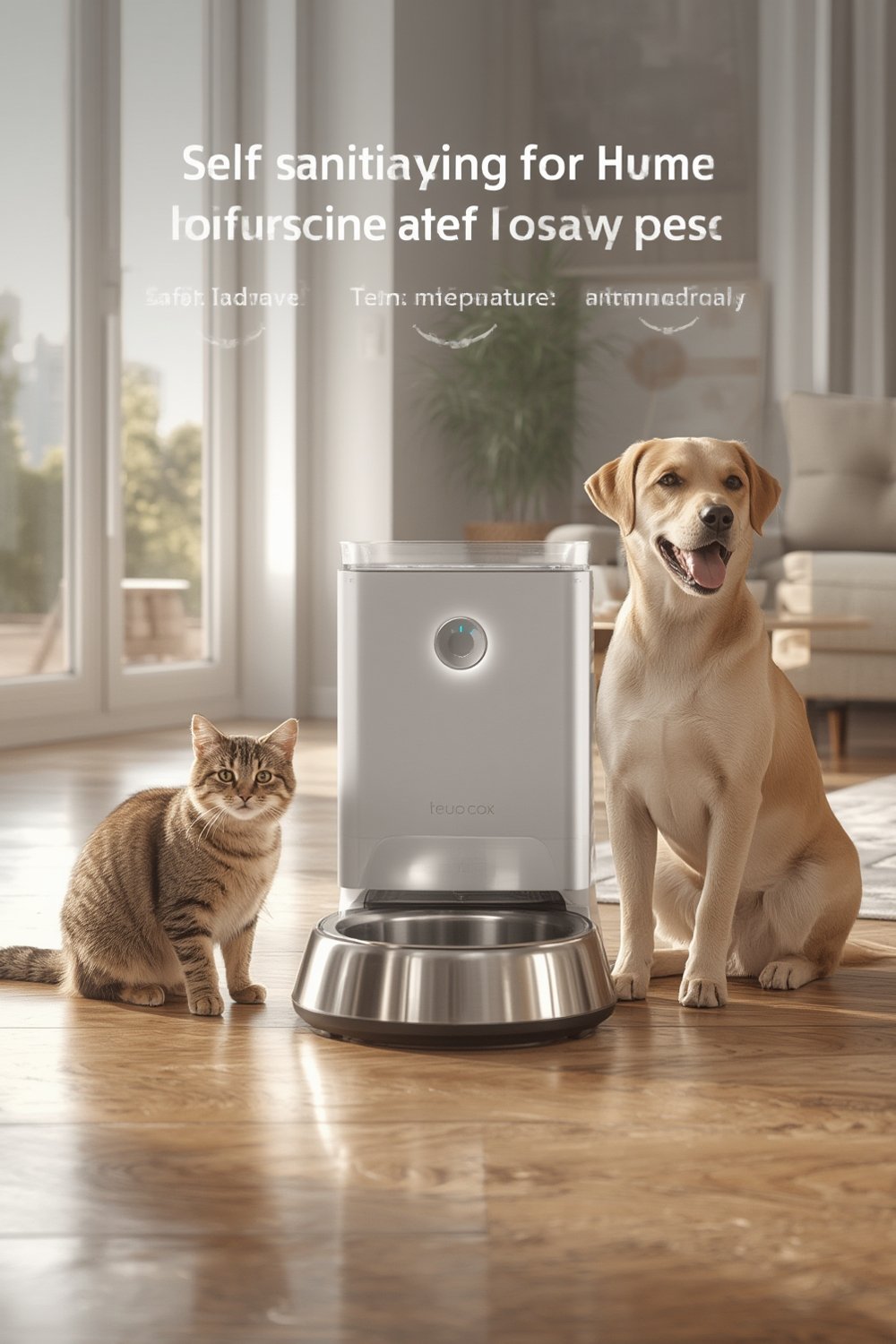
Self-sanitizing wet food feeders are automated devices that promise to keep your pet’s fresh, moist, or raw food safe to serve while you’re away—using features such as antimicrobial bowls, UV sterilization, or chilling. The goal is twofold: reduce food spoilage and lower the risk of dangerous pathogens like Salmonella and Listeria, which are known to proliferate rapidly in wet or raw foods at room temperature.
Why consider these? In 2024, over half of pet food recalls were linked to raw food, which accounts for a fraction of the market. Yet only minimal recalls involved wet food, mostly due to vitamin D excesses. Still, studies confirm that 6-20% of raw foods carry Salmonella, and Enterobacteriaceae levels routinely exceed safe food standards [source]. These risks are real if you leave wet or raw food exposed for hours, especially in warm homes.
If you’re passionate about a healthy, pet-ready home, an automated solution sounds tempting. But are the newest “smart feeders” actually solving the core hygiene and spoilage problem? Let’s dig into the steps and critical reality checks for anyone considering self-sanitizing wet food feeders.
How to Use Self-Sanitizing Wet Food Feeders: Step-by-Step Guide
- Read Up on Product Claims and Limitations
Many self-sanitizing feeders market features like antimicrobial bowls or UV sterilization. In reality, no published data verifies their effectiveness for pet food safety in the home. Documented benefits of antimicrobial surfaces or high-pressure processing do cut pathogens in labs—but not necessarily in the device on your counter. Always demand proof beyond marketing. - Choose Safer Foods and Settings
Automated feeders cannot disinfect spoiled or contaminated food. Stick to safer, low-risk wet or raw food brands—look for those using high-pressure or pasteurized processes and refrigerate the food up to the moment of use. - Pre-Chill and Pre-Portion Carefully
If your feeder offers refrigeration, test the time it keeps food below 40°F (4°C). Pre-chill the bowl and portion only what will be eaten during the programmed window. - Program Short Feeding Windows
The longer wet or raw food sits out—even in a sanitized or refrigerated bowl—the greater the spoilage risk. Set the feeder for the shortest necessary window, and consider freeze-dried toppers for extended absences. - Maintain, Clean, Repeat
No automation negates the need for daily cleaning. Bacteria and biofilms build up rapidly (sometimes within hours) on even antimicrobial or “self-sanitizing” surfaces. Disassemble and scrub all removable parts with soap and hot water every day. - Test and Monitor
Check for odors, texture changes, and any tech failures or mechanical jams. Many feeders lack real alerts for spoilage or missed feedings, so manual checks are still your best fail-safe.
Also, if you want to combine feeding with mental stimulation, smart enrichment toys alongside feeders can help reduce pet boredom and anxiety while you’re away.
Advanced Analysis & Common Pitfalls
Despite rapid growth in the smart pet market, most self-sanitizing wet food feeders don’t address the fundamental problem: persistent contamination risks, lack of independent validation, and unclear cleaning guidance. Here’s where owners run into real trouble:
| Feature | Reality in 2024 | Proven Safety Value? |
|---|---|---|
| Antimicrobial Bowls | No published real-world lab tests for home users | No |
| UV/Self-Sanitizing Cycles | Sounds promising, but no peer-reviewed effectiveness data | No |
| Refrigeration Duration | refrigeration duration | Unclear |
| Spoilage/Bacterial Sensors | None found on consumer models in 2024 | No |
| Automated Pet Alerts | Most feeders lack real-time notifications for spoilage, jams, or missed feedings | No |
| User Reviews | No complaints or pain points documented; lack of transparency? | No data |
All of this means that owners remain responsible for food safety, no matter how “smart” or “self-sanitizing” the feeder claims to be. Regular, thorough cleaning, and diligent food handling are still non-negotiable. Also, in the event of a power cut, even refrigerated or UV-cycle feeders can become a source of rapid spoilage.
According to 2024 industry reports, avian flu and bacterial outbreaks have affected even well-meaning pet owners—automated feeders did not prevent incidents from contaminated food.
To extend best practices, consider implementing tips from guides on pet dental probiotics and hygienic cat litter solutions for a holistic approach to pet hygiene.
Conclusion
Smart pet devices evolve rapidly, but right now, the promise of Self-Sanitizing Wet Food Feeders outpaces their reality. No independent evidence shows that they consistently prevent spoilage or keep bacteria at bay on their own. The real heroes remain—safe food choices, scrupulous cleaning, and short exposure times. If automated feeding fits your lifestyle, use it wisely and always supplement with hands-on hygiene and smart observation.
Want to build a healthier, pet-ready home or view how feeding tech fits into overall pet wellness? Explore our in-depth guides and stay tuned for updates as technology (hopefully) improves. Your pet’s health, and your peace of mind, are always worth a closer look.
FAQ
Do self-sanitizing wet food feeders really prevent spoilage?
No published evidence proves that current consumer feeders consistently prevent spoilage or bacterial growth in real home use. Proper cleaning and limiting room-temperature exposure remain essential.
How long can wet food safely sit in a feeder?
Veterinarians recommend wet or raw food not remain at room temperature for more than two hours. Refrigerated feeders may extend this but should be verified for actual cooling duration and reliability.
Can I use raw diets in automated wet food feeders?
Raw food carries high bacterial risks and a majority of recalls, even with high-tech feeders. Only consider this if you can maintain safe storage, cooling, and strict cleaning routines.
Are antimicrobial bowls or UV sterilizers necessary?
There’s no peer-reviewed data confirming these features alone provide real-world protection. They are only a supplement, never a replacement, for responsible food handling.
What’s the main takeaway for pet owners?
Technology can help, but you are still responsible for food safety: use the best feeder you can afford, clean it obsessively, choose reputable food, and never rely on automation alone.
—