

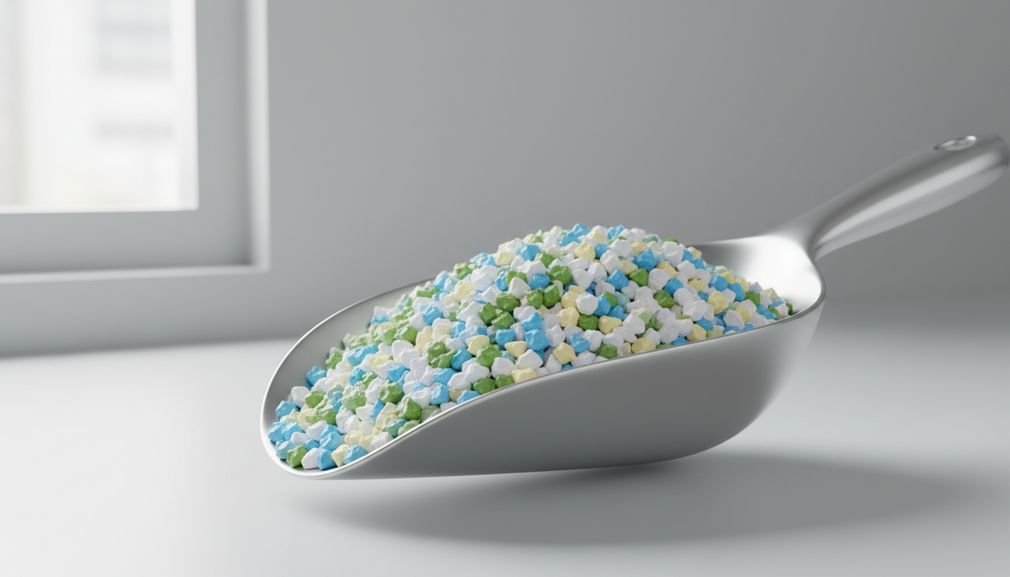
Using a Color-Changing Health Litter can feel like having an early warning system for your cat’s health, but it’s crucial to understand its role as a preliminary screening tool, not a definitive diagnosis. As responsible cat owners, we want to be proactive, and these innovative litters offer a convenient way to monitor for potential urinary issues right at home.
Key Takeaways
- Color-changing health litter is a home screening tool designed to detect potential urinary anomalies like abnormal pH or blood; it is not a substitute for veterinary diagnosis.
- The technology primarily relies on pH indicators, but its accuracy lacks scientific validation, and factors like color fading can complicate interpretation.
- Always consult your veterinarian if you observe persistent color changes or any other symptoms of illness, regardless of what the litter indicates.
- Understanding Color-Changing Health Litter: A Proactive Approach to Feline Health
- How Does Color-Changing Litter Actually Work? The Science Behind the Shades
- The Truth About Accuracy: What Diagnostic Litter Can (and Cannot) Detect
- A Vet’s Perspective: Using Health Litter as a Preliminary Screening Tool
- Decoding the Colors: Interpreting Subtle Variations and Understanding Their Limits
- Common Pitfalls: Inconsistent Results and Non-Diagnostic Attributes
- Beyond the Health Indicators: Cost, Texture, and Practical Considerations
- When to Call the Vet: Critical Red Flags Regardless of Litter Color
- Conclusion: A Valuable Tool, Not a Replacement for a Vet
- Frequently Asked Questions
Understanding Color-Changing Health Litter: A Proactive Approach to Feline Health
Color-changing health litter is an innovative home monitoring tool designed to give you an early heads up about potential urinary issues in your cat. Think of it as a first alert system. This type of diagnostic cat litter contains indicators that react to certain properties in your cat’s urine, changing color to flag potential problems. However, it’s vital to set realistic expectations from the start: this is a screening tool, not a diagnostic one. Its purpose is to draw your attention to changes you might otherwise miss, prompting a conversation with your veterinarian, who can perform the necessary tests for an accurate diagnosis. It’s an extra layer of observation in your pet-ready living guide, helping you stay one step ahead.
How Does Color-Changing Litter Actually Work? The Science Behind the Shades
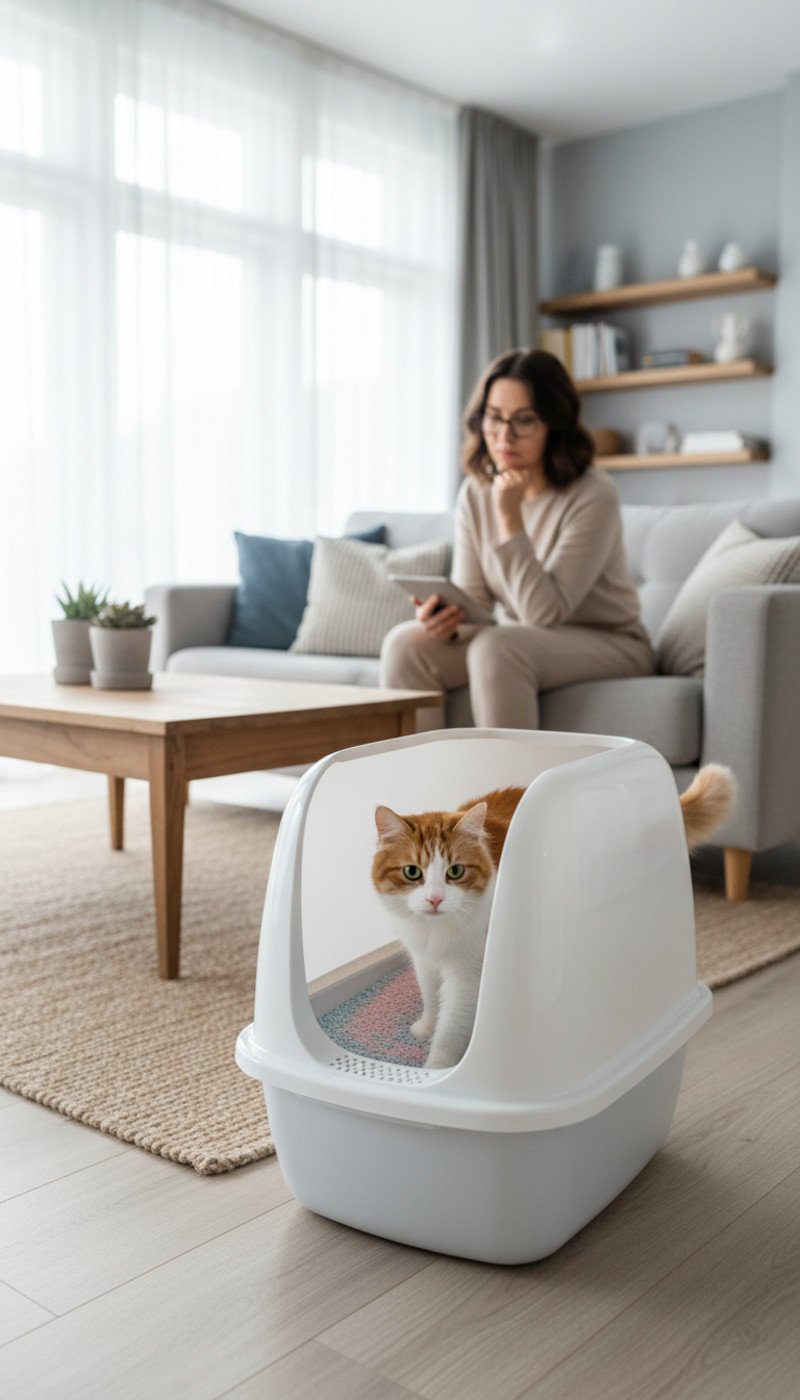
The magic behind these health-monitoring litters lies in basic chemistry. Most leading brands integrate chemical indicators directly into their silica or polypropylene litter crystals. The most common technology is a pH indicator that reacts to the acidity or alkalinity of your cat’s urine. For example, one popular brand uses a specific chemical to create a pH tracking kitty litter. According to research published in Chemical & Engineering News, “PrettyLitter uses bromothymol blue as its pH indicator, which appears yellow below pH 6 (protonated form), blue above pH 7.6 (deprotonated form), and shades of green in between.” This chemical reaction provides an instant visual cue about your cat’s urinary pH, which can sometimes be associated with health issues like urinary tract infections or kidney problems.
The Truth About Accuracy: What Diagnostic Litter Can (and Cannot) Detect
Here is where managing expectations becomes critical. While the concept is brilliant, the execution has significant limitations. The most important fact to know is that there are “no scientifically validated sensitivity or specificity values for leading color-changing health litters… available in current sources for detecting abnormal pH, blood, or glucose.” This means we don’t have scientific data confirming how often they are right or wrong. This illness detecting litter is a guide, not a guarantee. Some litters also claim to detect blood. However, this detection often relies on simple visual contrast. For instance, “blood detection in PrettyLitter relies on visual contrast of reddish hemoglobin against white silica rather than a chemical test.” This method can be effective, but it’s not a sophisticated chemical analysis. A reliable feline urinary health indicator must be consistent, and currently, the data isn’t there to support these products as a standalone diagnostic solution.
A Vet’s Perspective: Using Health Litter as a Preliminary Screening Tool
So, what do veterinary professionals think? Most view this type of diagnostic cat litter as a potentially useful, but limited, preliminary tool. Vets may recommend it for at-home screening of pH and blood in otherwise asymptomatic cats, providing an extra data point for proactive owners. However, they are quick to caution against over-reliance. As noted by DVM360, professionals state that pH alone is “‘not very useful’ due to diet/environment influences; litters suit preliminary checks, not diagnosis.” A change in diet or even stress can alter urine pH temporarily. Therefore, a single color change is not a reason to panic. Instead, it’s a reason to observe closely and, if the change persists, to schedule a vet appointment for a proper urinalysis. The feline urinary health indicator is a conversation starter with your vet, not the final word.
Decoding the Colors: Interpreting Subtle Variations and Understanding Their Limits
Interpreting the colors of a pH tracking kitty litter requires careful observation and an understanding of its limitations. While each brand has its own color chart, the general principles are similar. Here’s a general guide based on common silica-based products:
- Yellow to Olive Green: Typically indicates a normal, healthy pH range.
- Blue or Dark Green: Suggests higher alkalinity (pH > 7.6), which can sometimes be associated with certain types of urinary tract infections or bladder stones.
- Orange or Bright Green: Indicates higher acidity (pH < 6), which could point to metabolic issues or other types of crystals.
- Red: Suggests the presence of blood, a serious indicator that always warrants a vet visit.
A critical factor to remember is color stability. Research shows that while a “reaction is immediate… yellow/orange fades in hours, blue stable.” This means you need to check the litter box soon after your cat uses it to get an accurate reading for acidic urine. For pet parents managing multiple pets, this can be challenging, and a product like a pet facial recognition feeder can help manage individual diets, which in turn affects urine pH.
Common Pitfalls: Inconsistent Results and Non-Diagnostic Attributes
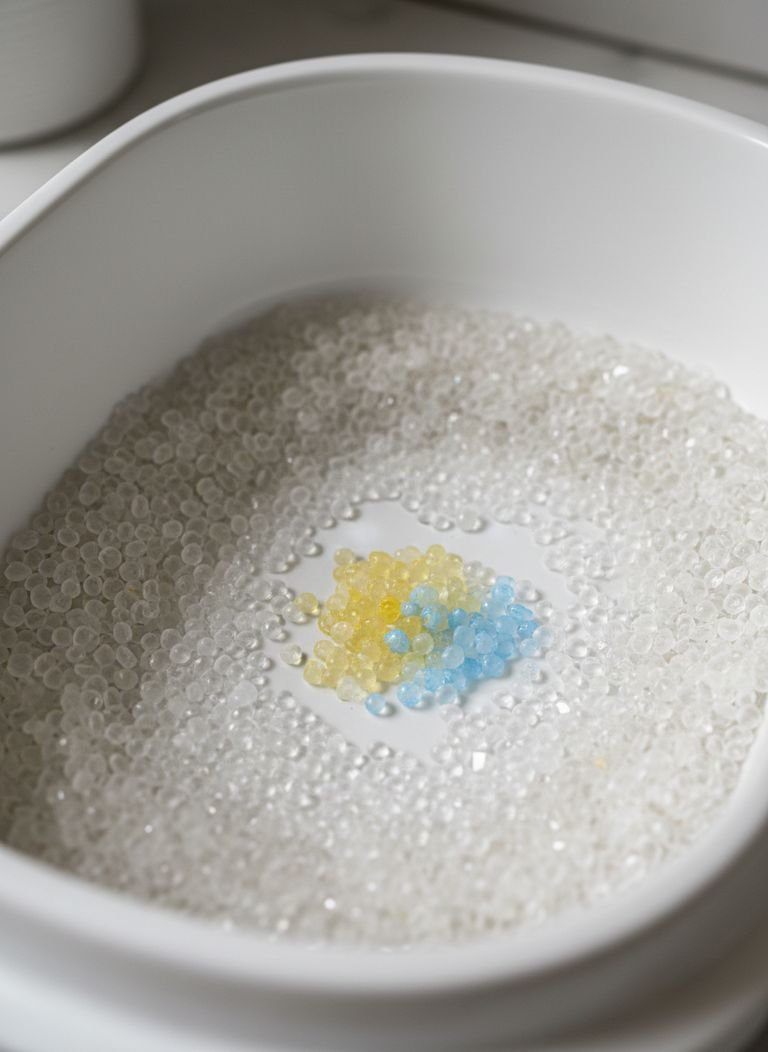
The biggest pitfall of an illness detecting litter is its potential for inconsistent or misleading results. Beyond the fading of pH indicators, some materials introduce their own problems. For example, a Polish study found that “polypropylene-based litters show inconsistencies in ketone and glucose detection… and decreased leukocyte counts (p=0.0054).” These discrepancies make them unreliable for definitive diagnostics. Such litters can introduce contaminants that interfere with accurate readings, leading to either false positives (causing undue worry) or false negatives (providing a false sense of security). This is why vets always insist on confirming any suspicious results with a professional urinalysis using a sterile sample. Relying solely on the litter for a diagnosis can be a risky and inaccurate approach. Thinking about your cat’s overall health also involves their environment, and smart choices like using AI smart enrichment toys can reduce stress, a known factor in feline urinary issues.
Beyond the Health Indicators: Cost, Texture, and Practical Considerations
Health monitoring is the main selling point, but practical factors also influence whether a color-changing health litter is right for you and your cat. First, the cost is typically higher than traditional clay litters. While specific prices vary, silica-based health litters are generally considered a premium product. Second, the texture is quite different. “Silica litters like PrettyLitter are lighter, less dusty, and adsorb 35% of weight in water without swelling but do not clump like clay.” This non-clumping nature means you stir the litter daily to absorb moisture and scoop solids, but you don’t remove urine clumps. Some cats dislike the crystalline texture under their paws, while others prefer it. If hygiene and durability are your top priorities, you might even consider alternatives like a stainless steel cat litter box, which can be used with any type of litter.
When to Call the Vet: Critical Red Flags Regardless of Litter Color
The most important rule when using any diagnostic cat litter is this: it is a guide, not a replacement for professional veterinary care. While brands like PrettyLitter advise monitoring for “1-2 day persistent changes before vet visit,” some symptoms demand immediate attention, no matter what color the litter is. Contact your vet immediately if you notice:
- Straining to Urinate: Your cat is making frequent trips to the litter box with little or no urine output. This can be a sign of a urinary blockage, which is a life-threatening emergency, especially in male cats.
- Crying or Vocalizing in the Litter Box: Pain during urination is a clear sign of a problem.
- Urinating Outside the Litter Box: This is a common behavioral sign of a medical issue.
- Lethargy, Vomiting, or Loss of Appetite: These systemic signs often accompany significant urinary tract disease.
- Visible Blood: If you see red in the litter, don’t wait. Call your vet.
A feline urinary health indicator is a useful tool in your toolkit, but your own observation of your cat’s behavior is the most powerful diagnostic you have. For a truly healthy pet environment, consider a holistic approach, from diet to playtime to even the air they breathe, which can be improved with energy efficient upgrades that improve home ventilation.
Conclusion: A Valuable Tool, Not a Replacement for a Vet
Ultimately, color-changing health litters are a clever innovation that empowers proactive cat owners. They can successfully draw your attention to subtle urinary changes that might otherwise go unnoticed, facilitating earlier veterinary intervention. However, their lack of validated scientific accuracy and potential for inconsistent results mean they must be used wisely. View the colors as a prompt for observation, not a diagnosis. Trust your instincts, monitor your cat’s overall behavior, and always partner with your veterinarian for definitive health decisions. By doing so, you can effectively integrate a Color-Changing Health Litter into a comprehensive wellness plan for your beloved feline companion.
What has been your experience with health-monitoring litters? Share your story in the comments below to help other cat owners!
Frequently Asked Questions
Can color-changing litter replace regular vet check-ups?
No, absolutely not. Color-changing litter is a preliminary screening tool for at-home monitoring. It is not a diagnostic test and cannot replace a professional veterinary examination or a proper urinalysis. Always follow your vet’s recommendations for regular wellness check-ups.
What should I do if the litter color changes once and then returns to normal?
A single, temporary color change may not be a cause for concern, as factors like diet, stress, or time of day can influence urine pH. Most brands recommend monitoring for a persistent change that lasts 24 to 48 hours. If you are concerned, or if the change is to red (indicating blood), it’s always best to contact your vet.
How accurate is the blood detection in these litters?
The accuracy is not scientifically validated. In many popular silica-based litters, blood detection is based on the visual contrast of red blood against the white litter crystals, not a specific chemical reaction. While this can be an effective flag, it is not a lab-grade test and should be confirmed by a veterinarian.
Does this type of litter work in a multi-cat household?
It can be very difficult to use effectively in a multi-cat household. If one cat has a potential issue, the litter will change color, but you won’t know which cat caused it. For accurate monitoring, you would need to temporarily isolate each cat with their own litter box.
Is color-changing litter safe for my cat?
Yes, leading brands of color-changing litters are generally considered safe for cats. They are typically made from non-toxic silica gel and the chemical indicators are used in very small, non-harmful quantities. However, if your cat has a habit of eating litter (pica), you should consult your vet.