

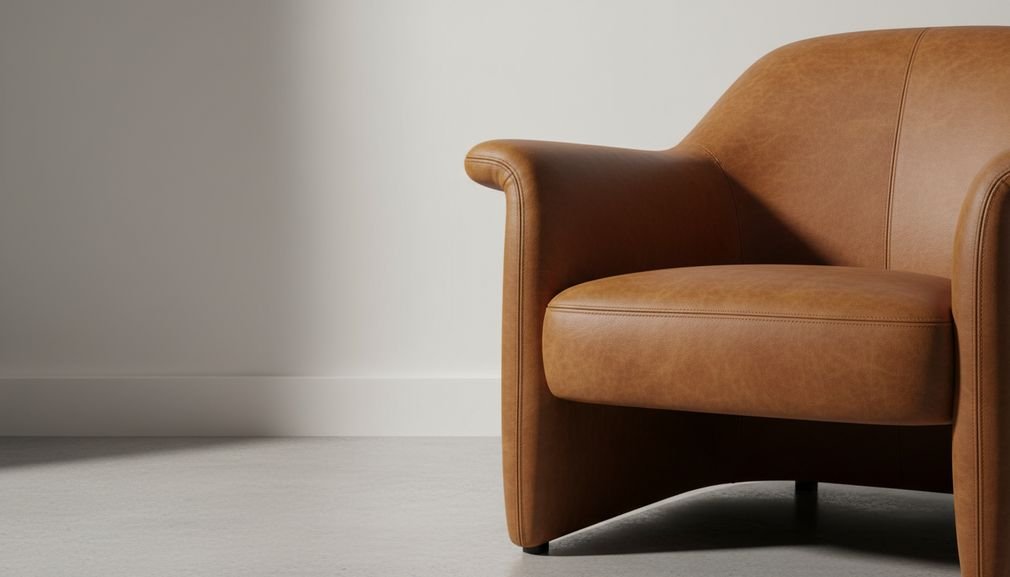
Your Complete Guide to Vegan Leather Furniture: 7 Critical Questions to Ask Before You Buy
Navigating the world of vegan leather furniture can feel like a maze of eco-friendly claims and confusing labels, but making an informed choice is easier than you think. While the appeal of cruelty-free and seemingly sustainable options is growing, not all vegan leather is created equal. Understanding the difference between materials, knowing what questions to ask about durability and toxicity, and recognizing potential greenwashing are the keys to investing in a piece that truly aligns with your values and enhances your home for years to come.
Key Takeaways
- Not all “vegan leather” is environmentally friendly; many are petroleum-based plastics (PU/PVC), while others are innovative plant-based materials. Understanding the specific composition is the first step to assessing true sustainability.
- Questions about durability (like abrasion resistance ratings) and end-of-life biodegradability are often overlooked but are critical for evaluating a product’s real-world performance and long-term environmental impact.
- Look for certifications like GREENGUARD Gold or Oeko-Tex Standard 100 to ensure your furniture is genuinely non-toxic and free from harmful chemicals like phthalates or PFAS, which can be present even in “eco-friendly” materials.
- The Growing Appeal of Vegan Leather Furniture: A Sustainable Alternative?
- Decoding “Vegan Leather”: The Critical Distinction Between Plant-Based and Petrochemical
- Beyond First Impressions: Addressing Durability, Feel, and Real-World Performance
- The Unseen Layers: What Competitors Often Overlook in True Sustainability
- Beyond “Eco-Friendly”: Ensuring Truly Non-Toxic Furniture for a Healthy Home
- Your Smart Buyer’s Checklist: Essential Questions Before You Invest in Vegan Leather Furniture
- Making an Empowered Choice for Your Home and the Planet
- Frequently Asked Questions About Vegan Leather Furniture
The Growing Appeal of Vegan Leather Furniture: A Sustainable Alternative?
The demand for ethical and environmentally conscious home goods has skyrocketed, positioning vegan leather furniture as a popular alternative to traditional animal hides. This market is not just a niche trend; it’s a significant economic force. The global vegan leather market is projected to reach an astounding USD 139.02 billion by 2030, growing at a robust 9.58% CAGR, signaling a massive shift in consumer preferences. For many, choosing an eco friendly sofa material is a powerful statement, merging style with personal values. However, this rapid growth also creates a complex landscape where discerning the truly sustainable from the merely “vegan” becomes a critical challenge for every conscious buyer.
Decoding “Vegan Leather”: The Critical Distinction Between Plant-Based and Petrochemical
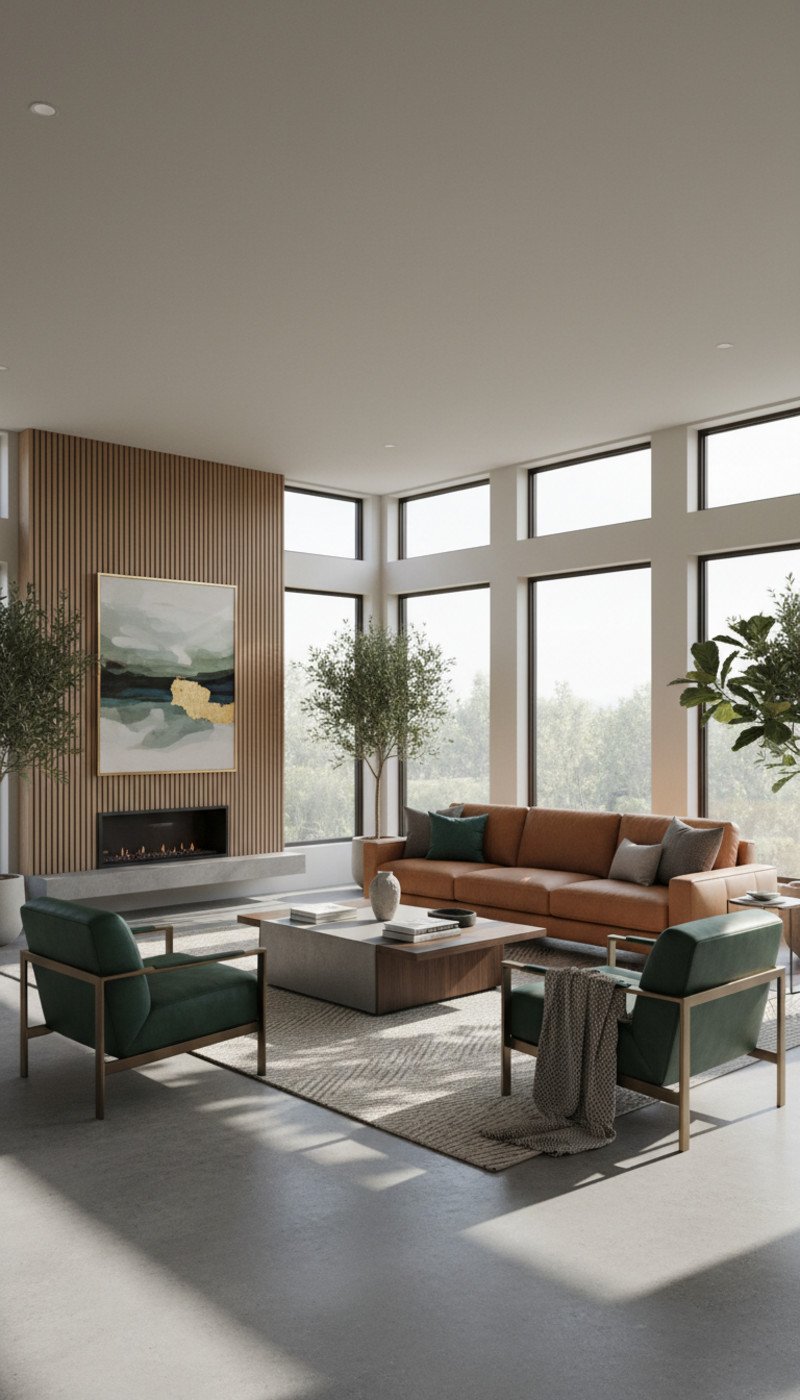
The term “vegan leather” is an umbrella that covers a vast range of materials with wildly different environmental footprints. The most critical distinction is between petrochemical-based synthetics and genuinely plant-based innovations. For decades, the market has been dominated by Polyurethane (PU) and Polyvinyl Chloride (PVC), which are essentially plastics derived from fossil fuels. While they are animal-free, their production and disposal processes raise significant environmental concerns.
In contrast, a new generation of sustainable upholstery materials is emerging from sources like pineapple leaves (Piñatex), mushrooms (mycelium), apples, and cacti. A plant based leather couch made from these materials often requires less water, fewer chemicals, and can be more biodegradable. While the overall synthetic leather market, estimated at USD 71.93 billion in 2024, still largely consists of PU and PVC, understanding the source of your material is the first and most important step in making a genuinely sustainable choice. Always ask: “What exactly is this made of?”
Beyond First Impressions: Addressing Durability, Feel, and Real-World Performance
A primary hesitation for many consumers is the perceived durability and comfort of vegan leather compared to its traditional counterpart. Will it peel? Will it crack? Does it feel plasticky and cold? These are valid concerns, especially given the market’s information gaps—specific consumer complaint data and standardized lifespan metrics are notoriously hard to find. Genuine leather furniture, a market valued at USD 11.45 billion in 2024, has built a reputation for longevity, creating a high benchmark.
To assess the durability of a vegan leather piece, you must become an investigator. Ask the manufacturer for abrasion resistance data, often measured in Martindale cycles or Wyzenbeek double rubs. A higher number indicates better resistance to wear. For commercial-grade upholstery, a rating of 30,000 or more is common. While many brands may not readily provide this, your inquiry pressures the industry toward greater transparency. Similarly, ask about the material’s performance against stretching, fading, and cleaning. Good buying furniture tips always include digging deeper than the surface-level marketing claims to understand how a piece will truly live in your home.
The Unseen Layers: What Competitors Often Overlook in True Sustainability
True sustainability goes far beyond the raw materials. Many brands and retailers focus on the “vegan” aspect while ignoring the complete lifecycle of their products. Three critical areas are consistently overlooked: end-of-life biodegradability, comprehensive lifecycle assessments (LCAs), and material breathability.
A PVC-based sofa may be vegan, but it will sit in a landfill for centuries without breaking down. A truly eco friendly sofa material should be designed for circularity. Ask the manufacturer: “What happens to this furniture at the end of its life? Is it biodegradable, compostable, or recyclable?” Furthermore, a comprehensive LCA compares the total environmental impact—from water usage and carbon emissions during production to disposal—across different types of sustainable upholstery materials. Finally, breathability is not just a comfort issue; less breathable materials like PVC can feel sticky and uncomfortable, impacting your daily user experience. These are the nuanced details that separate genuinely thoughtful design from superficial greenwashing, and they are essential components of any truly effective energy efficient upgrades to your home’s ecosystem.
Beyond “Eco-Friendly”: Ensuring Truly Non-Toxic Furniture for a Healthy Home
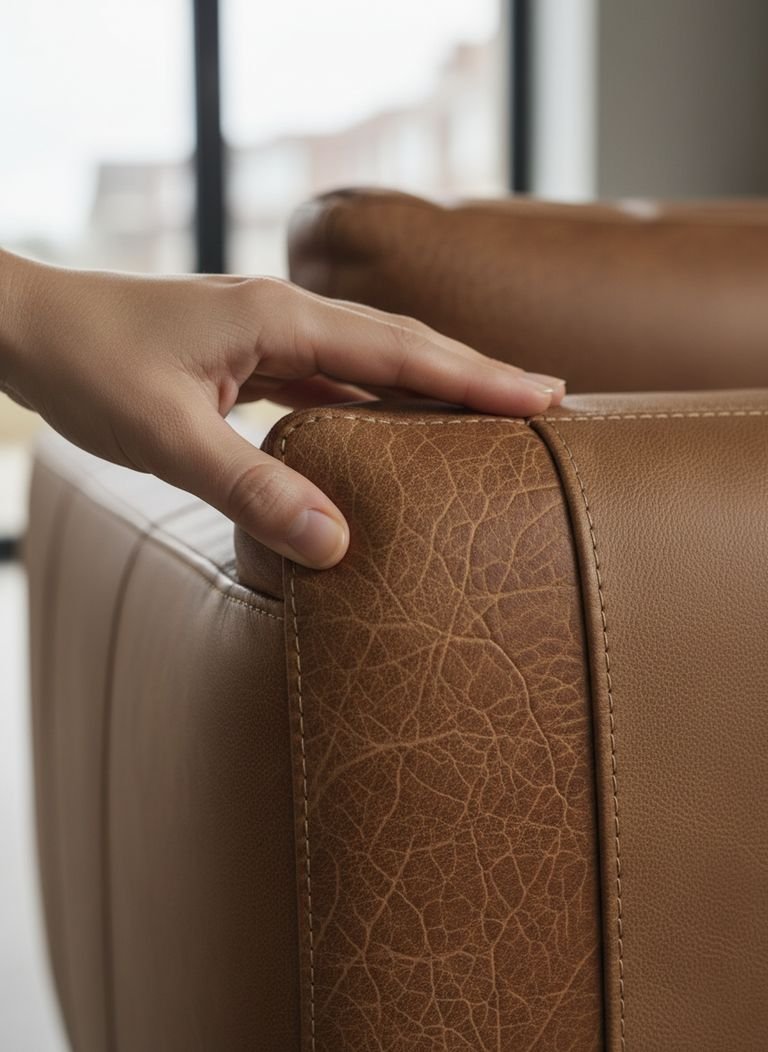
An “eco-friendly” label doesn’t automatically mean a product is healthy for you and your family. Many synthetic leathers, and even some plant-based composites, can be manufactured using chemicals that off-gas into your home. Potentially harmful substances like phthalates (used to soften PVC), DMF (a solvent in PU production), PFAS (“forever chemicals” used for stain resistance), and certain flame retardants can be present in upholstery materials.
Since the research shows a clear lack of public data detailing these chemicals in specific upholstery products, your best defense is to look for reputable, third-party certifications. These credentials provide independent verification that a product meets strict health and safety standards. When you’re shopping for non toxic furniture, especially a plant based leather couch, ask for proof of these certifications. Making your living space a healthy, pet-ready home means being vigilant about the materials you bring inside.
Your Smart Buyer’s Checklist: Essential Questions Before You Invest in Vegan Leather Furniture
The current market lacks transparency, with no standardized data available for cost comparisons, lifespans, or abrasion ratings across different vegan leathers. This information gap makes it impossible to casually compare a cactus leather sofa to a premium PU one. Therefore, you must be proactive. Use this checklist to empower yourself and demand the information you need to make a smart investment.
Critical Questions for Manufacturers and Retailers:
- Material Composition: “What is the exact percentage breakdown of this material? Is it PU, PVC, or a plant-based composite? If plant-based, what is the primary plant material and what is used as the binder?”
- Durability & Lifespan: “Can you provide the Martindale cycle or Wyzenbeek double rub rating for this upholstery? What is the expected lifespan of this product under normal residential use?”
- Maintenance & Care: “What are the specific cleaning instructions? Is the material resistant to common stains like oil or wine? Does it require any special conditioning?”
- Lifecycle & Sustainability: “What is the end-of-life plan for this product? Is the material biodegradable, compostable, or recyclable? Can you provide any data from a lifecycle assessment (LCA)?”
- Health & Non-Toxicity: “Is this product certified by GREENGUARD Gold, Oeko-Tex Standard 100, or another reputable non-toxic certification? Can you confirm it is free from phthalates, PFAS, and harmful flame retardants?”
- Manufacturing Process: “Where is this furniture manufactured? What solvents or chemicals are used in the production process?”
Asking these direct questions about your prospective living room furniture not only gets you the answers you need but also signals to the industry that consumers demand greater transparency and accountability.
Making an Empowered Choice for Your Home and the Planet
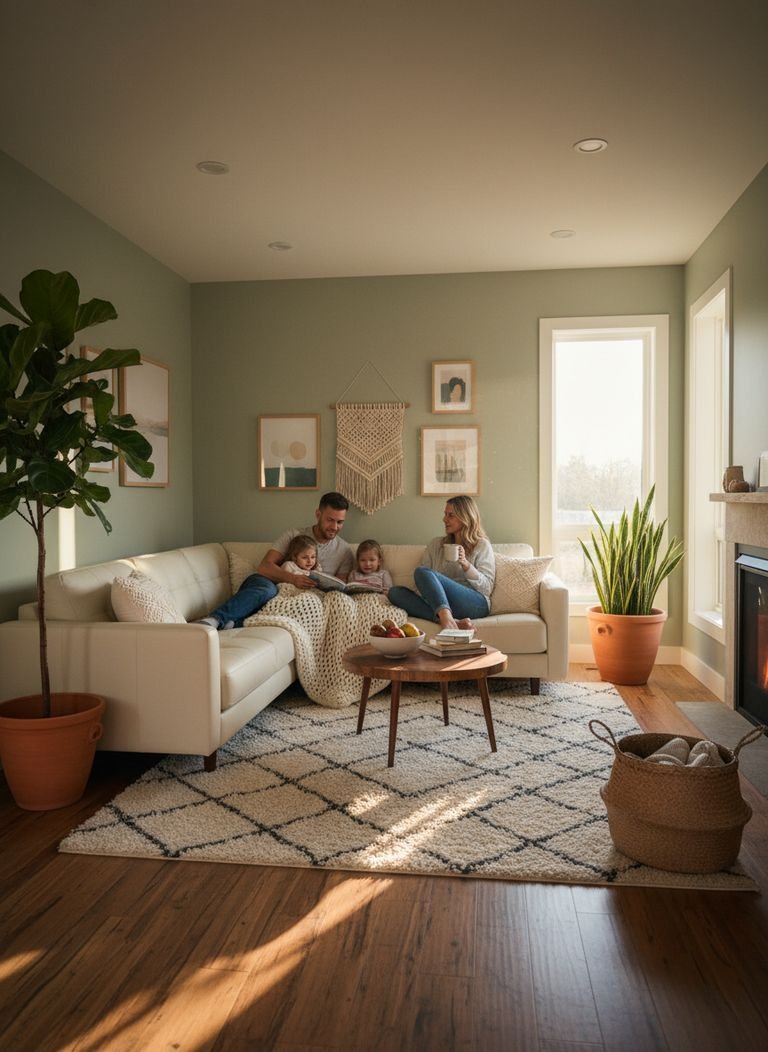
The journey to finding the perfect vegan leather furniture is one of diligence and inquiry. With the market showing a promising growth rate of over 9% CAGR, the options and innovations will only continue to expand. This is an exciting prospect for conscious consumers, but it reinforces the need for a critical eye. Rather than being swayed by vague “eco-friendly” marketing, you are now equipped to dissect the claims and focus on what truly matters: material composition, real-world durability, holistic sustainability, and non-toxicity.
By asking the right questions, you move beyond being a passive consumer and become an active participant in shaping a more transparent and responsible industry. Your thoughtful investment in high-quality, genuinely sustainable pieces ensures you get beautiful and long-lasting furniture. More importantly, it ensures your choices reflect a deep commitment to a healthier home and a healthier planet. The ultimate power lies in demanding better, and that starts with knowing what to ask before you buy your next piece of vegan leather furniture.
Frequently Asked Questions About Vegan Leather Furniture
Is all vegan leather furniture environmentally friendly?
No, not all vegan leather is environmentally friendly. Many common types are made from petroleum-based plastics like PVC and PU, which have a significant carbon footprint and are not biodegradable. Truly sustainable options are typically plant-based, using materials like pineapple, mushroom, or cactus, and are manufactured with fewer harmful chemicals.
Does vegan leather peel or crack easily?
The durability of vegan leather varies dramatically by type and quality. Lower-quality PU and PVC leathers are prone to peeling and cracking over time, especially with sun exposure and heavy use. High-quality PU and innovative plant-based leathers are engineered for greater durability. Always ask for abrasion resistance ratings (like Martindale cycles) to gauge longevity.
Is vegan leather furniture toxic?
It can be. Some synthetic leathers, particularly PVC, can contain plasticizers like phthalates. The manufacturing process for PU can involve solvents like DMF. To ensure your furniture is safe for your home, look for products with third-party certifications like GREENGUARD Gold or Oeko-Tex Standard 100, which test for a wide range of harmful volatile organic compounds (VOCs) and chemicals.
How do I clean vegan leather furniture?
Most vegan leathers can be cleaned with a simple solution of mild soap and water on a soft cloth. Avoid harsh chemical cleaners, abrasive sponges, or excessive moisture, which can damage the material’s surface. Always check the manufacturer’s specific care instructions first, as different compositions may have different requirements.
Is plant-based leather as durable as real leather?
The durability of plant-based leathers is rapidly improving and can be comparable to mid-range real leather, though it depends on the specific material and manufacturing process. High-end options are engineered to withstand significant wear. However, the industry lacks standardized testing data, so it’s crucial to ask manufacturers for specific performance metrics like abrasion resistance and tensile strength before making a purchase. Making a choice based on eco furniture sustainable principles requires this level of inquiry.