

WaterSense fixtures are an easy and proven way to save water, lower utility bills, and upgrade your home’s efficiency—without giving up performance or comfort. But what exactly are WaterSense fixtures, how do they work, and what should you know before installing them? Explore the real-world results, shortcuts, and crucial considerations based on the latest EPA data and actionable home improvement insights.
Key Takeaways
- WaterSense fixtures can slash water use and cut hundreds off your annual utility bills without sacrificing performance.
- EPA-certified products meet strict efficiency standards and include innovative options like smart irrigation controllers and efficient reverse osmosis systems.
- Real-world installation and user complaints are rare, but you still need to know key steps and pitfalls before you buy or retrofit.
- What Are WaterSense Fixtures and Why Upgrade?
- How to Select and Install WaterSense Fixtures (Step-by-Step Guide)
- Advanced Analysis & Common Pitfalls: What the Research Really Says
- Conclusion: Should You Switch to WaterSense Fixtures?
- FAQ: WaterSense Fixtures Explained
What Are WaterSense Fixtures and Why Upgrade?
WaterSense fixtures are plumbing products—like toilets, showerheads, faucets, and irrigation controllers—that meet or exceed water efficiency and performance criteria set by the US Environmental Protection Agency (EPA). The goal is straightforward: reduce water waste, save energy, and lower your bills, all while matching or outperforming traditional models.
Why upgrade? According to the latest 2024 EPA WaterSense report, WaterSense compliant products have slashed US water use by 8.7 trillion gallons and, for the average household, swapping out old toilets can save 13,000 gallons and $130 every year. Efficient showerheads add more than 2,700 gallons and up to $70 in annual savings, while faucet upgrades net an extra $250 over their working lifetime.
Beyond the ROI, these fixtures help cut greenhouse gas emissions and are crucial for homes aiming for low utility bills and sustainable certification. WaterSense upgrades are especially valuable if you’re planning a bathroom remodel or a general kitchen remodel—see our renovation guides for even more value-boosting ideas.
How to Select and Install WaterSense Fixtures (Step-by-Step Guide)
- Identify Priority Fixtures: Start with the biggest water-wasters. Toilets and showerheads usually offer the fastest savings. Check for WaterSense-labeled models that fit your décor and existing plumbing.
- Compare Certified Products: The EPA WaterSense label guarantees at least 20% better water efficiency versus standard products. For showerheads, look for models rated at 2.0 gpm or less. For faucets, seek .5–1.5 gpm models with positive user reviews.
- Plan the Upgrade: If tackling bathrooms and kitchens, consider bundling upgrades during a renovation. Find more energy efficient upgrade tips here.
- Purchase and Inspect: Buy from reputable stores or directly from the manufacturer. Inspect your new fixture for visible quality and ensure the WaterSense stamp appears on the product or packaging.
- Install: DIY install kits are common for faucets and showerheads, while toilets and irrigation controllers may need professional help, especially if modifications to plumbing are required.
- Test and Monitor Savings: After installation, monitor for leaks and performance. Track your utility bills and aim for payback within 1–2 years.
- Maintain Properly: Keep fixtures clean and check aerators or filters every 6–12 months. Refer to the manufacturer guide for best practices.
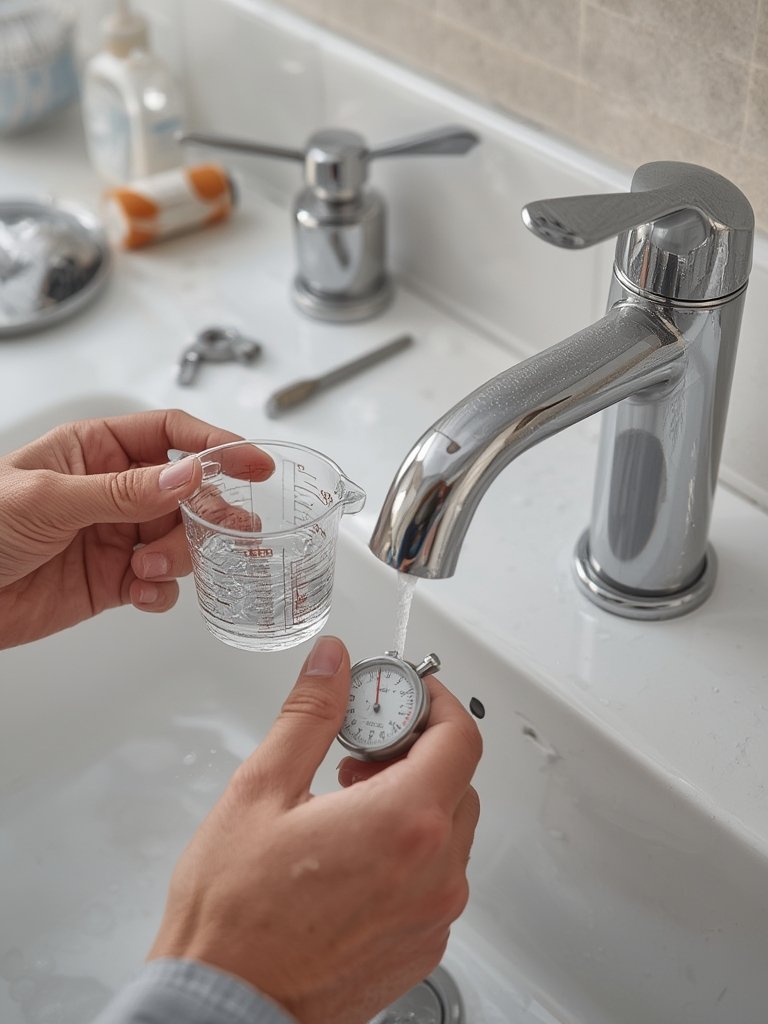
Looking for outdoor savings too? Consider adding a WaterSense-certified irrigation controller. Smart irrigation upgrades can reduce yard watering by up to 30%—explore more with our outdoor living value guide.
Advanced Analysis & Common Pitfalls: What the Research Really Says
The EPA’s recent reports make it clear: WaterSense fixtures deliver consistent water and energy savings for US households and businesses. But what doesn’t get enough attention are the nuances and occasional challenges of these products. Here’s what you should know before committing:
- Performance Differences vs. Standard Products: WaterSense showerheads are capped at 2.0 gallons per minute (gpm), compared to 2.5 gpm for standard units (EPA WaterSense fall 2024 report). While most users report same or better comfort, some may notice a minor drop in spray volume—especially in areas with poor water pressure.
- Upfront Investment and Availability: EPA data does not include price ranges, but anecdotal evidence suggests most WaterSense fixtures are comparably priced to standard products. However, combining multiple upgrades (faucets, toilets, controllers) increases up-front cost—even if payback usually comes within 1–2 years.
- Real-World Complaints and Installation Issues: The EPA reports are largely positive, and user complaints are rare; few installation or maintenance issues are documented for WaterSense products. Longevity and durability data, as well as user-reported problems, aren’t well covered yet in EPA material.
- Missing: Incentives and Rebates: There’s no central EPA rebate program for WaterSense fixtures as of 2024—though some local utilities may offer their own programs. Check your city’s water utility website for extra savings.
- Whole-Home Efficiency Potential: Upgrading all major bathroom fixtures often pays for itself in a year, especially if you also install efficient irrigation controls or integrate with ENERGY STAR appliances—see the success of the zHome project, where families cut daily water use to 41 gallons per person, a fraction of the US average.
- Innovation to Watch: Emerging WaterSense technologies like smart weather-based irrigation controllers and low-waste reverse osmosis (RO) systems provide savings rarely covered in typical remodeling guides. RO systems labeled WaterSense save thousands of gallons annually by slashing wasted water to 2.3 gallons per 1 gallon filtered (EPA WaterSense innovations).
| Feature | WaterSense Fixture | Standard Fixture |
|---|---|---|
| Toilet Flush Volume | 1.28 gpf or less | 1.6–3.5 gpf |
| Showerhead Flow Rate | ≤2.0 gpm (EPA) | 2.5 gpm |
| Faucet Efficiency | 20%+ more efficient | Standard |
| Smart Irrigation Integration | Weather-based/Soil sensor capable | Manual/clock based |
| Reverse Osmosis Waste | 2.3 gal waste/1 gal filtered (EPA) | 5 gal waste/1 gal filtered |
| Average Payback | 1 year | None |
Want to stack savings? If you swap out windows or doors at the same time, check out our window efficiency guide or curb appeal upgrades for full remodel impact.
Conclusion: Should You Switch to WaterSense Fixtures?
WaterSense fixtures are a practical, reliable upgrade for anyone serious about saving water and cutting utility bills—especially if you want to boost the long-term value of your home. The EPA’s data-backed results speak for themselves: big annual savings, rapid ROI, and reduced environmental impact. If you’re remodeling a kitchen, bath, or outdoor space, or simply want lower bills, there’s rarely a downside to going WaterSense. For proven water efficiency, sustainable living, and real budget benefits, make WaterSense your first choice.
Ready to make the switch? Start by evaluating your bathroom and kitchen fixtures, check for WaterSense labels, explore bundled savings in your next remodel project or home efficiency upgrade, and enjoy the peace of mind that comes from smart, sustainable improvements. Save water, save money, and futureproof your home—one WaterSense fixtures upgrade at a time.
FAQ: WaterSense Fixtures Explained
Do WaterSense fixtures really save money?
Yes. According to the EPA, upgrading to WaterSense toilets can save the average family about $130 per year, and WaterSense showerheads add over $70 in combined water and electricity savings annually. Faucets save another $250 over their lifetime.
How do I know a product is WaterSense certified?
Check the product packaging or the fixture itself for the WaterSense label—an identifying mark approved by the EPA. Avoid buying products that only claim “low flow” but do not display official certification.
Are WaterSense fixtures hard to install?
Most WaterSense faucets and showerheads are simple to install with basic tools. Toilets and irrigation controllers might require professional installation, especially if plumbing modifications are necessary. Always shut off water before starting.
Will I get the same performance as standard fixtures?
WaterSense fixtures are third-party tested to meet or exceed performance standards. Most users report no noticeable decrease in comfort, but a slight drop in shower water volume can happen with very low household water pressure.
Can I find rebates for installing WaterSense fixtures?
The EPA does not run a national rebate program for WaterSense products, but some state and local utilities may offer rebates or incentives. Check with your local water provider for current programs.