

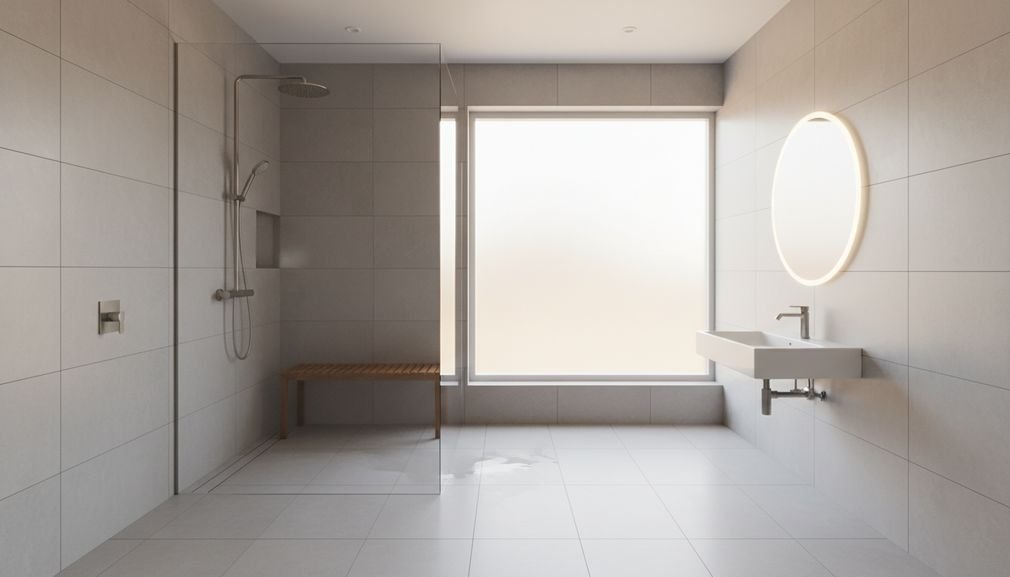
A Zero-Entry Wet Room represents the pinnacle of modern, accessible luxury in bathroom design, but achieving this seamless aesthetic requires a significant investment in specialized materials and expert craftsmanship. Unlike a standard shower installation, creating a true, barrier-free wet room is a complex project where flawless execution is not just a goal, but a structural necessity. This guide breaks down the realistic costs, essential components, and non-negotiable steps to ensure your investment results in a durable, beautiful, and functional space.
Key Takeaways
- Significant Cost Premium: Expect a zero-entry wet room to cost $1,500 to $3,000 more than a traditional curbed shower, primarily due to advanced waterproofing, specialized drainage, and the complex labor required to create a perfect floor slope.
- Specialized Hardware is Non-Negotiable: A successful installation depends on integrated systems like curbless shower kits and linear drains. These components are designed to work together to manage water and create a seamless bathroom floor.
- Professional Installation is Paramount: Labor accounts for 40-60% of the total project cost for a reason. The technical demands of sub-floor preparation, waterproofing, and tile setting for a wet room are beyond the scope of a typical DIY project and require certified professionals.
- Understanding the Investment: Zero-Entry Wet Room Costs in 2024
- Essential Hardware for a Seamless Zero-Entry Experience
- Achieving Universal Design and Long-Term Durability
- The Indispensable Role of Professional Expertise in Wet Room Installation
- Making the Smart Investment: Is a Zero-Entry Wet Room Right for You?
- Frequently Asked Questions
Understanding the Investment: Zero-Entry Wet Room Costs in 2024
Embarking on a wet room project means planning for a higher budget compared to conventional bathroom remodels. The sleek, barrier-free design requires more than just tile and fixtures; it demands a fundamental re-engineering of the floor and comprehensive waterproofing that extends well beyond the shower area. This meticulous preparation is the primary driver of the increased cost.
According to recent industry data, a curbless shower installation typically ranges from $12,000 to $17,000. This is notably higher than the $10,000 to $15,000 price tag for traditional walk-in showers with a curb. The premium, often between $1,500 and $3,000, directly covers the specialized labor and materials needed for a true zero-entry design. Furthermore, experts at Fixr note that a full wet room can cost 20-30% more than a standard bathroom, almost entirely due to the extensive waterproofing preparation required.
Breaking down the budget reveals where the money goes. Labor is the largest expense, accounting for 40-60% of the total cost. This isn’t just about laying tile; it involves skilled plumbers ($125-$200/hr) and expert tile installers ($34-$80/hr) working in concert to create a perfectly sloped, leak-proof foundation. Considering these professional installation costs is the first step in planning a realistic budget for your high-end remodel and exploring various bathroom remodel ideas that can boost your home’s value.
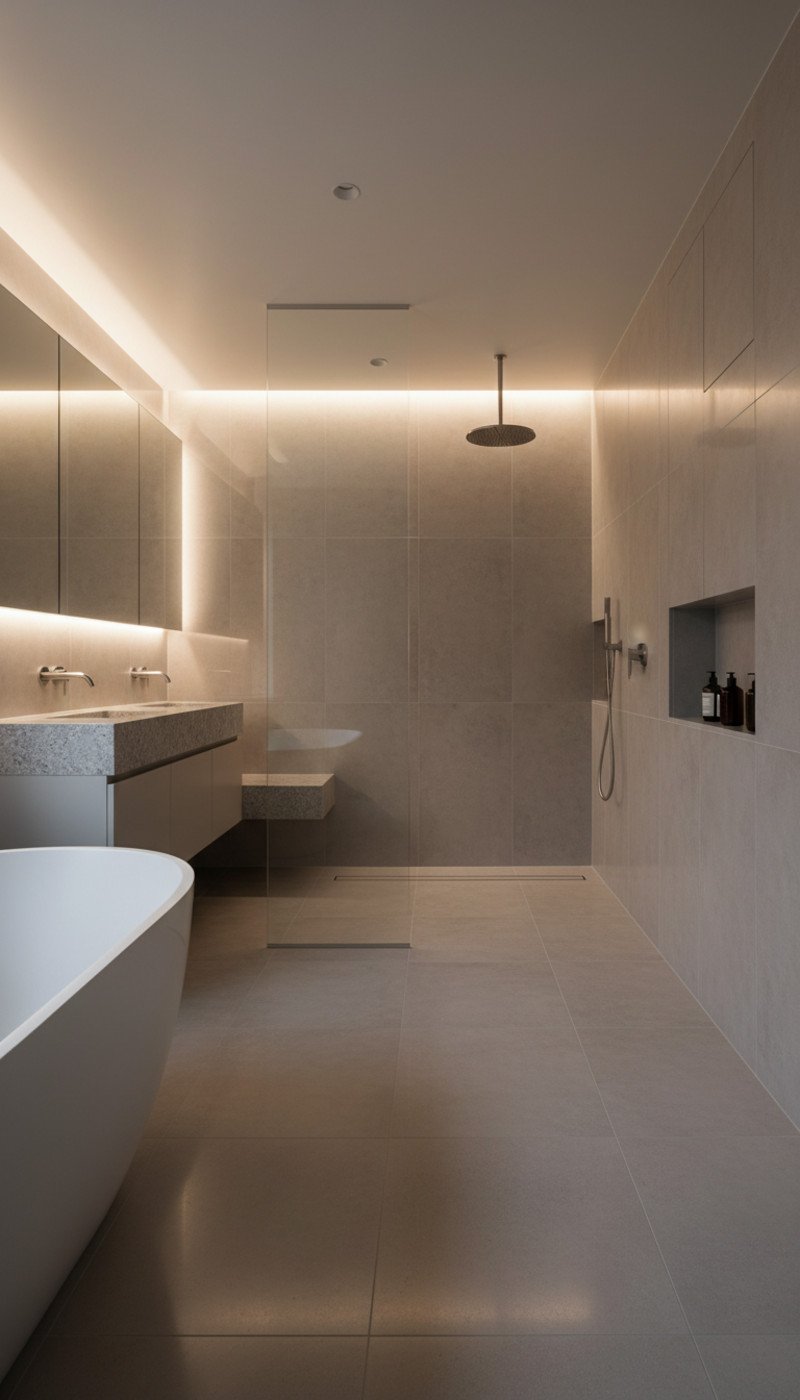
Essential Hardware for a Seamless Zero-Entry Experience
Achieving a flawless, flush transition from your bathroom floor into the shower area is impossible without the right hardware. These integrated systems are engineered to manage water flow, ensure complete waterproofing, and create the signature seamless look of a high-end wet room. Cutting corners on these components is a direct path to catastrophic water damage.
Key Components for Success:
- Curbless Shower Kits: These all-in-one systems are the foundation of a modern wet room. They typically include a pre-sloped shower pan, waterproofing membranes for the floor and walls, and integrated drains. Brands like Schluter and Wedi offer complete kits that ensure all components are designed to work together, eliminating guesswork and reducing the risk of incompatibility issues.
- Linear Drains: Unlike traditional center drains, linear drains allow the floor to be sloped in a single plane. This not only creates a cleaner, more modern aesthetic but also simplifies the installation of large-format tiles, resulting in fewer grout lines and a more seamless bathroom floor. A proper linear drain installation is critical for efficient water evacuation.
- Waterproofing Membranes: In a wet room, waterproofing is not confined to the shower pan. It must extend up the walls and across the entire bathroom floor, creating a completely sealed, tank-like environment. Modern systems use sheet membranes (like Kerdi) or liquid-applied compounds that form an impenetrable barrier against moisture.
The premium you pay for a zero-entry design is an investment in these critical hardware systems. As Noble Renovations points out, this extra cost covers the specialized sloping, advanced waterproofing, and linear drains that differentiate a durable wet room from a standard shower. A proper curbless shower conversion relies entirely on the quality and correct installation of these components.
Achieving Universal Design and Long-Term Durability
A zero-entry wet room is the epitome of universal design, offering accessibility for users of all ages and mobility levels without compromising on style. However, this long-term usability is entirely dependent on the structural integrity and durability of the installation. The two most critical factors are advanced sub-floor preparation and uncompromising waterproofing.
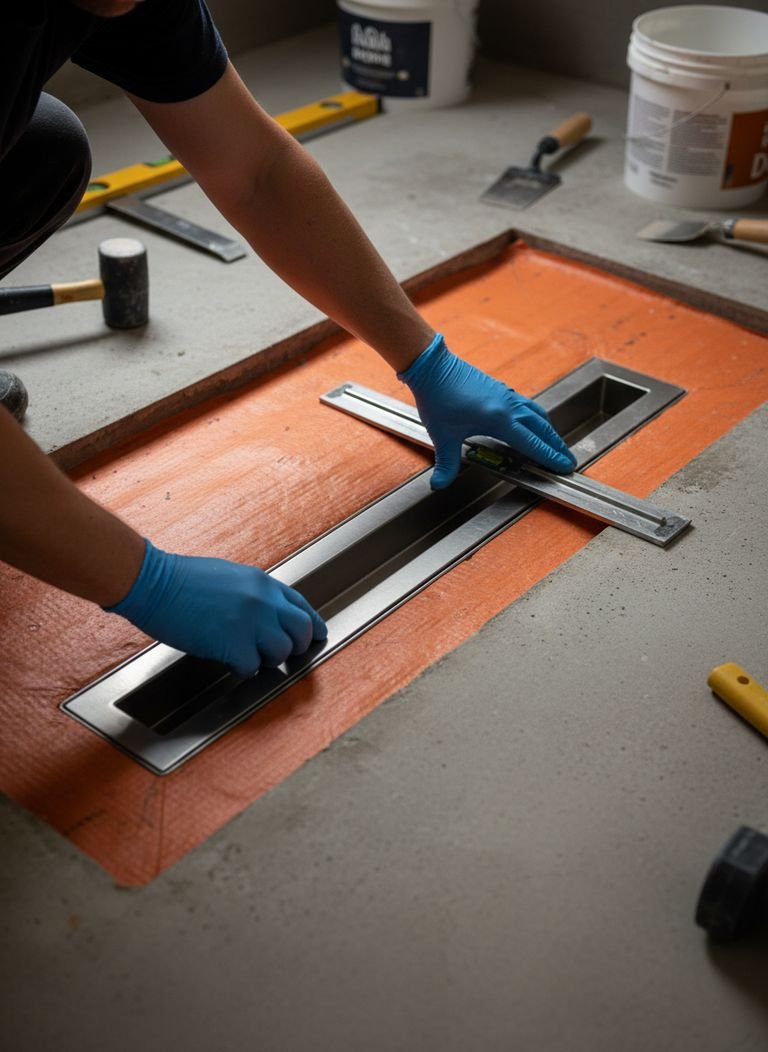
Because the shower floor must be flush with the rest of the bathroom, the sub-floor in the shower area often needs to be recessed. On a wood-frame construction, this can involve modifying the floor joists—a structural task that requires an experienced professional to ensure the home’s integrity is not compromised. On a concrete slab, it involves precisely chipping away concrete to create the necessary depth for the sloped mortar bed and drainage assembly. This advanced sub-floor preparation is complex and is the absolute foundation of a successful project.
Once the sub-floor is prepared, the waterproofing process begins. This is where the 20-30% cost increase for wet rooms truly shows its value. The goal is to create a completely watertight “tank” that contains every drop of water. This involves:
- Applying a continuous waterproofing membrane across the entire floor and up the walls to a specified height.
- Meticulously sealing all seams, corners, and penetrations (like the drain and faucet valves) with specialized sealant and banding.
- Conducting a flood test for 24 hours before any tile is laid to guarantee the membrane is 100% waterproof.
Skimping on this stage to save money is the single biggest mistake a homeowner can make. A small leak can go undetected for years, leading to catastrophic rot, mold, and structural damage. Investing in a robust, professionally installed waterproofing system ensures the long-term durability of your universal design wet area and protects your home. It’s a key component in creating an accessible spa bathroom that is both safe and luxurious.
The Indispensable Role of Professional Expertise in Wet Room Installation
While the allure of a DIY project is strong, a zero-entry wet room is one area where professional installation is non-negotiable. The technical precision required at every step—from structural sub-floor work to achieving a perfect 2% slope for drainage—leaves no room for error. A single mistake in the waterproofing or slope can lead to pooling water, leaks, and costly failures.
The high labor costs, which can constitute up to 60% of the project budget, are a direct reflection of the specialized skills required. You are not just paying for tile setting; you are investing in a certified professional’s understanding of water management, structural engineering, and the intricate installation requirements of modern waterproofing systems. This expertise is critical for navigating the challenges that make a zero-entry installation more complex, including the flush floor requirements, extensive waterproofing, and specialty drainage integration.
When vetting installers, ask for a portfolio specifically showcasing zero-entry wet rooms. Inquire about the waterproofing systems they are certified to install and their process for flood testing. A true professional will be able to explain their methodology for sub-floor preparation and how they guarantee a leak-proof result. This level of diligence is crucial for a project of this magnitude, much like when you seek out expert smart home installation services for complex technology integration.
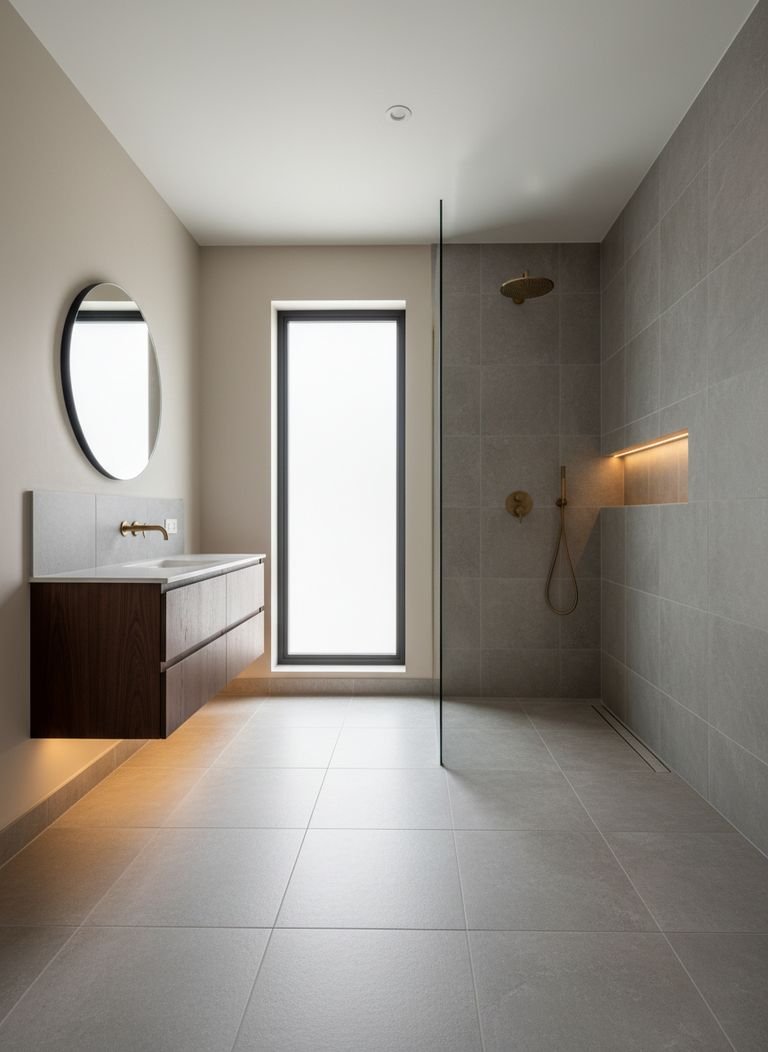
Making the Smart Investment: Is a Zero-Entry Wet Room Right for You?
A high-end wet room is a significant financial commitment. Full remodels can range from $15,000 to $25,000 for smaller bathrooms and can easily exceed $40,000 for mid-sized or larger spaces with luxury finishes. So, is it the right choice for your home?
Consider these factors to make an informed decision:
- Long-Term Goals: Are you planning to age in place? The accessibility of a zero-entry design adds significant long-term value and safety, making it a wise investment for your forever home.
- Property Value: In the high-end market, luxurious and accessible bathrooms are a major selling point. While it’s difficult to quantify an exact ROI, a professionally executed wet room can be a powerful differentiator that enhances marketability and perceived value.
- Budget Realism: You must be prepared for the full investment. Attempting to cut costs on labor or essential waterproofing hardware will almost certainly lead to failure. If the budget is tight, a traditional curbed shower may be a more prudent choice.
Ultimately, a zero-entry wet room is for the discerning homeowner who values superior design, universal accessibility, and long-term durability, and is willing to invest in the professional expertise required to achieve a flawless result. By understanding the costs and prioritizing quality, you can transform your bathroom into a stunning and functional retreat that adds lasting value, a key goal in any major home renovation. When planning, it’s always wise to explore a wide range of kitchen remodel ideas and bathroom concepts to see how they contribute to your home’s overall appeal.
Frequently Asked Questions
What is the main difference between a wet room and a walk-in shower?
A walk-in shower is typically a defined shower area, often with a curb and a glass door or panel. A zero-entry wet room is an open-concept space where the shower floor is flush with the rest of the bathroom floor, and the entire room is waterproofed to handle water spray.
How much more does a zero-entry wet room cost?
A zero-entry wet room typically costs 20-30% more than a traditional bathroom remodel. The premium over a standard curbed shower installation is usually between $1,500 and $3,000, driven by extensive waterproofing, specialized drainage, and more complex labor.
Is a zero-entry wet room a good idea?
Yes, it is an excellent idea for homeowners seeking a luxurious, modern, and accessible bathroom. It adds significant value for aging-in-place and has a high-end appeal. However, its success is entirely dependent on a proper budget for high-quality materials and professional installation.
What is the most critical part of a wet room installation?
Waterproofing is, without question, the most critical element. A 100% complete and flawless waterproof “tank” across the entire floor and up the walls is essential to prevent leaks, mold, and long-term structural damage to your home.
Can you install a zero-entry shower on a wooden subfloor?
Yes, it is possible, but it requires structural modifications. A professional contractor must recess the shower area by altering the floor joists to create the necessary depth for the shower pan and slope, all while maintaining the structural integrity of the floor.