

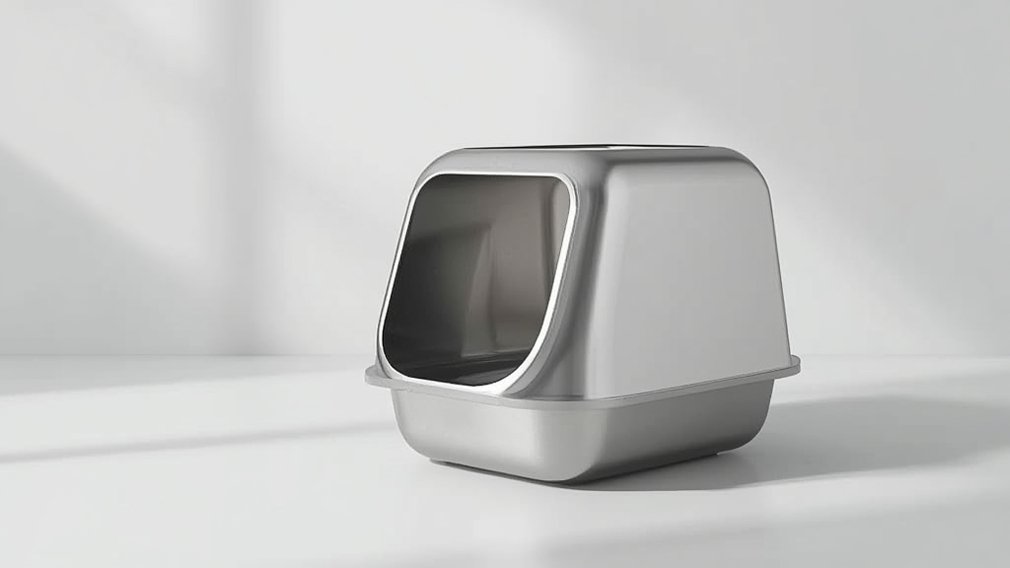
Stainless Steel Cat Litter Box choices are sparking interest among cat owners wanting cleaner, longer lasting solutions for litter box maintenance. But are stainless solutions actually better, and what realistic downsides should you expect in 2024? This guide cuts through the hype with actionable steps, common pitfalls, and real user complaints—so you can make a smart decision for your furry friend and your home.
Key Takeaways
- Stainless steel cat litter boxes can offer better odor resistance and easier cleaning, but real user reviews reveal concerns with fit, safety, and cost.
- Most stainless boxes cost more upfront: durability can pay off, but buyer beware on sharp edges and poor assembly.
- Limited market data and technical specs mean you must scrutinize product quality before switching from plastic alternatives.
- What Is a Stainless Steel Cat Litter Box and Why Consider One?
- How to Choose and Use a Stainless Steel Cat Litter Box: Step-by-Step
- Advanced Analysis and Common Pitfalls Before You Buy
- Conclusion
- FAQ: Stainless Steel Cat Litter Boxes
What Is a Stainless Steel Cat Litter Box and Why Consider One?
Stainless steel cat litter boxes are a new alternative to standard plastic pans. Made from various grades and thicknesses of stainless steel—though rarely specified by manufacturers—these boxes are non-porous, which makes them less likely to absorb odors or discolour over time. The smooth metal surface is also advertised as easier to clean and more resistant to scratches from digging cats. However, actual experience may vary depending on design, price, and build quality.
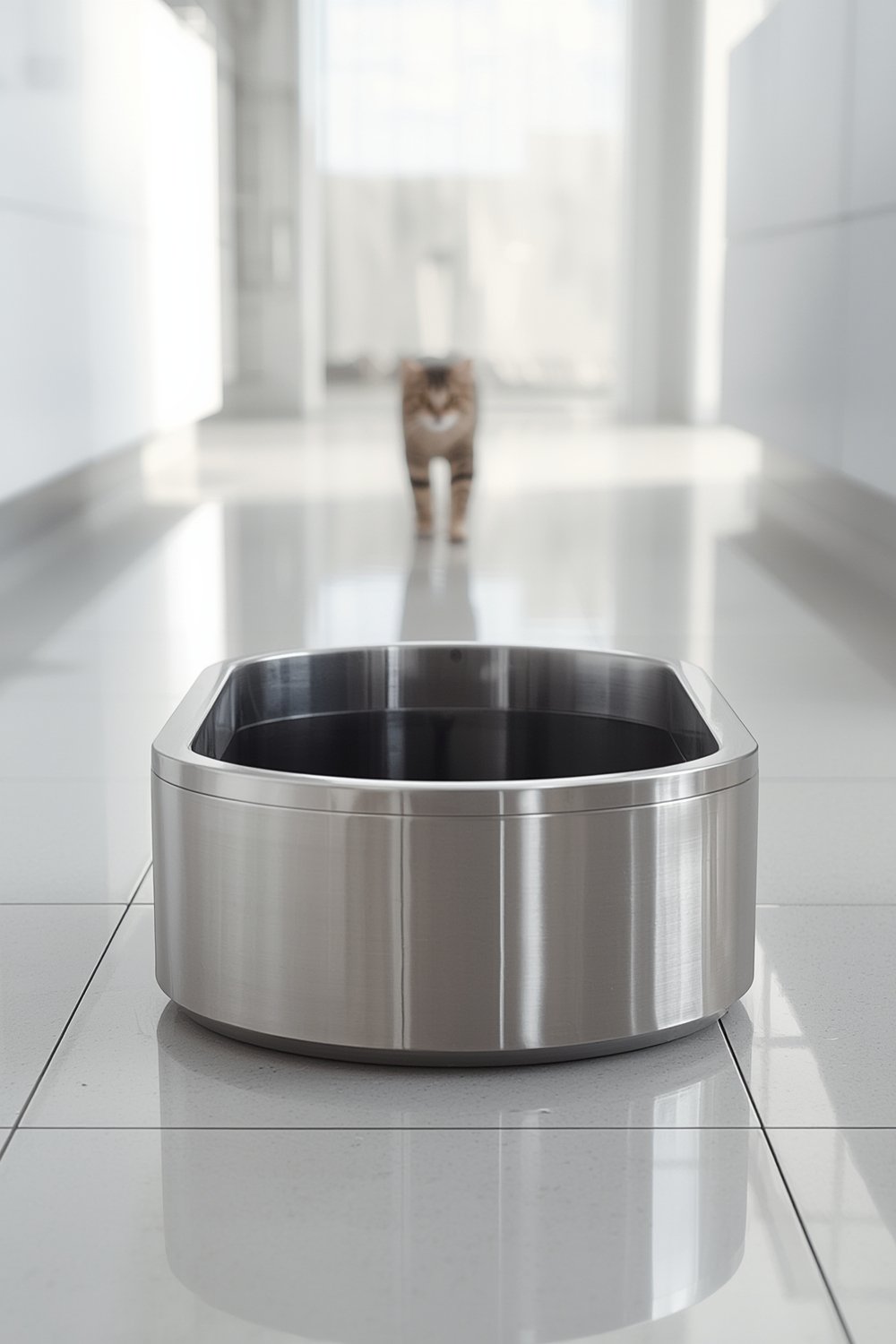
Unlike plastic boxes that can retain scents even after scrubbing, stainless steel options generally resist lingering urine smells. This can be important for those aiming for a healthy pet-ready living environment. If you already take steps to make your home pet-ready, upgrading your litter box could reduce daily odors—while also supporting stricter standards on home cleanliness and pet hygiene.
Another appeal is the claim that steel boxes last longer. Over several years, a well-made option might outlast the typical cycle of cheap plastic replacements. Some models are even sized large enough for more active or bigger cats, which further promises better function than standard plastic trays. But as real users found, not all stainless boxes are created equal—sharp edges, awkward clamps, and poor fit can turn a premium idea into a daily hassle.
So, if you’re choosing between different home improvement options for pet care—such as energy efficient upgrades or looking at smart home fixes like those in this energy efficient upgrades guide—it’s crucial to weigh the pros, the real issues, and whether stainless is worth the extra cost for your cat’s needs.
How to Choose and Use a Stainless Steel Cat Litter Box: Step-by-Step
Making the switch to a stainless steel cat litter box can be straightforward when you follow these practical steps—helping you avoid the most common buyer frustrations.
- Measure Carefully for Fit. Ensure the box is big enough for your cat(s) to turn around and dig freely. Remember high-sided boxes work well for “enthusiastic diggers,” but can be tough for kittens or seniors to step into.
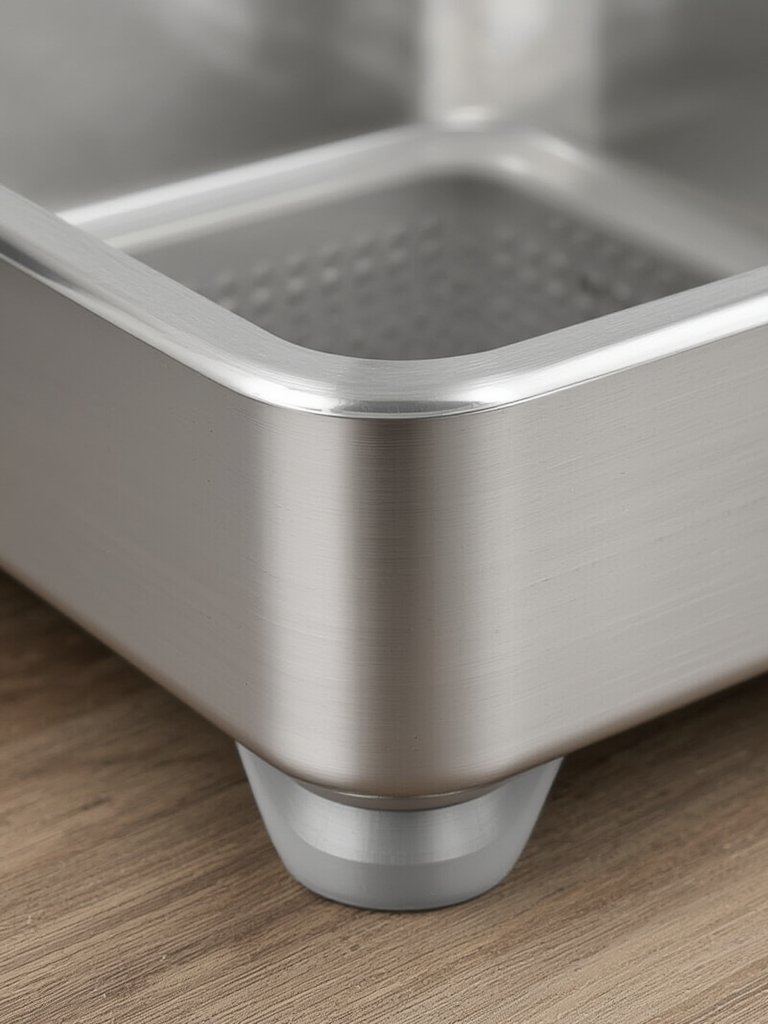
- Prioritize Safety Over Looks. Sharp edges are a known problem in stainless boxes. Physically check for any rough spots on arrival. Sand gently if needed—especially around entry holes and upper ledges where your cat’s paws might catch.
- Test the Assembly Before First Use. If your box has clamps or multi-part components, assemble and disassemble it a few times with gloves on to check for awkward fit and possible leakage points.
- Add Litter and Observe. Start with a small amount of clean litter and let your cat investigate. Monitor for any hesitations due to the increased height or sense of the new material. If your cat refuses it, consider step-stools or ramps, especially helpful for older cats.
- Clean Frequently and Examine for Issues. Stainless steel’s main advantage is odor control and easy cleaning—but only if you wipe down seams and clean any areas where urine could crystalize. Don’t let waste solidify around connection points, as these can quickly trap smells.
For multi-cat households, or for cats with past injuries or sensitivities, consult your vet or ask at your local pet store for sample sizes or returns policy advice. If you live in a small space, make sure the box won’t become a tripping hazard—see this small space guide for more small-home tips.
If you want to compare home upgrades for pets—like AI smart enrichment toys or recent innovations in pet enrichment—think about lasting value and day-to-day friction. A safe, durable box is more important than a trendy stainless finish.
Advanced Analysis and Common Pitfalls Before You Buy
The reality is, a stainless steel cat litter box is not a magic bullet. Real users report three biggest complaints:
- Poor fit between components causes urine leaks: Box seams and clamps often don’t fit flat, resulting in messes around the box or under the floor mat. Source 1, Source 2
- Sharp edges and dangerous designs: Some models have ledges, cutouts, or perforated paw prints that trap claws—leading to veterinary emergencies. Source 1
- High cost for questionable quality: Several reviewers note boxes feel “flimsy,” “not cheap,” and that the price point doesn’t match the product’s finish or ruggedness. Source 3
In fact, actual technical specs—like steel grade or anti-corrosive treatments—are almost never disclosed. One reviewer describes “very thin and flimsy” material, undermining the durability claims of many products (Source 2).
| Feature | Stainless Steel (Typical User Experience) |
Plastic | Ceramic |
|---|---|---|---|
| Odor Resistance | Good if seams fit; metal doesn’t absorb | Poor; traps urine/scratches | Excellent but rare, heavy |
| Durability | Years, unless “flimsy” build | 6-24 months average | Years, but risks breaking if dropped |
| Cat Safety | Problematic sharp edges reported | No edge issues, but can scratch | No sharp edges; heavy entry |
| Price Range | $40–$120+ | $10–$35 | $80–$200+ |
| Cleaning Ease | Excellent if corners tidy; joints trap debris | Easy, but retains odors/stains | Easy but risk of breakage |
For extra assurance on household hygiene, check out this healthy pet–friendly home guide for tips on maintaining clean, odor-free living spaces.
Many reviewers note that high-sided models work well for dig-happy cats and reduce scatter, but the high entry may frustrate kittens or aging pets (Source 2). Sizes, weights, and non-slip features are rarely specified, highlighting the need to check each model’s actual measurements if you have multiple cats or cats with different ages.
Long-term, expect upfront costs to be higher—yet without market research or verified three-year cost analysis, you’re gambling the box will last longer than several rounds of plastic. Retailers and blogs agree: these boxes are “on the higher end price wise,” and prices may feel steep if corners are cut on quality or usability. More here.
Conclusion
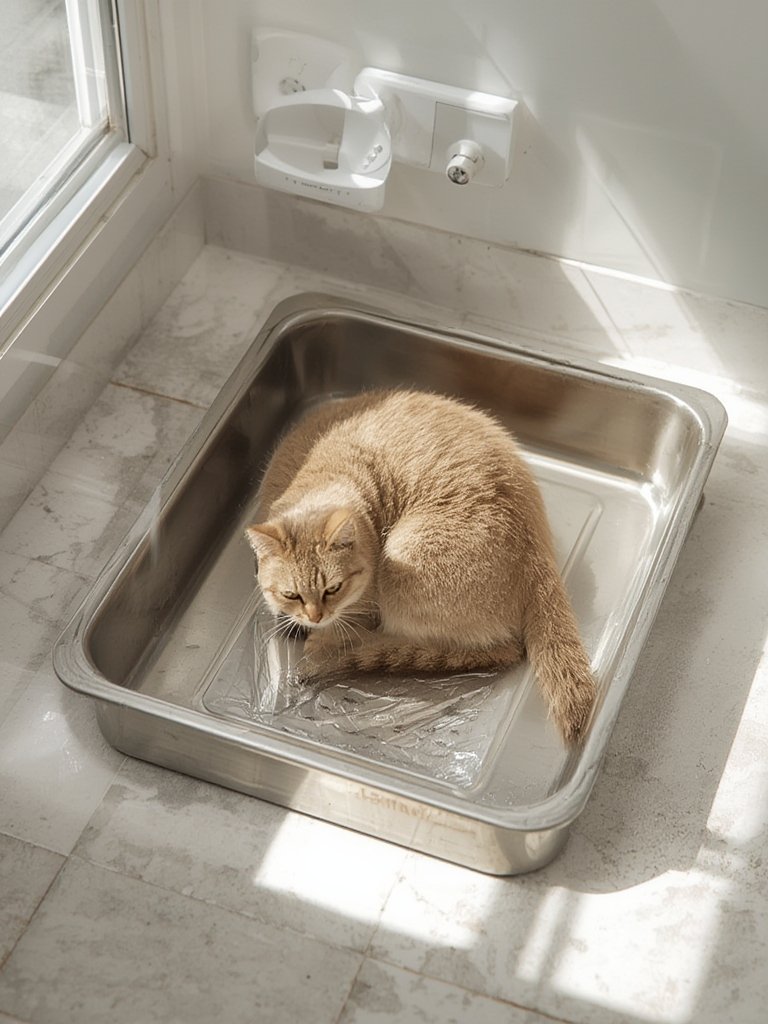
Stainless steel cat litter boxes offer real advantages in odor control and cleaning, especially if you care about pet-friendly living and minimizing home maintenance. Unfortunately, buyer beware is still the rule: sharp edges, poor fit, and premium pricing can turn a promising buy into a disappointment. Since actual technical specs and performance testing are lacking, do your homework and consider all user complaints—and make sure any brand you choose offers hassle-free returns.
For those invested in a healthy, pet-ready home, and interested in maximizing home value with upgrades like smart window blinds or energy efficient renovations, weigh your priorities. A stainless steel cat litter box is not the perfect fit for everyone, but it can be a smart step if you pick a safe, high-quality model. Ready to upgrade your litter routine? Check trusted reviews, compare models, and demand quality for peace of mind—for you and your cat.
FAQ: Stainless Steel Cat Litter Boxes
Are stainless steel litter boxes truly odor-proof?
No litter box is 100% odor-proof, but stainless steel resists urine absorption and staining better than plastic—reducing lingering smells if cleaned regularly.
Can kittens and seniors use stainless steel boxes?
Some high-sided models are difficult for small kittens or arthritic senior cats to step over. Choose designs with low entry points or ramps for easier access.
How long do stainless steel cat litter boxes usually last?
With gentle use and proper care, most will last several years—unless built from very thin material or poorly welded components, which can warp or rust over time.
How should I clean a stainless steel litter box?
Wash regularly with mild detergent, rinse thoroughly, and dry to prevent discoloration. Avoid harsh abrasive cleaners and scrub seams where residue can build up.
Are they worth the higher price compared to plastic?
If the box is well designed and built to last, potentially yes—especially for homes sensitive to odors or where replacing plastic boxes often adds up in cost. Always verify user reviews and return policies first.