

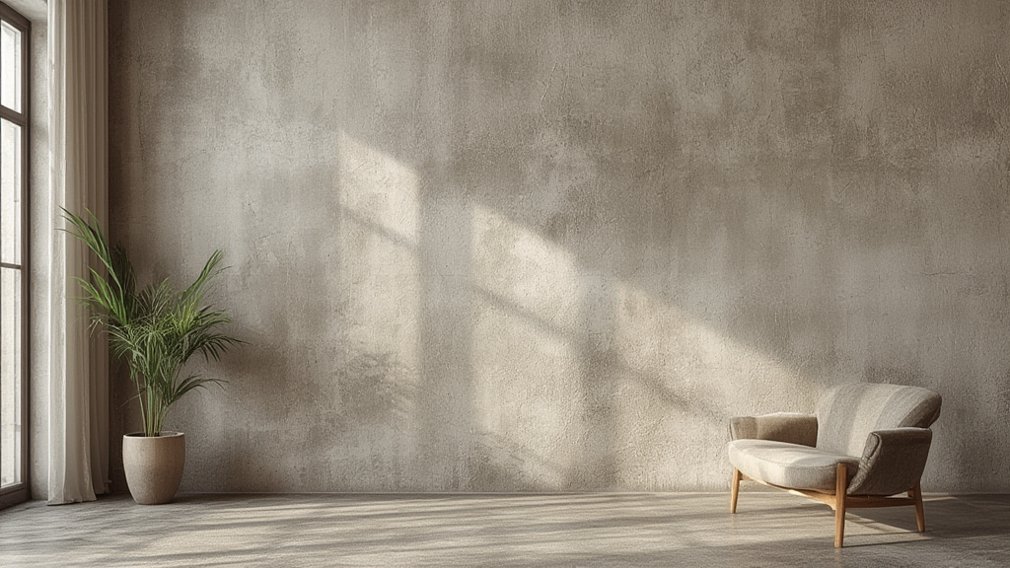
Limewash Textured Walls are taking center stage in sophisticated interiors, offering a tactile, elevated finish that rivals conventional paint. Designers and homeowners turn to limewash for its natural texture, eco-friendly benefits, and timeless appeal.
Key Takeaways
- Limewash textured walls create depth and a custom, high-end look while supporting healthy interiors.
- The application requires careful steps and can be less forgiving than traditional paint, with significant impact from prep work and wall surface quality.
- Costs and durability outperform many trendy finishes, yet realistic longevity and maintenance factors must be considered.
- The Core Concept: Why Choose Limewash Textured Walls?
- Step-by-Step Guide: Achieving Beautiful Limewash Texture
- Advanced Analysis & Common Pitfalls
- Conclusion
- FAQ
The Core Concept: Why Choose Limewash Textured Walls?
Limewash textured walls merge old-world charm with cutting-edge sustainability. At its core, limewash is a mineral-based finish made from slaked lime and natural pigments. This material diffuses light across subtle, varied textures for a layered effect you cannot achieve with standard paint or wallpaper.
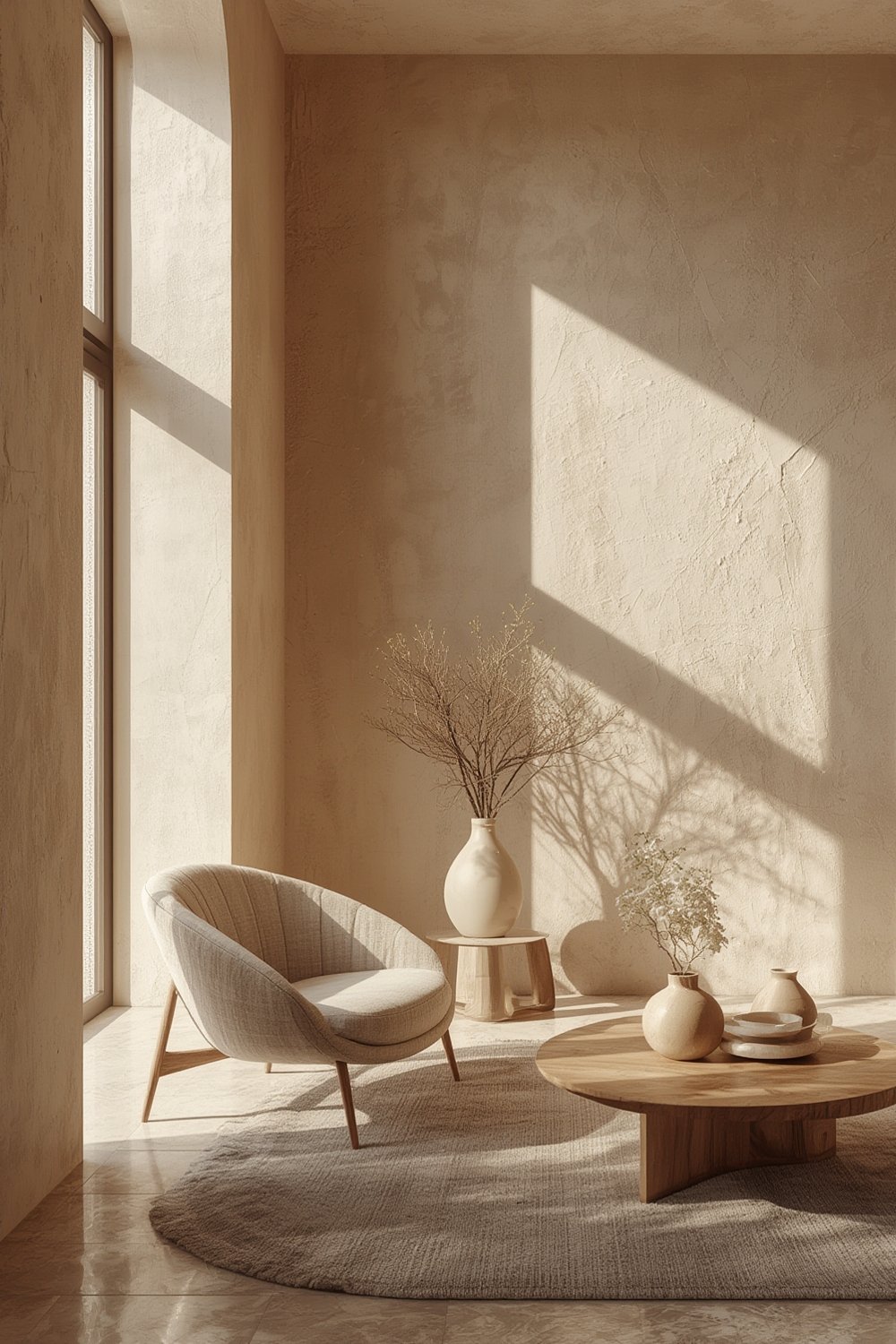
What sets limewash apart is its breathability and eco-profile. Unlike synthetic coatings, limewash allows moisture to escape, reducing mold risk and helping to preserve masonry and drywall. It is biodegradable, free from VOCs and toxins, and even helps sequester carbon during the curing process, supporting greener construction practices (source).
Architects targeting high-end residential and boutique commercial settings now prefer limewash and microcement plasters for their organic, tactile look, with the global market for lime plasters hitting $46.2B in 2024 and microcement coatings rapidly climbing (source). If you’re planning a kitchen remodel or want sustainable, low-maintenance walls in your bathroom, limewash is worth your attention.
This finish helps create a home that’s as healthy as it is beautiful—a perfect match for anyone interested in sustainable upgrades or healthy living spaces.
Step-by-Step Guide: Achieving Beautiful Limewash Texture
Applying limewash is more art than science, but with careful prep and the right steps, you’ll achieve a wall finish that feels bespoke. Here’s a practical guide:
- Surface Preparation: Start with bare plaster, masonry, or unsealed drywall. Avoid glossy, painted, or water-repellent base layers—limewash needs porous surfaces to bond properly. For previously painted or sealed walls, sand to dull the surface or consider a mineral primer compatible with lime coatings.
- Priming (if needed): For drywall or non-masonry, use a dedicated mineral or lime-compatible primer to promote adhesion and breathability. Allow to dry thoroughly.
- Mixing Limewash: Follow the ratio recommended on your product (typically 1 part lime paste to 2-3 parts water, pigment as desired). Whisk mixture until smooth. Let it rest for at least 24 hours to “sugar” properly—this helps it cure more evenly.
- First Coat Application: Dampen the wall section to be coated with a clean sponge. Using a wide masonry brush, apply the first thin coat using random, overlapping strokes.
- Drying: Let the base coat dry for 8-24 hours, depending on humidity and temperature.
- Additional Coats: Repeat dampening and brush on a second coat (sometimes a third), varying your stroke pattern for a natural, tactile finish. Let each coat dry before reapplying.
- Final Curing: Allow the wall to cure for several days in a well-ventilated area. Limewash continues to strengthen and lighten slightly over 1-2 weeks as it carbonates.
- Optional Protection: For high-traffic/wet zones, apply a breathable sealer suitable for lime surfaces—but beware, many sealers can darken or gloss the wall, so always test first.
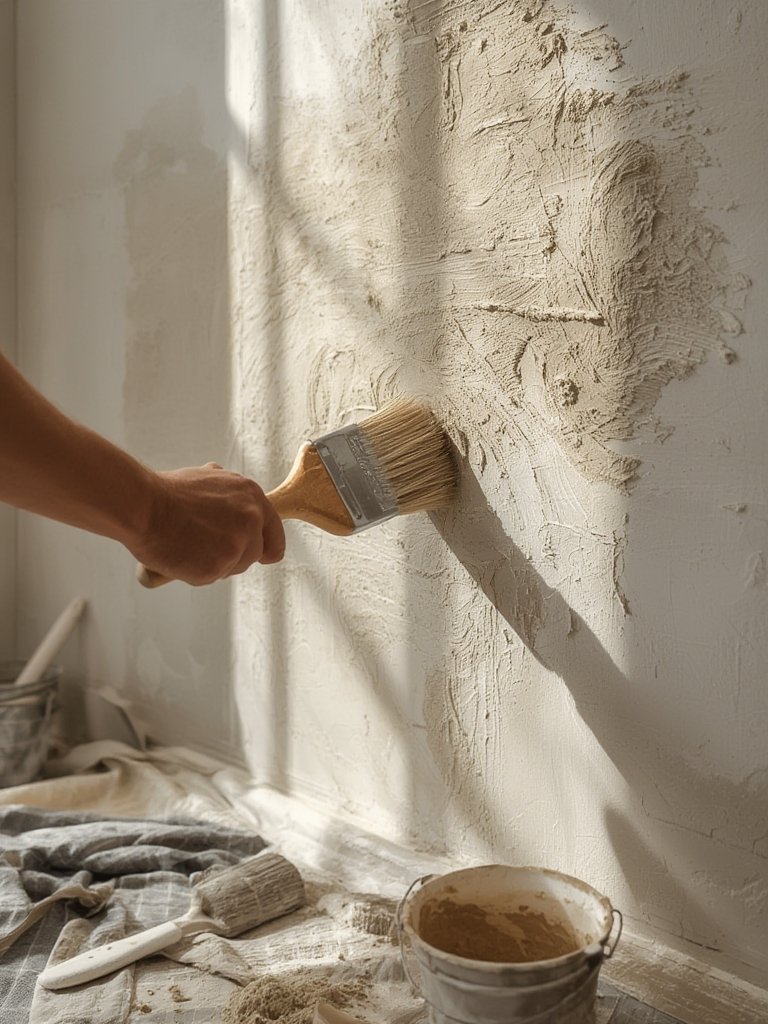
This project fits seamlessly into a well-planned home improvement strategy, especially if you’re combining furniture upgrades or eco-friendly decor choices.
Advanced Analysis & Common Pitfalls
Limewash promises lasting sophistication, but real success demands practical awareness of possible challenges. Here’s what most articles don’t tell you:
- Wall Texture Matters: Imperfections, old wallpaper traces, or greasy spots will ruin the natural depth. Skim-coat or patch as needed for the best foundation.
- Prep Time Is Real: Rushing surface prep, skipping priming, or failing to sand glossy paint leads to peeling and patchiness.
- Color Shifts and Variation: Limewash dries much lighter than wet, and mineral pigments shift unpredictably—always allow a test patch to fully cure.
- Moisture Sensitivity: While breathable, limewash can mark or powder if exposed to standing water in bathrooms or kitchens unless sealed. Choose microcement or an alternative “wet area” finish if this is a concern (source).
- Professional vs. DIY Results: DIY kits require practice. Uneven application is common for first-timers. Professional application costs more initially but ensures even, durable coverage on high-visibility surfaces.
- Long-Term Durability: While lime plasters and microcement are built for longevity, specific lifespan data and maintenance protocols from manufacturers are rarely provided. Re-touching may be needed every few years depending on wear and humidity (source).
| Finish Type | Breathability | DIY-Friendly | Estimated Upfront Cost | Durability | Eco Profile |
|---|---|---|---|---|---|
| Limewash Textured Walls | Excellent | Medium | Moderate | High (site-dependent) | Natural, non-toxic, carbon sequestering |
| Microcement Finish | Good (less than limewash) | Low | High | Very High | Low VOC, sustainable, durable |
| Conventional Paint | Poor | High | Low | Low-Medium | Synthetic, may emit VOCs |
| Wallpaper | Minimal | Medium | Medium | Variable | Varies from synthetic to some eco options |
For more tips on how to maximize your decor’s lifespan and value, check out our advice on color-drenching walls and layered design trends.
Conclusion
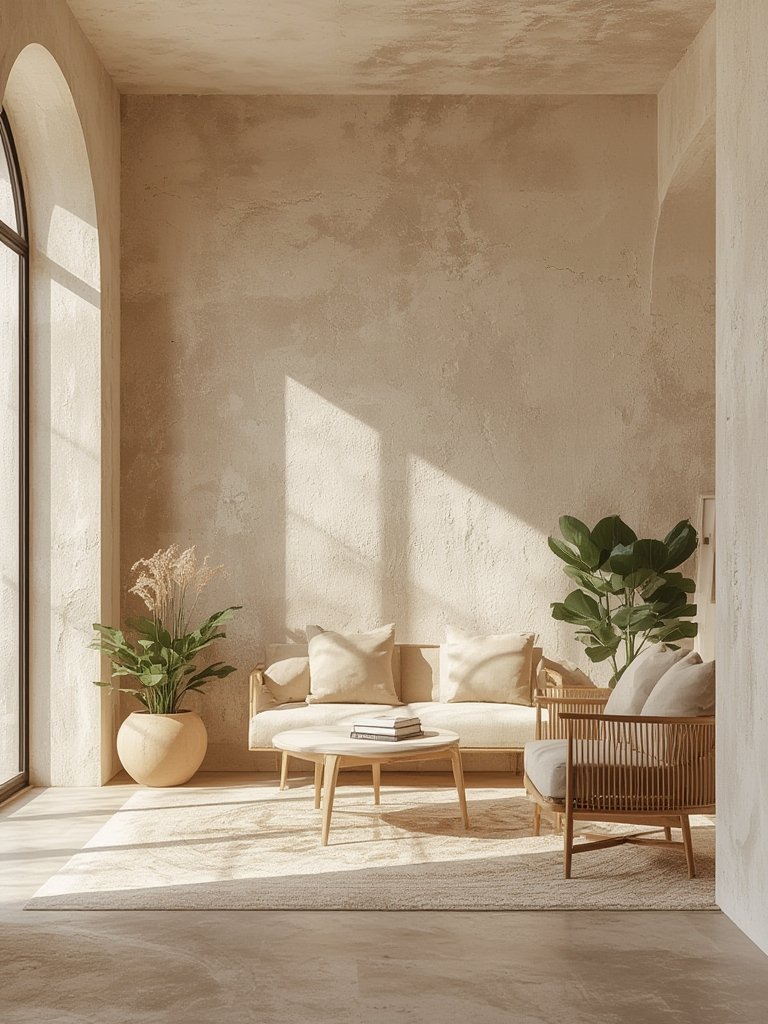
Limewash textured walls are a proven, future-focused upgrade for homes wanting visual interest, healthier air, and sustainable finishes. The key is respecting the prep, understanding your surface, and planning for realistic maintenance. Whether you’re drawn by beauty or performance, limewash textured walls are an investment that pays off in daily living quality as well as long-term style.
Ready to transform your home? Follow this guide, or consult with pros for truly standout results.
FAQ
Do limewash textured walls work on drywall?
Yes, but the drywall must be unsealed or primed with a mineral-compatible base for good adhesion. Painted drywall will need sanding or priming, otherwise the limewash may not stick properly.
How do I fix blotches or streaks in my limewash finish?
Most streaks occur due to uneven application or uneven drying. Let the first coat cure, lightly dampen the wall, and apply another thin, overlapping coat to blend out irregularities.
Is limewash safe for allergy sufferers and pets?
Generally yes. Limewash contains no toxic VOCs, is hypoallergenic, and is a good option for pet-friendly homes. Always check pigment sources for sensitivities.
How long do limewash textured walls last?
With correct prep and a suitable base, limewash lasts for years. High-traffic areas might need retouching or a mineral sealer to extend life—be aware that maintenance schedules vary by humidity and use patterns.
Can I use limewash in bathrooms or kitchens?
Limewash is breathable but less water-resistant than microcement or tile. For wet zones, a suitable sealer or switching to microcement (especially around sinks or showers) is a smarter choice.