

Artisan Handmade Furniture: The Ultimate Buyer’s Guide
Investing in artisan handmade furniture is more than a purchase; it’s a commitment to quality, longevity, and a unique story. Unlike mass produced items, these pieces are built to become heirlooms. But for discerning buyers, navigating the market can be challenging. This guide demystifies the technical details, cost factors, and verification methods you need to make a confident and informed investment in authentic, high quality craftsmanship.
Key Takeaways
- True quality in handcrafted furniture is defined by technical specifications like kiln dried wood (6-8% moisture content), durable joinery (e.g., mortise and tenon), and low VOC finishes, not just aesthetics.
- The cost of a custom piece is driven by wood species (walnut costs more than oak), design complexity, labor hours, and the artisan’s reputation. Expect a high quality dining table to start around $4,000.
- Verify an artisan’s authenticity online by asking specific questions about their process, requesting progress photos, and using reverse image search to check for copied portfolio pictures.
- The Resurgence of Artisan Handmade Furniture: Why Premium Pieces Are Thriving
- Beyond Aesthetics: What Defines Truly High Quality Handcrafted Wood Furniture?
- Unpacking the Investment: Factors Influencing Custom Handmade Table Costs
- Navigating the Market: How to Verify Authenticity and Craftsmanship of Artisan Brands
- Conclusion: Investing in a Legacy
- Frequently Asked Questions
The Resurgence of Artisan Handmade Furniture: Why Premium Pieces Are Thriving
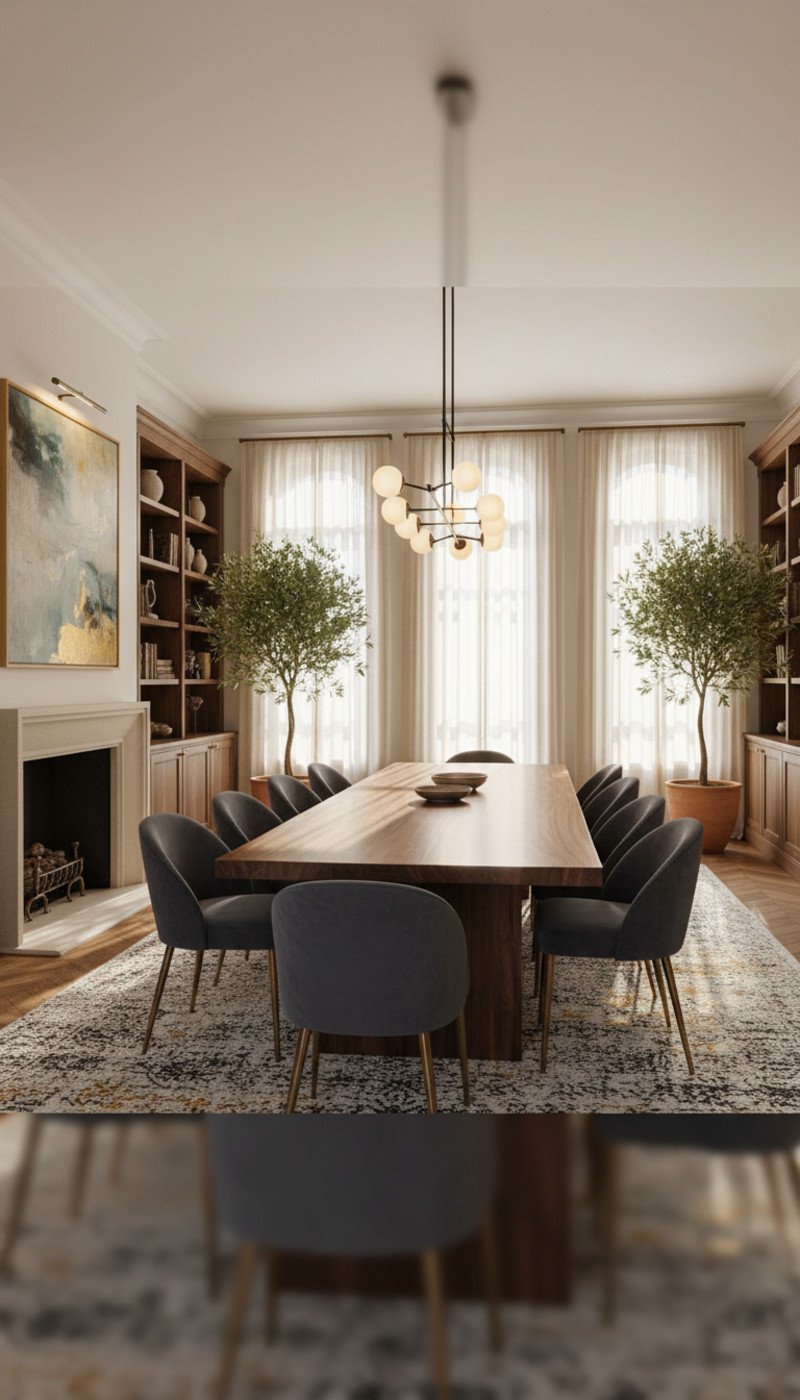
In a world of fast furniture, a powerful counter movement is gaining momentum. Discerning consumers are increasingly seeking out unique, sustainable, and premium artisan handmade furniture that tells a story. This demand is not just about aesthetics; it’s a conscious choice to invest in pieces with character, durability, and a connection to the maker. The market reflects this shift, with the global wooden furniture sector, including custom pieces, projected to grow to USD 663.6 billion by 2035, according to industry analysis. This growth is largely driven by a desire for sustainable eco furniture and one of a kind unique wood furniture that stands in stark contrast to the disposable culture of mass production.
Beyond Aesthetics: What Defines Truly High Quality Handcrafted Wood Furniture?
A beautiful design can hide poor construction. To identify genuine quality wood furniture, you must look beyond the surface. True craftsmanship is revealed in the technical details that ensure a piece will last for generations, not just a few years. These are the critical specifications that separate an heirloom from a liability.
Wood Moisture Content: The Unseen Foundation
The single most important factor for longevity is stable wood. Professional artisans use wood that has been properly kiln dried to a moisture content (MC) of 6–8% for indoor furniture. This precise drying process prevents the wood from warping, cracking, or splitting as it adjusts to your home’s climate. Wood that is too wet or too dry will inevitably move and fail over time. Always ask a maker about their wood’s moisture content.
Durable Joinery: The Skeleton of Strength
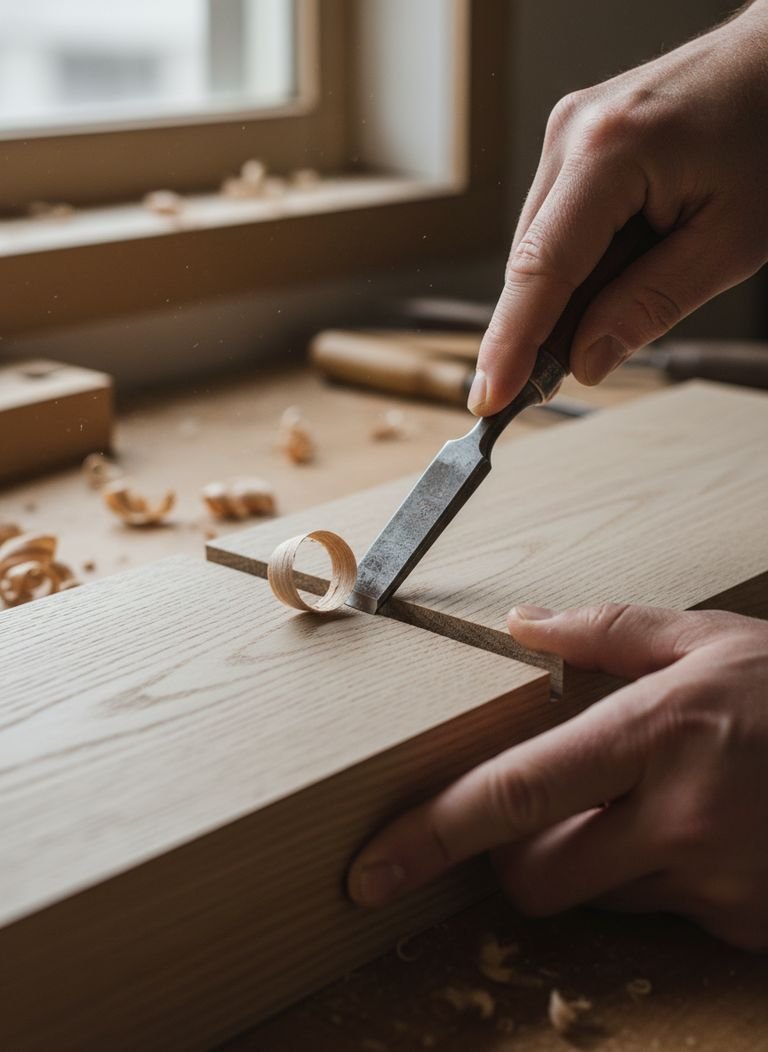
How a piece is held together is a clear indicator of its quality. Inferior furniture often relies on screws, staples, and glue blocks. True handcrafted wood furniture uses time tested joinery techniques that create mechanical strength.
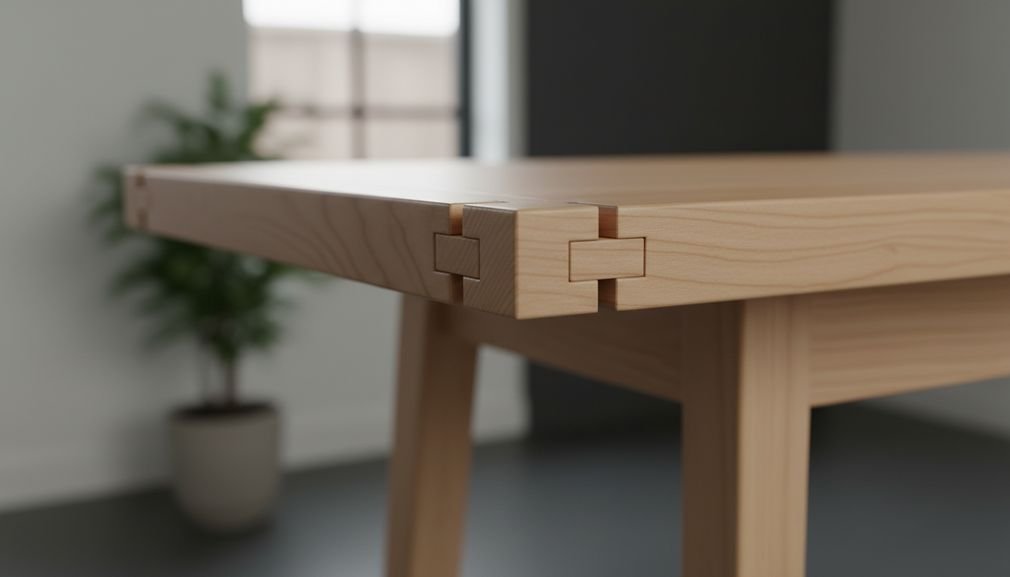
- Mortise and Tenon: This is the gold standard for joining pieces at a 90 degree angle, like a table leg to its apron. A projecting tenon fits tightly into a mortise (a hole), creating an incredibly strong and durable joint.
- Dovetail Joints: Easily recognized by their interlocking “pins” and “tails,” dovetails are used for constructing drawers and case goods. They provide exceptional tensile strength, resisting being pulled apart.
These methods require immense skill and time but result in durable joinery that will not loosen or fail with use. The aestehtics of joinery also play into modern dark wood furniture trends, where the craftsmanship is part of the visual appeal.
Material and Finish Certifications
A commitment to quality often extends to sustainability. Many consumers now seek out makers who use certified materials. Research shows that FSC certification is a priority for over 40% of buyers seeking sustainable wood. Additionally, inquire about the finish. High quality artisans often use low VOC (Volatile Organic Compound) finishes like hardwax oils, which are healthier for your home environment and easier to repair than thick polyurethane coatings.
Unpacking the Investment: Factors Influencing Custom Handmade Table Costs
The price tag on a custom handmade table can seem high without context. Unlike factory-made items, the artisan furniture cost is a direct reflection of superior materials, intensive labor, and master level skill. Understanding the breakdown demystifies the price and highlights the value you receive.
| Cost Factor | Description | Impact on Final Price |
|---|---|---|
| Wood Species | The raw material cost varies significantly. Domestically sourced pine or poplar is less expensive than hardwoods like white oak or cherry. Premium woods like Black Walnut or imported exotics are the most expensive. | High |
| Design Complexity | A simple, straight-legged Parsons table requires far fewer hours than a table with a complex, curved trestle base or intricate inlays. The more complex the design, the more labor is involved. | High |
| Size and Thickness | A larger table requires more wood. A thicker tabletop (e.g., 8/4 or 2 inches) costs significantly more than a standard 4/4 (1 inch) top, both in material and in the labor to flatten and finish it. | Medium |
| Joinery & Construction | Pieces built with precise, hand-cut mortise and tenon or dovetail joints take many more hours of skilled labor than those assembled with screws or pocket holes. | High |
| Finish Type | A simple polyurethane finish is less labor-intensive than a multi-coat, hand-rubbed oil or lacquer finish, which requires extensive sanding between coats to achieve a flawless surface. | Medium |
| Artisan’s Reputation | An established maker with a long portfolio and high demand will command a higher price for their time and expertise, similar to any other professional artist. | Medium to High |
Given these factors, a high quality, 8 foot custom handmade table in a domestic hardwood like White Oak can realistically range from $5,000 to $15,000+. A similar piece in a premium wood like walnut living room furniture could be 30-50% more. While this is a significant investment, the piece is designed to last a lifetime, unlike a mass produced table that may need replacing every 5-10 years.
Navigating the Market: How to Verify Authenticity and Craftsmanship of Artisan Brands
When you’re ready to invest in custom unique wood furniture, especially online, doing your due diligence is crucial. The term “handmade” is often misused. True artisan furniture brands are transparent and eager to share the details of their craft. Here’s how to verify craftsmanship and avoid disappointment.
Key Questions to Ask Before Commissioning a Piece
A genuine craftsperson will welcome detailed questions. Their answers will reveal their expertise and passion. Don’t be shy about getting technical.
- “Can you walk me through the joinery you plan to use for the table legs and drawer construction?” Look for answers that include “mortise and tenon,” “dovetails,” or other traditional techniques. If they are vague or just say “screws and glue,” be cautious.
- “What is the moisture content of the wood you use, and how is it acclimated to your shop?” This shows you understand the importance of wood stability. A pro will have a clear answer about their drying and storage process.
- “Could you provide photos of a similar piece in progress?” This helps verify they are the actual maker and shows you the ‘bones’ of their work before it’s finished.
- “What specific finish do you use, and what is the required long term care?” This helps you understand the durability and maintenance needs. A professional will provide clear instructions.
- “What is your policy on repairs or warranties if an issue like a joint failure arises?” Reputable makers stand behind their work. While wood movement isn’t always covered, structural failures often are.
When exploring options, don’t be afraid to design custom furniture online using an artisan’s tools, but always follow up with these verification questions before placing an order. A true artisan will appreciate your informed approach.
Conclusion: Investing in a Legacy
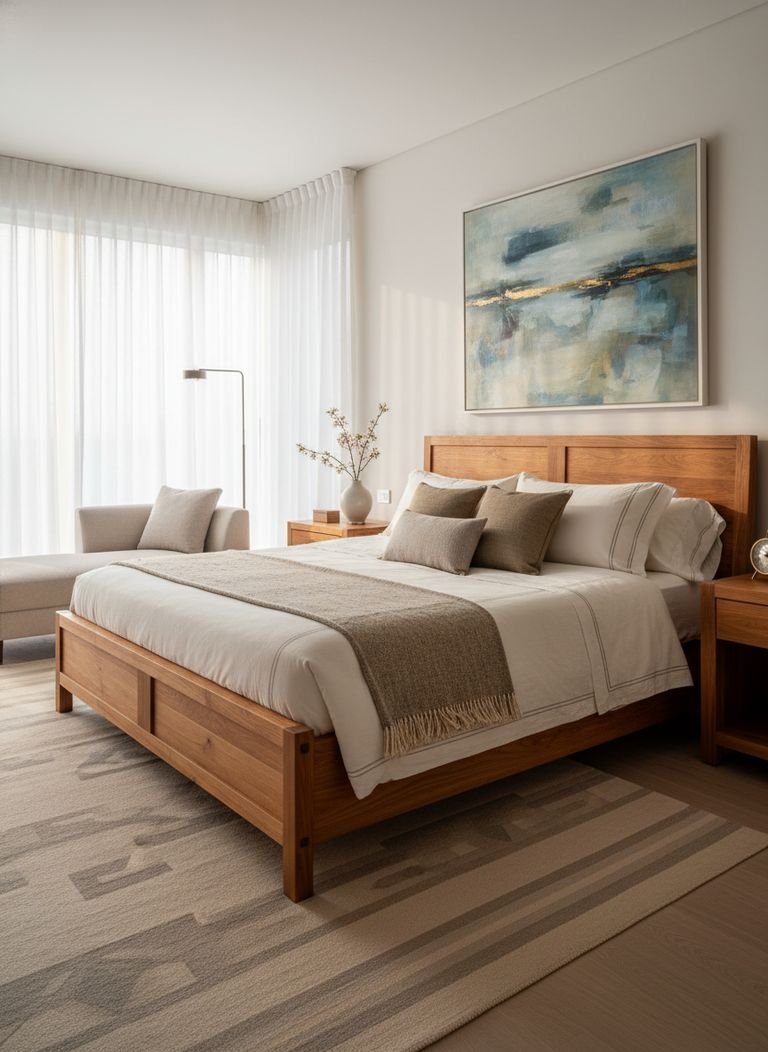
Choosing to purchase artisan handmade furniture is an investment in lasting quality, individual character, and sustainable practices. By moving beyond surface level aesthetics and learning to identify the technical markers of true craftsmanship—from wood stability and joinery to finishing techniques—you empower yourself to make a wise decision. By asking detailed questions and verifying the authenticity of the maker, you can confidently commission a piece that will not only serve your home beautifully but will also become a cherished heirloom for future generations. The value of true artisan handmade furniture is measured not in years, but in lifetimes.
Frequently Asked Questions
How long should I expect to wait for custom handmade furniture?
Lead times can vary significantly based on the artisan’s backlog and the complexity of the piece. A typical timeframe is between 8 to 16 weeks. Always confirm the estimated completion date before making a deposit.
Is artisan handmade furniture more durable than high end store bought furniture?
Generally, yes. True artisan furniture uses superior materials like solid hardwoods and time tested joinery techniques (mortise and tenon, dovetails) that are far stronger and more durable than the veneers, particleboard, and simple screw construction often found even in high end retail furniture.
What’s the difference between “solid wood” and “all wood” furniture?
“Solid wood” means the entire piece is constructed from solid planks of wood. “All wood” or “real wood” can be a misleading term used to describe furniture made from lower quality materials like particleboard or MDF but covered in a thin layer of wood veneer. Always ask for clarification.
Is artisan furniture a good financial investment?
While it shouldn’t be treated like a stock, well made artisan furniture holds its value far better than mass produced items and can often appreciate over time, especially if the maker becomes more renowned. Its primary value is in its longevity and utility, saving you the cost of replacing cheaper furniture every few years.