

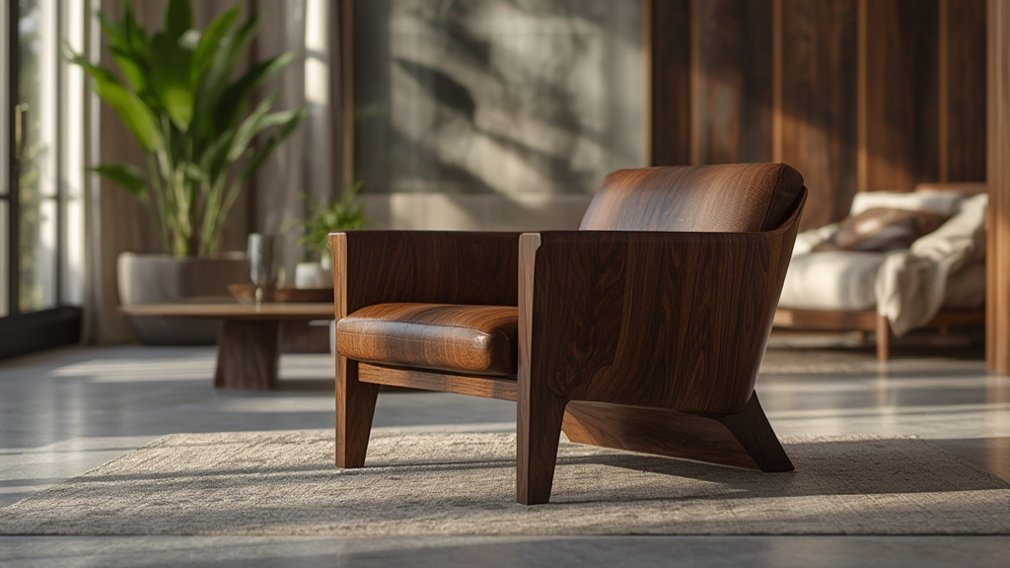
Dark wood furniture trends are taking the design world by storm in 2024, driven by rising demand for sustainable, customizable options and a return to rich, timeless aesthetics. If you’re considering an upgrade or want to make sense of the latest market shifts, this guide will help you understand what’s hot, what to watch for, and exactly how to get it right.
Key Takeaways
- Dark wood furniture—especially walnut—remains highly desirable, powered by sustainability concerns and increased customization.
- Practical maintenance, sourcing environmental credentials, and understanding pitfalls are key for buyers aiming for durability and real value.
- Smart planning helps you avoid cost overruns and regrets, especially when mixing vintage and luxe wood accent pieces at home.
- The Core Concept: Why Dark Wood Furniture Trends Dominate in 2024
- Step-by-Step Guide: How to Select, Style, and Own Dark Wood Furniture
- Advanced Analysis & Common Pitfalls: Avoiding Mistakes with Dark Wood Pieces
- Conclusion
- FAQ
The Core Concept: Why Dark Wood Furniture Trends Dominate in 2024
Dark wood tones have stayed timeless, but in 2024, they’re not just classic—they’re a strategic investment. As the global wood furniture market hits USD 288.0 billion, growth is tied to the consumer push for residential quality, sustainable sourcing, and repairability (IMARC Group). Walnut furniture collections, considered high-end, are at the forefront due to their balance of luxury and eco-conscious appeal.
Homeowners and designers alike are moving away from all-white minimalism, instead choosing deep, dramatic finishes that ground living spaces and offer versatility. Not only do dark woods like walnut and ebony provide warmth and character, but their perceived durability and ease of restoration keep them in demand with both vintage hunters and shoppers seeking new, sustainable items.
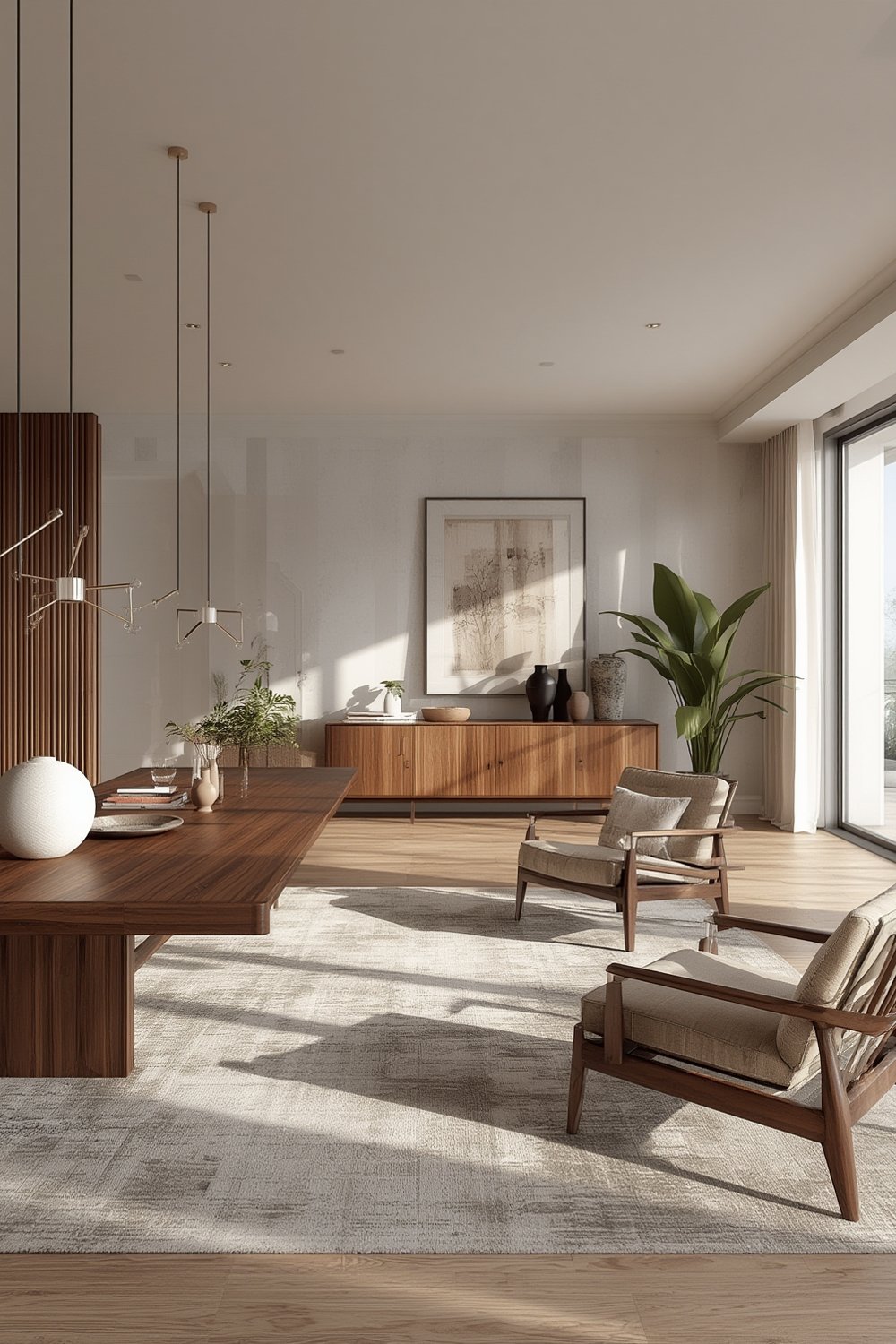
The desire for customization—pairing luxe accent pieces with practical, eco-friendly storage—is leading to savvy buys. Buyers want lasting value, not throwaway trends. You can also integrate dark wood with modern upgrades, like budget kitchen remodels that embrace both classic woodwork and contemporary layouts. Whether you’re eyeing a statement dining table or thinking about eco furniture sustainable options, dark wood is an unmatched contender for lasting style and function.
Step-by-Step Guide: How to Select, Style, and Own Dark Wood Furniture
-
Map Out Your Real Needs
Start by identifying the practical function—dining, storage, or accent? Measure your space and factor in traffic patterns, especially if pairing with space saving bedroom furniture. Look at your color scheme to ensure new dark pieces work with existing decor. -
Research Materials and Source Responsibly
Choose solid hardwoods (like walnut or mahogany), ideally with FSC or similar sustainability certifications. Ask retailers about sourcing transparency—some, like West Elm, now use 60%+ sustainably sourced wood (Stellar MR). For real eco impact, see our eco furniture sustainable guide. -
Check Build and Finish
Inspect grain direction, joinery, and finish (lacquer, oil, or wax). For high-gloss, check for bubbling or hazing. For oiled finishes, feel for smoothness and even absorption. LRV (Light Reflectance Value) isn’t always stated, but a lower value means a deeper shade and less light bounce. -
Plan for Daily Use & Maintenance
Daily use? Choose water-resistant finishes and beware of high-maintenance surfaces. Vintage finds may need re-oiling or refinishing. Use placemats, coasters, and think about protective pads for heavy use—see our healthy pet-ready living guide if you’ve got pets. -
Consider Versatility and Mix
Mix vintage with modern for a curated look. Combine a walnut dining table with modern chairs. Don’t crowd dark pieces—let them stand out. Try modern living room wallpaper or bright, reflective accessories for balance. -
Watch for Budget Traps
High-end walnut and bespoke dark wood designs cost more upfront, but avoid “too good to be true” deals which might use veneer over particleboard. Price reflects real value—if you want the look without breaking the bank, browse affordable sofas and combine with a single luxe wood statement piece.
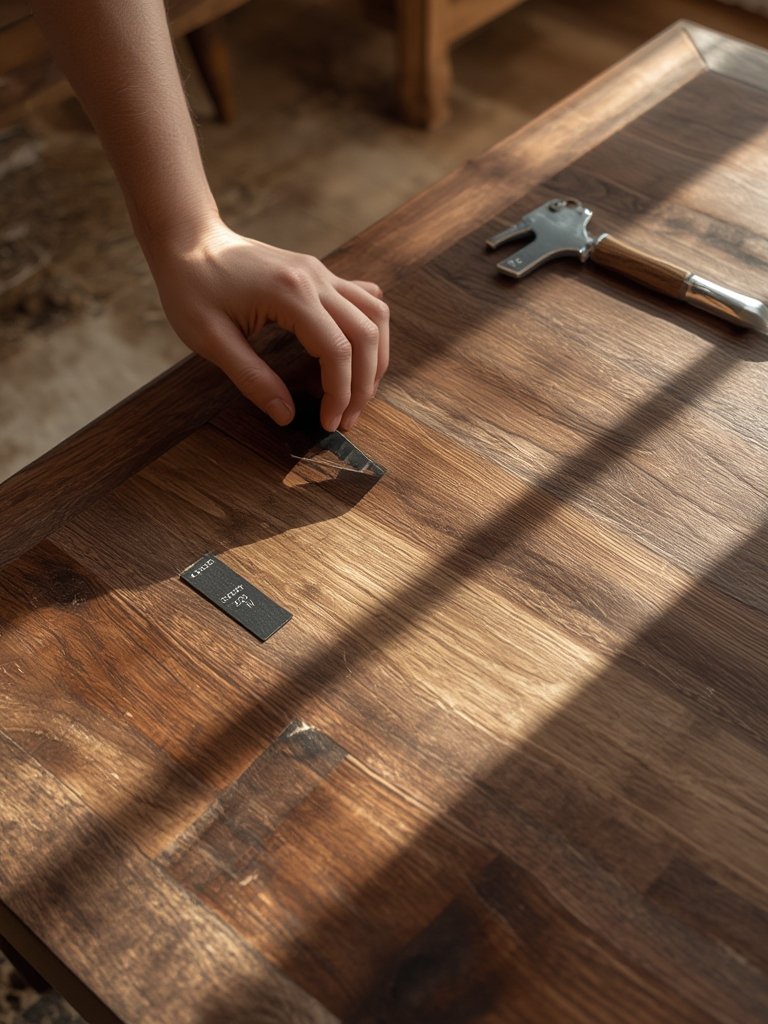
For more on planning furniture shopping to avoid mismatched finishes and impulsive buys, check out our tips for a home depot shopping plan.
Advanced Analysis & Common Pitfalls: Avoiding Mistakes with Dark Wood Pieces
The reality of owning luxe dark wood furniture ranges from rewarding to frustrating, often based on maintenance and expectation management. Here are the most common pitfalls:
- Maintenance Gaps: Without regular care (dusting, oiling, avoiding water marks), even high-end dark wood loses its glow and may show surface scratches.
- Matching Old and New: True color matching is tough. Vintage and new woods age differently, especially with sun exposure.
- Finish Confusion: Not all finishes are equal—some dark stains hide poor wood quality or are high-maintenance (especially glossy or matte lacquers).
- Sustainability Blind Spots: Some “eco” claims are vague or misleading. Always look for third-party certifications when possible.
- Cost Overruns: Premium walnut and custom pieces can cost 2–4x more than standard light wood alternatives, making budgeting crucial.
- Allergy and Health Factors: Older/vintage pieces may contain finishes or adhesives with higher VOCs. Prefer new items with low-VOC certifications or re-finish vintage finds with modern, non-toxic products.
For a snapshot, compare pros and cons in the table below:
| Feature | Dark Wood (Walnut, Mahogany) | Lighter Wood (Oak, Maple) |
|---|---|---|
| Aesthetic Impact | Rich, dramatic, timeless | Bright, airy, modern |
| Maintenance | Needs regular polishing, shows dust but hides small dents | Easier upkeep, marks and stains are more visible |
| Sustainability | Sourcing varies, check certifications | Wide eco options, easy to verify sourcing |
| Cost | High—luxury pricing | Moderate to low |
| Allergen/VOC Risk | Potential risk with vintage pieces | Usually lower with newer factory finishes |
For more on balancing cost and space, see our guide to modular bedroom furniture.
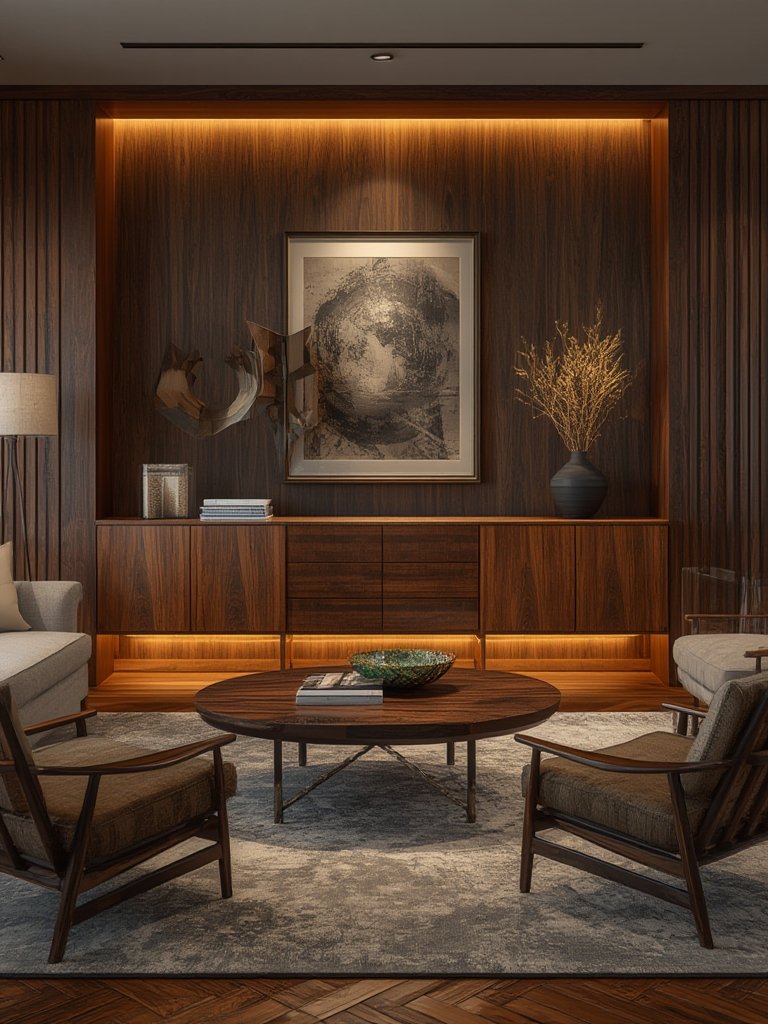
Looking for something that blends organic beauty and investment value? Explore our burl wood furniture guide for unique accent choices.
Conclusion
Dark wood furniture trends are more than a fleeting style—these pieces bring authenticity, warmth, and long-term value to any home. Savvy buyers plan for maintenance, prioritize environmental credentials, and mix dark wood with modern elements for a timeless result. If you want to invest in lasting appeal, embrace dark wood furniture trends thoughtfully for maximum impact. Ready to upgrade your home? Dive into our other guides or start your search with confidence today.
FAQ
What are the current market trends for dark wood furniture?
The market prioritizes sustainability, durability, and customization, with high-end wood collections like walnut seeing increased demand in residential spaces. Global wood furniture sales are rising, driven by eco-conscious consumers. (Source)
Is walnut furniture really more sustainable?
It depends. Walnut can be sustainable if harvested responsibly and certified. Always ask for FSC or equivalent certifications and research retailer commitments—many major brands are increasing their percentage of sustainably sourced wood.
How do I care for dark wood furniture to keep it looking new?
Dust regularly, avoid prolonged exposure to sunlight, use pads under hot or wet items, and re-oil or polish as needed. For vintage items, consider refinishing with modern, non-toxic products for better durability.
Are there cheaper alternatives to high-end walnut furniture?
Yes. You can opt for stained oak or ash for a similar look, buy vintage and refinish, or pick high-quality veneer over solid woods for budget-conscious upgrades—just be cautious about durability.
Can I combine dark wood furniture with lighter decor?
Absolutely. Mixing dark woods with lighter walls or textiles creates balanced, visually interesting spaces—try reflective accessories or bold wallcoverings for extra contrast. For inspiration, explore our living room wallpaper guide.