

### Blog Post:
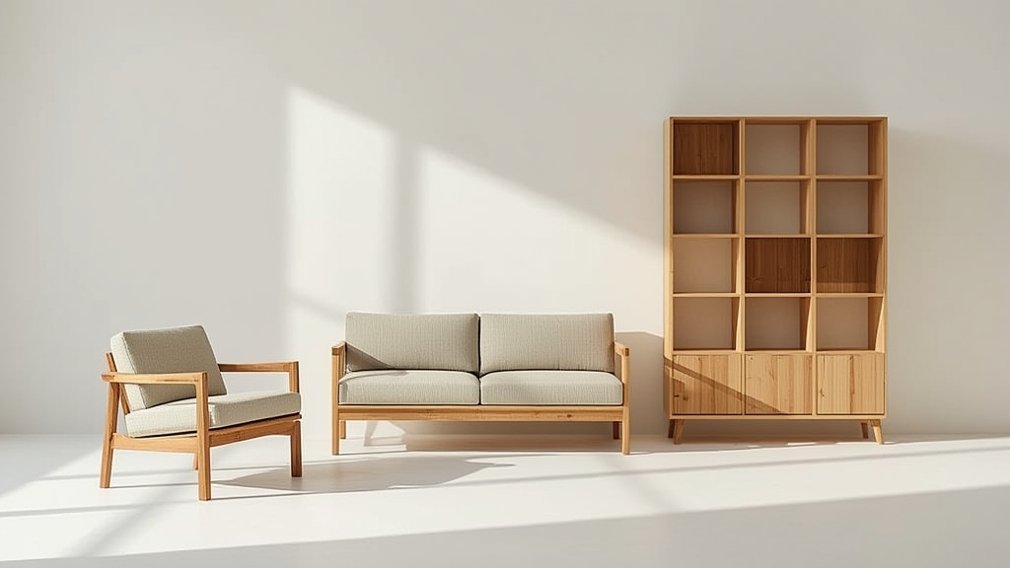
Eco furniture sustainable design is transforming homes and workplaces as more people demand products that are healthier, last longer, and respect the planet’s limits.
Key Takeaways
- The global eco furniture sustainable market is booming, especially among Millennials and Gen Z, driven by the demand for non-toxic, recycled, and ethically produced options.
- Key factors often overlooked by buyers include third-party certifications, true supply chain transparency, and furniture end-of-life recycling programs.
- Pitfalls exist—such as vague environmental claims, limited recycling options, and higher upfront costs—but smart buyers can navigate these with clear steps and trusted resources.
- What Is Eco Furniture Sustainable Design and Why Does It Matter?
- How to Source and Choose Eco Furniture Sustainable Products
- Advanced Analysis and Common Pitfalls to Avoid
- Conclusion
- Frequently Asked Questions
What Is Eco Furniture Sustainable Design and Why Does It Matter?
Eco furniture sustainable design means furniture made to reduce harm to people and the planet—across its full life cycle. These products use responsibly sourced materials (often FSC-certified wood), non-toxic finishes that protect indoor air quality, and ethical production that considers energy, water, and waste. Importantly, true sustainability also means thinking about what happens when furniture reaches the end of its useful life—can it be repaired, recycled, or safely returned to the earth?

This approach is surging in popularity. According to recent market research, the global eco-friendly furniture market hit US$46.98 billion in 2023 and could more than double by 2033. Residential buyers, especially Millennials and Gen Z, comprise most of the demand, favoring durable, safe, and transparent furniture choices. In North America, nearly half of the eco-friendly furniture market is driven by consumers prioritizing healthy homes and visible supply chain practices.
Why does this matter? Traditional furniture often uses materials and finishes that give off harmful gases (VOCs) and generate large amounts of landfill waste, exacerbating indoor air pollution and environmental damage. Eco furniture tackles these risks at the source—and, when chosen wisely, can outlast and outperform cheaper alternatives.
How to Source and Choose Eco Furniture Sustainable Products
Choosing eco furniture sustainable pieces is easier than you think if you follow a simple, careful approach:
- Check for Trusted Certifications: Look for third-party labels such as FSC (for wood), GREENGUARD (for low chemical emissions), and, in some regions, LEED or Estidama for wider building standards. These signal products that have actually passed independent sustainability, safety, and sourcing audits.
- Ask About Materials and Finishes: Favor furniture made of solid wood from responsibly managed forests, recycled or upcycled metal, glass, or textiles, and low-VOC (volatile organic compound) or natural finishes. If a retailer cannot document materials, move on.
- Dig into Supply Chain Transparency: Seek brands that publish where their materials are sourced and how products are manufactured. True transparency boosts trust and ensures claims are verifiable.
- modular or easily repaired designs. Some brands now offer buyback or recycling programs—ask if your chosen item has a circular, not landfill, end life.
- Balance Cost vs. Value: Eco furniture sustainable products can cost more upfront, but deliver lower total cost over time due to durability and fewer health risks. Seek out brands with strong warranties and customer service.
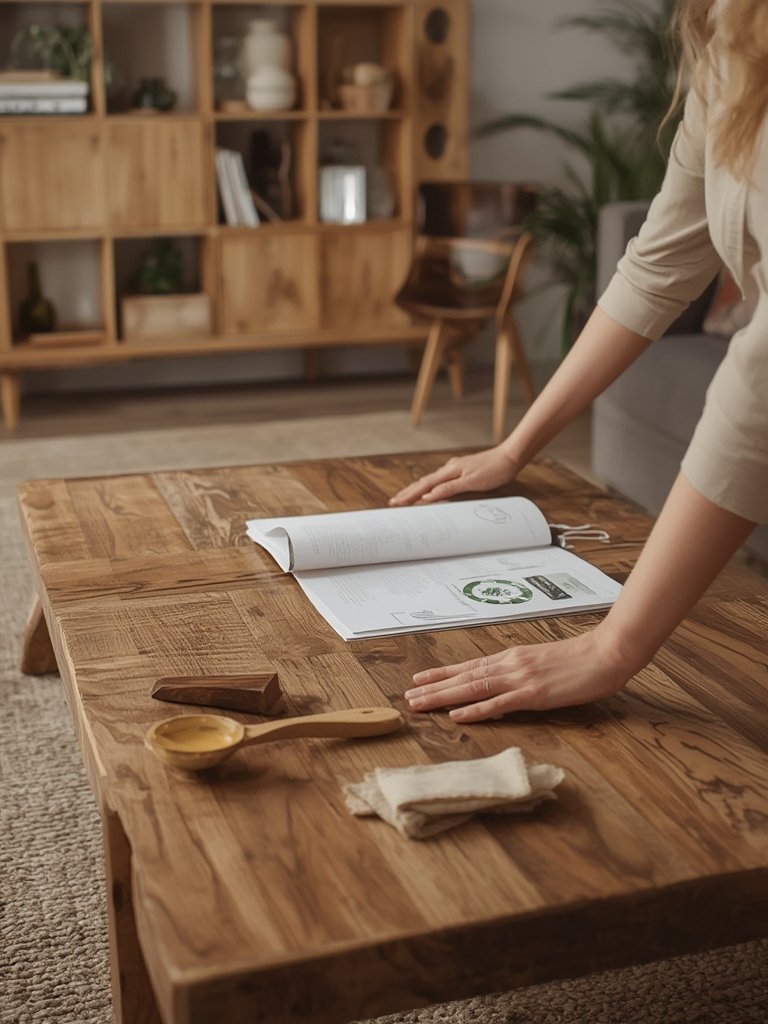
Want to combine sustainable furniture with broader home upgrades? Start with guides like Energy Efficient Upgrades or see Burl Wood Furniture for tips on selecting quality natural materials. If optimizing a whole room, use practical checklists from Modular Bedroom Furniture or balance cost by consulting resources on Affordable Sofas to see how sustainable options compare with conventional choices.
Finally, investigate innovative approaches—some brands now use textiles from ocean plastic or biodegradable materials, but confirm the supply sources and treatment processes before you buy. Because the eco furniture sustainable market is growing fast, not all brands maintain robust audit trails or offer meaningful afterlife solutions for products. Choosing trusted certifications and brands with real transparency is your best defense.
Advanced Analysis and Common Pitfalls to Avoid
Transitioning to eco furniture sustainable options is powerful, but not without challenges.
Pitfall 1: Vague or Unsubstantiated Environmental Claims
Many brands label products as “green,” “eco,” or “sustainable,” but lack third-party certification or detailed documentation. These hollow claims—known as greenwashing—are common due to insufficient industry regulation.
Pitfall 2: Limited Repairability and End-of-Life Options
While the best eco furniture sustainable brands plan for circularity, most products still lack modular design or return/recycling programs. This means once your sofa or table is damaged, disposal may be the only option—something the industry needs to improve. Prioritize Repairability and End-of-Life Options
Pitfall 3: Price and Upfront Cost
Realistically, eco furniture sustainable alternatives often cost more upfront. However, total cost of ownership is lower due to quality and longevity. If budget is a concern, look for pre-owned certified options or sales on trusted brands.
Pitfall 4: Lack of Comparative Impact Data
It’s hard for buyers to directly compare the carbon and environmental footprint of eco furniture with traditional products because few brands publish credible life cycle assessments. For now, certifications like FSC or GREENGUARD, and transparency about sourcing/finishes, are the best available proxies.
| Feature | Conventional Furniture | Eco Furniture Sustainable |
|---|---|---|
| Main Materials | Virgin wood, plastics, medium-density fiberboard (MDF), synthetic glues | FSC-certified wood, recycled metals, responsibly sourced textiles |
| Finishes | High-VOC paints, chemical stains, adhesives | Low-VOC, water-based, or natural oil finishes |
| Certifications | Rare; often only voluntary standards | FSC, GREENGUARD, LEED, Estidama where available |
| Supply Chain Disclosure | Minimal or none | Transparent sourcing, published supplier lists in some cases |
| Repairability | Often not designed for repair or recycling | Modular options available, some brands accept returns for recycling |
| Upfront Cost | Lower, but shorter product life | Higher, but usually longer product life |
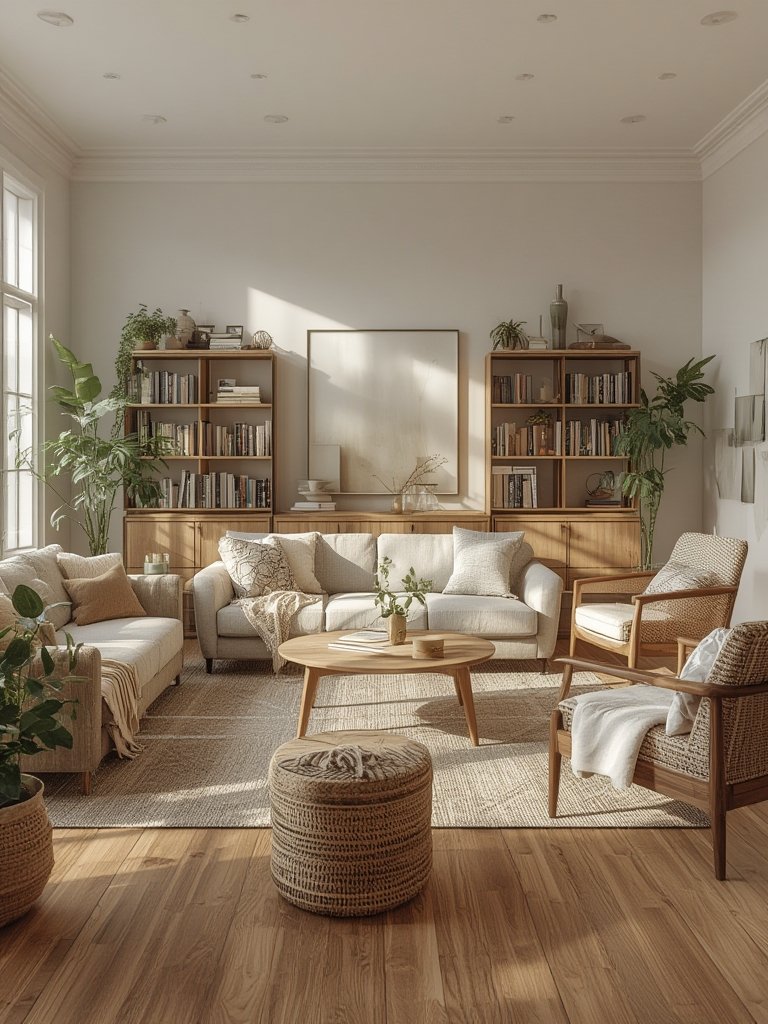
If you’re remodeling or outfitting a full room, consult guides on Kitchen Remodel Ideas and Entryway Cabinet Trends to see how sustainable furniture integrates with other healthy, efficient home improvements.
Conclusion
Eco furniture sustainable choices are set to dominate the future of interior design, supported by fast-growing consumer demand and major market shifts. The smartest purchasers combine independent certifications, transparent sourcing, and thoughtful end-of-life planning to create beautiful, healthier homes that last.
Ready to take the next step? Use the guidance above to audit current furniture, plan responsible purchases, and compare certifications when sourcing your next eco furniture sustainable piece. There are more options, resources, and support than ever—make your space healthier for yourself and for the planet.
Frequently Asked Questions
What are the most credible certifications for eco furniture sustainable products?
The Forest Stewardship Council (FSC) for wood, GREENGUARD for low chemical emissions, and LEED or Estidama for green buildings are the most widely trusted. Always ask brands for proof of current certification.
Are eco furniture sustainable products really more expensive?
Typically, they do cost more upfront but offer better durability, safer materials, and fewer replacement/repair costs over time. Look for sales, pre-owned certified items, or set priorities based on certification and transparency for best value.
How do I know if a furniture company truly practices supply chain transparency?
Look for brands that publish material sourcing details, factory locations, and third-party audit reports, not just vague claims. If information is missing, they likely aren’t as transparent as they claim.
Can eco furniture sustainable options suit any design style?
Yes. Leading brands now offer sustainable options in modern, traditional, minimal, and custom-built styles, though selection may be narrower than with conventional furniture.
How can I recycle or dispose of old furniture sustainably?
Some eco brands and local authorities offer take-back or recycling programs. Research local regulations and discuss options with your vendor before purchase to avoid sending items to landfill.